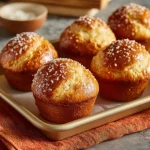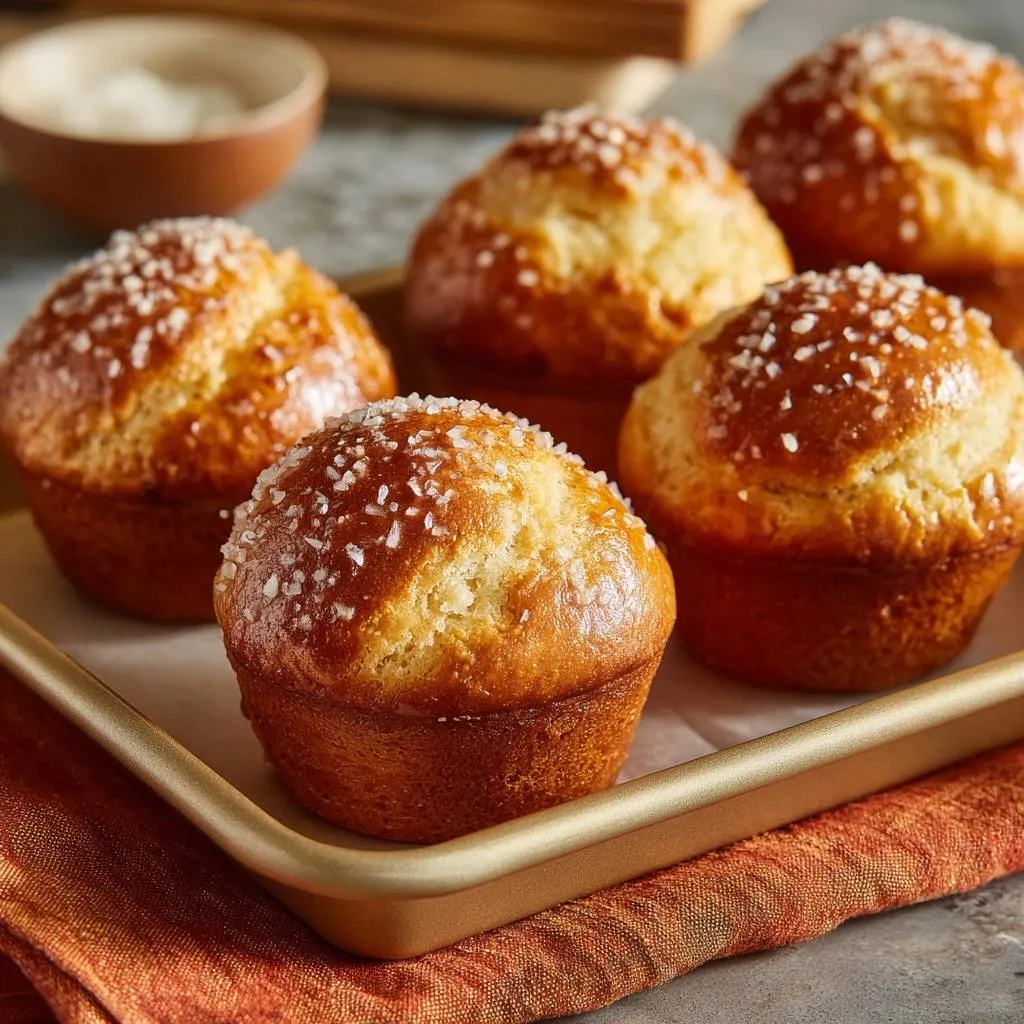
Homemade rolls always flop dense and tough? You’re not alone. This recipe nails Perfect Salted Top Rolls every time with tangzhong, a simple starch paste that locks in steam for pillow-soft fluffiness. In under two hours total, you get 12 pull-apart beauties ready to devour. Prep takes 20 minutes, rises about 1 hour 45 minutes, baking 20 minutes, and they crush store-bought with fresh warmth and that addictive salty crunch on top.
So why does tangzhong work wonders? It gelatinizes flour starches ahead, trapping moisture way better than regular doughs that dry out fast. Therefore, your rolls stay tender inside with a golden exterior. Plus, the coarse sea salt topping adds just the right crackle.
Here’s the pro tip that seals it: cool the tangzhong to exactly 100-110F before mixing. Too hot kills yeast; too cool slows everything. I’ve watched that perfect lukewarm temp deliver rolls that pull apart like clouds.
Tangzhong Starter: Moisture-Locking Secret
Why Tangzhong Transforms Bread Flour
Tangzhong cooks a bit of bread flour with milk first. This gelatinizes the starches, so they swell and hold onto way more water during baking. Standard doughs lose steam quick, turning dense, but tangzhong keeps hydration over 70%, for that fluffy crumb you crave.
In addition, it boosts oven spring, where dough rises dramatically in the heat. You’ll see the paste hit a thick, pudding-like stage, signaling starches at 140-180F have gelled perfectly. No more hockey pucks.
Step-by-Step Tangzhong Preparation
Whisk 1/4 cup bread flour into 1/2 cup milk in a small saucepan until smooth. Cook over medium heat, stirring constantly for about 2 minutes. It thickens to a glossy paste, like warm pudding, and smells faintly sweet.
Remove from heat. Whisk in the remaining 1/2 cup milk and 1/4 cup melted, cooled butter. Let it cool to 100-110F; use a thermometer if you have one. Too thick? Add a splash of milk next time. Too thin? Cook a tad longer.
Activating Yeast for Perfect Salted Top Rolls
Yeast Bloom Test Essentials
Mix 2 1/4 teaspoons active dry yeast with 1 tablespoon sugar and 2 tablespoons warm water, around 105F. Let it sit 5 minutes. It should foam up bubbly, proving the yeast lives and will drive that epic rise for airy crumb.
No foam? Your yeast died, maybe from old expiration or water too hot over 115F. Switch to instant yeast then; no proof needed. This step guarantees light, feathery rolls.
Integrating with Tangzhong Base
Stir the cooled tangzhong, 1 large egg, remaining 3 tablespoons sugar, and 1 teaspoon fine salt into the foamy yeast. The egg adds richness and tenderness, while you hold off salt early to not slow yeast down. Mix until smooth and emulsified, no lumps.
Pro tip: room-temp egg blends best, preventing curdling. You’ll smell the buttery milk base, promising flavor.
Bread Flour Quantities for Fluffy Dough
Base Mix and Gradual Additions
Gradually stir in 3 1/2 cups bread flour to the wet mix. It forms a shaggy dough. Bread flour’s high protein, 12-14%, builds strong gluten to hold all that tangzhong moisture, unlike all-purpose that sags.
Knead on a floured surface, adding up to 1/2 cup more flour if sticky. Stretch a piece thin for the windowpane test; it should glow translucent without tearing. That’s elastic perfection.
Kneading Techniques for Elasticity
Knead 5-7 minutes until smooth and it pulls away clean. Use a stand mixer on speed 2 if hands tire. Feel for a soft, tacky glove-like texture; over-knead toughens it.
Tangzhong’s moisture means less flour overall. Therefore, stop when springy, locking in fluff.
First Rise Dynamics in Perfect Salted Top Rolls
Optimal Proofing Environment
Place dough in a lightly greased bowl, cover with a damp towel or plastic. Pick a warm 75-85F spot, like oven with light on or near a sunny window. It doubles in 1 hour; poke test rebounds slowly.
Humidity or altitude slows it? Give extra time. This builds flavor and structure.
Punching Down and Dividing
Gently punch down to degas. Divide into 12 equal 2-ounce pieces with a scale for evenness. Roll tight balls, tucking seams under for surface tension.
Space 1/2 inch apart in parchment-lined 9×13 pan for pull-apart style. They touch later, sharing warmth.
Second Rise and Shaping Precision
Achieving Puffy Ball Shapes
Cover loosely and rise 45 minutes until puffy, not doubled. Press a finger; dent rebounds slowly. Spacing lets steam circulate for even bake.
Don’t rush; underproofed rolls stay dense.
Pre-Bake Butter Brushing
Preheat oven to 375F. Gently brush tops with 1 tablespoon melted butter for golden browning and flavor. Pat light to avoid deflating puffs.
Do this last minute before baking.
Baking Perfect Salted Top Rolls Golden
Timing and Visual Cues
Bake middle rack 18-20 minutes till deep golden. Internal temp hits 190-200F for doneness. Convection? Drop to 350F and check at 16 minutes.
Optional steam tray boosts rise. Smell that buttery heaven near end.
Post-Bake Salted Finishing
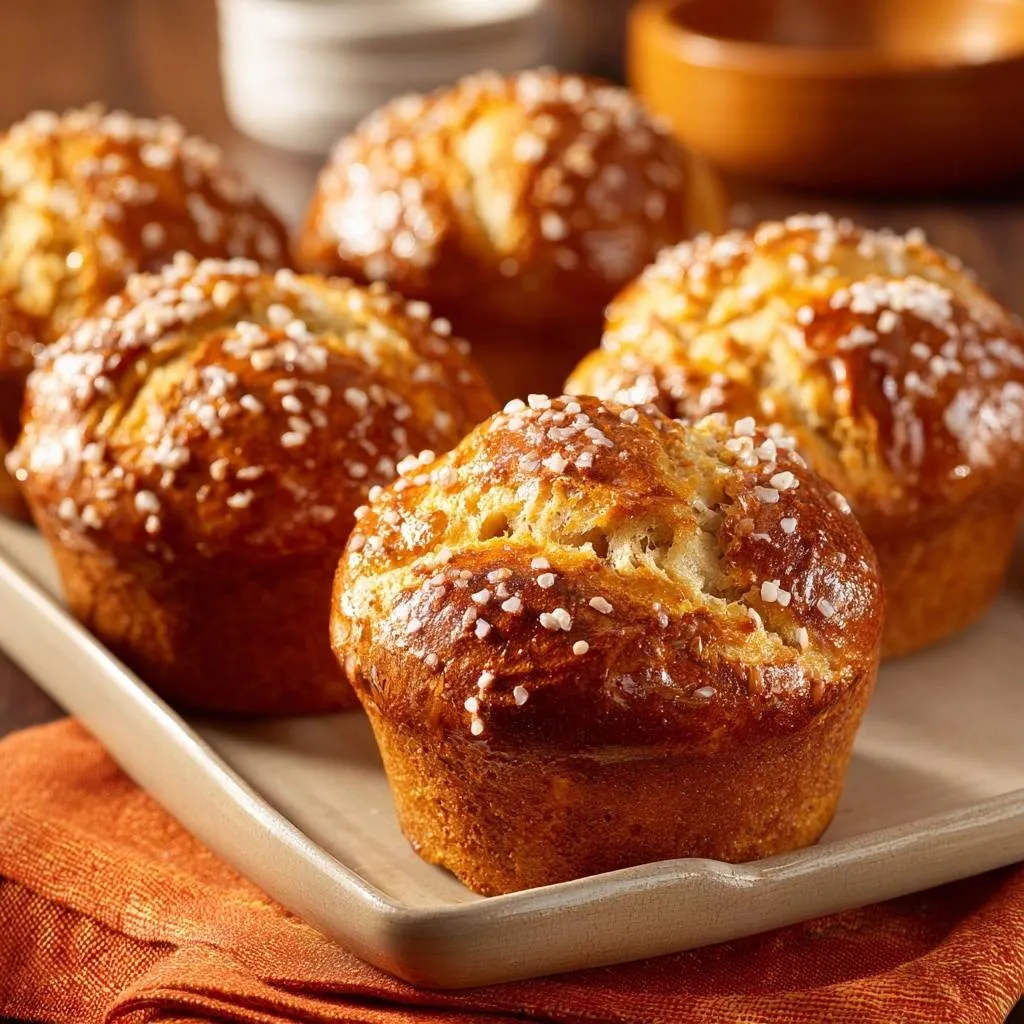
Brush hot rolls with 2 tablespoons melted butter right away. Sprinkle generous coarse sea salt while warm for stick. Coarse gives crunch pop without over-salting inside.
Cool on rack 10 minutes. Pull apart warm.
For another take on soft rolls, try skillet garlic pull-apart rolls.
Tangzhong Science in Perfect Salted Top Rolls
Starch Gelatinization Breakdown
Heat swells amylopectin and amylose in flour to 140-180F, forming a gel. This holds 10 times more water than raw flour, trapping steam for massive oven spring. Japanese milk bread uses it for legendary softness.
Tests show tangzhong crumbs stay moist days longer. Your rolls prove it visually fluffy.
Gluten Balance with High Hydration
Tangzhong pushes hydration over 70% without gumminess. Bread flour’s proteins form networks that chew just right, not tough. Balance lands perfect fluff-chew spectrum.
Flour absorbs gel slowly, strengthening as it rises.
Avoiding Dense Rolls: Troubleshooting Guide
Yeast and Temperature Fixes
No yeast foam means dead batch; check dates and water temp. Slow rise? Warmer spot or fresh yeast. Overproofed dough sinks on poke; bake ASAP or restart small batch.
Altitude dries air, so cover tight.
Dough Handling and Bake Errors
Dense crumb from under-kneading or skimping hydration; do windowpane. Pale tops? Oven too cool, verify with thermometer. Gummy inside means underbake; hit 190F.
Fine salt melts in, losing crunch; stick coarse.
Storage and Make-Ahead for Salted Top Rolls
Short-Term Airtight Keeping
Store airtight at room temp up to 2 days. Reheat at 350F for 5 minutes, brushed with butter. Freeze baked rolls 1 month; thaw overnight, warm same way. Texture holds great.
Pro tip: don’t fridge; it dries them.
Prep-Ahead Tangzhong Strategy
Make tangzhong day before, fridge covered. Cold dough overnight in fridge boosts flavor. Freeze shaped balls up to 1 month; thaw, rise, bake. Revival same times.
Scales up easy for holidays.
Flavor Twists on Perfect Salted Top Rolls
Herb and Spice Infusions
Mix minced rosemary or garlic into butter brush. Top with black pepper and salt. Shred cheese pre-bake for gooey pull. Sweet twist: cinnamon sugar instead of salt.
Keep tangzhong core for fluff.
Flour and Milk Substitutions
All-purpose flour? Add 1 tablespoon vital wheat gluten per cup. Oat milk mimics creaminess; vegan butter works fine. Low-cal? Skim milk, less butter.
Texture stays close.
Pairing Ideas for Perfect Salted Top Rolls
Slather with honey butter alongside tomato soup. Stack breakfast sandwiches with eggs and cheese. Serve pull-apart with roasts or green salads.
Compound butters like herb or garlic elevate. They shine warm, soaking up juices.
Expert Answers on Perfect Salted Top Rolls
Why Use Bread Flour Here?
Bread flour’s 12-14% protein builds robust gluten to trap tangzhong steam. All-purpose at 10-12% yields denser rolls. Higher strength means fluffier heights.
Can I Use Instant Yeast?
Yes, swap 2 teaspoons instant yeast directly into flour. Skip proofing; mix all wet first. Rises match active dry times.
How to Halve for Smaller Batches?
Halve everything but yeast to 1 1/8 teaspoons. Use 8×8 pan for 8 rolls. Times stay same; perfect for weeknights.
Why Coarse Salt on Top?
Coarse sea salt sticks warm, delivers crunch contrast and flavor burst without salting crumb. Try pretzel salt for similar bite.
Vegan Version Possible?
Absolutely. Swap egg for 3 tablespoons aquafaba, use vegan butter and plant milk like oat. Method identical; slight less richness but fluff holds.
How Do I Store Leftovers?
Keep in airtight container at room temp for 2 days max. Reheat at 350F 5 minutes with butter brush. Freeze baked up to 1 month; thaw room temp, then warm. Avoid fridge to prevent drying.
Why Are My Rolls Dense?
Density hits from dead yeast, under-kneading, or skipping tangzhong cool-down. Check foam, knead to windowpane, and temp at 100-110F. Overproof also sinks structure; poke test early.
What Can I Substitute for Bread Flour?
Mix all-purpose with 1 tablespoon vital wheat gluten per cup for protein boost. Or use 00 flour for finer crumb. Don’t skip; it supports high hydration without collapse.
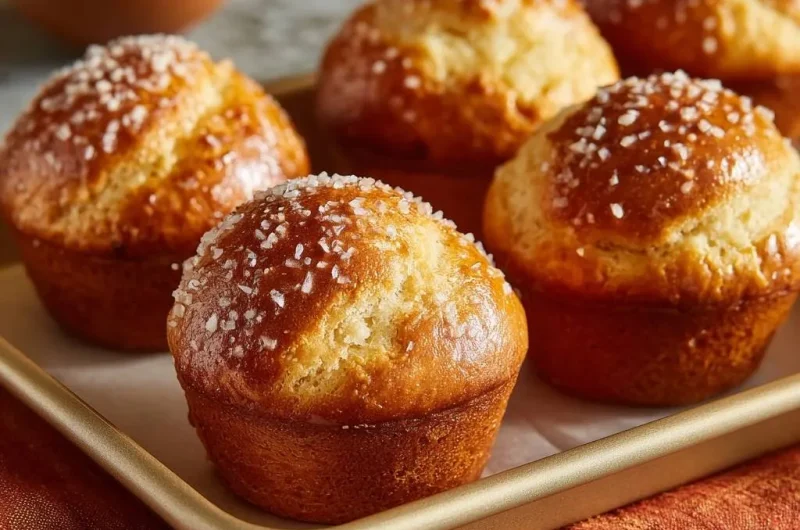
Salted Top Rolls
Course: Side DishCuisine: AmericanDifficulty: medium12
rolls30
minutes20
minutes220
kcal120
MinutesHomemade rolls often turn out dense and tough. This recipe fixes that forever with one simple trick: the tangzhong starter. It gelatinizes starch to lock in moisture and steam, delivering guaranteed fluffy, tender texture every time.
Ingredients
2 1/4 teaspoons active dry yeast
1/4 cup granulated sugar, divided
1 cup whole milk, divided
1/4 cup bread flour (for tangzhong)
1/4 cup unsalted butter, melted and cooled (plus 3 tablespoons melted for brushing)
1 large egg
1 teaspoon fine salt
3 1/2 to 4 cups bread flour
Coarse sea salt, for topping
Directions
- Make the tangzhong (your no-more-dense secret): In a small saucepan, whisk 1/4 cup bread flour with 1/2 cup milk until smooth. Cook over medium heat, stirring constantly, until it thickens into a smooth paste (about 2 minutes, like pudding). Remove from heat, whisk in remaining 1/2 cup milk and melted 1/4 cup butter. Cool to lukewarm (100-110F). This paste traps steam during baking for ultra-fluffy results, eliminating dense texture.
- Activate yeast: In a large bowl, combine yeast, 1 tablespoon sugar, and 2 tablespoons warm water. Let sit 5 minutes until foamy.
- Mix dough: Stir tangzhong mixture, egg, remaining sugar, and fine salt into yeast. Gradually add 3 1/2 cups bread flour, mixing until a soft dough forms. Knead on a floured surface 5-7 minutes, adding flour as needed for a smooth, elastic dough that pulls away from bowl.
- First rise: Place in greased bowl, cover, and let rise in warm spot until doubled, about 1 hour.
- Shape: Punch down dough, divide into 12 equal pieces. Roll into balls, place in parchment-lined 9×13 baking tray, 1/2 inch apart. Cover and rise 45 minutes until puffy.
- Bake: Preheat oven to 375F. Brush tops gently with 1 tablespoon melted butter. Bake 18-20 minutes until golden.
- Finish: Brush hot rolls with remaining 2 tablespoons melted butter, sprinkle generously with coarse sea salt. Serve warm. Store airtight up to 2 days.
Notes
- Tangzhong is the key to ultra-fluffy rolls. Store airtight up to 2 days. Reheat wrapped in foil at 350F for 10 minutes.