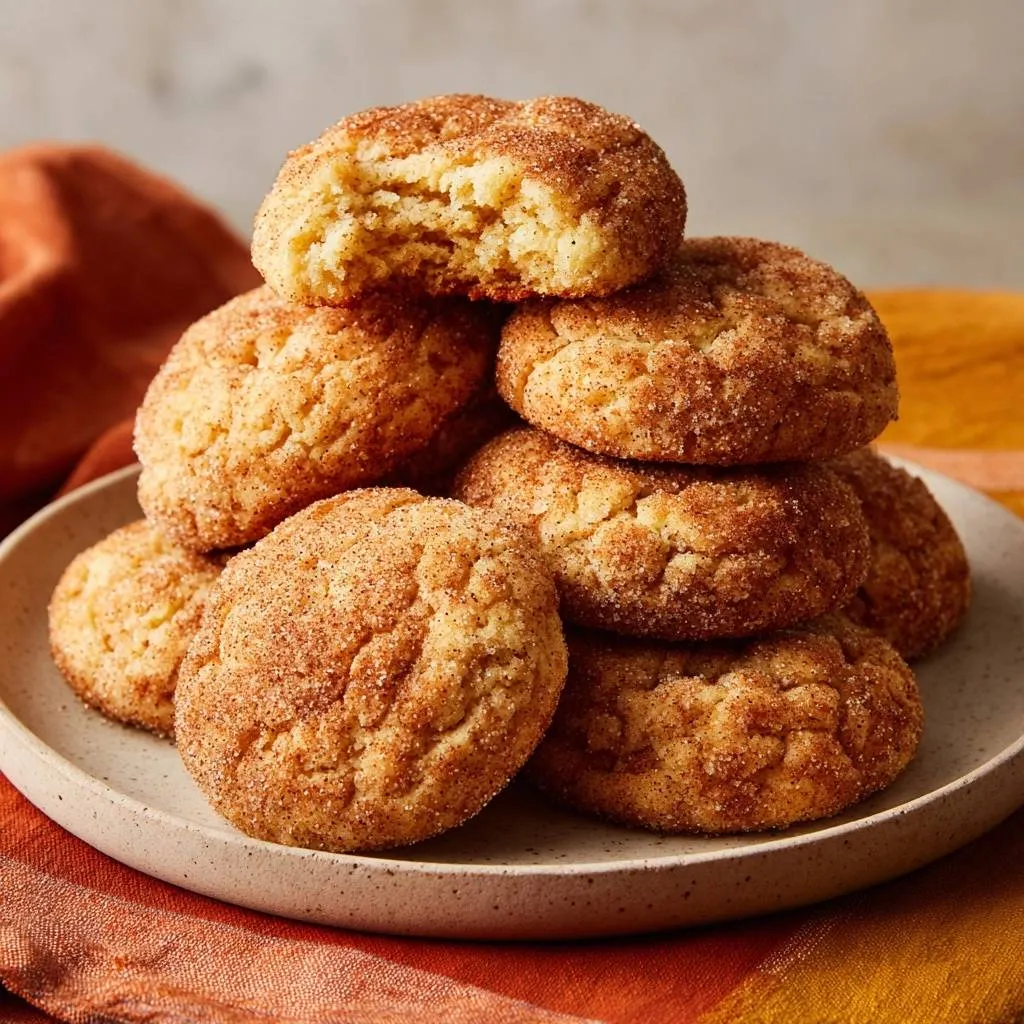
Why Snickerdoodle Cookies Deserve Your Oven Time
Nothing frustrates like pulling flat, sad snickerdoodles from the oven when you crave those tall, crackly tops. You’ve been there, right? Those classic snickerdoodle cookies that spread into pancakes instead of puffing up proud.
However, this recipe fixes that every time. The chill-plus-cream-of-tartar combo delivers height and those signature crinkles. Plus, they’re a holiday favorite because they vanish fast with their warm cinnamon hug.
The secret? Cream of tartar reacts with baking soda for lift, while chilling firms the butter to prevent spreading. You’ll get puffy, chewy centers that prove why snickerdoodle cookies rule.
Key Ingredients for Puffy Snickerdoodle Cookies
All-purpose flour forms the structure, but don’t swap it for bread flour, which toughens the dough. Cream of tartar gives the essential lift, reacting with baking soda for bubbles that push cookies tall. In addition, unsalted butter at room temp creams perfectly for fluffiness without greasiness.
The sugar ratio tenderizes and sweetens just right. Two large eggs bind everything, and vanilla adds depth. For the coating, granulated sugar and ground cinnamon create that addictive crackly shell.
| Ingredient | Amount | Substitution |
|---|---|---|
| All-purpose flour | 2 1/2 cups | Gluten-free 1:1 blend |
| Unsalted butter, softened | 1 cup | Vegan butter |
| Cream of tartar | 2 tsp | 1 tsp baking powder (less puff) |
| Eggs | 2 large | Flax eggs (vegan) |
Cream of Tartar: The Puff Secret in Snickerdoodle Cookies
Cream of tartar acts as an acid that teams with baking soda for a CO2 burst. This reaction lifts the dough high instead of letting it slump flat. Without it, your snickerdoodle cookies stay dense and spread out.
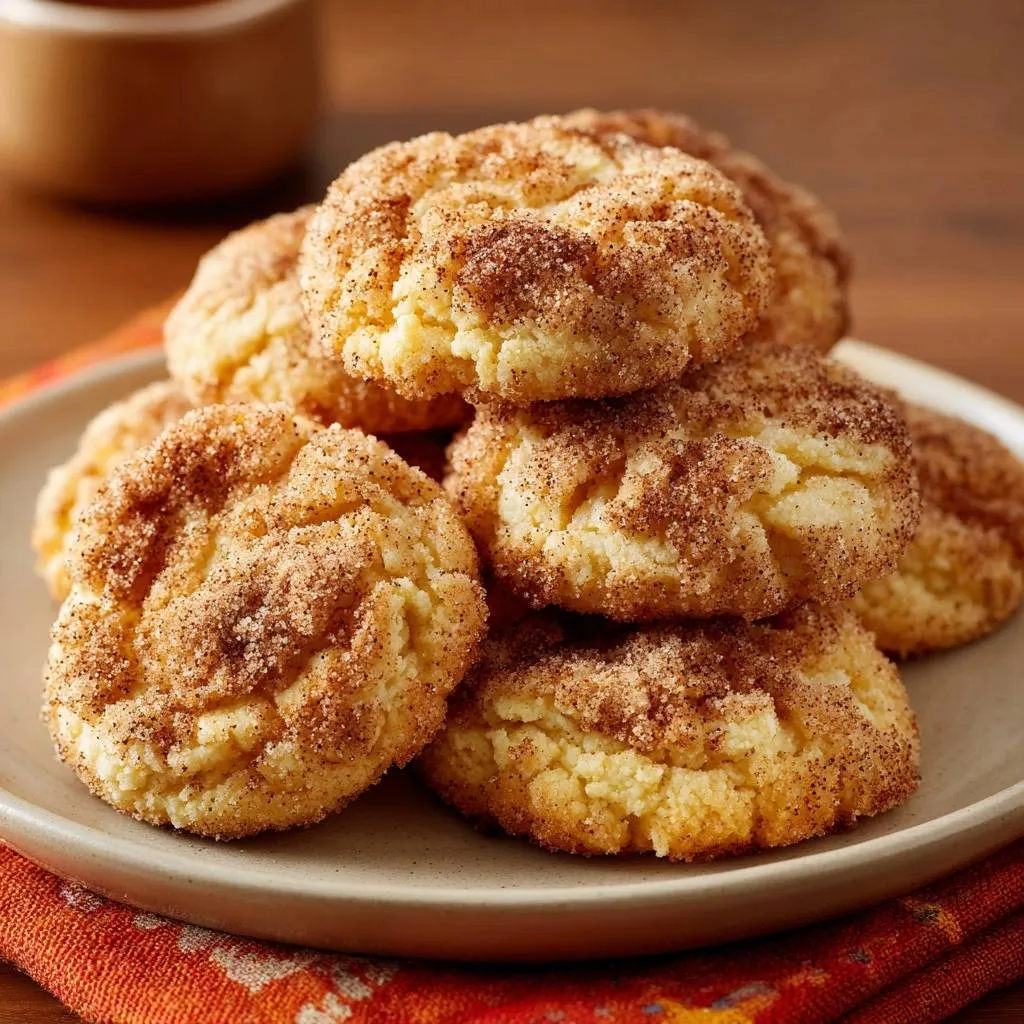
Therefore, always measure precisely. It guarantees those domed beauties with crinkly tops everyone loves.
Butter and Sugar Duo for Chewy Texture
Softened butter beats with sugar for two minutes until light and fluffy, trapping air for tenderness. Room temp butter creams best; cold chunks lead to uneven spread. In addition, this method ensures chewy centers.
Overbeat, though, and you lose that texture. Keep it to medium speed for perfection.
Science Behind Tall Snickerdoodle Cookies
Baking soda and cream of tartar trigger an acid-base reaction, releasing gas bubbles for rise. Chilling then solidifies butter, slowing melt in the oven so dough holds shape. At 400°F, the high heat sets the exterior fast for crinkles via Maillard browning.
Unlike chocolate chip cookies that rely on chips for structure, snickerdoodles puff purely from chemistry. Therefore, skip the chill, and watch them flatten. Picture the dough balls doming up, surfaces splitting into cinnamon-dusted cracks.
For visuals, imagine smooth balls transforming to rugged, tall peaks in minutes. This combo beats other drop cookies hands down.
Chilling Dough: Preventing Flat Snickerdoodles
One hour in the fridge firms the butter, controlling spread for puffy results. Overnight chilling intensifies flavor and makes dough easier to scoop. Tests show unchilled dough spreads 50% wider.
Don’t skip it. Your snickerdoodle cookies will thank you with perfect height.
Equipment Essentials for Snickerdoodle Success
An electric mixer creams butter and sugar properly, incorporating air for lift. Parchment-lined sheets ensure even baking without sticking. A cookie scoop creates uniform 1 1/2-tablespoon balls for consistent results.
Wire racks cool cookies evenly, preventing sogginess. High 400°F heat shocks the tops for cracks. Budget tip: Use rimmed aluminum sheets; they’re cheap and reliable.
Skip dark pans, which overheat bottoms and cause excess spread.
Best Cookie Sheets for Even Snickerdoodle Baking
Aluminum half-sheets bake evenly without hot spots. Dark pans absorb heat too fast, melting butter prematurely. Parchment paper beats silicone mats for crisper edges.
Always line them. It simplifies cleanup and guarantees perfect release.
Step-by-Step: Mixing Snickerdoodle Cookie Dough
First, whisk flour, cream of tartar, baking soda, and salt. This evenly distributes leaveners for reliable puff. Set it aside; lumps ruin the texture.
Next, beat softened butter and 1 1/2 cups sugar on medium until pale and fluffy, about two minutes. You’ll smell sweet butter and see ribbons form. Add eggs one by one, beating well, then vanilla.
Gradually mix in dry ingredients on low. Stop just until combined; overmixing develops gluten for tough cookies. The dough will be soft but scoopable.
Shaping and Coating for Crinkly Snickerdoodle Cookies
After chilling at least one hour, preheat to 400°F. Stir 1/4 cup sugar with two tablespoons cinnamon. Scoop 1 1/2-tablespoon dough balls, about 1 1/2 inches wide.
Roll generously in cinnamon sugar; thick coating means bolder cracks. Place two inches apart on parchment-lined sheets. They’ll look raw but transform beautifully.
Baking Snickerdoodle Cookies to Perfection
Bake eight to ten minutes until edges set but centers stay soft and domed. Tops will crackle open, releasing cinnamon scent. Pull early for chewiness; overbaking dries them out.
Cool on the sheet five minutes; they firm up without breaking. Transfer to a rack. Yield: about 24 tall snickerdoodle cookies.
Pro tip: Rotate sheets halfway for even browning if your oven runs hot.
Avoiding Common Snickerdoodle Cookie Pitfalls
Flat cookies usually mean no chill or overly soft butter. Tough ones come from overmixing, activating gluten. No cracks? Skimp on coating or bake too low.
Pale edges signal underbaking; extend by a minute. Therefore, measure ingredients by weight if possible for precision. These fixes keep your batch flawless.
Common error: Warm kitchen melts dough fast, so chill longer in summer.
Fixing Over-Spread Snickerdoodle Dough
Warm butter or skipped chill causes spread. Add one tablespoon flour per cup to firm it up. Rescoop and rechill 30 minutes before baking.
Prevention beats fixes, so always start with softened, not melted, butter.
For a similar fruit-filled experience, explore the no-spread method in glazed raspberry thumbprint cookies.
Flavor Twists on Classic Snickerdoodle Cookies
Swap half the granulated sugar for brown sugar for extra chew. Add lemon zest and extract for tang that brightens cinnamon. Pumpkin spice in the coating amps fall vibes.
Stir in chocolate chips, burying them deep for surprise bites. For vegan, use vegan butter and aquafaba for eggs. Gluten-free flour works with xanthan gum added.
For more chocolatey indulgence, consider trying dark chocolate toffee cookies.
These keep the puff while adding fun. Scale up for crowds.
Lemon Snickerdoodle Cookies Variation
Zest one lemon into the dough and swap vanilla for lemon extract. It cuts cinnamon’s warmth with citrus pop. No baking changes needed; cracks stay perfect.
Bake as usual for 24 zingy treats.
More Sweet Inspiration
Round out your baking with these other sweet treats.
- If you enjoy the warm spice of Snickerdoodles, you’ll appreciate the cinnamon notes in these Cinnamon French Toast Stacks.
- For another comforting baked good with a touch of fun, try these S’mores Pancakes that bring a campfire feel to your kitchen.
Storing and Freezing Snickerdoodle Cookies
Keep baked cookies in an airtight container at room temp up to five days. They’ll stay chewy with a slice of bread inside to retain moisture. Layer with parchment to avoid sticking.
Freeze dough balls up to three months; bake straight from freezer, adding two minutes. Baked cookies freeze two months in bags. Thaw overnight for softness.
Pro tip: Make-ahead dough saves holiday stress.
Pairing Snickerdoodle Cookies with Drinks and Desserts
Hot coffee cuts through the spice with bold contrast. Dunk in milk for classic nostalgia. Chai latte echoes cinnamon warmth perfectly.
Make ice cream sandwiches with vanilla scoops; chill first to prevent melt. On platters, pair with fresh fruits and nuts for balance. They’re stars anywhere.
Snickerdoodle Cookies: Quick Fixes and Expert Tips
How do I store snickerdoodle cookies and can they be frozen?
Store in an airtight container at room temperature for up to five days. Slip a slice of bread in to keep them soft. Freeze dough balls for three months or baked cookies for two; thaw dough overnight in fridge or bake frozen with extra two minutes time. Avoid refreezing thawed dough to prevent texture loss.
Why are my snickerdoodle cookies flat and how do I fix it?
Flat cookies spread from soft butter, no chilling, or low oven temp. Always use room-temp butter, chill dough at least one hour (overnight better), and bake at 400°F. If dough’s too warm, add one tablespoon flour and rechill 30 minutes. This locks in height every time.
Can I substitute cream of tartar in snickerdoodle cookies?
Use one teaspoon baking powder instead of two teaspoons cream of tartar plus baking soda, but expect less puff and crinkles. Lemon juice works in a pinch (one tablespoon per teaspoon tartar), though it alters flavor slightly. Stick to original for classic tall results.
What if I don’t have an electric mixer for snickerdoodle cookies?
Whisk butter and sugar vigorously by hand for five minutes until fluffy, or use a food processor in pulses. It takes effort but works; just avoid overworking. Electric ensures best air incorporation for tenderness.
How do I make snickerdoodle cookies gluten-free?
Swap all-purpose flour for a 1:1 gluten-free blend with xanthan gum. Chill longer (two hours) as GF dough spreads more. They’ll puff tall with same bake time; taste nearly identical to classic.
Why don’t my snickerdoodle cookies have crinkly tops?
Thin cinnamon sugar coating or low oven heat prevents cracks. Roll balls generously and bake at 400°F for Maillard reaction. If pale, your oven might run cool; use an oven thermometer and add one minute. Perfect cracks guaranteed.

Snickerdoodle Cookies
Course: DessertCuisine: AmericanDifficulty: easy24
cookies20
minutes10
minutes150
kcal60
MinutesSick of snickerdoodles that spread thin and lose their puff? Our foolproof chill-plus-cream-of-tartar method locks in height and delivers those signature crinkly tops every single time.
Ingredients
2 1/2 cups all-purpose flour
2 teaspoons cream of tartar
1 teaspoon baking soda
1/4 teaspoon salt
1 cup unsalted butter, softened
1 1/2 cups granulated sugar
2 large eggs
2 teaspoons vanilla extract
1/4 cup granulated sugar
2 tablespoons ground cinnamon
Directions
- Whisk together flour, cream of tartar, baking soda, and salt in a medium bowl. Set aside. The cream of tartar is your secret weapon: it reacts with the baking soda to create carbon dioxide bubbles that force the dough to puff up tall instead of spreading flat.
- In a large bowl, beat softened butter and 1 1/2 cups sugar with an electric mixer on medium speed until light and fluffy, about 2 minutes. Add eggs one at a time, beating well after each. Mix in vanilla.
- Gradually add dry ingredients to wet mixture, beating on low until just combined. Do not overmix, or the cookies may toughen.
- Cover dough and chill in the refrigerator for at least 1 hour. This critical step firms up the butter, preventing it from melting too fast in the oven and causing spread. Chilling guarantees domed, puffy cookies with perfect cracks.
- Preheat oven to 400 degrees F. Line baking sheets with parchment paper.
- Mix 1/4 cup sugar and cinnamon in a small bowl. Scoop dough into 1 1/2-tablespoon balls (about 1 1/2 inches diameter). Roll each in cinnamon sugar to coat generously.
- Place balls 2 inches apart on baking sheets. Bake 8 to 10 minutes, until edges are set but centers are still soft and tops crackle. Do not overbake for chewy texture.
- Cool on baking sheet 5 minutes, then transfer to wire rack. Enjoy warm for maximum softness. Store in airtight container up to 5 days.
Notes
- Chill dough for at least 1 hour to prevent spreading. Bake at 400°F for chewy centers and crinkly tops. Store in airtight container up to 5 days.