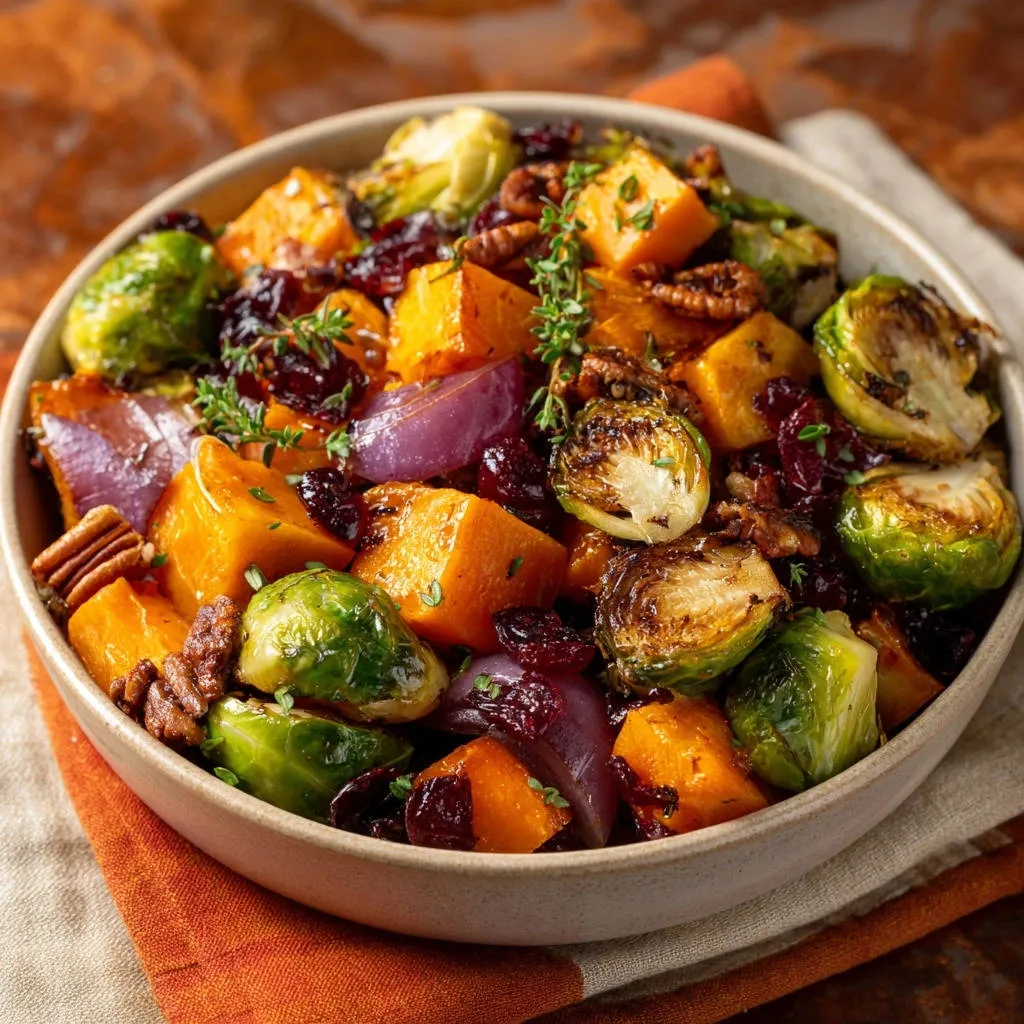
I used to face a common kitchen dilemma: roasting vegetables that ended up soggy, bland, or half-burnt. But through countless experiments, I discovered the simple secrets to creating truly Perfectly Caramelized Harvest Veggies with irresistible golden-brown edges and tender interiors every single time.
This recipe transforms humble produce into a show-stopping side dish, leveraging specific techniques to ensure vibrant flavor and perfect texture. Prepare to amaze your taste buds and elevate your meal with vegetables that are anything but ordinary.
Say Goodbye to Soggy Veggies: Why This Recipe Works Wonders
The Magic of ‘Space’: Preventing Steaming for True Caramelization
The primary culprit behind soggy roasted vegetables is overcrowding. When vegetables are packed too tightly on a baking sheet, they release moisture, which then steams instead of evaporating. This prevents the Maillard reaction, robbing you of that coveted caramelization.
This recipe emphasizes ample space between each vegetable piece. This “golden rule” allows heat to circulate freely, ensuring moisture escapes quickly and surfaces can properly brown and crisp up.
Irresistible Flavor Profile: Sweet & Savory Harmony in Every Bite
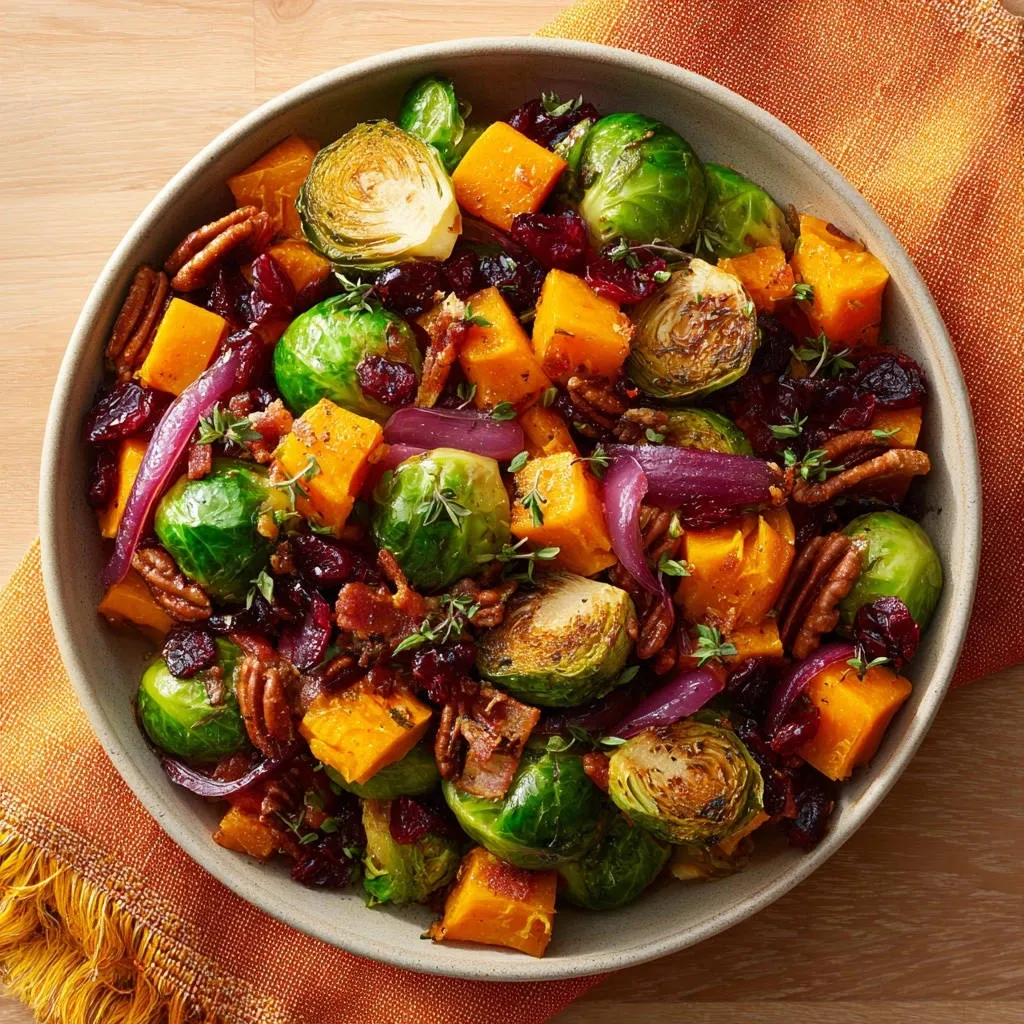
The combination of naturally sweet butternut squash, slightly bitter Brussels sprouts, and sharp red onion creates a dynamic base. A touch of maple syrup enhances natural sweetness and significantly aids in achieving that gorgeous caramelization.
The addition of dried cranberries and toasted pecans in the final stages introduces bursts of tartness, additional sweetness, and a delightful textural crunch. Fresh thyme weaves in an earthy, aromatic note, balancing the rich flavors beautifully.
If you enjoy these crispy Brussels, you might also like this vibrant Brussels apple pomegranate salad.
Beyond a Side Dish: A Festive & Crowd-Pleasing Addition to Any Meal
While an exceptional side for any weeknight meal, these Perfectly Caramelized Harvest Veggies truly shine as a holiday side dish. Their vibrant colors and complex flavors make them a festive addition to Thanksgiving, Christmas, or any special gathering.
Round Out Your Meal
These vegetable-forward dishes complement the caramelized harvest veggies with similar seasonal ingredients and preparation methods.
- For a hearty grain-based option, try this sheet pan rice with roasted squash and red onion, perfect for a complete plate.
- Consider this roasted butternut squash cranberry feta salad for a bright, tangy contrast to your root vegetables.
They can even serve as a light vegetarian main course when paired with a hearty grain or fresh greens, offering a wholesome and satisfying option.
Gather Your Harvest: Essential Ingredients for Success
The Star Veggies: Butternut Squash, Brussels Sprouts & Red Onion
Butternut squash offers a creamy texture and sweet, nutty flavor when roasted. Brussels sprouts contribute a pleasant bitterness that mellows and sweetens with caramelization, alongside a satisfying crispness.
Red onion wedges soften and sweeten considerably under heat, adding a foundational savory-sweet note. Choosing firm, blemish-free vegetables is key to great results.
Flavor Enhancers: Olive Oil, Maple Syrup & Fresh Thyme
Good quality olive oil is essential for conducting heat, preventing sticking, and adding a mild, fruity flavor to the vegetables. It helps develop that desirable golden crust.
Maple syrup not only sweetens the dish but also significantly accelerates the caramelization process, creating a glossy, sticky exterior. Fresh thyme sprigs infuse the vegetables with a warm, herbaceous aroma that complements the autumn flavors perfectly.
Texture & Sweetness Boosters: Dried Cranberries & Pecan Halves
Dried cranberries offer a delightful chewiness and a tart counterpoint to the sweetness of the squash and maple. They become slightly plump and juicy in the oven.
For a similar burst of tart sweetness, check out these cranberry dill cheese balls.
Pecan halves toast beautifully as they roast, adding a rich, buttery crunch and nutty depth. These additions transform the dish from simple roasted vegetables to something truly special.
Seasoning Simply: Salt & Freshly Ground Black Pepper
Salt is vital for enhancing the natural flavors of the vegetables and balancing sweetness. Freshly ground black pepper adds a subtle warmth and aromatic finish.
Seasoning generously before roasting ensures every bite is flavorful, not just the surface.
Your Kitchen Arsenal: Tools for Perfect Roasting
The Unsung Heroes: Large Baking Sheets (Plural is Key!)
Crucially, you’ll need at least two, preferably large, baking sheets. This allows for proper spacing of your vegetables, which is the cornerstone of achieving caramelization instead of steaming.
Avoid smaller sheets that invite overcrowding; bigger is better for this roasted root vegetables recipe.
Prep Essentials: Sharp Knife, Vegetable Peeler & A Very Large Mixing Bowl
A sharp chef’s knife and a sturdy vegetable peeler are indispensable for efficiently preparing the butternut squash and other produce. Precision in cutting ensures even cooking.
A very large mixing bowl is essential for tossing all the vegetables and seasonings together without making a mess, ensuring every piece is evenly coated before roasting.
Parchment Paper: For Effortless Cleanup & Even Roasting
Lining your baking sheets with parchment paper is a small step with significant benefits. It prevents sticking, especially with the maple syrup glaze, and makes cleanup incredibly easy.
Parchment also promotes more even browning by creating a non-stick surface that allows the vegetables to crisp without fusing to the pan.
The Roasting Journey: Step-by-Step to Golden-Brown Goodness
- Preheat and Prepare Your Pans:
Set your oven to 400°F (200°C) to ensure even heat distribution. Line two large baking sheets with parchment paper, which is crucial for preventing sticking and making cleanup a breeze. This initial setup prevents overcrowding, a key step for successful caramelization.
- Season Your Harvest:
In a very large bowl, combine the prepared butternut squash, Brussels sprouts, and red onion wedges. Drizzle generously with olive oil and maple syrup, then sprinkle with salt and pepper. Toss everything until the vegetables are uniformly coated.
- The Golden Rule: Single Layer Spacing:
This is the most critical step for achieving beautiful caramelization and avoiding soggy vegetables. Divide the seasoned vegetables evenly between the two prepared baking sheets, spreading them in a single layer. Ensure ample space around each piece; if necessary, use a third sheet to prevent overcrowding, which causes steaming instead of roasting.
- First Roast: Build the Base:
Place both baking sheets in the preheated oven and roast for an initial 20 minutes. This begins the softening process and starts to develop their surface browning.
- Mid-Roast Refresh & Additions:
After 20 minutes, carefully remove the pans from the oven. Gently toss the vegetables on each sheet to promote even cooking. Now, distribute the dried cranberries, pecan halves, and fresh thyme sprigs over the vegetables, preparing them for the final caramelization stage.
- Final Roasting & Golden Finish:
Return the baking sheets to the oven and continue roasting for another 15 to 20 minutes. Keep a close eye on them until the vegetables are fork-tender and showcase beautiful golden-brown, caramelized edges. The caramelized Brussels sprouts should be nicely browned and slightly crisp, and the squash perfectly tender.
- Serve & Savor:
Once roasted to perfection, remove the pans from the oven. Discard the thyme sprigs if desired, then transfer the Perfectly Caramelized Harvest Veggies to a serving dish and enjoy immediately as a show-stopping side.
Mastering the Roast: Expert Tips for Next-Level Flavor
Don’t Crowd the Pan: This is the cardinal rule of roasting. Overcrowding lowers the pan temperature and causes vegetables to steam rather than roast, resulting in a soggy texture instead of crisp, caramelized edges. Always use multiple sheets if necessary.
High Heat is Your Friend: A 400°F (200°C) oven is ideal for encouraging rapid caramelization and tender interiors. Don’t be tempted to lower the temperature significantly.
The Right Oil Matters: Olive oil has a relatively high smoke point and a complementary flavor for easy sheet pan veggies. Ensure vegetables are well-coated but not swimming in oil.
Maple Syrup Magic: A touch of maple syrup not only adds sweetness but significantly boosts the browning and caramelization process. Adjust to your sweetness preference for this butternut squash recipe.
Flip and Toss Gently: Tossing the vegetables halfway through ensures even exposure to heat, promoting browning on all sides without excessive burning. Be gentle to maintain vegetable integrity.
Taste and Adjust Seasoning: Always taste your Perfectly Caramelized Harvest Veggies after roasting and adjust salt and pepper if needed. Sometimes a final sprinkle can elevate all the flavors.
Troubleshooting Your Harvest Veggies: Common Roasting Quandaries
Problem: My Vegetables are Soggy, Not Caramelized!
This is almost always due to overcrowding your baking sheet(s). Ensure vegetables are spread in a single layer with ample space around each piece, using multiple pans if necessary. Your oven might also be too low, or you’re using too much oil for the surface area.
Problem: Some Veggies are Cooked, Others are Still Hard
Uneven cooking often results from inconsistent vegetable sizes. Make sure all your butternut squash, Brussels sprouts, and onion wedges are cut to roughly the same 1-inch dimensions. Tossing them halfway through the cooking process also helps ensure even exposure to heat.
Problem: My Vegetables are Burnt on the Outside but Raw Inside
This can happen if your oven is too hot or if the baking sheets are placed too close to the heating element. Ensure your oven temperature is accurate and try placing the pans on middle racks. You might also need to slightly reduce the initial roasting time or cover loosely with foil if browning too quickly.
Beyond the Pan: Serving, Storing & Make-Ahead Tips
Perfect Pairings: What to Serve Alongside Your Roast
These Perfectly Caramelized Harvest Veggies shine as a side to roasted chicken, turkey, or beef sirloin. They also pair wonderfully with hearty grain dishes or can be a vibrant addition to a vegetarian holiday side dish spread. A sprinkle of fresh parsley or a dash of balsamic glaze before serving can add an extra flourish.
Storing Leftovers: Keeping Them Fresh & Flavorful
Store any leftover Perfectly Caramelized Harvest Veggies in an airtight container in the refrigerator for up to 3-4 days. While they won’t be as crisp as fresh, the flavors will still be delicious.
Make-Ahead Magic: Prepping for Convenience
You can peel and cut the butternut squash, trim and halve the Brussels sprouts, and slice the red onion up to a day in advance. Store each vegetable separately in airtight containers in the refrigerator. This significantly cuts down on prep time on the day you plan to roast.
Your Top Questions Answered: Perfectly Caramelized Harvest Veggies FAQs
Can I use different types of vegetables in this recipe?
Absolutely! This recipe is adaptable to many root vegetables and sturdy greens. Great substitutions or additions include sweet potatoes, carrots, parsnips, or even hearty kale (added during the last 10 minutes). Just ensure they are cut into similar-sized pieces for even cooking.
What if I don’t have maple syrup?
You can substitute maple syrup with honey, agave nectar, or even a sprinkle of brown sugar. The goal is to add a touch of sweetness to aid in caramelization. Adjust the amount to your taste.
How do I know when the vegetables are perfectly caramelized and done?
The vegetables should be fork-tender and have beautifully golden-brown, slightly crispy edges. The Brussels sprouts will be nicely browned, and the squash should yield easily when pierced with a fork. Always check for your desired tenderness and color.
Is parchment paper truly essential, or can I just use oil?
While you can just use oil, parchment paper is highly recommended. It not only ensures easy cleanup but also promotes even browning by preventing sticking, which can occur with some sugary glazes. It’s a small step that makes a big difference for Perfectly Caramelized Harvest Veggies!
Your Culinary Triumph Awaits! Share Your Creation
You now hold the “secret code” to transforming ordinary vegetables into an extraordinary dish. No more dreading soggy, uninspiring sides – with these simple techniques, you’re ready to create Perfectly Caramelized Harvest Veggies that will impress everyone at your table (including yourself!).
So, gather your ingredients, preheat that oven, and get ready to experience the magic of truly golden-brown perfection in every bite. Don’t forget to tag us in your culinary creations!
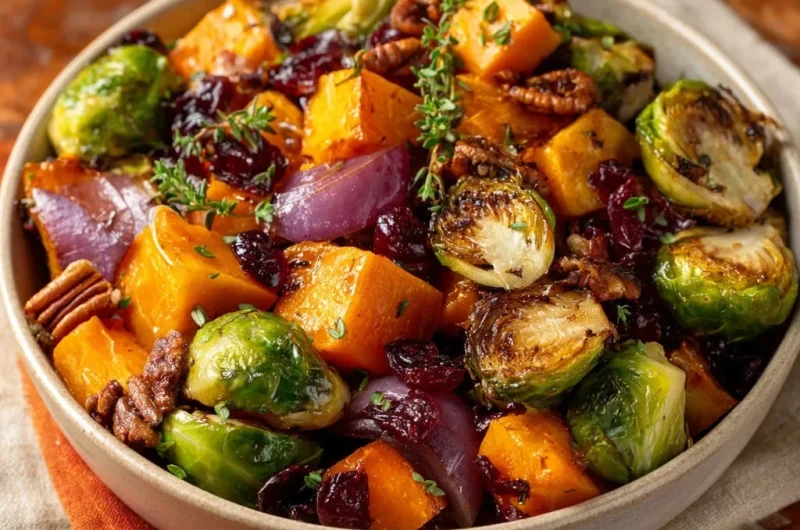
Harvest Veggies
Course: Side DishCuisine: AmericanDifficulty: easy6
servings20
minutes35
minutes240
kcal60
minutesUsed to dread roasting vegetables? This recipe shares the simple trick to getting beautiful, golden-brown edges and tender insides every single time. Say goodbye to soggy messes and hello to perfectly caramelized butternut squash and Brussels sprouts.
Ingredients
Butternut squash, 2 pounds, peeled, seeded, and cut into 1-inch cubes
Brussels sprouts, 1 pound, trimmed and halved
Red onion, 1 large, cut into 1-inch wedges
Olive oil, 3 tablespoons
Maple syrup, 1 tablespoon
Dried cranberries, 1/2 cup
Pecan halves, 1/2 cup
Fresh thyme sprigs, 4-5
Salt, 1 teaspoon, or to taste
Black pepper, 1/2 teaspoon, or to taste
Directions
- Preheat your oven to 400°F (200°C). Prepare two large baking sheets by lining them with parchment paper for easy cleanup. The key to perfectly roasted vegetables is giving them space, so using two pans prevents overcrowding and steaming.
- In a very large bowl, combine the cubed butternut squash, halved Brussels sprouts, and red onion wedges. Drizzle with the olive oil and maple syrup. Sprinkle generously with salt and black pepper. Toss everything together until all the vegetables are evenly coated.
- This is the most important step for caramelization and preventing sogginess: Divide the seasoned vegetables evenly between the two prepared baking sheets. Spread them out in a single layer, ensuring there is plenty of space around each piece. Do not overcrowd the pans; if necessary, use a third sheet. This open space allows the vegetables to roast and brown, rather than steam.
- Place both baking sheets in the preheated oven. Roast for 20 minutes.
- After 20 minutes, remove the pans from the oven. Gently toss the vegetables on each sheet. Distribute the dried cranberries and pecan halves over the vegetables. Add the fresh thyme sprigs.
- Return the baking sheets to the oven and continue roasting for another 15 to 20 minutes, or until the vegetables are fork-tender and beautifully caramelized with golden-brown edges. The Brussels sprouts should be nicely browned and slightly crisp, and the squash tender.
- Remove from the oven, remove the thyme sprigs if desired, and serve immediately as a delicious side dish.
Notes
- The key to perfect caramelization is ensuring vegetables are spread in a single layer without overcrowding the baking sheets.