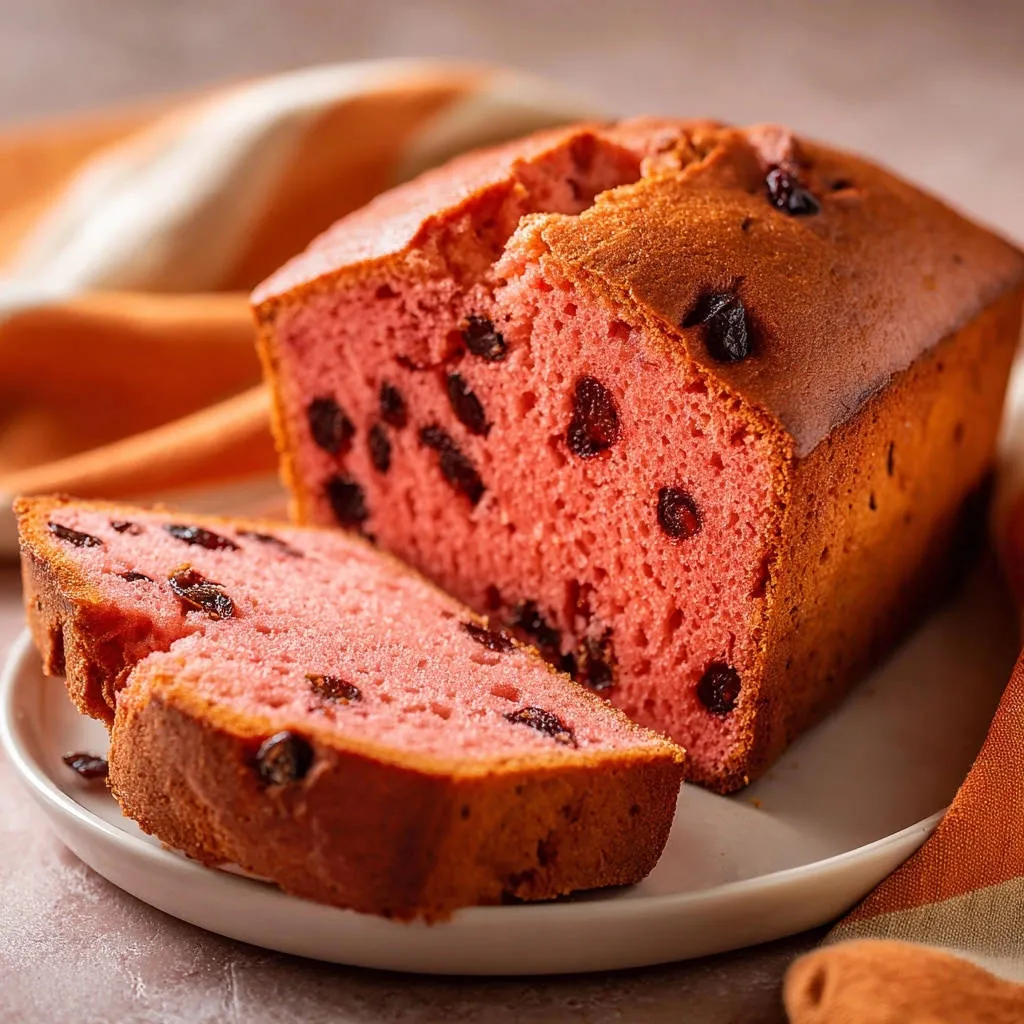
There’s nothing quite like a slice of homemade loaf cake, but achieving a perfectly moist texture can feel like a genuine baking challenge. I’ve faced countless dry loaves in my kitchen, but after years of experimenting, I finally cracked the code to ensure a truly tender, flavorful, and Perfectly Moist Pink Raisin Loaf every single time.
This recipe isn’t just about delicious taste; it incorporates a simple, yet transformative, mixing method that guarantees a wonderfully soft crumb, kissed with the subtle sweetness of raisins and a charming optional pink hue. Get ready to bake a loaf that will impress everyone, from breakfast to an afternoon treat.
For a similar comforting spice experience, explore old-fashioned gingerbread cake.
Why This Perfectly Moist Pink Raisin Loaf is Your New Baking Obsession
This isn’t just another quick bread recipe; it’s a solution to the common “dry loaf” dilemma. Our unique alternating mixing method is the secret weapon, guaranteeing a consistently tender crumb that melts in your mouth.
The result is a loaf that’s incredibly soft and never dense. Plus, the optional touch of pink food coloring adds a delightful visual appeal, making it perfect for gifting or special occasions.
Beyond its incredible texture, this Perfectly Moist Pink Raisin Loaf is surprisingly versatile. Enjoy it plain, lightly toasted, or dressed up with your favorite spread.
For another moist treat, check out this moist chocolate bundt cake.
Gathering Your Ingredients for Loaf Perfection
Starting with the right ingredients, and knowing their purpose, sets the foundation for a flawless loaf. Quality matters, and a few simple considerations can make all the difference.
Pantry Staples for Structure and Rise
All-purpose flour forms the essential structure of our loaf, providing the necessary foundation. Baking powder and baking soda are the critical leavening agents, working together to give the loaf its beautiful, airy rise and tender crumb.
Salt enhances all the flavors, balancing the sweetness and bringing out the best in every ingredient.
The Moisture Makers: Butter, Eggs, and Buttermilk
Softened unsalted butter creates a rich, tender base, contributing significantly to the loaf’s moisture and flavor. Room temperature eggs emulsify better with the butter and sugar, leading to a smoother, more uniform batter.
Buttermilk is the true star for moisture here. Its acidity reacts with the baking soda, creating a light texture, while its unique proteins ensure an incredibly tender and moist crumb. If you don’t have buttermilk, a quick homemade version using regular milk and white vinegar works perfectly.
Sweetness, Flavor, and That Signature Pink Hue
Granulated sugar provides the perfect level of sweetness, contributing to both flavor and the loaf’s tender texture. Pure vanilla extract adds warmth and depth, enhancing the overall aroma and taste.
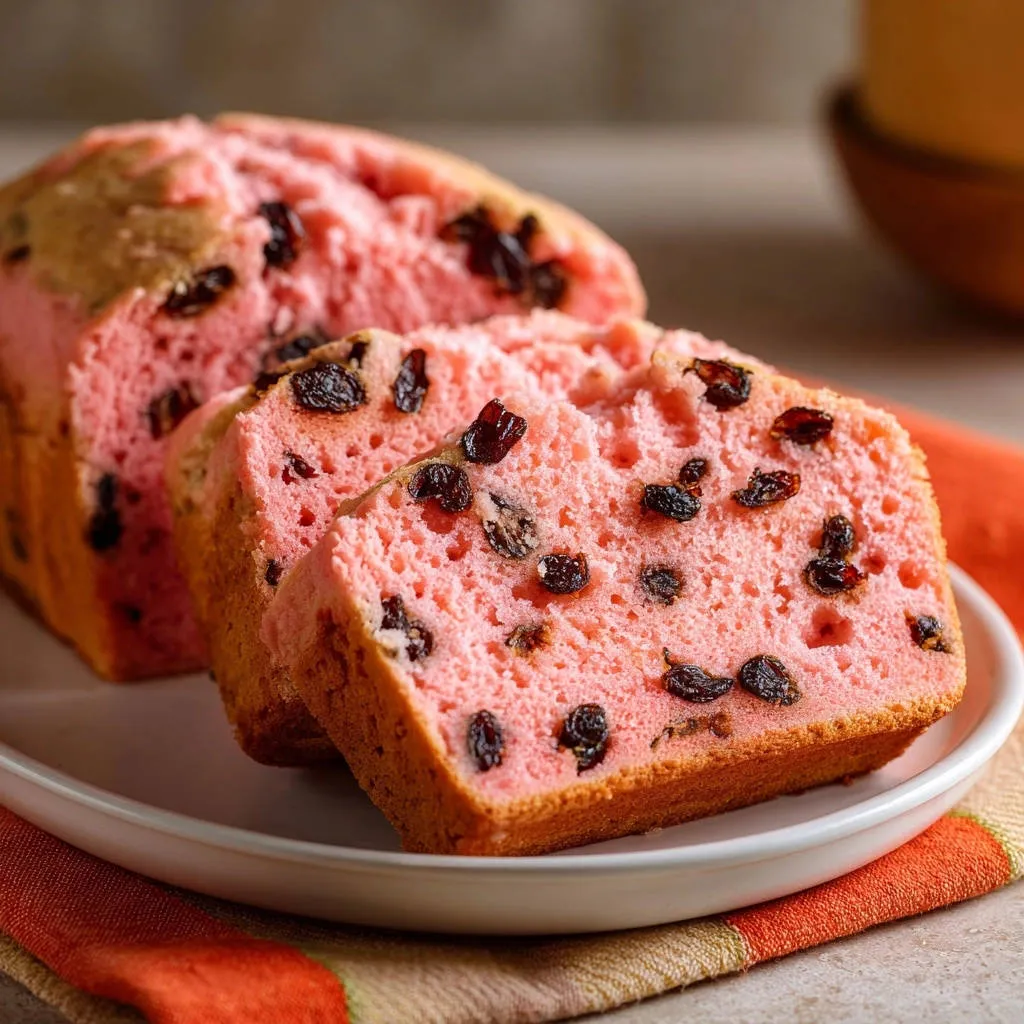
Raisins offer bursts of natural sweetness and a pleasant chewiness throughout the loaf. The few drops of red or pink food coloring are optional but transform this into a charmingly Pink Raisin Loaf, perfect for adding a touch of whimsy.
Crafting Your Perfectly Moist Pink Raisin Loaf: A Detailed Guide
Each step in this recipe is designed to contribute to the ultimate moist and tender loaf. Pay attention to the details, especially the mixing method, for guaranteed success.
- Prepare Your Pan and Oven:
Preheat your oven to 350°F (175°C) to ensure it reaches the correct temperature before the batter goes in, promoting an even rise. Properly grease and flour a standard 9×5 inch loaf pan to prevent sticking and ensure easy release after baking.
- Whisk the Dry Ingredients:
In a medium bowl, thoroughly whisk together the all-purpose flour, baking powder, baking soda, and salt. This step is crucial for distributing the leavening agents evenly, preventing dense spots and ensuring a consistent rise throughout your loaf.
- Cream Butter and Sugar:
In a large bowl, using an electric mixer, cream the softened unsalted butter and granulated sugar for 3-5 minutes until the mixture is light and fluffy. This process incorporates air into the batter, which is fundamental for achieving a tender, airy crumb in your finished loaf.
- Incorporate Eggs and Vanilla:
Beat in the large eggs one at a time, mixing well after each addition to ensure they are fully incorporated and emulsified into the butter-sugar mixture. Stir in the vanilla extract, which adds a warm, aromatic depth to the loaf’s flavor profile.
- The Alternating Mixing Method (The Secret to Moisture!):
With your mixer on low speed, gradually add about one-third of the dry ingredient mixture to the wet ingredients, mixing just until almost combined. Next, slowly pour in half of the buttermilk, mixing until it’s just incorporated into the batter.
Repeat this process: add another third of the dry ingredients, then the remaining buttermilk, and finally the last third of the dry ingredients. This alternating method is key to preventing overmixing.
Mix only until the ingredients are just combined and no streaks of flour remain. Overmixing develops too much gluten, which will result in a dry, tough loaf – the opposite of a Perfectly Moist Pink Raisin Loaf.
- Add Optional Color and Raisins:
If you desire that charming pink hue, gently stir in a few drops of red or pink food coloring until the desired shade is reached. This is purely for visual appeal.
After coloring, gently fold in the raisins. Be careful not to overmix at this stage; a light touch ensures the raisins are evenly distributed without compacting the batter.
- Fill and Bake:
Pour the prepared batter evenly into your greased and floured loaf pan. Place it into the preheated oven.
Bake for 50-60 minutes, or until a wooden skewer inserted into the center comes out clean. Start checking for doneness around the 50-minute mark. To ensure a moist loaf, resist the urge to overbake!
- Cooling for Perfection:
Once baked, let the loaf cool in the pan for 10-15 minutes. This allows the loaf to firm up slightly and makes it easier to remove without breaking. Carefully transfer the loaf to a wire rack to cool completely.
Cooling completely on a wire rack prevents condensation and sogginess, ensuring the crust remains perfect and the crumb sets beautifully.
Mastering the Moist Crumb: Expert Tips for Success
Achieving a truly tender and moist loaf is an art, but these expert tips will guide you to perfection every time.
Don’t Overmix the Batter: This is arguably the most crucial tip for any quick bread, especially for our Perfectly Moist Pink Raisin Loaf. Overmixing develops gluten, leading to a tough, dry texture. Mix only until ingredients are just combined, with no visible streaks of flour.
The Magic of Buttermilk: Buttermilk is your best friend for moisture. Its acidity tenderizes the gluten in the flour and reacts with baking soda, creating tiny air bubbles that result in a light, soft crumb. Do not skip or substitute without understanding its unique role.
Room Temperature Ingredients Matter: Ensure your butter and eggs are at room temperature. Softened butter creams smoothly with sugar, incorporating more air. Room temperature eggs emulsify better into the batter, leading to a more uniform and tender texture throughout the loaf.
Know Your Oven: Ovens can vary significantly. Using an oven thermometer provides an accurate reading, preventing under or overbaking. Always rely on visual cues (golden brown crust, clean skewer) over just the timer for true doneness.
Cooling is Crucial: While tempting to slice right away, letting the loaf cool partially in the pan and then completely on a wire rack is vital. This allows the internal structure to set and prevents the bottom from becoming soggy, locking in that desirable moisture.
Prevent Raisin Sinking: To keep your raisins evenly dispersed throughout the loaf rather than sinking to the bottom, toss them lightly with a teaspoon of flour before folding them into the batter. This thin coating helps them suspend more evenly.
Troubleshooting Common Loaf Cake Woes
Even seasoned bakers encounter issues. Here are solutions to common problems that might arise when making your Perfectly Moist Pink Raisin Loaf.
Why is My Perfectly Moist Pink Raisin Loaf Dry?
A dry loaf is typically the result of overmixing the batter, which develops too much gluten and creates a tough texture. It can also be caused by overbaking, so always check for doneness at the earliest recommended time.
My Loaf Sank in the Middle! What Happened?
A sunken middle often indicates undercooking, meaning the center didn’t have enough time to set. It can also be caused by opening the oven door too frequently during baking, sudden temperature drops, or too much leavening agent.
Uneven Baking: Brown Edges, Raw Center?
This issue can point to hot spots in your oven; consider rotating the pan halfway through baking. Using a dark metal loaf pan can also lead to browner edges; light-colored pans bake more evenly. Ensure your loaf pan size is correct, as an oversized pan can cause thinner areas to overcook.
My Raisins Sunk to the Bottom!
Raisins sinking is a common problem. To prevent this, lightly toss your raisins in a tablespoon of the dry flour mixture before folding them into the batter. This light coating helps them stay suspended throughout the loaf.
Frequently Asked Questions About This Pink Raisin Loaf
Can I substitute ingredients in this Perfectly Moist Pink Raisin Loaf recipe?
For the buttermilk, you can absolutely use the trick mentioned: mix 1 cup of regular milk with 1 tablespoon of white vinegar and let it sit for 5 minutes until it curdles. As for other ingredients, butter and eggs are crucial for this loaf’s texture, so avoid major substitutions there. If you enjoy other quick breads, you might find similar helpful tips in our Lemon Loaf Cake recipe.
How can I make this loaf gluten-free?
To make this a gluten-free Pink Raisin Loaf, substitute the all-purpose flour with a 1:1 gluten-free baking blend that contains xanthan gum. Ensure your blend is suitable for quick breads, as some can absorb liquid differently. Always follow the specific instructions on your chosen GF flour blend.
What other mix-ins can I use instead of raisins?
While raisins are classic, feel free to get creative! Dried cranberries, chopped dried apricots, mini chocolate chips, or finely chopped nuts like pecans or walnuts make excellent alternatives. Just ensure the quantity remains about 1/2 cup to maintain the batter’s consistency.
Can I make this loaf ahead of time?
You can mix the dry ingredients and store them, or prepare the buttermilk ahead of time. However, it’s best to bake the loaf the day you plan to serve it for optimal freshness. For baked goods you can prepare far in advance, consider exploring options like Classic Banana Bread which freezes beautifully.
How should I store the Perfectly Moist Pink Raisin Loaf to keep it fresh?
To maintain its perfectly moist texture, store the completely cooled loaf tightly wrapped in plastic wrap or in an airtight container at room temperature for up to 3-4 days. This protects it from drying out and keeps it tender.
Can I freeze this Pink Raisin Loaf?
Yes, this Pink Raisin Loaf freezes wonderfully! Once completely cooled, wrap the entire loaf or individual slices tightly in plastic wrap, then again in aluminum foil. Freeze for up to 2-3 months. Thaw at room temperature when ready to enjoy.
Serving Suggestions and Storage for Your Delicious Loaf
Once your Perfectly Moist Pink Raisin Loaf is baked and cooled, the real enjoyment begins! Here are some ideas for savoring every slice.
What to Try Next
If you enjoyed this pink raisin loaf, consider these other baked goods.
- For a sweet morning treat, try these glazed carrot walnut muffins that share the moist, tender texture you loved.
- If you’re in the mood for breakfast pastries, these fluffy cranberry maple pancakes offer a similar comforting sweetness.
Perfect Pairings: Enjoying Your Perfectly Moist Pink Raisin Loaf
This loaf is incredibly versatile. Enjoy a slice plain with your morning coffee or tea for a comforting start to the day. It also makes a fantastic snack or a light, satisfying dessert.
For an extra touch, spread a pat of softened butter, a dollop of cream cheese, or a simple lemon glaze over a warm slice. The subtle sweetness of the raisins pairs beautifully with these additions.
Keeping It Fresh: Storage Tips
To ensure your loaf retains its signature moisture and stays fresh for as long as possible, proper storage is key. After it has cooled completely, wrap the entire loaf tightly in plastic wrap.
Alternatively, place it in an airtight container. Store at room temperature for up to 3-4 days. Avoid refrigeration, as it can dry out quick breads.
Make-Ahead & Freezing Instructions
While fresh is always best, this loaf can be prepared ahead. You can whisk together the dry ingredients days in advance. Once baked, if you need to store it longer, the loaf freezes exceptionally well.
Ensure the loaf is completely cool, then wrap it tightly in plastic wrap and then in aluminum foil. Freeze for up to 2-3 months. Thaw at room temperature overnight, and it will taste almost as fresh as the day it was baked.
Ready to Bake? Share Your Perfectly Moist Pink Raisin Loaf Masterpiece!
You now have all the tools and expertise to bake the most delightful, Perfectly Moist Pink Raisin Loaf imaginable. That “simple trick” of alternating wet and dry ingredients truly makes all the difference, transforming a good loaf into an unforgettable one.
Don’t just take my word for it-try this recipe yourself! I encourage you to whip up a batch and share your successes. Snap a photo of your beautiful loaf and tag us on social media, or leave a comment below to let us know how your baking adventure turned out. Happy baking!
Pink Raisin Loaf
Course: BakingCuisine: AmericanDifficulty: medium1
loaf (8-10 servings)20
minutes50
minutes350
kcal60
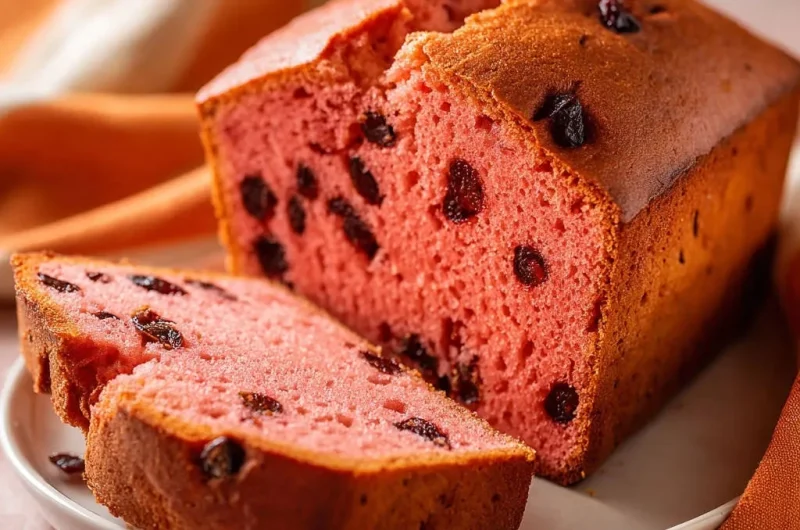
minutesDiscover the ultimate trick for a perfectly moist homemade loaf cake. This simple recipe ensures a tender crumb every time, featuring delightful raisins and a hint of color. Say goodbye to dry bakes!
Ingredients
2 cups all-purpose flour
1 teaspoon baking powder
1/2 teaspoon baking soda
1/4 teaspoon salt
1 cup granulated sugar
1/2 cup (1 stick) unsalted butter, softened
2 large eggs
1 teaspoon vanilla extract
1 cup buttermilk (or regular milk with 1 tablespoon white vinegar mixed in)
1/2 cup raisins
A few drops of red or pink food coloring (optional, for color)
Directions
- Preheat your oven to 350°F (175°C). Grease and flour a standard 9×5 inch loaf pan.
- In a medium bowl, whisk together the flour, baking powder, baking soda, and salt. Set aside.
- In a large bowl, using an electric mixer, cream together the softened butter and granulated sugar until light and fluffy, about 3-5 minutes. This creates tiny air pockets that contribute to a tender crumb.
- Beat in the eggs one at a time, mixing well after each addition. Stir in the vanilla extract.
- With the mixer on low speed, gradually add about one-third of the dry ingredient mixture to the wet ingredients, mixing just until almost combined.
- Then, slowly pour in half of the buttermilk, mixing until just incorporated. Repeat this process, adding another third of the dry ingredients, then the remaining buttermilk, and finally the last third of the dry ingredients. This alternating method helps prevent overmixing and keeps the batter light.
- The key here is to mix only until the ingredients are just combined and no streaks of flour remain. Overmixing develops too much gluten, which leads to a dry, tough cake.
- If using, stir in a few drops of red or pink food coloring until the desired shade is reached.
- Gently fold in the raisins.
- Pour the batter evenly into the prepared loaf pan.
- Bake for 50-60 minutes, or until a wooden skewer inserted into the center comes out clean. To ensure a moist loaf, do not overbake! Start checking at 50 minutes.
- Let the loaf cool in the pan for 10-15 minutes before carefully removing it to a wire rack to cool completely.
Notes
- Do not overmix or overbake for the perfect moist texture.