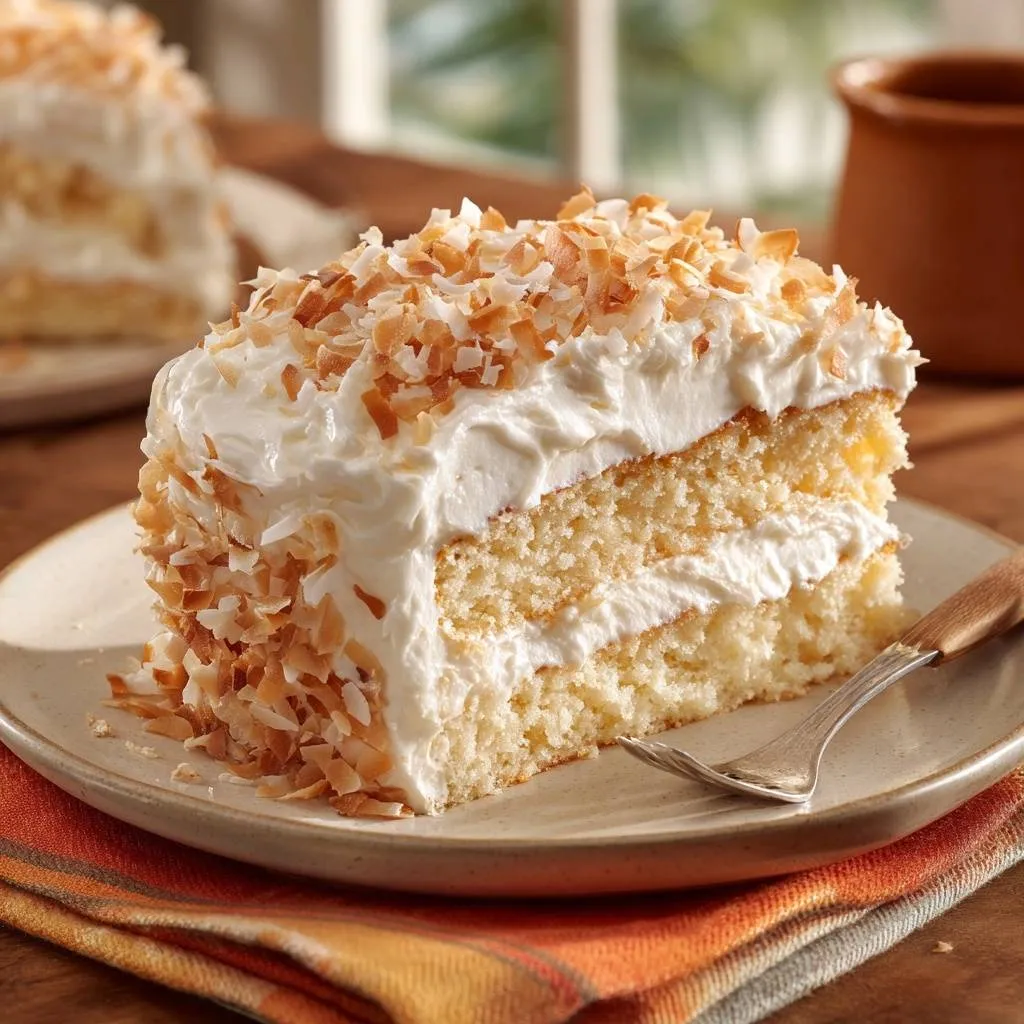
Ever cut into a pineapple coconut cake only to find all the fruit sunk to the bottom in a soggy mess? You know the drill: dense layers up top, a mushy fruit puddle below. This recipe fixes that frustration for good with one simple trick.
Coating the drained pineapple chunks in flour creates a barrier. It absorbs excess moisture and keeps the fruit suspended evenly throughout fluffy layers. Suddenly, every bite bursts with tropical pineapple in a light, tender crumb.
Here’s the expertise booster: pat the pineapple dry after draining, then toss it thoroughly in those two tablespoons of flour. That step locks in perfect distribution. You’ll get that golden, toasted coconut exterior crowning moist, fruit-filled perfection.
Why Pineapple Coconut Cake Demands Precision
Fruit in cake batter sinks because of moisture migration. Pineapple releases juice into the mix, weighing down the chunks until they drop. This recipe’s flour coating acts as a shield, preventing sogginess and ensuring even pineapple coconut cake layers.
Additionally, pineapple’s acidity reacts with baking soda to produce lift. That chemical boost creates CO2 bubbles for fluffiness. Baking powder adds extra insurance against flat results.
Moisture Balance in Fruit-Loaded Batters
Excess pineapple juice breaks the batter’s emulsion. Drained and patted-dry fruit weighs less and releases slower. You’ll notice the batter stays thick and holds the chunks in place.
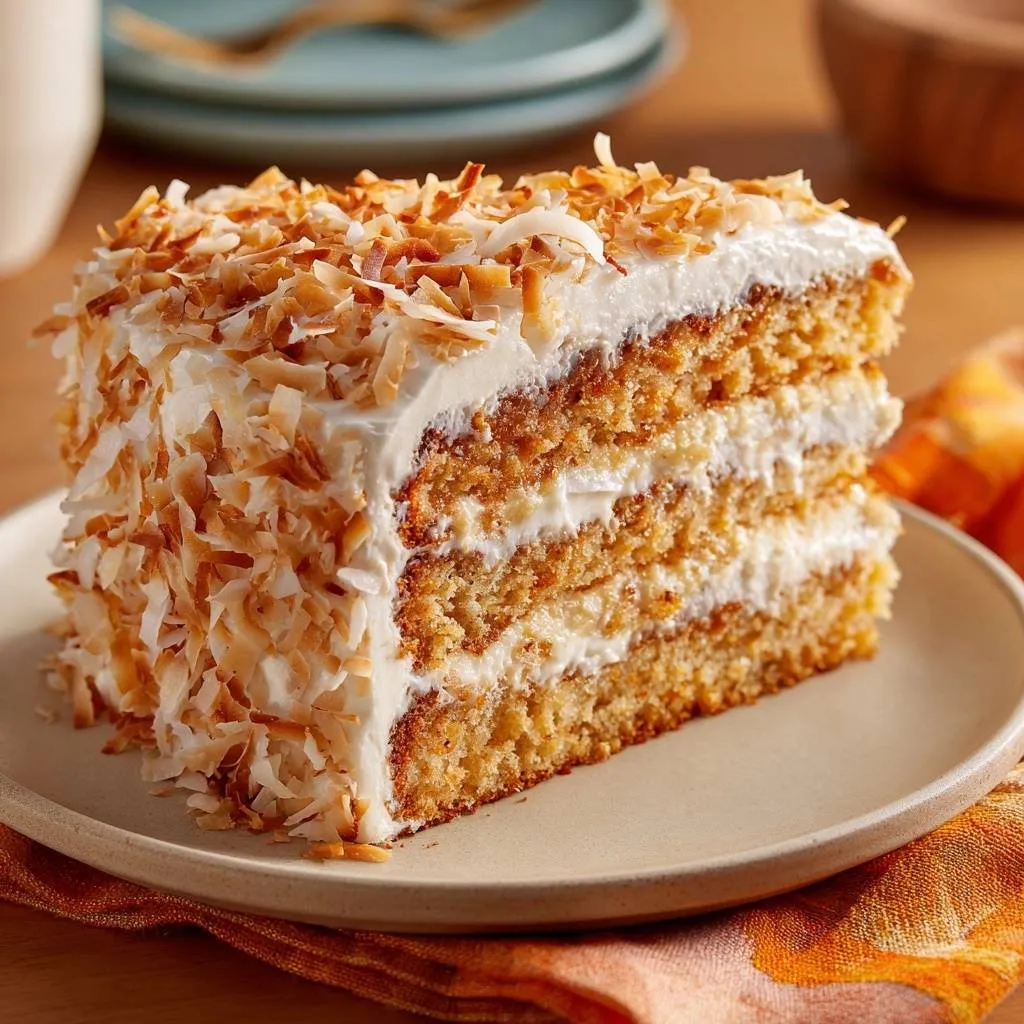
Therefore, use a colander first, then paper towels. Press gently to wick away hidden moisture. This keeps your pineapple coconut cake from turning gummy.
Acidity’s Role in Pineapple Coconut Cake Rise
Pineapple’s natural acids trigger baking soda, releasing gas for rise. In addition, baking powder provides reliable lift even if fruit varies. The combo guarantees tall, airy layers.
Fresh pineapple works best here. Its pH hits the sweet spot for maximum fluff without collapse.
Key Ingredients for Flawless Pineapple Coconut Cake
You’ll need all-purpose flour, sugar, eggs, vegetable oil, leaveners, salt, vanilla, a 20-oz can of pineapple chunks, cream cheese, butter, powdered sugar, heavy cream, and sweetened flaked coconut. Each plays a role in moisture control and flavor punch.
Vegetable oil keeps the crumb moist without butter’s density issues. Room-temp eggs emulsify smoothly for even texture. The hero? Those two tablespoons of flour for coating pineapple, stopping sinkage dead.
No canned pineapple? Fresh works if you drain it well. For frosting, full-fat cream cheese holds up in humidity. Toast the coconut yourself for nutty depth that raw flakes lack.
Cake Base: Building Light, Sturdy Structure
Flour provides structure, sugar tenderizes, and oil traps moisture. Leaveners react with pineapple acids for lift. Salt balances sweetness in this pineapple coconut cake.
Pineapple Prep: The No-Sink Coating Secret
Drain chunks, pat dry, then toss in flour. Starch absorbs juice, matching the fruit’s density to batter. Cornstarch swaps in if you’re low on flour.
For another perfectly smooth treat, check out these red velvet cheesecake balls.
Cream Cheese Frosting and Toasted Coconut Finish
Cream cheese adds tang and stability. Heavy cream whips it fluffy for spreading. Toasted coconut brings crunch and aroma that elevates the whole pineapple coconut cake.
Essential Tools for Pineapple Coconut Cake Success
Grab two 9-inch round pans for even baking. A stand mixer handles gentle mixing without overdeveloping gluten. Wire racks speed cooling to prevent soggy bottoms.
In addition, a colander drains pineapple fast. Non-stick spray plus flour ensures clean release. Budget pans work fine; just avoid dark ones that overbrown edges.
Mastering the Batter: Step-by-Step Pineapple Coconut Cake
Prep and Preheat: Oven to 350 Degrees
Preheat to 350°F. Grease and flour pans thoroughly. Drain pineapple in a colander, pat dry with towels, then coat evenly in two tablespoons flour. You’ll smell faint sweetness already.
Mixing Dry and Wet for Emulsion
Whisk flour, sugar, baking powder, soda, and salt in a large bowl. Add eggs, oil, and vanilla. Mix on low just until combined; overmixing toughens the crumb.
Folding Coated Pineapple Evenly
Gently fold in pineapple with a spatula. Use broad strokes to distribute without deflating air. The coating keeps chunks afloat for uniform bites.
Baking and Cooling Layers Perfectly
Divide batter evenly. Bake 25-30 minutes until a toothpick pulls clean. Cool in pans 10 minutes, then racks fully. This stops condensation from softening layers.
Crafting Stable Cream Cheese Coconut Frosting
Beat softened cream cheese and butter until creamy. Gradually add powdered sugar to dodge lumps, then vanilla and cream. Whip to fluffy peaks; it’ll hold shape on your pineapple coconut cake.
Pro tip: chill frosting 15 minutes if too soft. Yields enough for a two-layer cake with smooth application. Grainy? Soften ingredients fully next time.
Assembly: Layering Pineapple Coconut Cake
Place one layer on a plate. Spread one cup frosting evenly. Top with second layer, then frost top and sides smooth.
Toast coconut at 350°F for 8-10 minutes, stirring halfway to golden. Press onto cake gently. Store in fridge up to five days; flavors deepen beautifully.
The Science of No-Sink Pineapple in Coconut Cake
Flour coating binds pineapple juice via starch gelatinization. It raises the fruit’s specific gravity to match batter, defying buoyancy physics. No more sinkage in your pineapple coconut cake.
Humidity? The barrier blocks moisture transfer too. Coated fruit stays perky; uncoated sinks fast.
Flour Coating Buoyancy Mechanics
Coated pineapple density hovers near batter’s 1.0 specific gravity. Uncoated drops quicker due to juice drag. Test it: coated holds position through baking rise.
Avoiding Pitfalls in Pineapple Coconut Cake
Common fails include undrained fruit, overmixing, frosting hot layers, skipping toast, and uneven batter split. Fixes keep your cake flawless.
Therefore, always drain well and mix minimally. Cool fully before frosting. Even layers bake uniformly.
Overmixing and Dense Texture Fixes
Overmixing builds gluten for chewiness. Stop at combined stage; lumps vanish in baking. Batter thickens slightly but stays scoopable.
Sogginess from Pineapple Juice
Weigh pineapple pre- and post-drain; lose half the weight in juice. Paper towels absorb the rest. Dry fruit means stable batter.
Flavor Twists on Pineapple Coconut Cake
Crush pineapple for finer texture. Add lime zest for zing. Swap in coconut milk for richer moisture.
Macadamia nuts add crunch. Gluten-free flour works one-to-one. Ginger spice brings warmth without overpowering.
Perfect Pairings for Pineapple Coconut Cake
Iced tea cuts richness perfectly. Coffee balances tropical sweetness. Blend a pineapple smoothie for full immersion.
Serve at luaus or picnics. Fresh pineapple spears on side amp the vibe.
Storage and Make-Ahead for Pineapple Coconut Cake
Fridge airtight up to five days. Freeze unfrosted layers wrapped tightly for two months. Thaw overnight, then frost.
Frosting stays stable chilled. Bring to room temp before serving for best spread.
Pineapple Coconut Cake Troubleshooting
How do I store Pineapple Coconut Cake leftovers?
Store slices in an airtight container in the fridge for up to five days. The cream cheese frosting firms up but softens at room temp for 30 minutes before eating. Freeze unfrosted layers wrapped in plastic and foil for two months; thaw in fridge overnight. Avoid freezing frosted cake as condensation ruins texture. Pro tip: portion before freezing for easy grabs.
Why did the pineapple sink in my Pineapple Coconut Cake?
Sinking happens from excess moisture dragging fruit down. Always drain thoroughly in a colander, pat dry with paper towels, and coat evenly in two tablespoons flour. This starch barrier matches density to batter and absorbs juice. Skip it, and chunks plummet during rise. Test: batter holds coated fruit suspended visibly before baking.
Can I substitute ingredients in Pineapple Coconut Cake?
Swap vegetable oil for coconut oil at room temp for more flavor. Use gluten-free 1:1 flour blend; add one extra tablespoon for structure. No cream cheese? Greek yogurt mixes in but thin frosting with less cream. Fresh pineapple replaces canned if diced and drained extra well. Avoid butter in batter; it densifies with fruit moisture.
Why is my Pineapple Coconut Cake dense or dry?
Density comes from overmixing, activating gluten. Mix low speed just to combine; lumps bake out. Dryness? Check oven temp with thermometer and don’t overbake past toothpick clean. Oil keeps it moist; measure precisely. Undrained pineapple steals moisture too, so pat dry religiously.
How do I fix runny frosting on Pineapple Coconut Cake?
Runny frosting lacks chill or has warm ingredients. Soften cream cheese and butter to cool room temp, beat smooth, then add powdered sugar slowly. Chill 15-20 minutes to firm before spreading. Too much cream? Powdered sugar thickens it back. In humidity, fridge the assembled cake 30 minutes post-frosting.
Why won’t coconut stick to my Pineapple Coconut Cake?
Frosting needs tackiness; apply thin crumb coat first, chill 10 minutes, then full frost. Press toasted coconut gently while frosting’s soft. If dry, brush cake sides with simple syrup or cream for adhesion. Toast fresh each time; old coconut sheds instead of sticks.
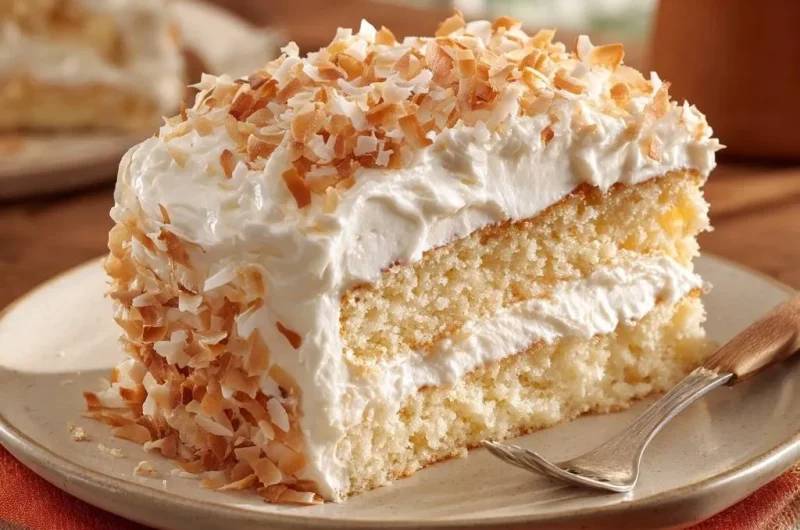
Pineapple Coconut Cake
Course: DessertCuisine: AmericanDifficulty: easy12
servings20
minutes30
minutes450
kcal60
MinutesTired of pineapple chunks sinking to the bottom of your cake? This recipe uses a foolproof trick: coating the drained pineapple in flour before folding it in. It locks in perfect distribution, moisture balance, and fluffy texture every single time.
Ingredients
Cake:
2 cups all-purpose flour
1 1/2 cups granulated sugar
3 large eggs
1 cup vegetable oil
1 teaspoon baking powder
1 teaspoon baking soda
1/2 teaspoon salt
1 teaspoon vanilla extract
1 can (20 oz) pineapple chunks, drained well
2 tablespoons all-purpose flour (for coating pineapple)
Frosting:
8 oz cream cheese, softened
1/2 cup unsalted butter, softened
4 cups powdered sugar
1 teaspoon vanilla extract
2 tablespoons heavy cream
Topping:
1 1/2 cups sweetened flaked coconut, toasted
Directions
- Preheat oven to 350 degrees F. Grease and flour two 9-inch round cake pans.
- Drain pineapple chunks thoroughly using a colander, then pat dry with paper towels to remove excess juice. This prevents sogginess.
- In a small bowl, toss drained pineapple with 2 tablespoons flour until evenly coated. Set aside. This key step absorbs moisture, prevents sinking, and ensures fruit stays suspended in fluffy layers.
- In a large bowl, whisk together flour, sugar, baking powder, baking soda, and salt.
- Add eggs, oil, and vanilla to dry ingredients. Mix on low speed until just combined, about 1 minute. Do not overmix to keep texture light.
- Gently fold in coated pineapple chunks until distributed. The flour coating guarantees no sinking fruit and even pineapple in every bite.
- Divide batter evenly between prepared pans. Bake 25 to 30 minutes until toothpick inserted in center comes out clean. Cool in pans 10 minutes, then transfer to wire racks to cool completely.
- For frosting, beat cream cheese and butter until smooth. Gradually add powdered sugar, vanilla, and heavy cream. Beat until fluffy.
- Place one cake layer on serving plate. Spread with 1 cup frosting. Top with second layer. Frost top and sides.
- Spread toasted coconut evenly over top and sides, pressing lightly to adhere. Toast coconut by spreading on baking sheet and baking at 350 degrees F for 8 to 10 minutes, stirring halfway, until golden.
- Slice and enjoy perfect, fruit-filled layers that never sink!
Notes
- Key trick: Coat drained pineapple in 2 tbsp flour to prevent sinking and ensure even distribution. Toast coconut at 350°F for 8-10 minutes, stirring halfway, until golden.