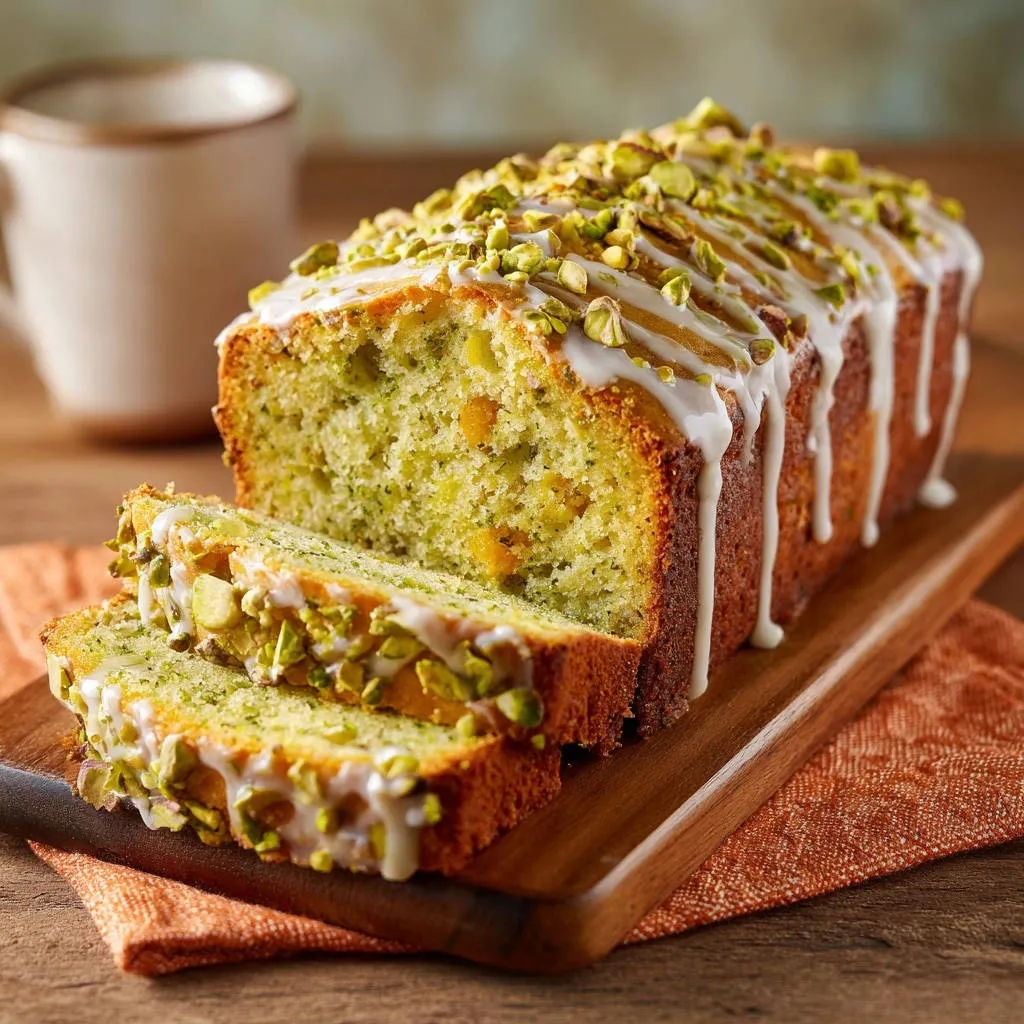
There’s nothing quite as disappointing as slicing into what you thought was a beautiful loaf cake, only to discover it’s dry and crumbly. I’ve been there countless times, but after much experimentation, I finally perfected this incredible Pistachio Citrus Loaf recipe.
This recipe consistently delivers an exceptionally moist, tender crumb, thanks to a few clever techniques and specific ingredient choices. Get ready to bake a bakery-quality treat that stays fresh for days and will impress everyone who tries it.
Beyond Basic: Why This Pistachio Citrus Loaf Wins Every Time
The “Never Dry” Secret: Unlocking Unmatched Moisture
The magic behind this loaf’s incredible moisture lies in a strategic combination of fats and a special ingredient. We use softened unsalted butter for rich flavor, vegetable oil for ultimate tenderness, and plain whole milk yogurt for a subtle tang and unparalleled moisture.
This trio ensures a crumb that’s not just moist today, but stays that way for days after baking. It’s the ultimate solution to the common quick bread dilemma of dryness.
A Symphony of Flavors: Pistachio, Citrus, and Subtle Sweetness
This Pistachio Citrus Loaf is a delightful dance of textures and tastes. Earthy, nutty pistachios are beautifully complemented by the bright, zesty notes of fresh lemon or orange.
For a similar citrus and fruit combination, consider this blueberry orange crumb loaf next.
A balanced sweetness ties everything together without being cloying, creating a sophisticated flavor profile. The optional candied orange peel adds an extra layer of gourmet appeal.
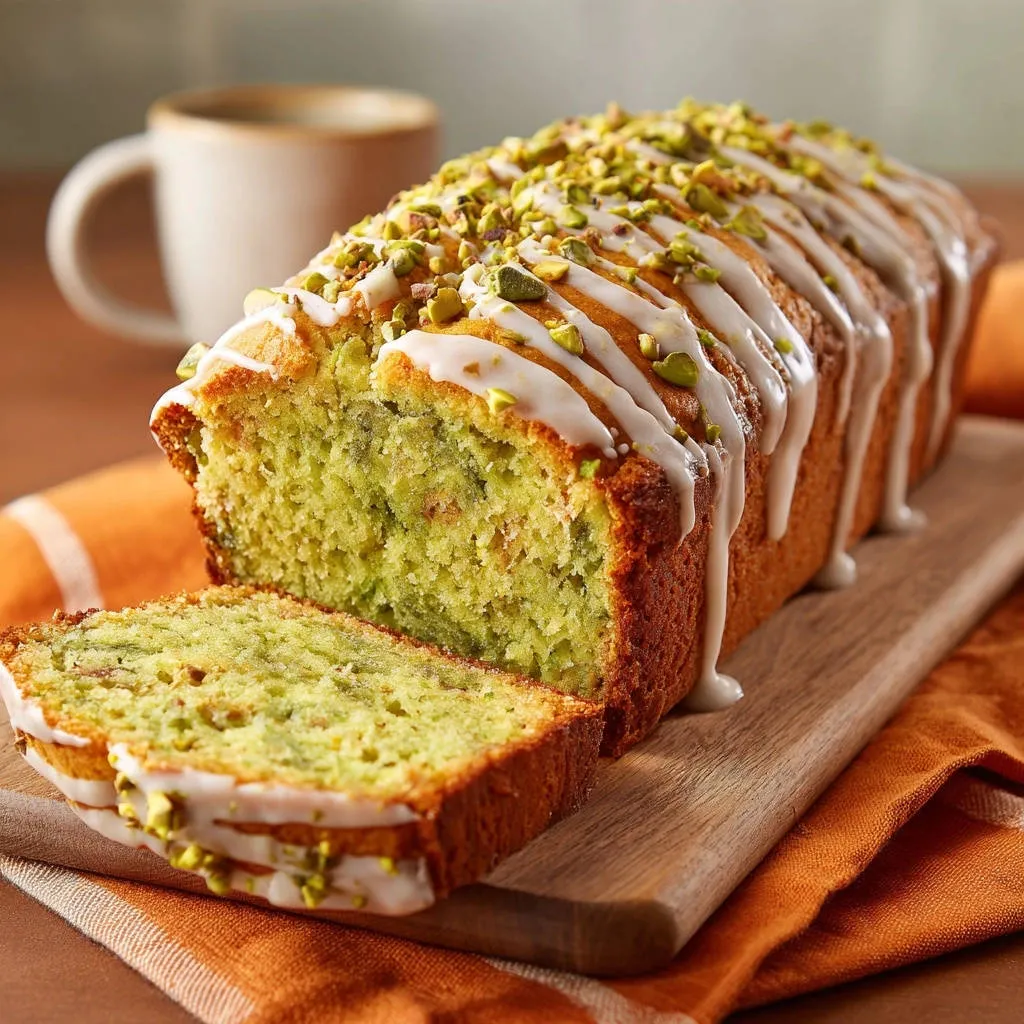
Effortless Elegance: Bakery-Quality Results for Any Home Baker
Despite its luxurious taste and appearance, this recipe is surprisingly straightforward, making it accessible for bakers of all skill levels. With clear steps and helpful tips, you can achieve a professional-looking and tasting loaf right from your home kitchen.
It’s an impressive centerpiece for brunch, a wonderful gift, or simply a perfect indulgence with your afternoon tea.
The Building Blocks of Flavor: Essential Ingredients List
Flour, Leavening, and Salt: Your Dry Mix Foundation
All-purpose flour provides the essential structure for our loaf. Using a standard flour ensures a tender yet sturdy crumb that holds up beautifully.
Baking powder is our primary leavening agent, responsible for the loaf’s rise and light texture. Salt balances the sweetness and enhances all the other flavors.
The Moisture Trio: Butter, Oil, and Yogurt Explained
Softened unsalted butter contributes rich, classic flavor and tenderness. Pairing it with vegetable oil is crucial; the oil ensures a moist crumb that remains soft for an extended period.
Plain whole milk yogurt (or sour cream) is a game-changer. It adds incredible moisture and a slight tang, tenderizing the crumb without making the loaf heavy.
Brightening Notes: Citrus Zest and Vanilla
Lemon zest (or orange zest) infuses the loaf with a vibrant, fresh aroma and bright flavor that cuts through the richness. Always use fresh zest for the most impactful citrus notes.
Vanilla extract adds a foundational warmth and depth, rounding out the flavor profile beautifully. Opt for a good quality pure vanilla extract for the best results.
Pistachios: The Star of the Show (Ground & Chopped)
We use pistachios in two forms: finely ground pistachios are incorporated directly into the batter, contributing a beautiful green hue and nutty flavor throughout the loaf.
Chopped pistachios are reserved for sprinkling on top, providing a delightful textural contrast and an attractive garnish. This dual approach maximizes pistachio presence.
Optional Flavor Pop: Candied Orange Peel
Finely chopped candied orange peel is an optional but highly recommended addition. These sweet, chewy “flavor bits” add bursts of intense citrus and a pleasant chewiness that elevates the loaf’s complexity.
If you don’t have it, the loaf is still fantastic, but it truly adds a special touch.
The Sweet Crown: Glaze Ingredients
The simple yet elegant glaze is made from just two ingredients. Powdered sugar provides the sweetness and body, creating a smooth, quick-setting topping.
Fresh lemon juice (or orange juice) adds a tangy counterpoint and helps create the perfect pourable consistency. The fresh juice ensures a bright, clean citrus finish.
Your Kitchen Arsenal: Essential Baking Tools
Pan Perfection: Choosing and Preparing Your Loaf Tin
A standard 9×5 inch loaf pan is ideal for this recipe, ensuring the perfect shape and bake time. The precise dimensions are key for consistent results.
Prepare your pan by thoroughly greasing and flouring it, or by lining it with parchment paper. Leaving a parchment overhang creates convenient “handles” for easy removal of the baked loaf.
Mixing for Success: From Bowls to Beaters
You’ll need a couple of medium to large mixing bowls for combining your wet and dry ingredients separately. A sturdy whisk is essential for aerating the dry mix and preparing the glaze.
An electric mixer (stand or hand-held) is highly recommended for creaming the butter, oil, and sugar, ensuring a light and fluffy base. This step is critical for the loaf’s tender texture.
Baking Brilliance: Your Step-by-Step Path to a Perfect Loaf
- Prepare for Baking: Oven and Pan Setup
Preheat your oven to 350°F (175°C) to ensure an even bake from the start. A consistent oven temperature is vital for proper rising.
Prepare a 9×5 inch loaf pan by thoroughly greasing and flouring it, or lining with parchment paper, leaving an overhang on the sides for easy lifting of the finished loaf.
- Combine Dry Ingredients
In a medium bowl, whisk together the all-purpose flour, baking powder, and salt.
This crucial step ensures even distribution of leavening agents and salt, preventing dense spots or uneven rising in your loaf.
- Cream Butter, Oil, and Sugar
In a large bowl, cream together the softened unsalted butter, vegetable oil, and granulated sugar using an electric mixer until the mixture is light and fluffy.
This combination creates pockets of air, which are foundational for the loaf’s tender texture and moist crumb.
- Incorporate Eggs Gradually
Beat in the eggs, one at a time, ensuring each is fully incorporated into the butter mixture before adding the next. This prevents the batter from curdling.
Scrape down the sides of the bowl as needed to ensure all ingredients are evenly mixed and no dry pockets remain.
- Stir in Wet Flavor Enhancers
Gently stir in the plain whole milk yogurt (or sour cream), vanilla extract, and lemon zest until just combined.
The yogurt is a secret ingredient, significantly boosting moisture and tenderness without making the loaf dense.
- Combine Wet and Dry Mixtures & Fold in Add-ins
Gradually add the dry ingredient mixture to the wet ingredients, mixing on low speed just until combined. Stop as soon as the flour streaks disappear.
Overmixing develops gluten, which leads to a tough, dry loaf; a light hand here is key to a tender texture.
Gently fold in the finely ground pistachios and chopped candied orange peel, if you’re using it, ensuring they are evenly distributed.
- Bake the Loaf
Pour the batter evenly into your prepared loaf pan and bake for 50-60 minutes.
Test for doneness by inserting a wooden skewer into the center; it should come out clean or with a few moist crumbs, but no wet batter.
Avoid overbaking, as this is the primary cause of dryness in quick breads, so keep a close eye on it towards the end of the baking time.
- Cool Before Glazing
Allow the loaf to cool in the pan for 10-15 minutes before carefully transferring it to a wire rack to cool completely. This prevents it from breaking apart.
It’s crucial for the loaf to cool completely on the rack before glazing to prevent the glaze from melting and becoming transparent, which can make it appear unappealing.
- Prepare the Citrus Glaze
While the loaf cools, whisk together the powdered sugar and fresh lemon or orange juice in a small bowl until smooth and lump-free.
Adjust the consistency by adding more juice sparingly for a thinner glaze, or more powdered sugar for a thicker one, aiming for a pourable but not watery texture that will cling to the loaf.
- Glaze and Garnish Your Masterpiece
Once the loaf is completely cool, drizzle the glaze generously over the top, allowing it to drip attractively down the sides for a beautiful, rustic look.
Immediately sprinkle with the remaining chopped pistachios for a beautiful finish, added crunch, and an unmistakable sign of the deliciousness within.
Slice, serve, and enjoy your perfectly moist Pistachio Citrus Loaf!
Chef’s Secrets: Elevate Your Pistachio Citrus Loaf Game
Mastering Moisture: The Butter-Oil-Yogurt Technique: The unique blend of softened butter for richness, vegetable oil for ultimate moisture, and plain yogurt for tenderness is the cornerstone of this recipe’s success. Don’t skip or drastically alter these ratios without understanding the profound impact on texture and freshness.
The Gentle Mix: Avoiding a Tough Loaf: Overmixing develops gluten in the flour, leading to a dense, chewy, and ultimately dry texture. Mix the dry and wet ingredients only until just combined; a few small lumps are perfectly fine and often preferred, indicating you haven’t overmixed.
Optimal Zest: Capturing Citrus Aroma: When zesting your lemon or orange, aim for only the bright, colored outer layer of the fruit. The white pith underneath can be quite bitter, so a light touch and careful technique are key to pure, vibrant citrus flavor without any unpleasant notes.
The Doneness Test: Achieving the Ideal Texture: Always rely on the wooden skewer test as your primary indicator of doneness. If it comes out with moist crumbs but no wet batter, your loaf is done. Slight underbaking can result in a gummy center, while overbaking is the quickest path to a dry loaf.
Crafting the Glaze: Consistency and Coverage: Adjust your glaze slowly, adding liquid sparingly until you reach a consistency that is thick enough to cling to the loaf and appear opaque, but thin enough to drip appealingly down the sides. Always drizzle the glaze while the loaf is completely cool to prevent it from melting off.
Solving Common Woes: Troubleshooting Your Pistachio Citrus Loaf
My Loaf is Dry or Crumbly!
The most common culprit for a dry loaf is overbaking. Start checking for doneness at the earlier end of the suggested baking time, and always trust the skewer test over the clock.
Overmixing the batter can also develop too much gluten, resulting in a tough, dry crumb. Ensure you mix only until the ingredients are just combined, and no more.
Why Did My Loaf Sink in the Middle?
This often happens if the loaf is underbaked, causing the center to collapse as it cools. Ensure the wooden skewer comes out clean from the very center before removing it from the oven.
Another reason could be expired baking powder, so check its freshness regularly. Additionally, opening the oven door too frequently during the initial baking phase can cause temperature fluctuations that lead to sinking.
Pistachios Sinking to the Bottom? Here’s Why.
To prevent heavy add-ins like chopped pistachios from sinking to the bottom of your loaf, try tossing them with a tablespoon of the all-purpose flour from your recipe before folding them into the batter.
This light coating helps them suspend more evenly throughout the batter, ensuring every slice has nutty goodness.
Beyond the Bake: Enjoying Your Loaf to the Fullest
Serving Suggestions: Perfect Pairings and Presentation
This Pistachio Citrus Loaf is a versatile treat, perfect alongside your morning coffee, a cup of herbal tea, or as an elegant addition to an afternoon tea spread. It’s truly an all-occasion sweet bread.
For a more decadent dessert, serve slices with a dollop of freshly whipped cream, a scoop of vanilla bean ice cream, or a berry compote. It’s also delicious simply on its own.
Keeping it Fresh: Storage and Shelf Life
Store the cooled and glazed loaf in an airtight container at room temperature for up to 3-4 days. The glaze acts as an extra barrier, helping to lock in moisture and keep it fresh.
If you live in a particularly warm or humid climate, or wish to extend its life, you can refrigerate it for up to a week. For best flavor and texture, bring slices to room temperature before serving.
Make Ahead Magic: Prep and Freeze Options
The unglazed Pistachio Citrus Loaf freezes beautifully for up to 3 months. Wrap it tightly in plastic wrap, then in aluminum foil, and store in a freezer-safe bag. Thaw at room temperature before glazing and serving.
You can also prepare your dry ingredients mixture or grind the pistachios in advance to streamline your baking process on the day. For another delightful citrusy treat, consider making a similar bright and tender lemon loaf cake.
Your Questions Answered: Pistachio Citrus Loaf FAQs
Can I use different nuts instead of pistachios?
Absolutely! While pistachios offer a unique flavor and beautiful green color, you can substitute them with other nuts like almonds, walnuts, or pecans for a different, but equally delicious, result.
Just ensure they are finely ground and chopped as directed in the recipe for consistent texture. If you love other nut-based treats, you might also enjoy our irresistible pistachio white chocolate cookies.
Can I make this Pistachio Citrus Loaf gluten-free?
Yes, you can. Substitute the all-purpose flour with a high-quality 1:1 gluten-free baking flour blend that contains xanthan gum. The texture might be slightly different, perhaps a bit denser, but the loaf should still be wonderfully moist and flavorful.
What if I don’t have yogurt or sour cream?
You can use buttermilk as a direct substitute for the yogurt or sour cream. Alternatively, you can make your own “buttermilk” by adding a teaspoon of lemon juice or white vinegar to regular milk and letting it sit for 5-10 minutes before using.
While this might slightly alter the tanginess, it will still contribute essential moisture to the loaf. For another simple and delightful sweet, you could also explore recipes for easy coconut bars.
How long does this Pistachio Citrus Loaf stay fresh?
When stored properly in an airtight container at room temperature, this loaf will remain wonderfully moist and fresh for 3-4 days. The combination of oil and yogurt in the recipe, along with the protective glaze, helps to keep it from drying out quickly.
Ready to Bake? Share Your Pistachio Citrus Loaf Creation!
We hope this guide inspires you to bake your own perfectly moist Pistachio Citrus Loaf. It’s more than just a recipe; it’s a delightful experience that promises a tender crumb and vibrant flavors with every single slice, solving the common problem of dry quick breads.
Don’t be shy – dive into your kitchen, gather these simple ingredients, and experience the joy of baking this exceptional quick bread. We’d absolutely love to see your creations!
Tag us on social media or leave a comment below with your thoughts and any personal twists you add to make this loaf uniquely yours. Happy baking!
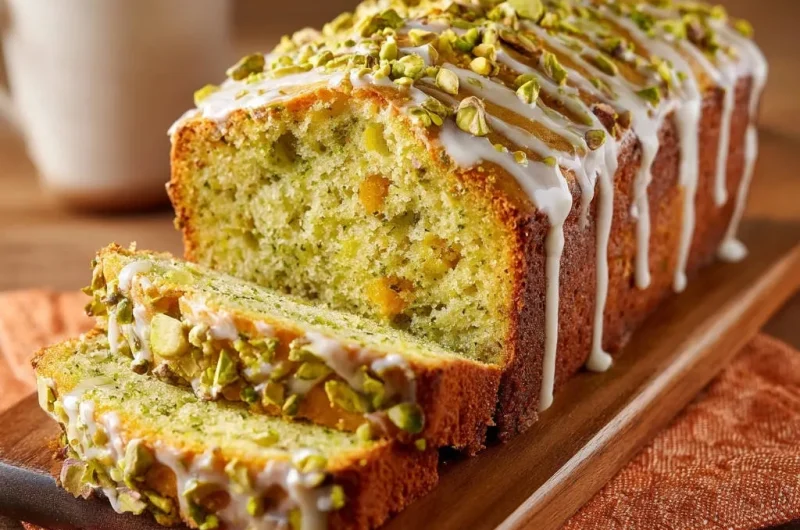
Pistachio Loaf
Course: BakingCuisine: AmericanDifficulty: medium1
loaf20
minutes50
minutes450
kcal60
minutesDiscover the secret to a consistently moist and tender Pistachio Citrus Loaf that stays perfect for days. This recipe provides an irresistible blend of nutty pistachios and bright citrus, with a simple technique that guarantees a delightful quick bread every time.
Ingredients
1 1/2 cups all-purpose flour
1 1/2 teaspoons baking powder
1/4 teaspoon salt
1/2 cup unsalted butter, softened
1/4 cup vegetable oil
1 cup granulated sugar
2 large eggs
1/2 cup plain whole milk yogurt (or sour cream)
1 teaspoon vanilla extract
1 tablespoon lemon zest (or orange zest)
1/2 cup shelled pistachios, finely ground
1/4 cup shelled pistachios, chopped (for topping)
1/4 cup candied orange peel, finely chopped (optional, for flavor bits)
For the Glaze:
1 cup powdered sugar
2-3 tablespoons fresh lemon juice (or orange juice)
Directions
- Preheat your oven to 350 degrees Fahrenheit (175 degrees Celsius). Grease and flour a 9×5 inch loaf pan, or line with parchment paper leaving an overhang on the sides for easy lifting.
- In a medium bowl, whisk together the all-purpose flour, baking powder, and salt. Set aside.
- In a large bowl, using an electric mixer, cream together the softened unsalted butter, vegetable oil, and granulated sugar until light and fluffy. This combination of butter for flavor and oil for moisture is crucial for tenderness.
- Beat in the eggs, one at a time, until fully incorporated. Scrape down the sides of the bowl as needed.
- Stir in the plain whole milk yogurt (or sour cream), vanilla extract, and lemon zest. The yogurt is a key player here, adding significant moisture and tenderness without making the loaf dense.
- Gradually add the dry ingredient mixture to the wet ingredients. Mix on low speed just until combined. This step is vital to prevent a dry, tough loaf; overmixing develops gluten which leads to a dense, dry texture. Fold in the finely ground pistachios and chopped candied orange peel (if using).
- Pour the batter evenly into the prepared loaf pan. Bake for 50-60 minutes, or until a wooden skewer inserted into the center comes out clean. Be careful not to overbake, as this is the primary cause of dryness in quick breads.
- Let the loaf cool in the pan for 10-15 minutes before carefully transferring it to a wire rack to cool completely.
- While the loaf cools, prepare the glaze: In a small bowl, whisk together the powdered sugar and lemon juice until smooth. Add more juice for a thinner glaze, or more sugar for a thicker one, aiming for a pourable consistency.
- Once the loaf is completely cool, drizzle the glaze over the top, letting it drip down the sides. Immediately sprinkle with the remaining chopped pistachios. Slice and enjoy your perfectly moist loaf!
Notes
- Achieve ultimate moistness by using the butter-oil blend and yogurt. Avoid overmixing batter and overbaking to prevent dryness.