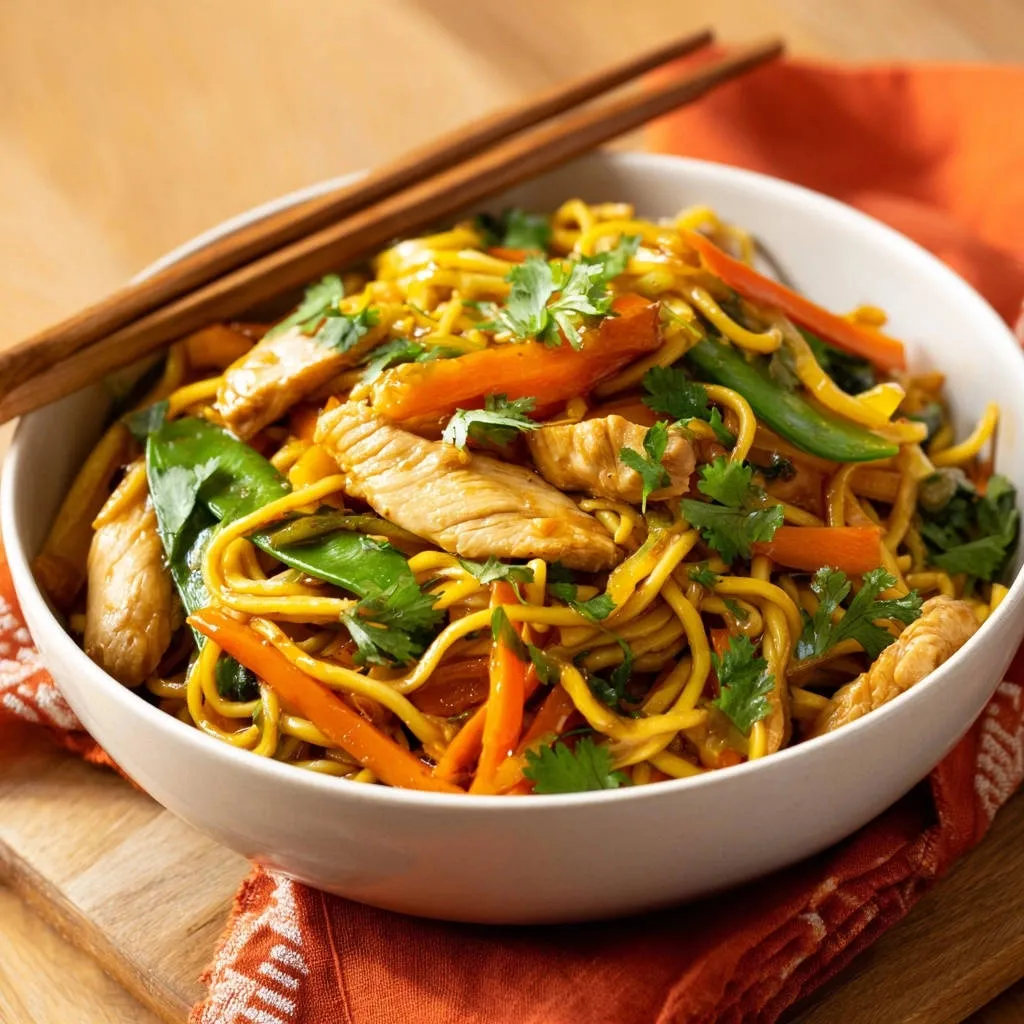
For years, I struggled to replicate the silky, non-gummy noodles I loved from my favorite Chinese takeout spots.
The secret to achieving truly authentic Restaurant-Style Chicken Lo Mein lies not in the sauce, but in one simple preparation trick that guarantees perfectly coated, individual strands every time.
Finally! How to Achieve Truly Restaurant-Quality Lo Mein at Home
The goal is to replicate the smooth, lightly sauced texture that defines great takeout. This recipe provides that solution.
This method prevents the dreaded “gummy clump” that often happens when homemade noodles stick together, making weeknight stir-fries foolproof.
Essential Elements: Building the Perfect Lo Mein Ingredient List
Choosing the Right Noodle: Fresh vs. Dried Lo Mein
While dried egg noodles are perfectly fine, fresh lo mein noodles often provide a superior, softer chew and faster cooking time.
Crucially, ensure you are buying “lo mein” style noodles, not thinner chow mein or ramen, for the authentic texture.
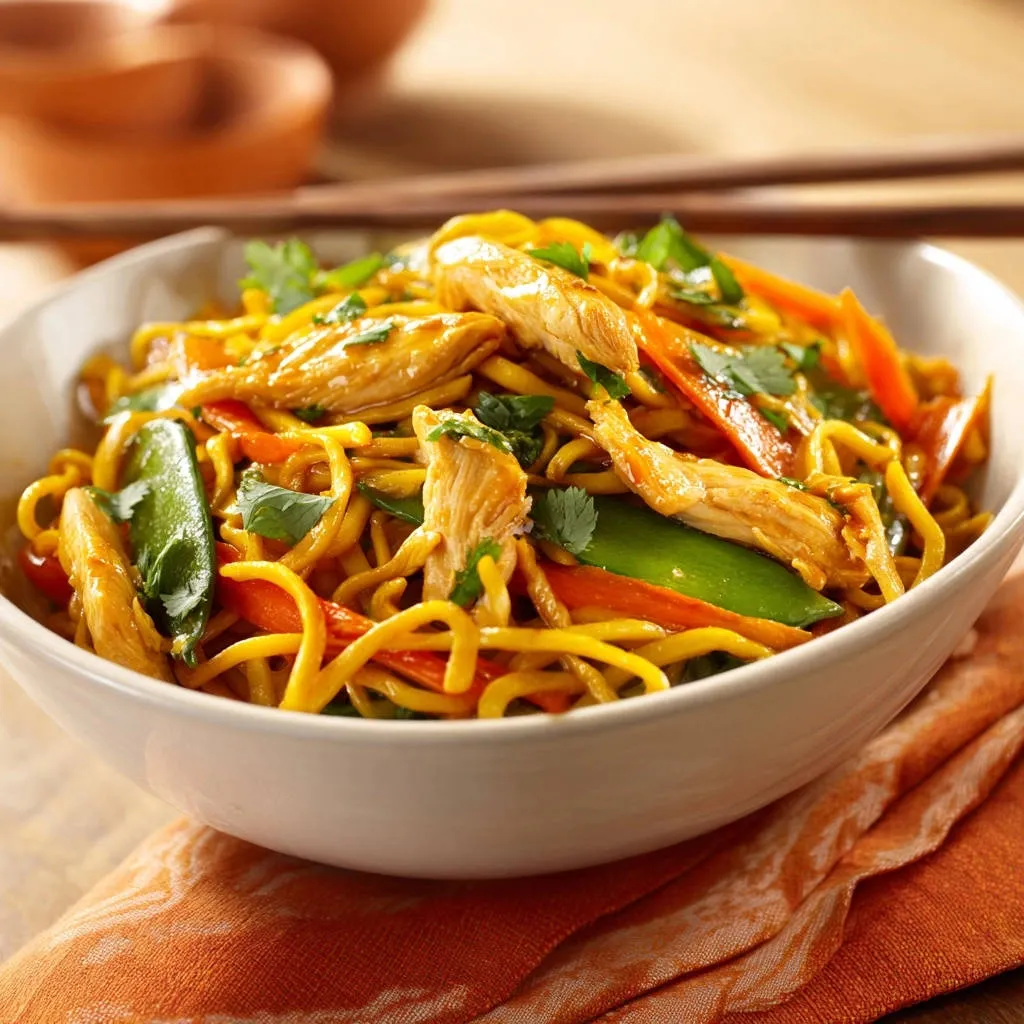
The Role of Chicken Marinade and Cornstarch Coating
The thin slicing of the chicken breast ensures rapid cooking and maximum surface area for flavor absorption.
For another satisfying chicken dish, try these sesame chicken meatballs.
The cornstarch coating (often called velveting) is essential for protecting the chicken from the high heat, keeping it tender, and helping the final sauce cling perfectly.
The Unsung Heroes: Oyster Sauce and Sesame Oil Depth
Oyster sauce provides the necessary savory, umami depth that defines authentic lo mein flavor. Use a good quality brand.
For vegetarian adaptations, ensure you use a dedicated mushroom or vegetarian stir-fry sauce to replicate the thick, savory qualities.
Sesame oil is added right before the final combination step; its flavor is pungent and must be used judiciously.
The Silky Secret: Mastering Noodle Preparation for a Gummy-Free Dish
The difference between sticky noodles and silky, individual strands lies entirely in the post-boiling technique.
For more noodle tips, discover how to achieve firm noodles in classic chicken noodle soup.
Immediate Cold Water Rinse: Stopping Starch and Cooking
Rinsing the noodles immediately after cooking until just al dente serves two primary purposes: it instantly halts the cooking process, preventing mushiness.
More importantly, the cold water washes away the excess surface starch, which is the main culprit responsible for creating that sticky, gummy residue.
The Final Oil Toss: Separating Strands Post-Boil
Tossing the rinsed, drained noodles with a small amount of neutral oil seals the deal.
This light coating prevents the strands from re-adhering to each other while they wait to be combined with the sauce and vegetables.
Setting Up for Success: Tools and Prep Strategy
Wok vs. High-Sided Skillet: Which Should You Use?
A traditional carbon steel wok is ideal for stir-frying because of its high heat retention and unique shape, which allows food to be easily tossed.
If you don’t have a wok, use the largest, heaviest high-sided skillet you own. Crucially, ensure it can withstand high heat and has enough surface area to avoid overcrowding.
Mise En Place: Why Prep is Everything in Stir-Frying
Stir-frying is a rapid process that requires every ingredient to be sliced, sauced, and ready before the heat goes on.
Group all your ingredients by cooking step: chicken in one bowl, vegetables ready to go, and sauce whisked in another bowl. This prevents burnt garlic or overcooked vegetables.
Step-by-Step Mastery: Cooking Your Restaurant-Style Chicken Lo Mein
-
Prepare the Noodles (The Silky Secret): Cook, rinse, drain, and oil the noodles as detailed in the preparation section.
This is the most crucial step for texture. Ensure the rinse is thorough until the water runs completely clear.
-
Searing the Chicken for Optimal Flavor and Texture: Ensure the oil is shimmering hot before adding the coated chicken.
Work in single-layer batches if necessary. Overcrowding the wok will steam the chicken instead of searing it, preventing that desired golden crust.
-
The High-Heat Stir-Fry: Achieving Crisp-Tender Vegetables: Cook the heartier vegetables (carrots) first before adding the snow peas and pepper.
Stir-frying on high heat quickly caramelizes the vegetables’ exterior while retaining a pleasant internal crunch, a hallmark of restaurant quality.
-
Aromatic Infusion: Garlic and Ginger: Push the vegetables aside before adding the aromatics.
Adding the minced garlic and ginger directly to the hot oil center ensures their oils are released without burning the ingredients already mixed in with the vegetables.
-
The Final Toss: Sauce Reduction and Complete Coating: Return the cooked chicken and the prepared noodles to the wok. Pour the sauce, and toss constantly using tongs.
Toss rapidly for 1 to 2 minutes. The cornstarch residue on the chicken will help thicken the sauce instantly, allowing it to coat every silky noodle strand.
Elevate Your Dish: Pro Tips and Troubleshooting Common Lo Mein Issues
How to Prevent Your Wok from Cooling Down (A Key Mistake)
The biggest threat to a good stir-fry is a temperature drop. Always preheat your wok until it is lightly smoking, and if you are using a home burner, avoid adding too many cold ingredients simultaneously.
Vegetable Management: Keeping the Crunch Consistent
If you prefer crunchier vegetables, cook them for less time (closer to 1.5 minutes). If you prefer softer vegetables, add a tiny splash of water during the stir-fry step and cover briefly to steam.
Why is My Sauce Too Runny?
If the sauce doesn’t thicken upon tossing, it often means the mixture wasn’t allowed to boil slightly after combining, or the chicken wasn’t properly coated in cornstarch. A quick fix is to mix a teaspoon of cornstarch with a tablespoon of cold water and drizzle it in while tossing rapidly.
The Importance of Ingredient Sizing
All ingredients (chicken, carrots, peppers) should be sliced to a similar thickness. This ensures even cooking and a cohesive mouthfeel in every bite.
Making It Your Own: Adaptations and Dietary Swaps
Quick Swaps for Different Proteins (Beef, Shrimp, Tofu)
If using beef (flank or skirt steak), slice against the grain and marinate as instructed. Cooking time will be similar (3-4 minutes).
Shrimp cooks much faster. Sear it for only 1 to 2 minutes per side until pink, and remove it immediately to prevent toughness.
Tofu should be pressed firmly, diced, tossed in cornstarch, and pan-fried until golden brown and crispy before the vegetable step.
Low-Sodium and Gluten-Free Lo Mein Alternatives
For low-sodium lo mein, stick to the specified low-sodium soy sauce and consider diluting the oyster sauce slightly with water.
Achieving a gluten-free version is easy: replace traditional soy sauce with Tamari or coconut aminos, and ensure your lo mein noodles are rice-based or specifically gluten-free.
Serving and Storage: Maximizing Your Lo Mein Experience
Ideal Side Dishes and Pairings
Lo Mein is rich and savory. Pair it with a light, fresh side like quick cucumber salad, sesame broccoli, or a simple bowl of hot and sour soup.
Round Out Your Meal
To complement your chicken lo mein, consider these dishes that add texture and bright flavors.
- For a refreshing contrast, try the Spicy Peanut Crunch Salad, offering a welcome crispness and nutty depth.
- Add a different kind of starch with the Sesame Glazed Baby Potatoes, which bring a subtle sweetness and satisfying chew.
Storing and Reheating Leftovers
Store leftovers in an airtight container for up to 3 days. Because of the cornstarch coating, the noodles tend to stick when cold.
Reheat in a skillet or wok over medium-high heat, adding a tablespoon of water or broth to help loosen the sauce and re-steam the noodles without drying them out.
Your New Weeknight Hero: Sharing and Enjoying Perfect Lo Mein
With the simple mastery of the cold water rinse, you can finally retire the sticky, gummy stir-fry experience forever.
This Restaurant-Style Chicken Lo Mein recipe is designed to be fast, flavorful, and reliable.
Gather your ingredients, crank up the heat, and prepare to impress your family with a meal that truly rivals your favorite takeout spot. Don’t forget to share your success and photos of your perfectly coated, silky noodles!
(Recipe card details and serving suggestions are continued below.)
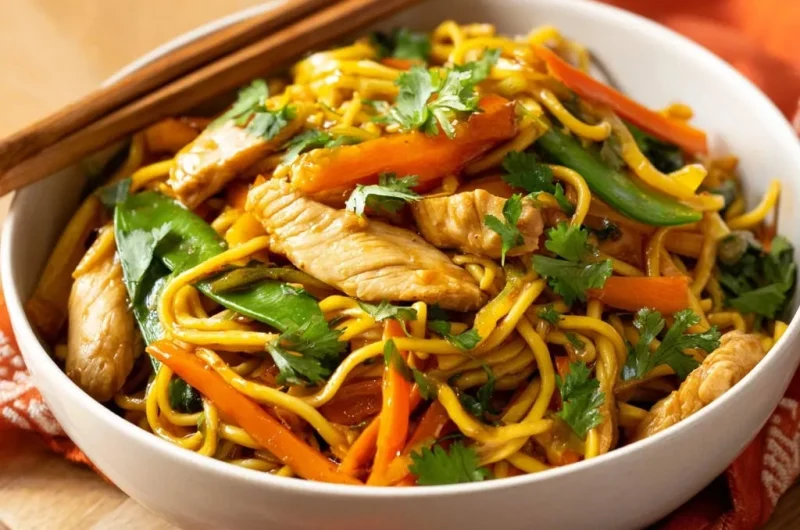
Chicken Lo Mein
Course: Main CourseCuisine: ChineseDifficulty: easy4
servings15
minutes15
minutes550
kcal30
minutesStop struggling with sticky noodles! This recipe reveals the key preparation secret—rinsing the noodles in cold water—that guarantees silky, restaurant-quality strands every time. Loaded with tender chicken, crisp vegetables, and a rich savory sauce, this is the Lo Mein you’ve been craving.
Ingredients
1 pound fresh or dried egg noodles (Lo Mein style)
1 pound boneless, skinless chicken breast, sliced into thin strips
1 tablespoon cornstarch
1 teaspoon garlic powder
2 tablespoons neutral high-heat oil (like canola or vegetable), divided
1 cup julienned carrots
1 cup snow peas
1/2 cup thinly sliced bell pepper (yellow or red)
2 cloves garlic, minced
1 tablespoon fresh ginger, minced
1/4 cup low sodium soy sauce
2 tablespoons oyster sauce (or vegetarian stir-fry sauce)
1 tablespoon sesame oil
1 tablespoon brown sugar
2 tablespoons water
Fresh cilantro or parsley, for garnish
Directions
- Prepare the Noodles (The Silky Secret): Bring a large pot of salted water to a rolling boil. Add the noodles and cook until they are just al dente (about 1 minute less than package directions). Immediately drain the noodles and rinse them thoroughly under cold water. This step stops the cooking process and removes excess surface starch, which is the primary cause of stickiness. Toss the rinsed, drained noodles with 1 teaspoon of the neutral oil. Set aside.
- Prepare the Chicken: In a bowl, toss the sliced chicken strips with the cornstarch and garlic powder until coated.
- Sear the Chicken: Heat 1 tablespoon of the neutral oil in a large wok or skillet over high heat until shimmering. Add the chicken in a single layer (work in batches if necessary) and cook until golden brown and cooked through, about 3 to 4 minutes. Remove the chicken from the wok and set aside.
- Stir-Fry Vegetables: Add the remaining 2 teaspoons of neutral oil to the hot wok. Add the carrots, snow peas, and bell pepper. Stir-fry constantly for 2 to 3 minutes until the vegetables are crisp-tender. Push the vegetables to the side of the wok, add the minced garlic and ginger to the center, and cook for 30 seconds until fragrant.
- Create the Sauce: In a small bowl, whisk together the soy sauce, oyster sauce, sesame oil, brown sugar, and water.
- Combine and Toss: Return the cooked chicken and the prepared noodles to the wok. Pour the sauce mixture evenly over the noodles and toss everything rapidly using tongs, ensuring the sauce coats every strand. Continue tossing for 1 to 2 minutes until the sauce has thickened slightly and the noodles are heated through.
- Serve immediately, garnished generously with fresh cilantro or parsley.
Notes
- Rinsing the cooked noodles thoroughly in cold water removes surface starch and is the key to preventing stickiness.