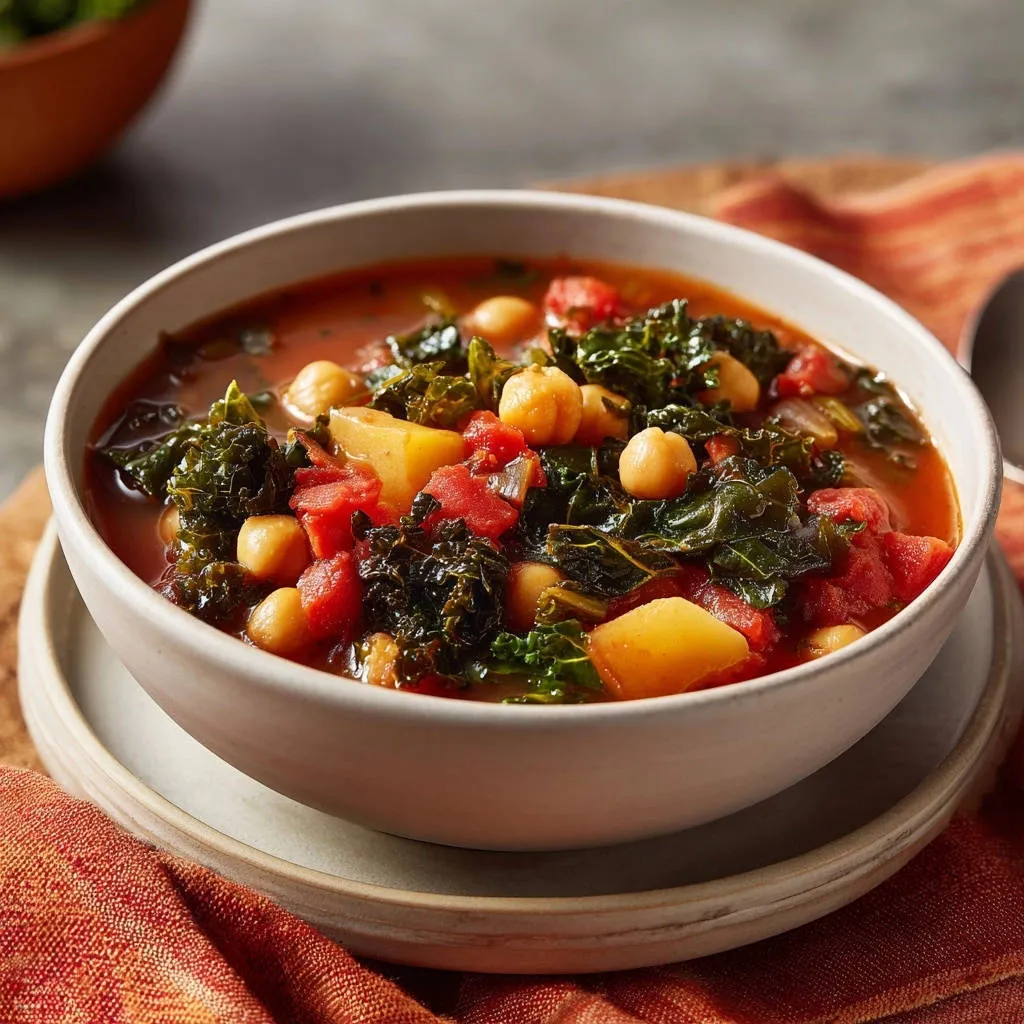
I spent years perfecting comfort food stews, only to be constantly derailed by tough, bitter kale that ruined the broth’s texture. That common frustration is exactly what led me to develop this recipe for Rustic Chickpea, Kale, and Potato Stew, which guarantees perfectly tender greens every single time.
This simple, deeply satisfying, and naturally vegan dish leverages residual heat to solve the chewy kale problem, offering rich flavor and velvety texture without endless simmering or complex steps.
If you enjoy this hearty stew, you might also like a flavorful smoky chickpea stew.
Why This Rustic Chickpea, Kale, and Potato Stew is a Must-Make
The Texture Guarantee: Say Goodbye to Chewy Greens
The greatest selling point of this recipe is the precise, 5-minute wilting technique that yields soft, vibrant kale.
We bypass the high heat that causes kale cell walls to toughen and become bitter, ensuring a pleasurable texture in every spoonful.
Hearty Comfort Perfected for Weeknights
Using canned chickpeas and quick-cooking potatoes makes this a speedy weeknight option that requires minimal active cooking time.
It delivers the warming satisfaction of a slow-cooked meal in under an hour, making it ideal for busy schedules.
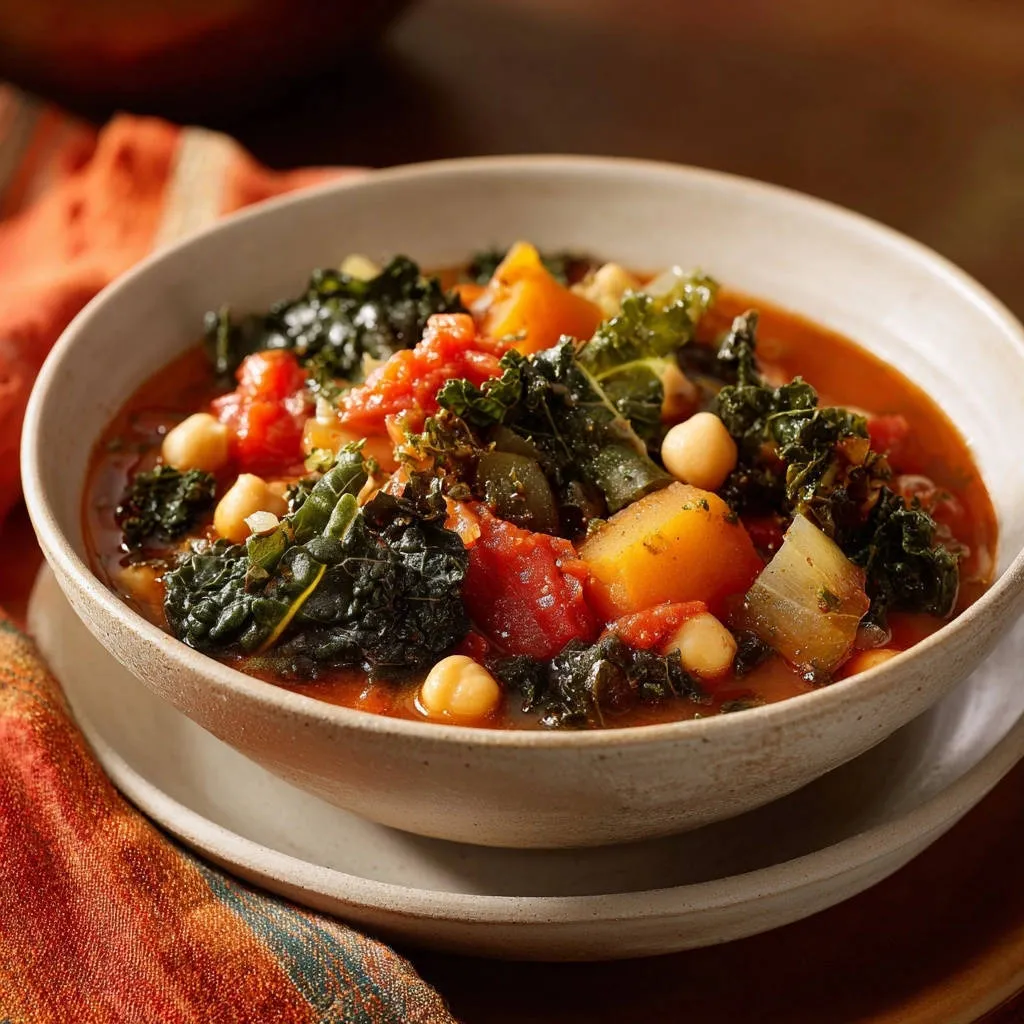
Deep, Layered Flavor from Simple Pantry Staples
The flavor profile relies on properly bloomed dried thyme, savory vegetable broth, and a gentle kick from red pepper flakes.
These simple ingredients combine expertly to create a deeply aromatic and rich broth base that is anything but bland.
The Essential Flavor Pillars of Your Hearty Stew
Building the Aromatic Base (Onion and Garlic)
Sweating the diced yellow onion slowly is essential, as this releases their natural sugars and provides a subtle, underlying sweetness to the broth.
Garlic must only cook for about one minute until fragrant; burning the garlic will instantly introduce a bitter, acrid note to the entire stew.
The Starch and Protein Duo (Potatoes and Chickpeas)
Waxy potatoes, like Yukon Gold, hold their shape better during simmering than starchier Russets, which helps maintain a pleasant rustic texture.
Chickpeas provide satisfying plant-based protein and fiber, and their creamy interior balances the firmer texture of the potatoes.
Achieving Umami and Depth (Broth, Tomatoes, and Thyme)
Using a good quality vegetable broth adds far more complexity and umami depth than water, minimizing the need for heavy seasoning later.
Canned diced tomatoes, along with their liquid, introduce necessary acidity and body, giving the stew a fuller, richer mouthfeel.
From Prep to Pot: Mastering the Rustic Stew Method
- Prepare the Base:
Heat the olive oil in a large Dutch oven over medium heat-not high-to prevent the fat from smoking.
Add the diced onion and sauté for 5 to 7 minutes until they are fully softened and translucent. The change in color indicates the sweetness is developing for your aromatic base.
- Build the Spice and Herb Profile:
Add the minced garlic, dried thyme, and red pepper flakes (if using) and stir constantly for exactly 60 seconds.
This short, direct heat exposure allows the dried herbs and spices to “bloom,” releasing their volatile oils for maximum fragrance and flavor penetration into the oil without burning.
- The Critical Simmer (Tenderizing the Potatoes):
Introduce the diced potatoes, tomatoes, and vegetable broth. Bring the liquid up to a full boil, then immediately drop the heat to the lowest setting for a gentle simmer.
Covering the pot traps the heat, ensuring the potatoes cook evenly and efficiently for 15 to 20 minutes.
Test for doneness by piercing a potato cube with a fork; it should slide off easily with no resistance when tender.
- Integrating the Chickpeas and Initial Seasoning:
Stir in the rinsed and drained chickpeas and let them heat through for just five minutes; they are already cooked and only need to reach temperature.
Season the entire stew generously with salt and black pepper now, allowing the salt to dissolve and integrate deeply into the broth’s foundational flavor.
- The Tender Kale Trick: The Key Step
Turn the heat OFF completely and immediately remove the pot from the burner before adding the prepared kale.
Stir vigorously for 30 seconds to fully submerge all the greens in the hot liquid, then replace the lid and let the stew rest for exactly five minutes.
- Adjust and Serve:
Give the stew a final taste test and adjust the seasoning for salt, pepper, or a splash of acidity, like lemon juice, if needed.
Serve this satisfying Rustic Chickpea, Kale, and Potato Stew hot, perhaps with crusty bread for dipping.
For another take on tender greens, explore this creamy chickpea stew.
The 5-Minute Trick: Never Get Tough, Chewy Kale Again
The Science of Residual Heat and Blanching
High heat causes the cellulose in kale to seize up, leading to the unpleasant, rubbery texture everyone dreads.
By turning the heat off, the broth remains hot enough to wilt the kale quickly, mimicking a delicate blanching process that relaxes the fibers.
This controlled method ensures you achieve perfectly tender kale every time.
Maximizing Color and Nutrient Retention
The speed of this method minimizes the nutrient leaching that occurs during prolonged, high-temperature cooking.
Visually, the kale retains its vibrant emerald green hue rather than fading to an unappetizing olive tone, boosting the dish’s overall appeal.
Key Prep Step: Why Rib Removal Matters
Kale ribs are thick, extremely fibrous, and much harder to tenderize than the leaves themselves.
To prepare your kale, tear the leafy parts away from the hard center stem, ensuring uniform tenderness in the finished stew.
Customizing Your Stew: Ingredient Swaps and Flavor Variations
Making it Heartier: Simple Protein Additions
If you prefer a meat dish, pre-cooked proteins can be stirred in alongside the chickpeas in step 4.
Try adding half a pound of browned, crumbled Italian sausage for a spicy, savory lift, or incorporate shredded rotisserie chicken for ultimate ease.
If using ground beef, ensure it is fully cooked and drained of excess grease before mixing it into the simmering broth.
Adding Richness: Creating a Creamier Finish
For an indulgent, creamy stew, stir in half a cup of heavy cream, unsweetened cashew milk, or full-fat coconut milk after the kale has rested.
Alternatively, scoop out one cup of the cooked potatoes and blend them with a splash of broth until smooth, returning the purée to the pot to naturally thicken the liquid.
Swap Outs: Alternate Greens and Starches
If substituting spinach, note that it requires an even shorter rest time-about two minutes-as it is more delicate than kale.
You can replace the yellow potatoes with diced sweet potatoes for a subtle sweetness, or swap the chickpeas for white cannellini beans for a different protein texture.
Make-Ahead Magic and Freezing Your Leftovers
Best Practices for Refrigeration and Reheating
This hearty stew thickens considerably overnight as the starches from the potatoes settle into the liquid.
When reheating on the stovetop, add a quarter to a half cup of vegetable broth or water to return the stew to its original, desirable consistency.
Freezing the Rustic Chickpea, Kale, and Potato Stew
This stew freezes beautifully for up to three months; ensure you use an airtight container and leave adequate headspace.
Be aware that potatoes can adopt a slightly crumbly texture after freezing and thawing, but this does not impact the stew’s overall safety or flavor.
Prepping the Vegetables Ahead of Time
Diced onions, minced garlic, and the chopped kale can all be prepped up to 24 hours in advance and stored in sealed containers.
If dicing the potatoes ahead, keep them fully submerged in a bowl of cold water in the refrigerator to prevent the starches from oxidizing and turning brown.
Troubleshooting Your Rustic Stew: Fixes for Common Issues
Why Are My Potatoes Mushy?
Mushy potatoes are typically the result of over-simmering or boiling too aggressively at a high temperature.
Ensure the heat is genuinely low during the simmering stage, and always use waxy or all-purpose potatoes like Yukon Golds.
The Broth Tastes Flat or Bland
The most common culprit for bland soup is insufficient salt; remember to season generously at the beginning and end.
If the flavor still lacks dimension at the end, stir in 1 teaspoon of lemon juice or red wine vinegar to provide a crucial acidic lift.
Can I Use Frozen Kale or Spinach?
Yes, you can use frozen greens, but they require a slight adjustment to the cooking process.
Thaw the frozen greens completely, squeeze out all excess moisture before adding them, and skip the 5-minute resting period entirely, as they are already soft.
What is the Best Type of Broth to Use?
We recommend a high-quality, low-sodium vegetable broth, as this gives you maximum control over the final salt level.
While vegetable broth keeps this dish vegan, a mushroom broth can be used to impart an even deeper, more intensely earthy flavor profile.
Mastering this simple technique for tender kale transforms this humble, Rustic Chickpea, Kale, and Potato Stew into a restaurant-quality meal.
You now have the expertise to deliver a rich, deeply satisfying dish where every component-from the earthy broth to the hearty potatoes-shines without compromise.
Round Out Your Meal
Explore these other chickpea dishes that offer similar comforting flavors and textures.
- For a bright and zesty complement, consider the Mediterranean Zesty Chickpea Salad, which brings a fresh counterpoint to the stew.
- Discover the warm spices of North Africa with the Moroccan Spiced Carrot and Chickpea Salad, a vibrant option that pairs well with hearty stews.
Try this recipe tonight and let me know in the comments if the 5-minute kale trick changed your stew game. Happy cooking!
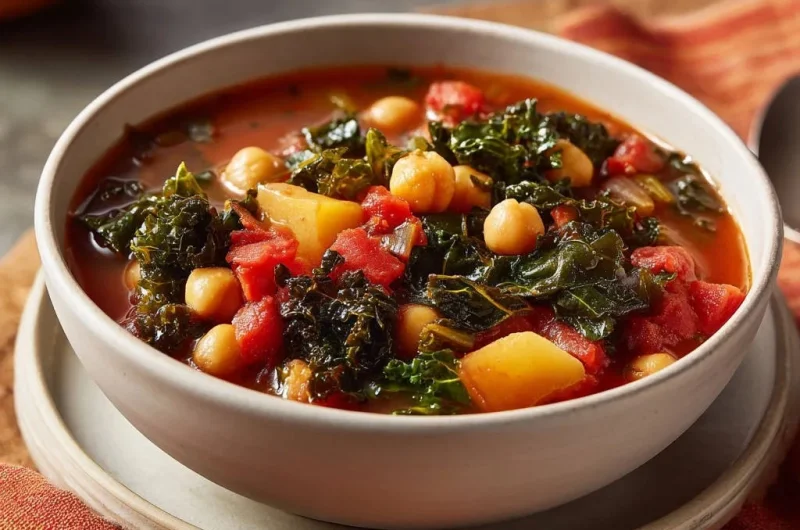
Chickpea Kale Potato Stew
Course: Soups-StewsCuisine: InternationalDifficulty: easy4
servings15
minutes40
minutes240
kcal55
minutesThis hearty, rustic stew is packed with potatoes, chickpeas, and vibrant kale. Learn the simple secret to perfectly tender kale every time, preventing toughness and bitterness. A cozy, satisfying meatless main course.
Ingredients
1 tablespoon olive oil
1 yellow onion, diced
3 cloves garlic, minced
1 teaspoon dried thyme
1/2 teaspoon red pepper flakes (optional)
2 cups yellow potatoes, peeled and diced 1/2 inch
1 (14.5 ounce) can diced tomatoes, undrained
4 cups vegetable broth
1 (15 ounce) can chickpeas, rinsed and drained
4 cups chopped kale (ribs removed)
Salt and black pepper to taste
Directions
- Prepare the Base: Heat the olive oil in a large pot or Dutch oven over medium heat. Add the diced onion and saute for 5 to 7 minutes until softened and translucent.
- Build Flavor: Add the minced garlic, dried thyme, and red pepper flakes (if using). Cook for 1 minute until fragrant. Do not allow the garlic to scorch.
- Simmer the Potatoes: Add the diced potatoes, diced tomatoes (including their juices), and vegetable broth. Bring the mixture to a boil, then reduce the heat to low, cover, and simmer for 15 to 20 minutes, or until the potatoes are tender when pierced with a fork.
- Add Chickpeas: Stir in the rinsed and drained chickpeas and cook for 5 minutes, allowing them to heat through completely. Season the stew generously with salt and pepper.
- Solve the Kale Problem (The Tender Trick): Turn the heat OFF completely. Remove the pot from the burner. Add the chopped kale directly into the hot stew. Stir the stew rapidly for about 30 seconds to fully submerge the kale.
- Rest and Serve: Place the lid back on the pot and let the stew sit undisturbed for exactly 5 minutes. The residual heat from the broth will gently wilt the kale just until tender, ensuring it retains its vibrant color and never develops a tough, bitter texture.
- Adjust seasoning if needed and serve immediately.
Notes
- The key to perfect kale is adding it after the heat is off and letting it wilt for exactly 5 minutes in the residual heat.