There is nothing more frustrating than slicing into what you hope will be a comforting meal, only to find a dry, dense, and rubbery slab. I spent years perfecting the technique to avoid that exact disaster.
This method utilizes a specialized moisture-locking panade and a gentle mixing secret, ensuring your homemade Savory Family Meatloaf is exceptionally tender and moist every single time.
Why This Savory Family Meatloaf Belongs in Your Recipe Rotation
The Disaster-Proof Method for Tender Meatloaf
The secret weapon here is the panade, a simple mixture of milk-soaked bread that prevents the meat proteins from tightening during cooking.
This crucial step, combined with a quick, delicate folding technique, guarantees a light, airy internal structure that never yields that tough, rubbery texture.
Comfort Food, Elevated: The Flavor Profile
We build a deep savory foundation using classic aromatics like garlic and Worcestershire sauce for that umami depth.
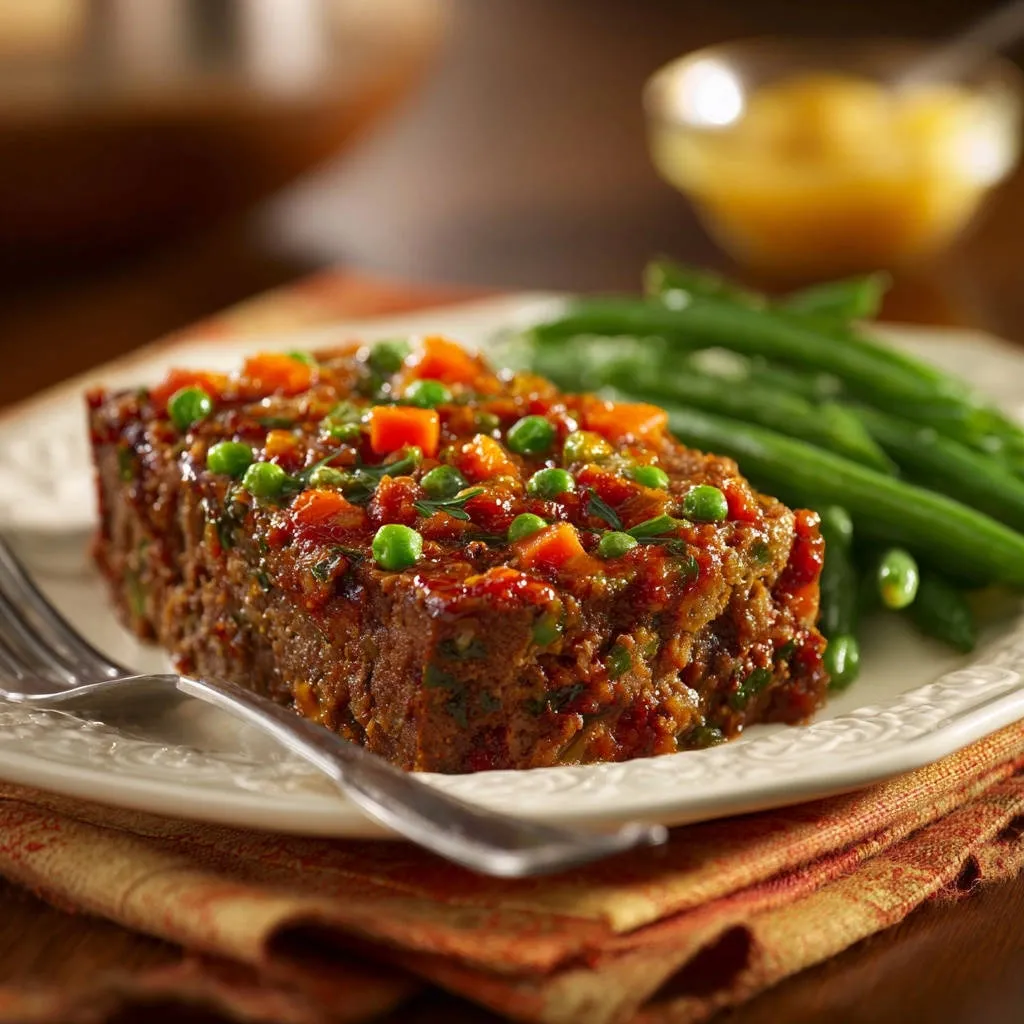
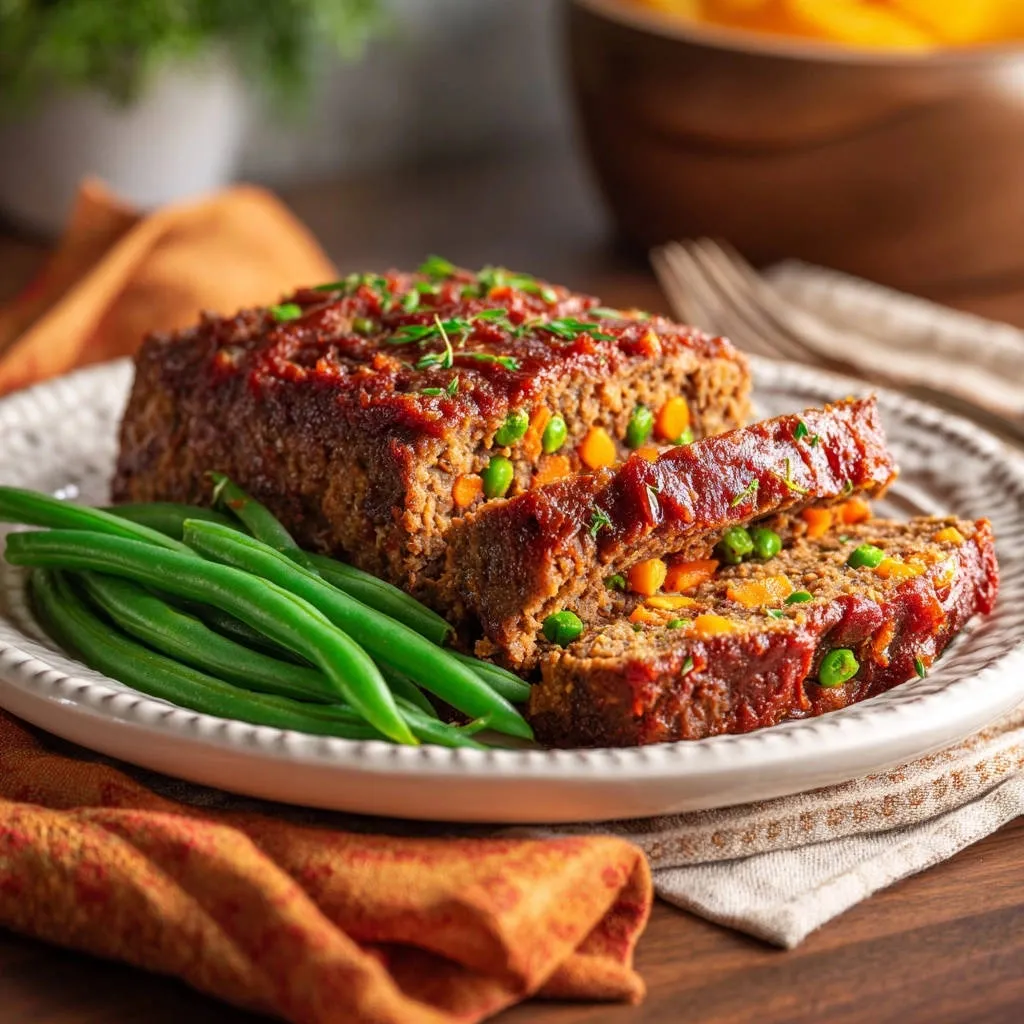
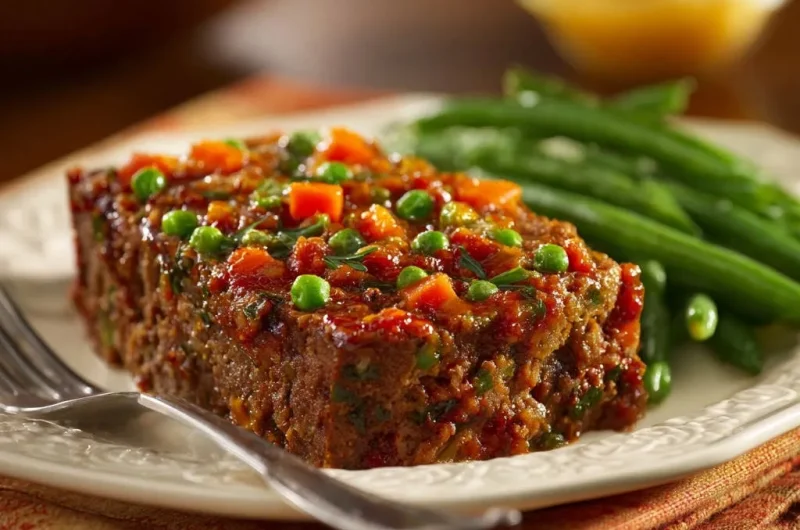
The subtle addition of diced onions and the unexpected inclusion of peas and carrots adds visual appeal and a pop of sweetness that balances the rich ground beef.
Fast Prep, Easy Cleanup: The Weeknight Appeal
Once the panade is prepped, the entire mixture comes together in less than 15 minutes, making this a perfect weeknight dinner solution.
The ingredients are kitchen staples, simplifying the prep process and minimizing the overall time spent in the kitchen.
Ingredients That Build Flavor: Beyond the Basics
Selecting the Optimal Ground Beef Blend
I highly recommend using an 80/20 lean-to-fat ground beef blend for this recipe.
The 20% fat content is critical; it renders during baking, adding flavor and ensuring the resulting meatloaf remains juicy and moist.
The Essential Panade Components: Bread and Whole Milk
Use high-quality white bread with the crusts removed, as it absorbs the liquid efficiently to create the necessary binding paste.
Whole milk is preferred over water or skim milk because the milk fats also contribute subtle richness and moisture retention to the final loaf.
Aromatics and Depth: Garlic, Onion, and Worcestershire
Finely dicing the onion ensures it integrates smoothly into the meat mixture without creating crunchy pockets of raw vegetable.
Worcestershire sauce is essential for deep savory notes, adding a layer of complexity that sets this recipe apart from simple ground beef mixtures.
The Perfect Glaze Trio: Tangy, Sweet, and Bright
The glaze strikes a balance between sweetness (brown sugar), tang (apple cider vinegar), and classic tomato flavor (ketchup).
Applying the glaze towards the end of baking prevents it from burning but allows it to caramelize beautifully, forming a delicious crust.
For more baked pasta ideas, check out this cheesy baked spaghetti casserole.
Unlocking Tenderness: Mastering the Panade Technique
What Exactly is a Panade, and Why is it Crucial for Meatloaf?
A panade is a paste made from a starch, like bread, and a liquid, such as milk, used as a binder in ground meat mixtures.
The starch grains swell with liquid, cushioning the protein fibers in the meat and preventing them from shrinking and seizing up when exposed to heat.
This scientifically proven technique locks moisture inside the meat, resulting in that perfectly tender meatloaf texture we seek.
The Right Consistency: From Bread Slices to Mushy Paste
Tear your bread into small pieces to maximize the surface area for absorption.
After about five minutes of soaking in the milk, the bread should break down into a completely smooth, mushy paste-there should be no dry bits remaining.
Troubleshooting the Panade: Too Wet or Too Dry?
If your bread absorbed the milk too quickly and the mixture seems dry, you can add milk one teaspoon at a time until a paste forms.
Conversely, if you accidentally added too much milk, let the mixture rest for an extra minute; if still too wet, gently squeeze out a tiny amount of excess liquid before combining it with the other ingredients.
Your Path to Savory Family Meatloaf Perfection: A Detailed Guide
- Prep the Panade and Oven:
Preheat your oven to 350 degrees F and lightly grease a standard 9×5 inch loaf pan. Tear the high-quality white bread into small pieces and pour the half cup of whole milk over them.
Allow the bread to soak completely for five minutes until it dissolves into a smooth, thick, mushy panade. This step is non-negotiable for achieving a moist meatloaf.
- Combine the Aromatics and Panade Base:
In a large mixing bowl, thoroughly combine the milk-soaked bread mixture, the lightly beaten egg, diced onion, minced garlic, fresh parsley, Worcestershire sauce, salt, and pepper.
Use a spoon or spatula to ensure all the wet ingredients and seasonings are completely integrated before the ground beef is added.
- The Crucial Gentle Folding Technique:
Add the two pounds of 80/20 ground beef and the thawed peas and carrots to the bowl. Now, switch to using clean hands.
Use a delicate lift-and-fold motion, incorporating the ingredients only until they are just combined; this is the key to preventing a dense meatloaf.
CRITICAL: Stop mixing immediately once you no longer see streaks of dry seasoning or panade. Overworking the meat develops toughness and ruins the texture.
- Form the Loaf (Do Not Compress):
Transfer the meat mixture to the prepared loaf pan. Gently form the mixture into an even loaf shape, allowing it to remain slightly loose in the pan.
Do not press or compact the mixture tightly; loose packing allows steam to escape and contributes to the final fluffy result.
- Initial Bake and Glaze Preparation:
Bake the meatloaf for 35 minutes. While the loaf bakes, prepare the sweet and tangy glaze by whisking together the ketchup, packed brown sugar, and apple cider vinegar in a small bowl.
For a similar sweet and tangy finish, consider making a classic glazed meatloaf.
- Glaze and Temperature Check:
After 35 minutes, remove the meatloaf from the oven and carefully spread the glaze mixture evenly across the top.
Return the loaf to the oven and continue baking for another 20 to 25 minutes, or until the internal temperature reaches a safe 160 degrees F, checked with an instant-read thermometer.
- The Mandatory Resting Period:
Remove the Savory Family Meatloaf from the oven and let it rest in the pan for a full 10 minutes before slicing.
This rest period allows the internal juices to settle and redistribute throughout the loaf, ensuring every slice is perfectly moist and holds its shape.
Chef’s Secrets and Troubleshooting for Perfect Results
Use a Loaf Pan Liner or Rack: To prevent the bottom from steaming and becoming greasy.
Lining the pan with parchment paper or using a perforated broiler tray inside the pan allows excess fat to drain away, preventing a soggy bottom layer.
Checking for Doneness Without a Thermometer: What visual cues (color and firmness) indicate near completion, even though a thermometer is always best.
When the loaf is close to done, the glaze will be caramelized, and the juices running out of the middle, if pierced, should run clear, not red or pink.
The Salt Factor: Why using the correct amount of salt is vital for flavor depth and texture.
Salt not only seasons the meat but also helps dissolve some of the protein structure, making the final tender meatloaf less stiff and more palatable.
Preventing the “Meatloaf Crack”: Tips on maintaining oven temperature stability and the role of the panade in preventing cracking.
Meatloaf often cracks when the outside cooks much faster than the inside, causing contraction; the panade helps the loaf expand evenly.
Avoid opening the oven frequently, and ensure the loaf is not pressed too densely into the pan during shaping.
Solving Common Meatloaf Mysteries
Why is my meatloaf always falling apart?
If the loaf is crumbling, it often means there were insufficient binding agents or you didn’t allow for the critical resting time.
Ensure your egg is properly integrated and that you rest the loaf for the full 10 minutes before attempting to slice it.
How do I stop my meatloaf from swimming in grease?
Using the recommended 80/20 ground beef blend minimizes excess fat while retaining moisture.
If you use a fattier blend (like 70/30), you can gently tilt the pan after the initial bake to spoon out any pooled grease before adding the glaze.
Can I substitute ground turkey or pork?
You can substitute lean ground turkey, but be warned that the loaf may lose significant moisture and flavor due to the lower fat content.
If substituting turkey, consider adding an extra tablespoon of Worcestershire sauce and a splash of olive oil or butter to the mixture for necessary fat and moisture.
Perfect Pairings: What to Serve with Savory Family Meatloaf
Classic Comfort: Creamy Potato Sides
A heap of buttery Mashed Potatoes is the quintessential accompaniment, perfect for soaking up any excess glaze or savory meat juices.
For something richer, consider a Creamy Potato Gratin, offering a satisfying contrast in textures to the tender meatloaf.
Green Vegetables for Balance
Roasted Asparagus or a quick sauté of Green Bean Almondine adds a necessary splash of color and freshness.
These lighter sides cut through the richness of the main dish, providing a balanced, complete meal.
Serving Suggestions
Round out your meal with these comforting dishes that pair well with your tender meatloaf.
- For a smooth and warming starter, consider this Creamy Roasted Butternut Squash Soup, featuring sweet squash notes that complement the savory meatloaf.
- You can’t go wrong with classic Creamy Garlic Mashed Potatoes and Gravy, offering a hearty and familiar addition to your plate.
Repurposing Leftovers (Beyond the Sandwich)
Diced leftover meatloaf transforms perfectly into filling for savory Meatloaf Tacos, topped with a chipotle sauce.
Alternatively, cube the leftovers and integrate them into a hearty Meatloaf Chili, giving the classic chili a wonderfully complex, savory depth.
Quick FAQs: Everything Else You Need to Know
Can I double this Savory Family Meatloaf recipe?
Yes, you can easily double the recipe, but you must use two standard 9×5 inch loaf pans, not one larger pan.
If doubling, the baking time may increase by 5-10 minutes, so always rely on the internal temperature of 160°F rather than the clock.
How long will leftovers stay fresh in the refrigerator?
Properly sealed in an airtight container, leftover meatloaf will remain fresh in the refrigerator for 3 to 4 days.
It also freezes exceptionally well; slice the cooled loaf, wrap the slices tightly, and store for up to three months.
Can I skip the peas and carrots?
Absolutely; the peas and carrots are primarily for visual interest and a subtle boost of sweetness.
Omitting them will not affect the critical structure or the tenderness of the final moist meatloaf.
Mastering this simple panade technique is the key to elevating a beloved classic from good to truly great. You now have the expert knowledge needed to create a tender, moist, and perfectly flavored Savory Family Meatloaf every time you bake.
Go ahead and confidently bake this family staple tonight! Once you experience the difference this gentle mixing method makes, be sure to share your tender meatloaf masterpiece and success stories in the comments below.
Meatloaf
Course: Main CourseCuisine: AmericanDifficulty: medium6
servings15
minutes1
hour480
kcal60
minutesThis meatloaf recipe guarantees a moist, tender, and fluffy result, avoiding the common dense and rubbery texture. The secret lies in creating a panade (milk-soaked bread) and gently mixing the ingredients. Topped with a classic sweet and tangy ketchup glaze, this is the ultimate comforting family meal.
Ingredients
For the Meatloaf:
2 slices high-quality white bread, crusts removed
1/2 cup whole milk
2 pounds ground beef (80/20 blend recommended)
1 large egg, lightly beaten
1/2 cup finely diced onion
2 cloves garlic, minced
1/4 cup fresh parsley, chopped
1 tablespoon Worcestershire sauce
1 teaspoon salt
1/2 teaspoon black pepper
1/2 cup frozen peas and carrots blend (thawed)
For the Glaze:
1/2 cup ketchup
2 tablespoons brown sugar, packed
1 tablespoon apple cider vinegar
Directions
- Prep the Panade (The Fluffy Secret): Preheat your oven to 350 degrees F. Lightly grease a standard 9×5 inch loaf pan. Tear the white bread into small pieces and place them in a small bowl. Pour the milk over the bread and let it sit for 5 minutes until the bread completely absorbs the milk and becomes a smooth, mushy paste (this is the crucial panade that locks in moisture and prevents density).
- Prepare Aromatics: In a separate large mixing bowl, combine the milk-soaked bread mixture, beaten egg, diced onion, minced garlic, parsley, Worcestershire sauce, salt, and pepper. Stir these ingredients until they are thoroughly combined.
- The Gentle Mix (Achieving Fluffiness): Add the ground beef and the thawed peas and carrots to the bowl. This is the most important step for tender meatloaf: Using clean hands, mix the ingredients very gently. Do not squeeze, press, or overwork the meat. Lift and fold the ingredients together just until they are evenly distributed. Overworking the beef is what makes meatloaf tough and dense. Stop mixing the second you no longer see streaks of dry ingredients.
- Form the Loaf: Transfer the meat mixture to the prepared loaf pan. Instead of pressing the mixture down hard, gently shape it into an even loaf, allowing it to remain slightly loose in the pan. This loose packing is essential for a fluffy result.
- Initial Bake: Bake for 35 minutes. While the meatloaf bakes, whisk together the ketchup, brown sugar, and apple cider vinegar for the glaze.
- Glaze and Finish: After 35 minutes, pull the meatloaf out of the oven. Carefully pour the glaze mixture evenly over the top of the loaf. Return the loaf to the oven and continue baking for another 20 to 25 minutes, or until the internal temperature reaches 160 degrees F.
- Rest: Remove the meatloaf from the oven and let it rest in the pan for 10 minutes before slicing. This allows the juices to redistribute, ensuring a perfectly moist and fluffy slice. Serve hot.
Notes
- For a truly tender meatloaf, avoid overmixing the ingredients; a gentle hand ensures a fluffy texture. Consider letting the meatloaf rest for about 10 minutes after baking before slicing to allow the juices to redistribute.