I spent years perfecting this technique, often frustrated by homemade noodles that turned into one giant, disappointing clump right in the skillet.
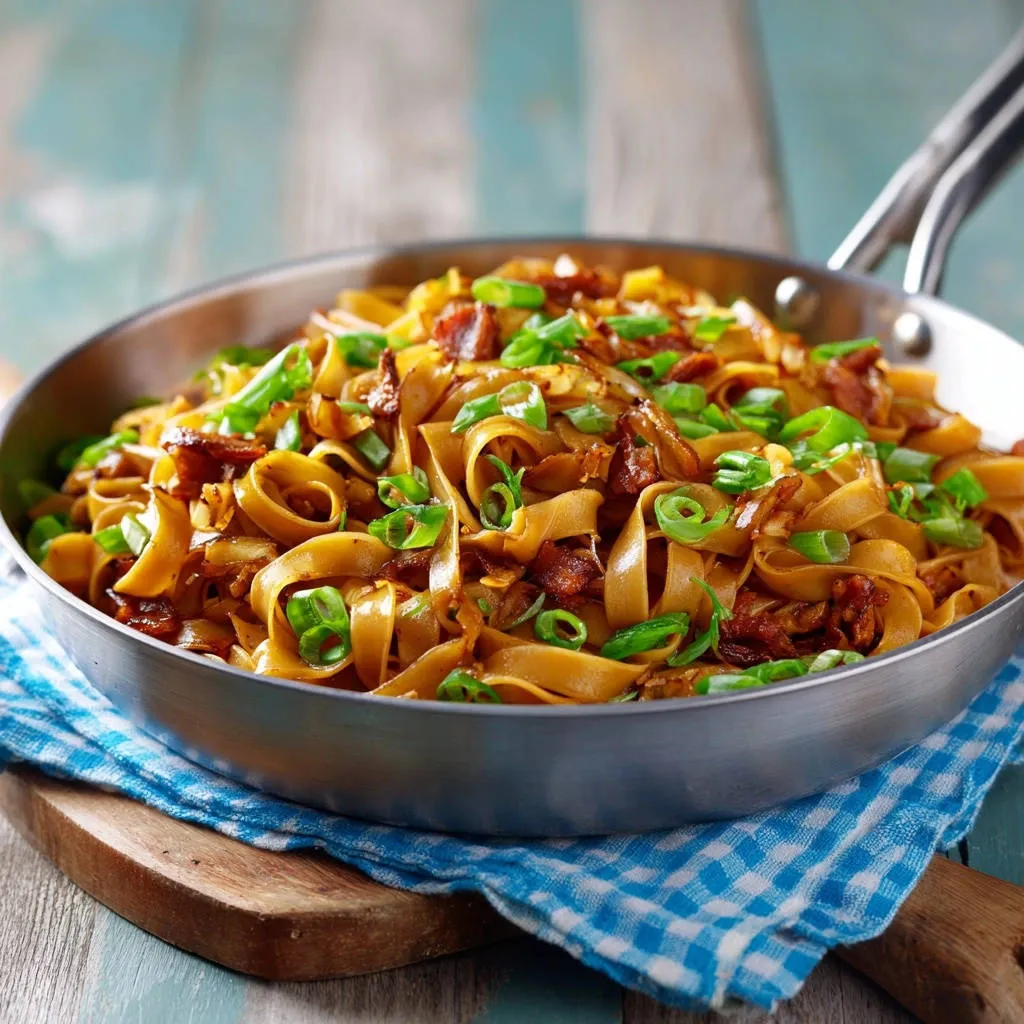
I finally mastered the simple, non-negotiable steps that guarantee every single strand is separate, glossy, and coated perfectly in sauce for this ultimate recipe for Savory Pan-Fried Noodles with Bacon.
The Noodle Secret: Why This Recipe Guarantees No Clumps
The biggest obstacle to achieving truly restaurant-quality pan-fried noodles is clumping, where the cooked strands glue themselves together the moment they hit the hot pan.
Our expert technique addresses this common issue by focusing on two crucial points of intervention: neutralizing excess surface starch and introducing a physical barrier.
The Critical Step: Rinsing Away the Starch Culprit
When noodles cook, they inherently release starch into the water and onto their surfaces; this surface starch acts as the primary bonding agent that causes stickiness.
Rinsing the noodles immediately after draining them under cool running water halts the cooking process and thoroughly washes away this residual, sticky starch.
The Oil Barrier: Locking in Permanent Separation
Even after rinsing, the naked noodle strands will try to bond again once heat is applied.
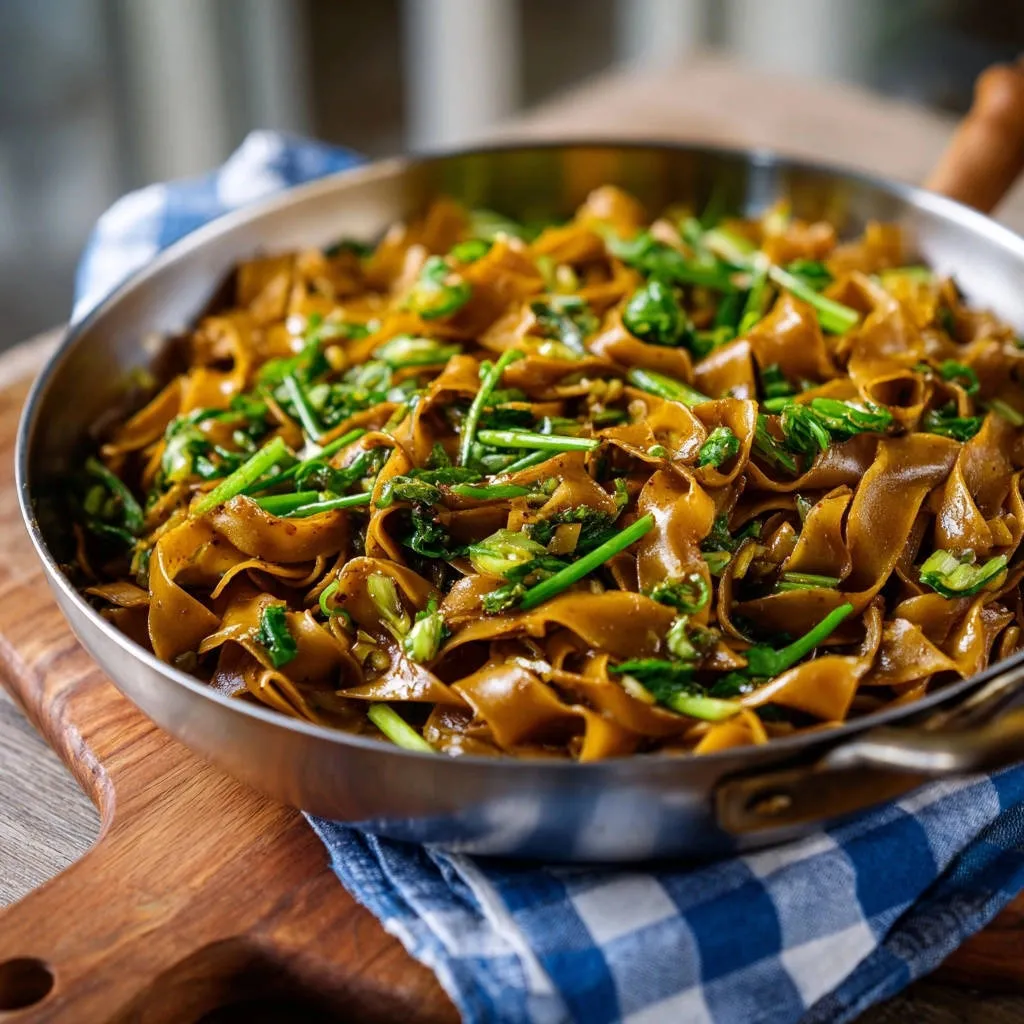
Tossing the rinsed, drained strands lightly with just a teaspoon of vegetable oil creates a thin, tasteless barrier that physically prevents the noodles from gluing back together under high heat.
Building Blocks of Flavor: Essential Ingredients Checklist
Choosing the Right Noodle Base (Flat Egg vs. Rice)
Wide flat egg noodles are the classic, traditional choice for this savory pan-fried dish, offering a wonderful chew and a porous texture ideal for sauce absorption.
If you prefer a gluten-free option or a slightly lighter bite, wide flat rice noodles work beautifully; just ensure they are cooked perfectly al dente, as they can quickly turn mushy.
Bacon and Rendered Fat: The Smoky Foundation
Rendering the bacon directly in the skillet is superior to adding pre-cooked bits because the rendered fat is the key flavor carrier for the entire dish.
This foundational fat deeply coats the onions and garlic, providing a richer, smoky base flavor that neutral vegetable oil simply cannot replicate.
Crafting the Perfect Balance: Umami-Rich Sauce Components
Soy sauce provides the essential umami depth, while the brown sugar is critical for balancing that savory saltiness and assisting in the sauce’s glossy caramelization and cling.
Toasted sesame oil is added right before the sauce simmers; its intensely nutty, aromatic profile defines the classic, comforting flavor of these pan-fried noodles.
Essential Prep & Tools for Pan-Frying Success
Must-Have Kitchen Equipment for High-Heat Cooking
Large Skillet (12-inch minimum): The size is critical for high-heat cooking and vigorous tossing, preventing the noodles from piling up and steaming and ensuring they truly fry.
Sturdy Tongs or Wooden Spoons: These tools allow you to constantly move, lift, and fold the heavy, slippery noodles quickly, ensuring even sauce coverage without tearing the strands.
A Colander: Absolutely essential for the non-negotiable step of quickly draining the hot noodles and then thoroughly rinsing them under cold running water.
The Mis En Place Strategy: Why Prep Time Matters
Pan-frying and stir-frying are high-speed cooking processes that demand your full attention and seamless transitions between steps.
Ensure your sauce is pre-mixed, bacon is diced, onions are sliced thin, and garlic is minced before you even light the burner. This setup guarantees success when the heat is high.
From Prep to Plate: Mastering the Pan-Frying Technique
- Noodle Prep: Cook, Rinse, and Toss with Oil
Cook the noodles according to package directions, aiming for just al dente-they will finish cooking in the hot pan later.
Immediately follow with the cold rinse to halt cooking, prevent overcooking, and wash away all surface starch.
Toss the noodles lightly with 1 teaspoon of vegetable oil right away. This crucial step is your non-stick insurance policy.
For a similar delightful clingy sauce experience, check out creamy bacon tortellini.
- Render the Bacon Base
Heat your large skillet over medium heat and cook the diced bacon until it is perfectly crisp and golden. This usually takes 5 to 7 minutes.
Remove the bacon pieces and set them aside, but make sure to reserve about 1 tablespoon of the rendered fat in the pan for maximum flavor transfer.
- Building the Aromatics
Add the sliced onions to the hot pan and sauté for 3 to 4 minutes until they begin to soften and slightly caramelize.
Add the minced garlic and cook for only 30 to 45 seconds until fragrant, immediately moving to the next step to prevent the garlic from scorching or tasting bitter.
- Creating the Clinging Sauce
Pour in the soy sauce, brown sugar, sesame oil, and water or reserved noodle liquid. Stir thoroughly to combine.
Bring this mixture to a gentle simmer for one minute, letting the sugar dissolve completely and allowing the flavors to fully integrate and marry.
- The High-Heat Fry and Toss (The Non-Stick Method)
Increase the heat to medium-high. Add the prepared, oiled noodles directly into the simmering sauce mixture.
Using tongs or two large wooden spoons, continuously and vigorously toss and fold the noodles for 2 to 3 minutes until they are evenly coated and heated through.
Crucially, keep the noodles moving until the sauce reduces and thickens, clinging beautifully to every individual strand, resulting in that desired glossy, non-sticky finish.
- The Final Finish and Presentation
Stir in half of the freshly chopped scallions and all of the reserved crispy bacon pieces. Toss once more just to combine the final flavors.
For more noodle ideas, explore this savory sausage and noodles recipe.
Transfer the Savory Pan-Fried Noodles with Bacon immediately to a serving dish and top generously with the remaining fresh scallions for contrast and a burst of freshness.
Troubleshooting & Pro Tips for Crisp and Glossy Noodles
Avoiding the Dreaded Soggy Noodle
Don’t Crowd the Pan: If your noodles are piled too high in the skillet, they release moisture and steam instead of frying. Use a large, wide skillet for high-heat cooking to allow maximum steam release.
Reduce the Liquid: Make sure the sauce base is simmered down sufficiently-until it just starts to thicken-before introducing the noodles. This prevents a thin, watery final dish and promotes glossiness.
Maximizing Bacon Flavor and Crunch
Save the Fat: That reserved tablespoon of rendered bacon fat is pure flavor gold; use it as the primary cooking oil to infuse the aromatics deeply into the dish.
Hold Back the Crispy Bits: Always stir the crispy bacon back into the dish right at the very end. Adding it too early guarantees that the crunchy texture will soften and become chewy in the simmering sauce.
Flavor Variations: Spice and Protein Substitutions
Add a Kick: Incorporate 1 to 2 teaspoons of robust chili garlic sauce or a generous squirt of sriracha into the sauce mixture during the simmering stage for immediate, balanced heat.
Protein Boost: Quickly sauté sliced chicken, thinly sliced beef, or small shrimp pieces until nearly done before the bacon step. Alternatively, add pre-fried cubes of firm tofu to the pan alongside the sauce.
Serving Suggestions and Storage Guidance
Best Ways to Serve Savory Pan-Fried Noodles with Bacon
Serve this umami-rich dish alongside a simple, refreshing complement, such as blanched garlic-ginger broccoli or crisp stir-fried baby bok choy.
Complementary Flavors
Round out your meal with these dishes that pair well with savory pan-fried noodles.
- For a bright, fresh counterpoint to your noodles, try this refreshing cucumber salad, offering a crisp texture.
- If you’re in the mood for more savory bites, these crispy glazed sesame chicken wings bring a satisfying chew and glaze.
For extra visual appeal and a pleasant textural contrast, consider adding a final sprinkle of toasted sesame seeds or a light dusting of chopped cilantro.
Handling Leftovers: Can I Make This Ahead?
Store leftovers immediately in an airtight container in the refrigerator for up to three days. While the texture is best fresh, they reheat well with proper care.
To reheat, use the stovetop in a hot skillet with a splash of water or broth. Avoid the microwave, which tends to dry out the noodle strands and compromise their glossy finish.
Frequently Asked Questions About Pan-Fried Noodle Prep
What if I don’t have toasted sesame oil?
Toasted sesame oil is essential for the characteristic aroma and flavor of these noodles; without it, the dish will lack its defining, nutty depth.
Do not substitute with raw sesame oil, which is too bitter. If absolutely necessary, you may use a very small amount of peanut oil, but the final taste will be noticeably different.
Why did the sauce become too thick or dry too fast?
This usually indicates that the heat was set too high during the final frying stage or that you did not toss the noodles vigorously enough.
If the sauce reduces too quickly, immediately add 1 to 2 tablespoons of water or stock while continuously tossing until the noodles reach the desired glossy, moist consistency.
Can I use dried onion powder or garlic powder instead of fresh?
While powders add flavor, they lack the necessary moisture, volume, and texture that fresh aromatics provide when building the initial foundation of the dish.
Using fresh garlic and onions allows you to properly temper the fat and create a richer, deeper flavor base that powders cannot mimic.
Ready to Impress? Share Your Savory Pan-Fried Noodles with Bacon Masterpiece!
With the simple, expert steps of rinsing and oiling, you are now equipped to conquer sticky noodles forever, ensuring separate, glossy strands every time.
This reliable recipe for Savory Pan-Fried Noodles with Bacon is quick, intensely flavorful, and guaranteed to become a favorite weeknight meal. Try this perfected technique tonight and taste the difference true E-E-A-T makes!
Pan-Fried Noodles
Course: Main CourseCuisine: AsianDifficulty: easy4
servings10
minutes15
minutes450
kcal25
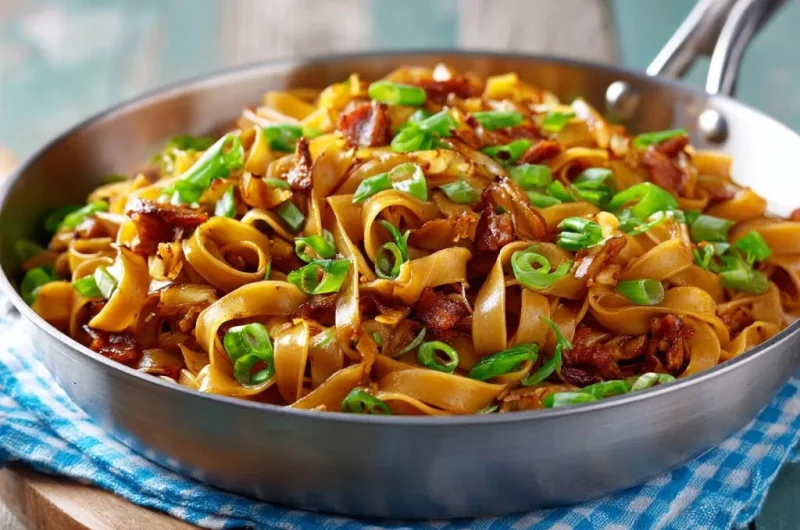
minutesTired of clumpy fried noodles? This recipe includes a simple, critical step that ensures every strand of wide noodle is perfectly separated, glossy, and coated in a savory sauce featuring crispy bacon, garlic, and sesame oil.
Ingredients
1 pound wide flat egg noodles or rice noodles
4 slices bacon, cut into small pieces
1/2 yellow onion, thinly sliced
4 cloves garlic, minced
2 tablespoons vegetable oil (plus extra for prep)
1/4 cup soy sauce (or tamari)
1 tablespoon brown sugar
1 teaspoon toasted sesame oil
1/2 cup water or noodle cooking liquid
4 scallions, chopped (divided)
Directions
- Cook and Prep the Noodles: Cook the noodles according to package directions until just al dente. This is critical for texture. Immediately drain the noodles and rinse thoroughly under cool running water. This removes surface starch which is the main culprit for clumping.
- Lock in Separation: Once rinsed and drained, immediately toss the cooked noodles lightly with 1 teaspoon of vegetable oil in a separate bowl. Set aside. This step forms a barrier that prevents the noodles from gluing themselves back together when they hit the hot pan.
- Render the Bacon: Heat a large 12-inch nonstick or stainless steel skillet over medium heat. Add the bacon pieces and cook, stirring occasionally, until they are crispy and the fat is rendered. Remove the crispy bacon pieces and set aside, leaving 1 tablespoon of rendered fat in the pan. Discard any excess fat or add the 2 tablespoons of vegetable oil if needed to reach the desired amount of cooking oil.
- Build the Base Flavor: Add the sliced onion to the hot pan and saute for 3 to 4 minutes until softened and starting to caramelize. Add the minced garlic and cook for 30 to 45 seconds until fragrant, ensuring the heat is low enough so the garlic does not scorch.
- Create the Sauce: Stir in the soy sauce, brown sugar, sesame oil, and water/noodle liquid. Bring the sauce to a gentle simmer for about 1 minute, letting the sugar dissolve.
- Fry the Noodles (The Non-Stick Method): Increase the heat to medium-high. Add the prepared, oiled noodles directly into the simmering sauce mixture. Using tongs or two large wooden spoons, quickly and constantly toss the noodles for about 2 to 3 minutes until the noodles are evenly coated, heated through, and the sauce has reduced and thickened slightly, clinging to the individual strands. Do not let them sit still.
- Finish and Serve: Stir in half of the chopped scallions and the reserved crispy bacon pieces. Toss once more. Transfer the noodles immediately to a serving dish and top generously with the remaining fresh scallions. Serve hot.
Notes
- Rinsing the noodles and lightly tossing them with oil after cooking is the secret to preventing clumping.