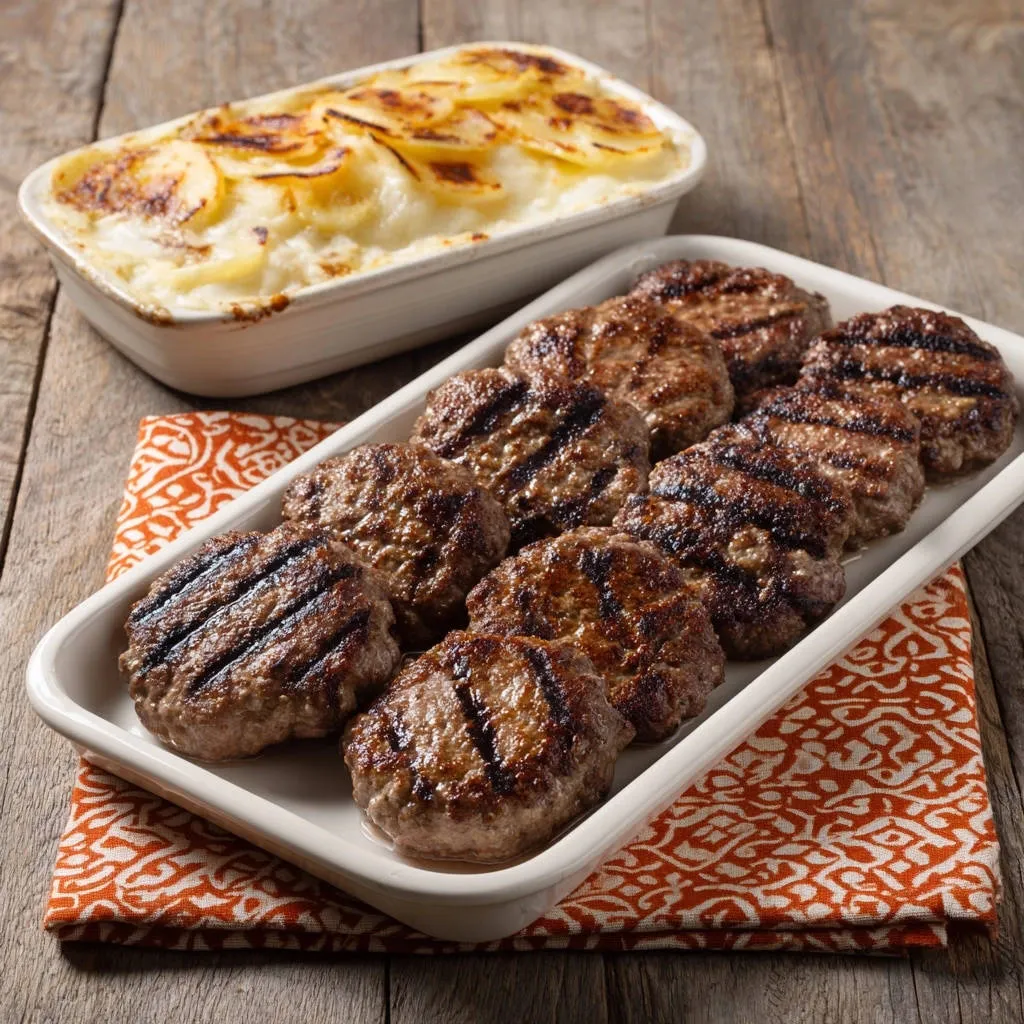
For years, I struggled with the common frustration of dry, shrinking meat patties that tasted more like rubber than dinner. This changed entirely when I discovered the crucial technique of the moisture-locking panade.
This recipe for Savory Seared Meat Patties solves the dryness dilemma permanently, guaranteeing an incredibly tender, juicy result every time, even when cooked well-done.
Beyond Basic Beef: Why This Patty Recipe Always Delivers Juiciness
The standard approach to making meat patties often results in tough texture because the proteins seize up quickly under heat. When ground meat is mixed only with dry seasoning, there is nothing to prevent this reaction, leading to significant shrinkage.
This recipe focuses on maintaining hydration and protecting the delicate meat structure. We are fundamentally changing the binder mechanism to ensure the final product remains plump and moist.
The Secret Weapon: Understanding the “Moisture Lock” Panade
A panade is simply a binder made by soaking a starch (like bread crumbs or crackers) in a liquid (water or milk) before adding it to the meat.
When the starch fully absorbs the cold liquid, it swells, creating a saturated paste. When this saturated paste is mixed into the ground meat, it effectively acts as a buffer.
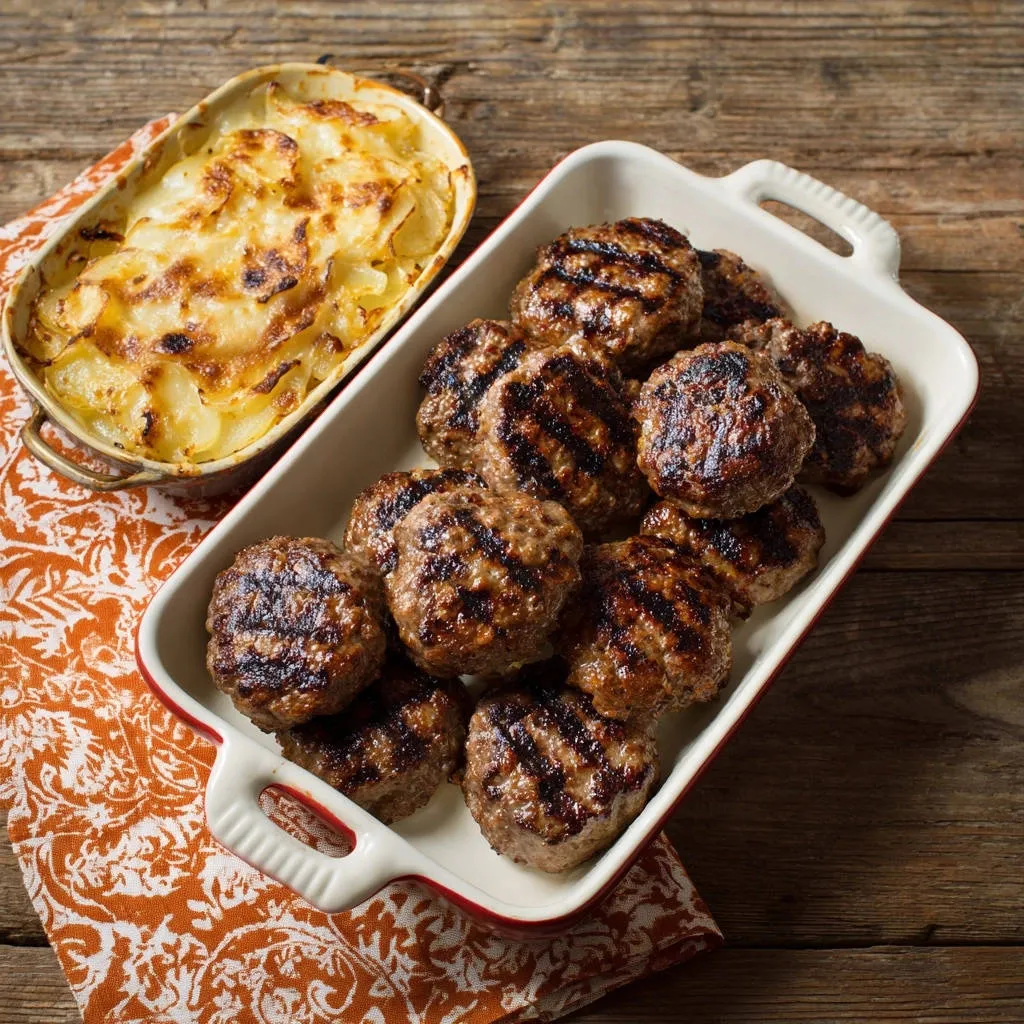
The panade prevents the meat proteins from tightening excessively when heat is applied. This crucial step locks the natural fat and moisture inside the patty, ensuring the meat stays tender and resists shrinkage during the searing process.
Eliminating the Dry, Tough Hockey Puck Problem
Implementing the panade technique delivers immediate and noticeable benefits, elevating these simple ground meat preparations.
- Prevents Shrinkage: The panade helps the patty maintain its size and shape during high-heat cooking.
- Guarantees Tenderness: It acts as a cushion, stopping the aggressive toughening of muscle fibers.
- Locks Flavor: The moisture retention ensures all the seasonings and beef flavor remain concentrated inside the Savory Seared Meat Patties.
Gathering Your Building Blocks: Key Ingredients and Essential Gear
Creating exceptional meat patties starts with thoughtful sourcing of ingredients, particularly focusing on the fat ratio and the quality of the binder components.
Precision in ingredient preparation is just as important as the technique itself to achieve maximum tenderness and flavor.
Choosing the Right Ground Beef Ratio (80/20 vs. Leaner Cuts)
The ideal ratio for the juiciest patty is 80/20 lean to fat (1.5 pounds of ground beef). This ratio ensures enough fat is present to render and baste the meat from the inside during cooking, contributing significantly to flavor and texture.
If you must use a leaner cut, such as 90/10, consider increasing the amount of panade liquid slightly or adding an extra tablespoon of finely grated, chilled butter to the mixture before combining.
Binder Breakdown: Crackers vs. Bread Crumbs (And Why Saltines Work Best)
Both finely crushed saltines and plain bread crumbs function perfectly well as the starch component for the panade.
However, saltine crackers often contain a slightly higher concentration of sodium and baking soda, which tenderizes the meat subtly and enhances the overall savory profile of the patties.
The primary role of this binder, regardless of whether you use crackers or bread crumbs, is to swell upon contact with liquid, creating the moisture barrier that ensures the meat remains juicy.
Essential Tools for Patty Prep and Searing
Large Mixing Bowl: Needs to be wide enough to allow gentle mixing. A generous size prevents the need to aggressively mash the mixture together.
Heavy-Bottomed Skillet or Grill Pan: Crucial for maintaining heat and achieving the perfect crust (e.g., cast iron). Cast iron holds heat consistently, promoting the Maillard reaction.
Meat Thermometer: Necessary for safety and ensuring optimal doneness without guessing. An instant-read thermometer is highly recommended.
From Mixing Bowl to Skillet: The Foolproof Method for Savory Seared Meat Patties
-
Step 1: Preparing the Panade (Moisture Lock Activation)
Combine the 1/2 cup of crushed saltine crackers or plain bread crumbs with the 1/4 cup of cold water or milk in a small bowl.
Allow exactly 5 minutes for the mixture to fully hydrate and form a thick, oatmeal-like paste. This step cannot be rushed; the full absorption of liquid is the key to preventing dryness.
-
Step 2 & 3: Gentle Combining is Non-Negotiable
Place the ground beef, spices (kosher salt, black pepper, garlic powder), and the entire panade paste into the mixing bowl.
Mix very gently using clean hands or a large spoon. You must stop the moment the binder is evenly distributed and the mixture is cohesive. Overworking the meat develops tough, ropey proteins that guarantee a dry texture.
-
Step 4: Shaping for Even Cooking and No Bulge
Divide the mixture into 8 equal portions and form smooth, thick patties, aiming for approximately 3/4 inch thick.
Crucially, use your thumb to press a shallow indentation into the center of each patty. This counteracts the natural contraction of the meat during cooking, preventing the patty from bulging into a rounded ball shape and ensuring even cooking.
-
Step 5: Sear for Maximum Crust Development
Heat the neutral high-heat oil (2 tablespoons, like canola or vegetable) in your skillet over medium-high heat until the oil shimmers slightly.
Place the patties into the hot pan, ensuring you do not overcrowd the skillet. Overcrowding drops the pan temperature significantly, which steams the meat instead of searing it.
-
Step 6: Cook to Perfection
Sear the patties for 3 to 4 minutes per side, depending on thickness. Adjust heat if necessary to ensure a deep brown crust without burning.
Cook until the internal temperature registers 160°F (71°C) in the thickest part of the meat. Use your instant-read thermometer for guaranteed safety and doneness.
-
Step 7: The Essential Rest
Remove the finished patties from the pan immediately and place them on a clean plate or cutting board.
Allow the patties to rest for a full 5 minutes before serving. This short rest allows the sealed-in juices, protected by the panade, to redistribute throughout the meat, maximizing tenderness and moisture.
Achieving Peak Flavor and Texture: Chef-Level Tips and Tricks
The Crucial Role of Cold Ingredients
Starting with cold ingredients-cold ground beef, cold liquid for the panade, and cold mixing tools-is essential for texture.
Keeping the ingredients cold ensures the fat within the beef stays solid longer. This results in a better texture and prevents the fat from rendering out prematurely before the exterior has a chance to set.
The Art of the Sear: Maximizing Crust Without Overcooking
To achieve a deep, caramelized brown crust (the Maillard reaction) without drying out the interior, you need consistent, high heat.
Ensure your pan is fully preheated and the oil is shimmering before adding the patties. Once the patties are added, resist the urge to move them for the first three minutes to allow the robust crust to develop fully.
Flavor Variations: Infusing Herbs and Spices
You can easily deepen the flavor profile of your Savory Seared Meat Patties by incorporating additional savory elements during the initial mixing stage.
A teaspoon of smoked paprika, a pinch of onion powder, or a dash of Worcestershire sauce adds significant complexity that complements the beef flavor beautifully.
For a delightful variation, explore these crispy pan-fried meat patties when you want a different take on seared goodness.
For fresh brightness, fold in 1/4 cup of finely chopped fresh herbs, such as parsley, chives, or oregano, just before the final gentle mix.
Troubleshooting Corner: Solving Common Meat Patty Mistakes
Problem: My Patties Are Falling Apart
This is likely due to insufficient binder, overly aggressive shaping, or using extremely lean meat.
If the mixture feels crumbly, gently re-mix with an extra tablespoon of cold liquid, allowing it a moment to absorb before shaping again. Remember, the panade is essential for structure.
Problem: They Shrunk Too Much While Cooking
Excessive shrinkage is almost always caused by aggressively mixing the meat, which tightens the proteins, or neglecting the thumb indentation trick.
Always adhere to the gentle mixing rule (mix only until just combined) and ensure that indentation is pressed into every patty before searing.
For more tips on preventing shrinkage, check out my guide to savory pan-fried patties.
Problem: The Exterior Is Burning Before the Inside Is Done
This means your heat setting is too high. You need high heat to start the sear, but you must reduce it after the initial two minutes.
After the crust forms, reduce the heat to medium and cover the pan for the last minute or two of cooking. This traps steam and helps the interior temperature catch up without burning the exterior.
Round Out Your Meal
These dishes pair well with your savory meat patties.
- For a touch of sweet heat, try this hot honey jalapeño cornbread, its crumbly texture offering a nice contrast.
- A cool and fresh herb and pea potato salad complements the richness of the patties with its creamy finish.
Beyond the Bun: Creative Ways to Serve Your Meat Patties
Weeknight Wonders: Quick Dinner Pairings
Serve these tender patties Swedish-style, quickly deglazing the pan with a bit of beef stock and heavy cream to create a rich, savory mushroom gravy for spooning over the meat.
Present them as an open-faced dinner with quick-pickled onions and a dollop of sharp, prepared horseradish sauce, paired alongside a simple green salad.
Make-Ahead Mastery and Storage Solutions
To prepare raw patties ahead, shape them and place them on a parchment-lined tray, covered tightly with plastic wrap. They will hold well in the refrigerator for up to 24 hours before searing.
Cooked Savory Seared Meat Patties store well in an airtight container for 3-4 days. To reheat, warm gently in the oven or air fryer rather than the microwave to retain moisture and texture.
Quick Answers: Frequently Asked Questions About Meat Patties
Can I Use Gluten-Free Binders Instead of Crackers?
Yes, suitable gluten-free alternatives include gluten-free bread crumbs, fine cornstarch mixed with liquid, or very finely ground oat flour.
The key is ensuring the binder is fully combined with the cold liquid first to create a saturated panade before incorporating it into the beef.
What is the Safest Internal Temperature for Ground Beef?
The USDA requires that all ground beef, including these patties, reaches an internal temperature of 160°F (71°C) to ensure safety and destroy any potential harmful bacteria. Always use a thermometer to confirm.
Can I Cook These Patties in the Oven or Air Fryer?
While searing delivers the best crust, you can cook them indirectly. In an oven, bake at 400°F (200°C) for 15-20 minutes. For an air fryer, set to 375°F (190°C) and cook for 10-14 minutes, spraying lightly with oil.
Ready to Master the Juiciest Savory Seared Meat Patties?
The difference between a dry, tough patty and one that is plump, tender, and intensely flavorful comes down entirely to understanding the moisture-locking panade technique.
Trust this foolproof method for making Savory Seared Meat Patties, and you will never fear dry ground beef again. Grab your ingredients, follow the gentle mixing rule, and prepare for a truly exceptional weeknight dinner!
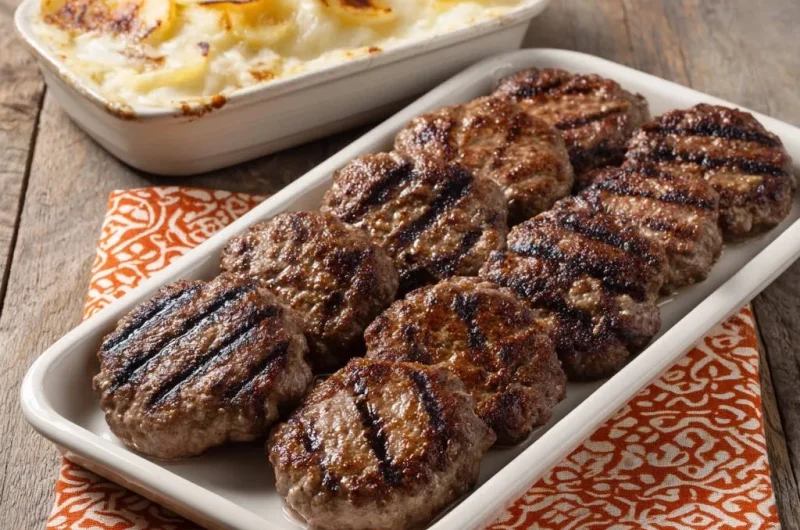
Meat Patties
Course: Main CourseCuisine: AmericanDifficulty: easy8
patties10
minutes15
minutes240
kcal25
minutesStop serving dry, tough hockey pucks! This recipe uses a simple moisture-locking trick (a cracker panade) to ensure your patties are incredibly tender and juicy. It’s the perfect foolproof weeknight dinner.
Ingredients
1.5 pounds ground beef (preferably 80/20 lean to fat ratio)
1/2 cup finely crushed saltine crackers or plain bread crumbs
1/4 cup cold water or milk
1 teaspoon kosher salt
1/2 teaspoon black pepper
1/2 teaspoon garlic powder
2 tablespoons neutral high-heat oil (like canola or vegetable)
Directions
- Prepare the Moisture Lock: In a small bowl, combine the crushed crackers or bread crumbs with the cold water or milk. Let this mixture sit for 5 minutes until the liquid is fully absorbed and the crumbs form a thick paste (this is the moisture-locking panade).
- Combine Gently: Place the ground beef, the salt, pepper, and garlic powder into a large mixing bowl. Add the cracker paste directly over the meat mixture.
- The Crucial Mixing Step: Using clean hands or a large spoon, combine the mixture. You must mix very gently and only until the ingredients are just incorporated. Overworking the meat is the fastest way to get a tough, dry patty. Stop mixing as soon as the crumbs disappear into the beef.
- Shape the Patties: Divide the mixture into 8 equal portions. Gently form each portion into a smooth, thick patty, about 3/4 inch thick. To prevent excessive bulging during cooking, use your thumb to press a shallow indentation into the very center of each patty.
- Sear for Crust: Heat the neutral oil in a large skillet or grill pan over medium-high heat until it shimmers. Place the patties in the hot pan, ensuring they are not overcrowded.
- Cook to Perfection: Sear the patties for 3 to 4 minutes per side, depending on thickness, until a beautiful brown crust forms and the internal temperature reaches 160 degrees F.
- Rest and Serve: Remove the patties from the pan and let them rest on a plate for 5 minutes before serving. The brief rest allows the internal juices, which were locked in by the cracker binder, to redistribute, guaranteeing a juicy and tender result every time.
Notes
- Crucial: Mix very gently and only until just combined. Overworking the meat is the fastest way to get a tough, dry patty.