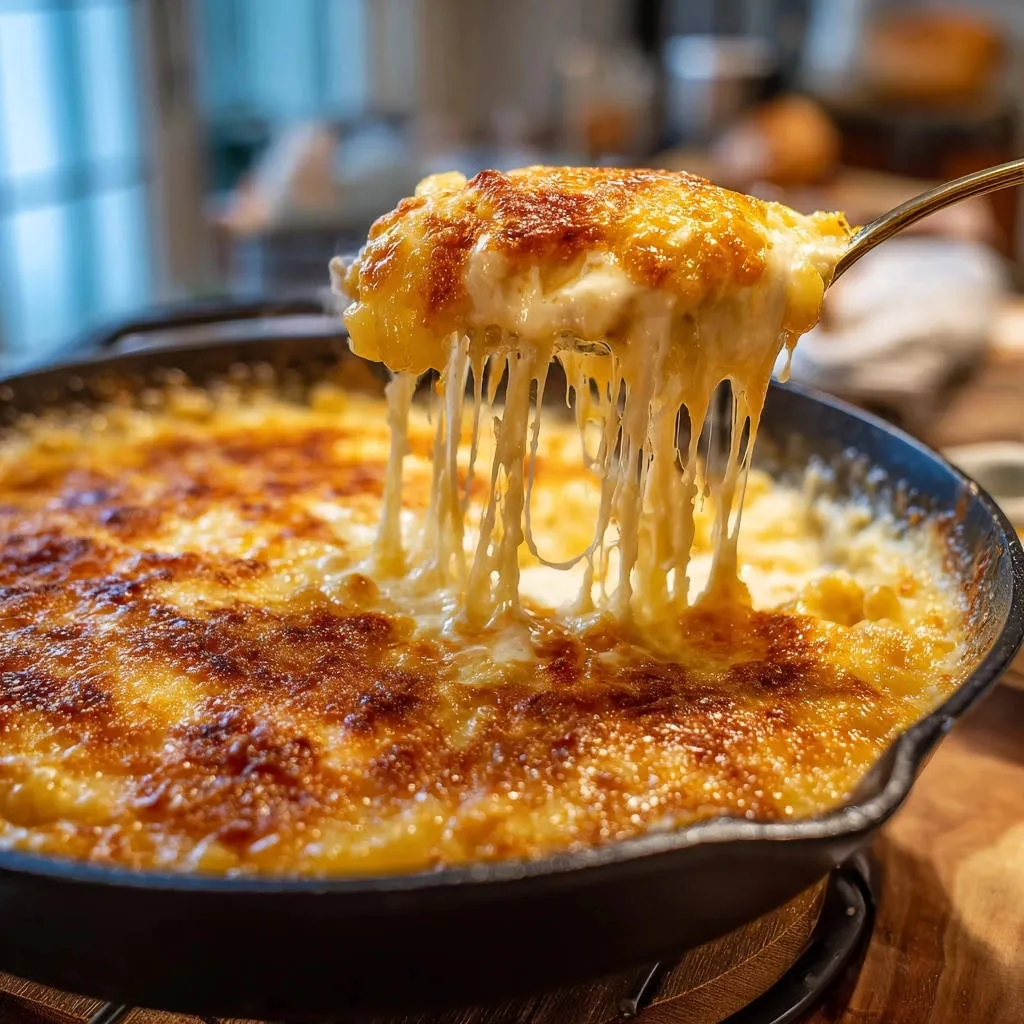
I spent years frustrated by baked macaroni and cheese that turned into a dry brick 10 minutes after leaving the oven-a common, heartbreaking challenge for home cooks.
I finally cracked the code, and this exceptional recipe for Skillet Baked Mac and Cheese guarantees a consistently creamy, velvety interior beneath a perfectly crisp, golden crust.
This approach relies entirely on moisture control and a specific oven technique that establishes trust and delivers the decadent, reliable results everyone craves.
The “Never Dry” Secret: Why This Recipe Delivers Irresistible Creaminess
This recipe solves the number one problem of baked mac and cheese: dryness.
Our method ensures every piece of pasta is suspended in a rich, supple sauce even after spending time under high heat.
Moisture Retention Strategy: The initial baking phase requires tightly covering the skillet with foil, which traps steam. This forced humidity prevents surface evaporation and ensures the pasta absorbs the necessary liquid to finish cooking.
The Al Dente Difference: Cooking the pasta 2 minutes shy of doneness is crucial for final texture. It enters the sauce intentionally undercooked, leaving room for it to swell and absorb the creamy liquid without becoming mushy or gluey.
One-Pot Cleanup Advantage: Utilizing an oven-safe skillet, typically cast iron, means the roux, sauce, and baking all happen in one vessel, drastically simplifying cleanup and maximizing heat efficiency.
The Essential Role of Reserved Pasta Water
Pasta water contains starches that act as a natural binder, helping to emulsify the cheese sauce and making it incredibly stable under heat.
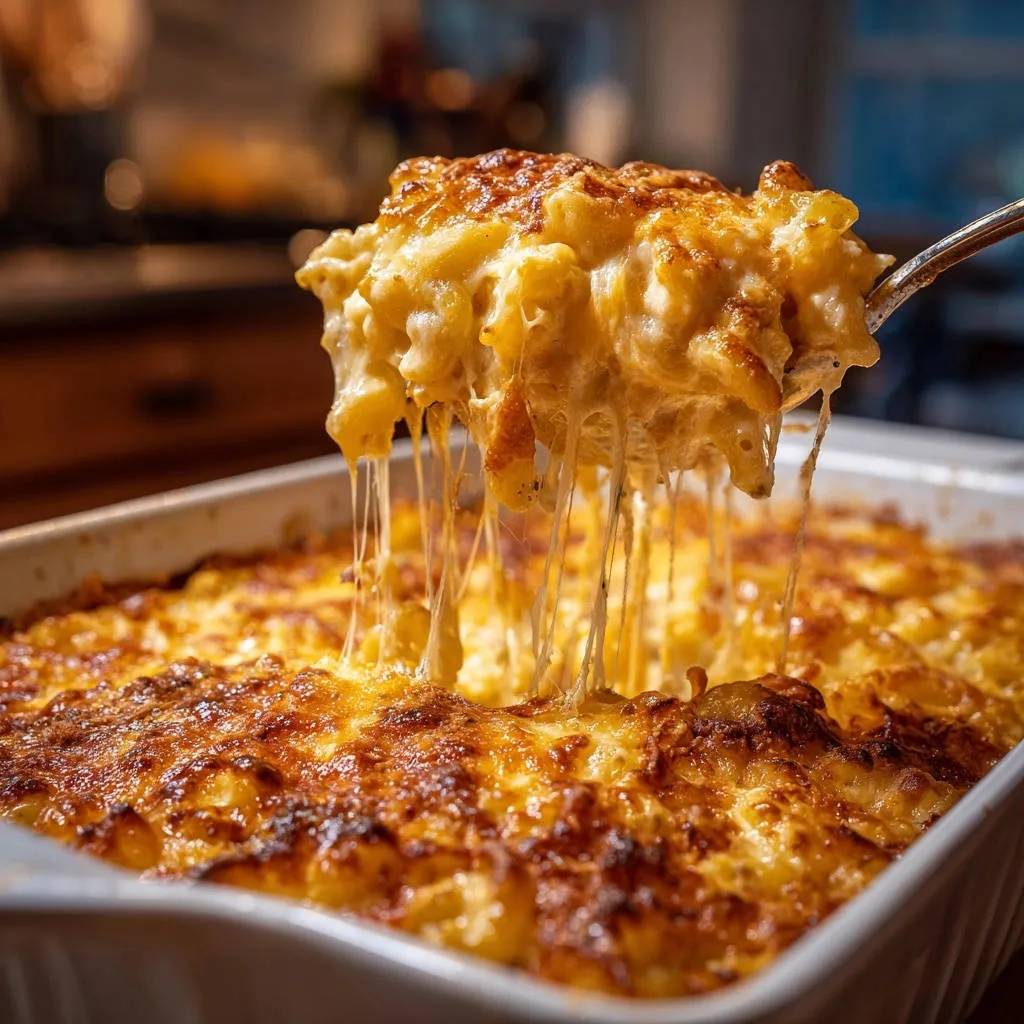
In this recipe, adding the reserved starchy water acts as a crucial moisture buffer against the intense heat of the oven, keeping the sauce supple and smooth.
A Thinner-Than-Normal Sauce: The Ultimate Anti-Dryness Fix
The sauce MUST be noticeably thinner than you would make for a stovetop macaroni and cheese because the macaroni will absorb a significant amount of liquid during the covered baking process.
If you start with a traditional, thick cheese sauce, the pasta will soak up the remaining moisture in the oven, guaranteeing a dense, cement-like consistency upon serving.
Building the Ultimate Cheese Pull: Essential Ingredients Breakdown
Choosing the right ingredients and preparing them correctly is paramount to achieving a truly exceptional Skillet Baked Mac and Cheese.
Selecting Your Cheese Blend: Sharpness, Stretch, and Crunch
We use a deliberate combination of Sharp Cheddar for intense flavor, Monterey Jack for superior melt and stretch, and Parmesan for a salty, crisp topping.
Always shred your own cheese from the block; pre-shredded varieties contain cellulose (anti-caking agents) that hinder a smooth, velvety melt.
The Liquid Base: Whole Milk, Heavy Cream, and Butter Ratio
The combination of whole milk and heavy cream provides the necessary fat content to create a rich, stable béchamel base without being overwhelmingly heavy.
Using whole milk is non-negotiable for sauce stability and flavor; lower-fat options often lead to a thinner, less reliable sauce that is prone to breaking.
Secret Spices: Mustard Powder and Nutmeg
Dry mustard powder doesn’t add a spicy flavor; its primary function is to enhance the savory, tangy notes of the cheddar cheese, making the overall flavor much deeper.
A tiny pinch of ground nutmeg is traditional in béchamel-based sauces and adds a warm depth that rounds out the sharp, salty profile without tasting sweet.
Essential Kitchen Tools for the Perfect Skillet Baked Mac
While the ingredients are important, the vessel you choose directly impacts the success of the baking process and the resulting texture.
Choosing the Right Oven-Safe Skillet (Cast Iron is King)
A deep 10-inch or 12-inch cast iron skillet is ideal because it retains heat evenly across the bottom and sides and transfers seamlessly from stovetop to oven.
Cast iron’s ability to hold residual heat helps keep the mac and cheese hot long after it leaves the oven, which is perfect for serving.
If using another material, ensure your skillet is deep-sided and rated for oven temperatures up to 400°F.
Additional Essential Items
A Sturdy Whisk: Necessary for smooth roux creation and integrating the cold liquids gradually without forming lumps.
Heavy-Duty Aluminum Foil: Absolutely required for the moisture-trapping step of the baking process-thin foil may tear or allow steam to escape.
Step-by-Step Guide: Crafting Your Skillet Baked Mac and Cheese
-
The Critical Pasta Prep: Cook Until Very Al Dente
Preheat your oven to 375°F. Cook the macaroni in salted water for exactly 2-3 minutes less than the package directs; it should still have a significant, chewy bite to it.
Reserve at least 1/2 cup of the starchy cooking water immediately before draining, then drain the pasta completely and set aside.
-
Build the Roux Base in the Skillet
Melt 3 tablespoons of the butter in your oven-safe skillet over medium heat. Whisk in the flour until a smooth paste forms, and cook this roux for exactly 60 seconds.
Cooking the roux for one minute is essential to eliminate the raw, floury taste that can ruin a cheese sauce.
-
Incorporate the Liquids Gradually
Pour in the cold milk and cream slowly, whisking continuously to prevent any lumps from forming in the roux.
Bring the sauce mixture to a gentle simmer and cook until it just begins to thicken enough to thinly coat the back of a spoon (about 4 minutes).
-
Achieving the Anti-Dryness Consistency (The Fix)
Remove the skillet entirely from the heat source. Stir in all dry seasonings-mustard, nutmeg, salt, and pepper-followed by the reserved pasta water.
The resulting sauce should look noticeably thinner than a stovetop mac sauce; do not be tempted to cook it down or thicken it further.
-
The Cheese Integration (Avoiding Graininess)
Add the shredded Cheddar and Monterey Jack in small batches, stirring constantly until each batch is fully melted and smooth before incorporating the next handful.
Keeping the skillet off the heat is vital here to prevent the high temperature from seizing the cheese proteins, which leads to a grainy, separated sauce.
-
Combine, Top, and Prepare for Baking
Fold the undercooked macaroni into the cheese sauce in the skillet until every single piece is completely coated with the thin, creamy mixture.
Smooth the top surface and sprinkle generously and evenly with the grated Parmesan cheese.
-
The Two-Phase Oven Method
Cover the skillet tightly with heavy-duty foil, ensuring a good seal. Bake for 15 minutes at 375°F; this covered phase traps moisture and allows the pasta to cook through.
Carefully remove the foil and bake uncovered for an additional 5 to 10 minutes until the topping is deeply golden brown and the edges are bubbly.
-
The Essential Rest Period
Allow the Skillet Baked Mac and Cheese to rest, undisturbed, for 5 minutes before serving.
This allows the residual heat to finalize the cooking process and gives the sauce a moment to finish setting and thicken slightly for optimal creaminess.
Chef’s Secrets: Mastering Texture and Flavor in Skillet Mac
Achieving restaurant-quality mac and cheese requires attention to a few key technical details and optional customizations.
Temperature Control: Preventing Cheese from Separating
Always add the cheese when the liquid base is piping hot, but the skillet is completely removed from the heat source.
Direct or boiling heat causes the milk fat to separate from the cheese proteins, resulting in an oily, grainy texture that cannot be easily fixed.
Customizing Your Topping Crust
For an extra crunchy topping, mix the Parmesan with a quarter cup of Panko breadcrumbs tossed in 1 tablespoon of melted butter before sprinkling over the top.
If you prefer a simpler, milder crust, use only the Parmesan; alternatively, you can dust the top lightly with paprika after the final bake for added color.
Adjusting the Cheese Ratios for Different Preferences
If you prefer a much sharper flavor profile, increase the ratio of Sharp Cheddar to Monterey Jack by two ounces.
If you prioritize extreme cheese pull and stretch, substitute Provolone or Gruyère for some of the Monterey Jack, as these varieties excel at emulsification and elasticity.
Troubleshooting Skillet Mac and Cheese: Common Mistakes and Fixes
Even expert recipes can encounter unexpected issues. Here are fixes for the most common challenges in making a smooth, creamy baked mac and cheese.
The Sauce is Too Runny Before Baking
If the sauce seems excessively thin (even thinner than our intended anti-dryness consistency), you can place the skillet back over low heat for 1-2 minutes, stirring constantly, until it barely clings to the whisk.
Be extremely cautious not to allow the sauce to come to a boil at this stage, and always ensure you measured the milk and cream accurately, as excessive liquid will dilute the roux’s starch.
My Skillet Baked Mac and Cheese Came Out Dry and Stiff
This result usually indicates that the pasta was overcooked initially, or the skillet was not covered tightly enough during the critical first baking phase.
If serving, you can sometimes rescue dry mac and cheese by stirring in a few tablespoons of warmed whole milk or heavy cream, adding a tablespoon at a time, until the desired creaminess returns.
My Cheese Sauce Tastes Bland
Blandness is often due to insufficient salt; mac and cheese requires substantial seasoning to flavor the large batch of pasta and sauce.
Taste the sauce right after adding the cheese and adjust salt and pepper liberally before folding in the macaroni; the starches will absorb a lot of the initial seasoning.
Serving, Storage, and Reheating: Enjoying Your Creation
This decadent dish is perfect for weeknight dinners or holiday gatherings, provided you know how to maximize its freshness and reheat it properly.
Best Sides to Serve with Skillet Baked Mac and Cheese
Because this dish is inherently rich and comforting, pair it with light, acidic, or fresh sides to cut through the fat.
Excellent accompaniments include a crisp green salad with a tart vinaigrette, lightly roasted broccoli, or simple steamed green beans.
Make-Ahead Tips and Refrigeration Guidelines
This recipe is truly best made and consumed fresh, but you can prepare the cheese sauce and store it separately from the undercooked pasta in the refrigerator for up to 2 days.
If baking the assembled dish from cold, add 5-10 minutes to the initial covered baking time to ensure the center is fully heated through before removing the foil.
How to Perfectly Reheat Leftovers Without Drying Them Out
Reheat individual portions in the microwave, ensuring you stir in a splash of milk or cream (about 1 teaspoon per cup of mac and cheese) before heating until warm.
For reheating larger portions, transfer them to an oven-safe dish, add a few tablespoons of liquid, cover tightly, and reheat in a 300°F oven.
Frequently Asked Questions About Baking Mac and Cheese in a Skillet
Addressing common queries helps solidify the expertise and applicability of this method.
Can I substitute a different pasta shape for macaroni?
Yes, shapes like cavatappi, shells, or rotini work excellent because their grooves or curves hold the thick, rich cheese sauce wonderfully.
Regardless of the shape, you must ensure the cooking time is reduced to achieve that critical al dente stage before mixing.
Can this recipe be made with other cheeses?
Absolutely. Good melting cheeses are essential, so feel free to experiment with Gruyère, Fontina, Havarti, or Colby Jack.
Just ensure that at least 60% of your total cheese blend consists of high-moisture, good-melting varieties to guarantee a smooth sauce.
Is it necessary to cover the skillet with foil?
Yes, covering the skillet is the cornerstone of the “never dry” technique and is entirely non-negotiable.
The foil traps steam, forcing the liquid to be absorbed by the pasta rather than evaporating into the oven, resulting in superior, enduring creaminess.
Ready to Impress? Share Your Skillet Baked Mac and Cheese Masterpiece!
This Skillet Baked Mac and Cheese recipe is proof that you don’t have to sacrifice a crispy, satisfying crust for a consistently creamy center.
Gather your ingredients, trust the thin sauce method, and prepare for the best homemade baked mac and cheese your family has ever tasted-a dish truly worthy of your culinary efforts.
When you’re ready for another cheesy delight, try these cheesy scalloped potatoes.
We love seeing your results! Don’t forget to rate this recipe and share your experience.
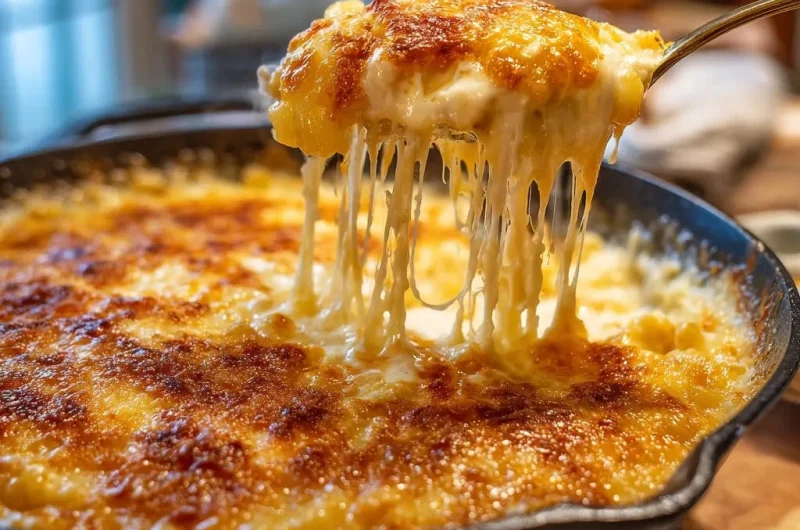
Skillet Baked Mac and Cheese
Course: Main CourseCuisine: AmericanDifficulty: medium6
servings20
minutes30
minutes650
kcal55
minutesThis recipe guarantees creamy, moist mac and cheese straight from the oven, preventing the dreaded dry and gluey texture. The secret involves undercooking the pasta and maintaining a slightly thinner sauce before baking. Finished in a single skillet, this comfort dish features sharp cheddar, Monterey Jack, and a crispy Parmesan crust.
Ingredients
1 pound elbow macaroni (or similar short pasta)
4 tablespoons unsalted butter, divided
1/4 cup all-purpose flour
2 cups whole milk
1 cup heavy cream
1 teaspoon dry mustard powder
1/4 teaspoon ground nutmeg
Salt and fresh black pepper to taste
8 ounces sharp cheddar cheese, shredded
4 ounces Monterey Jack cheese, shredded (for stretch)
2 ounces Parmesan cheese, finely grated (for topping)
Directions
- Prepare the Pasta: Preheat your oven to 375 degrees F. Cook the macaroni in salted boiling water until it is very al dente (about 2 minutes less than package directions). This is critical, as the pasta will continue to cook in the sauce. Drain the pasta immediately, reserving 1/2 cup of the pasta cooking liquid. Set aside.
- Build the Cream Base: Melt 3 tablespoons of butter in a large, oven-safe skillet (like a cast iron skillet) over medium heat. Whisk in the flour until a smooth paste (a roux) forms and cook for 1 minute.
- Incorporate Liquid: Gradually whisk in the whole milk and the heavy cream until the mixture is smooth. Bring the sauce to a gentle simmer, whisking occasionally. Cook for about 4 minutes until the sauce begins to thicken slightly.
- The Anti-Dryness Fix (Solution Highlight): Remove the skillet from the heat. Stir in the mustard powder, nutmeg, salt, and pepper. The sauce should be thinner than you might usually make it for stovetop mac and cheese; this extra moisture is essential for preventing the pasta from drying out during baking. Stir in the reserved pasta water.
- Add Cheese: Slowly add the shredded cheddar and Monterey Jack cheeses in batches, stirring until each batch is fully melted and smooth before adding the next. Taste and adjust seasoning.
- Combine and Bake: Fold the undercooked macaroni into the cheese sauce in the skillet. Ensure the pasta is completely coated. Sprinkle the grated Parmesan cheese evenly over the top layer.
- Oven Method: Cover the skillet tightly with foil. This step is non-negotiable for moisture retention! Bake for 15 minutes, covered.
- Finishing Touches: Carefully remove the foil and return the skillet to the oven. Bake uncovered for another 5 to 10 minutes, or until the top is deeply golden brown and bubbly. Let the mac and cheese rest for 5 minutes before serving to allow the sauce to set slightly.
Notes
- Ensure the pasta is cooked very al dente (2 minutes less than package time) and the skillet is covered tightly with foil during the first 15 minutes of baking to retain moisture.