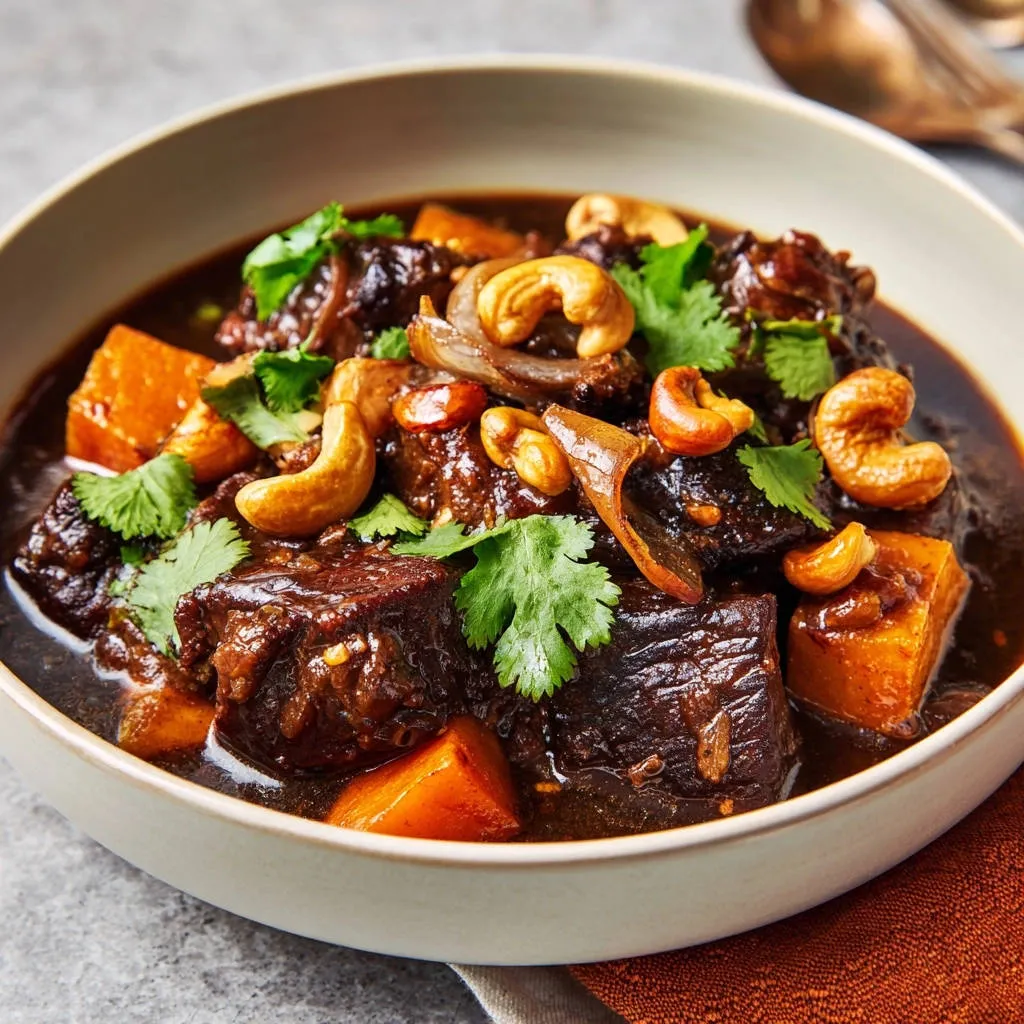
There is nothing more frustrating than spending hours braising beef only to find the results tough and dry. I’ve refined this method for Sticky Beef and Sweet Potato Braise specifically to eliminate that risk, guaranteeing melt-in-your-mouth tenderness every single time.
This recipe uses a simple, two-step technique that locks in moisture before the low-and-slow cooking process even begins, delivering that rich, sticky glaze and deeply satisfying, fork-tender beef everyone craves.
The Secret Weapon: Why This Braised Beef Recipe Works Every Time
Solving the Tough Meat Dilemma: The Two-Step Technique
The secret to tender braised meat lies in proper preparation before the liquid is even introduced. First, you must pat the beef cubes completely dry with paper towels-moisture inhibits the Maillard reaction necessary for building flavor.
The second step involves executing a high-heat sear, creating a deeply browned, crusty exterior. This crust is crucial; it traps the internal juices, preventing them from escaping during the long braise, resulting in that guaranteed velvety texture.
Mastering Umami Depth: Inside the Sticky Sauce
The complexity of this braise comes from balancing salt, sweetness, and acidity into a sticky, syrupy glaze. We achieve maximum depth by starting with dark soy sauce, which provides a richer color and molasses-like flavor compared to standard soy.
Brown sugar and rice vinegar are the key players that create the perfect “sticky” texture and necessary acidic cut. The sugar caramelizes and thickens the sauce, while the vinegar brightens the overall richness, preventing the dish from tasting overly heavy.
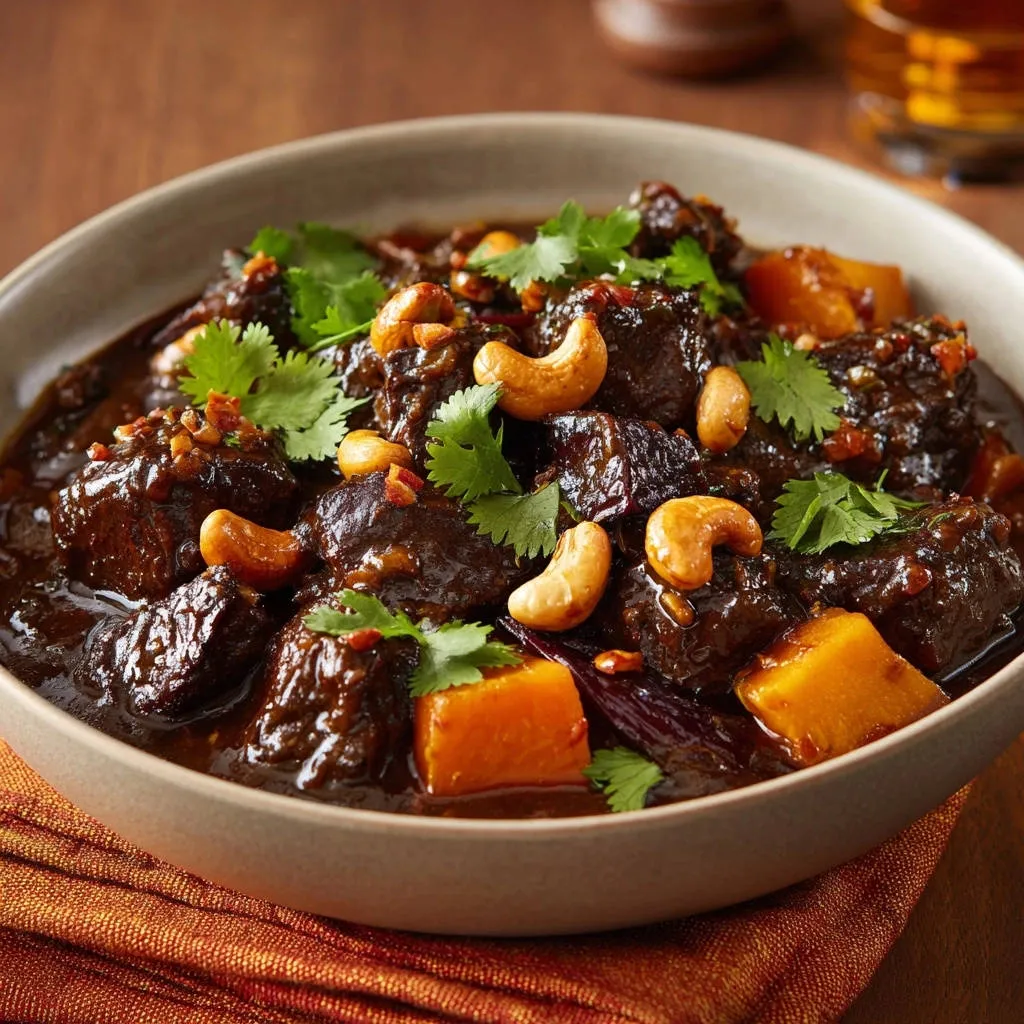
Assembling the A-Team: Ingredients That Deliver Deep Flavor
Selecting Your Beef: Short Ribs vs. Stew Meat
Boneless beef short ribs are generally preferred for braising because their high fat and connective tissue content break down beautifully into gelatin, enriching the sauce dramatically.
Pre-cut stew meat offers convenience, but ensure you select pieces with visible marbling and avoid anything too lean, as lack of fat will inevitably lead to drier results in the final Sticky Beef and Sweet Potato Braise.
The Essential Aromatics: Garlic, Ginger, and Onion
These three aromatics form the essential savory foundation for the entire dish. The onion provides necessary moisture and sweetness while sautéing, garlic offers pungent depth, and fresh ginger introduces a crucial, warm counterpoint to the soy sauce.
For optimal flavor release, ensure the onion is sliced thickly for a long sauté, and the garlic and ginger are freshly minced. Mincing releases the highest amount of flavorful volatile oils when they hit the hot fat.
Sweet Potato vs. Butternut Squash: Making the Perfect Choice
Sweet potato or butternut squash were chosen as the starch because they are dense enough to hold their shape through the final cooking stage. They also absorb the sauce beautifully without disintegrating.
Sweet potatoes tend to be slightly softer and sweeter, complementing the sticky glaze perfectly. Butternut squash offers a slightly firmer texture and a milder, nuttier flavor that balances the strong savory notes.
Tools of the Trade: Equipping Your Kitchen for Braising Success
The Indispensable Dutch Oven
A heavy, thick-walled Dutch oven is non-negotiable for achieving perfect braised beef. Its superior mass holds and distributes heat evenly, preventing hot spots that could scorch the bottom layer or cook the meat unevenly.
Essential Prep Tools
A sharp chef’s knife and a sturdy cutting board are vital for safely and quickly preparing the dense beef and hard winter squash. Quality tools ensure consistency in the size of the ingredients, leading to uniform cooking.
Mastering the Braise: A Detailed Guide to the Sticky Beef Method
Step 1: The Critical Drying and Seasoning Prep
Take the time to pat the 2 pounds of beef cubes completely dry using several layers of paper towels. Any surface moisture turns into steam, which prevents the essential crust from forming.
Season the dried beef generously with salt and pepper; remember, this is your primary chance to season the interior of the meat thoroughly before cooking.
Step 2: Executing the High-Heat Sear
Heat the oil in your Dutch oven over medium-high heat until it shimmers, then introduce the beef in small batches. This rule is absolute: overcrowding the pot drops the temperature, leading to gray, steamed meat instead of a deep sear.
Sear each batch until it has developed a deep, crusty brown exterior on all sides, usually about 2 to 3 minutes per surface. Remove the seared meat immediately and set it aside to hold its moisture.
Step 3: Building the Flavor Foundation
Add the sliced yellow onion to the pot and sauté gently for 3 to 4 minutes until they begin to soften and become translucent. Next, add the minced garlic and ginger.
Cook the garlic and ginger for only 1 minute, stirring constantly, until they are highly fragrant. This short cooking time prevents the aromatics from burning and turning bitter.
Step 4: Deglazing and Sauce Creation
Pour in the beef broth, dark soy sauce, brown sugar, rice vinegar, and sesame oil. Bring this mixture up to a simmer quickly.
For a deeper dive into slow-braised beef, explore this slow-braised beef bourguignon.
Use a wooden spoon to scrape up all the delicious, browned bits (the fond) stuck to the bottom of the pot. Incorporating the fond is critical as it adds layers of deep, caramelized flavor to the final sticky sauce.
Step 5: Low and Slow Braising (2.5 Hours)
Return the seared beef to the pot, ensuring the liquid covers roughly two-thirds of the meat. If needed, add a small splash of extra broth, then cover the pot tightly.
Transfer the covered pot to an oven preheated to a very low 300°F (150°C). This low, consistent temperature is the key to slowly breaking down collagen fibers without drying out the muscle, guaranteeing ultimate tenderness for your Sticky Beef and Sweet Potato Braise.
Step 6: Adding Vegetables and Finishing the Braise
After the initial 2.5 hours, stir in the cubed sweet potato or squash. We delay adding the starch to ensure it doesn’t turn to mush during the long cook time.
Return the pot to the oven and continue braising for another 45 to 60 minutes. The dish is done when the beef is absolutely fork-tender, easily shredding under slight pressure, and the sweet potato is soft through to the center.
Step 7: Final Seasoning and Presentation
Once removed from the oven, stir in the raw cashews for textural contrast. Taste the sauce and adjust the salt and pepper as necessary; remember, braises intensify in flavor as they reduce.
Ladle the rich, sticky braise into deep bowls and finish with a generous sprinkle of fresh cilantro for a bright, herbal garnish that cuts through the richness.
Troubleshooting and Pro Tips for the Ultimate Sticky Braise
Temperature Control: The Only Way to Achieve Guaranteed Tenderness
Never rush the braising process by turning up the heat; high heat causes the muscle fibers to seize up, resulting in tough meat regardless of the quality of the beef. Stick firmly to the 300°F oven temperature.
My Sauce is Too Thin! How to Adjust Consistency
If the sauce seems too liquid after the beef is tender, simply remove the meat and vegetables, and simmer the remaining sauce uncovered on the stovetop over medium-high heat until it reduces to your desired thickness. Alternatively, stir in a cornstarch slurry (1 tbsp cornstarch mixed with 2 tbsp cold water) and simmer until thickened.
Making Ahead: Tips for Peak Flavor and Ease
Braising is an ideal make-ahead meal; the flavors deepen considerably overnight, making the dish even better the next day. Cool the braise completely before transferring it to an airtight container and refrigerating for optimal results.
Handling the Cashews: Roasting for Extra Crunch
For enhanced texture and depth, lightly toast the raw cashews in a dry pan for a few minutes before stirring them into the finished dish. This slight roasting process brings out their nutty oils and provides maximum contrast against the soft beef.
How to Serve and Store Your Sticky Beef and Sweet Potato Braise
Classic Sides and Perfect Pairings
The rich, sticky sauce is designed to be absorbed by a neutralizing starch. Serve your Sticky Beef and Sweet Potato Braise over fluffy jasmine rice, creamy polenta, or even soft mashed potatoes.
Balance the hearty nature of the meal with a simple green side dish. A quick plate of blanched and seasoned green beans or steamed broccoli provides a necessary textural break and freshness.
Reheating and Freezer Storage Guidelines
Store leftovers in a sealed container in the refrigerator for up to 3 to 4 days; the depth of flavor only improves with storage.
The best method for reheating the braise without drying out the meat is low and slow on the stovetop. Reheat it in a covered pot over medium-low heat, adding a splash of broth or water if the sauce seems too thick.
Essential Questions About Beef Braising, Answered
What if I don’t have a Dutch oven?
While a Dutch oven is ideal, you can successfully braise in any heavy, oven-safe pot that has a tight-fitting lid. Ensure the material can handle consistent, low heat and retains heat well, such as cast iron or thick stainless steel.
Can I use pre-minced garlic and ginger?
Freshly minced garlic and ginger provide the most robust and vibrant flavor, which is highly recommended for this recipe. If using pre-minced products, add them to the pot only for the briefest moment, as they burn much faster than fresh alternatives.
How do I make the Sticky Beef and Sweet Potato Braise gluten-free?
The majority of the ingredients in this dish are naturally gluten-free. To make the entire recipe safe, simply substitute the dark soy sauce with an equal amount of certified gluten-free Tamari or coconut aminos, as they provide similar umami depth.
Ready to Impress? Share Your Sticky Beef and Sweet Potato Braise Masterpiece!
You now possess the foolproof technique for achieving guaranteed, fork-tender beef in this incredible braise. This recipe delivers maximum flavor with minimal fuss, transforming a humble cut of meat into a truly memorable meal.
Give this Sticky Beef and Sweet Potato Braise a try this weekend and discover the joy of perfect low-and-slow cooking. Don’t forget to share your success and photos with us!
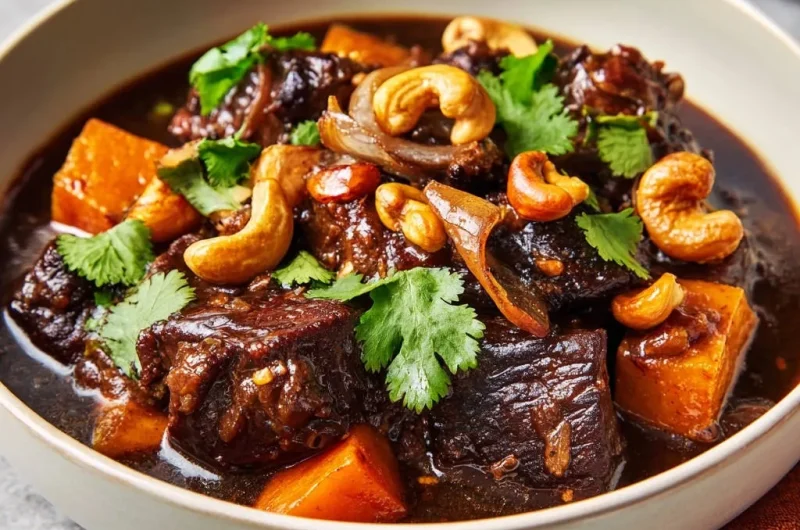
Sticky Beef Braise
Course: Main CourseCuisine: AsianDifficulty: medium4
servings20
minutes3
hours650
kcal200
minutesNever suffer tough stew meat again! This recipe uses a critical two-step technique (high sear + low braise) to ensure velvety, shreddable beef that melts into a rich, sticky sauce with sweet potatoes.
Ingredients
2 lbs boneless beef short ribs or stew meat, cut into 2-inch chunks
1 tablespoon vegetable oil
1 large yellow onion, sliced thickly
1 tablespoon minced garlic
1 teaspoon minced ginger
1 cup beef broth
1/2 cup dark soy sauce (or low-sodium soy sauce)
1/4 cup brown sugar, packed
2 tablespoons rice vinegar
1 teaspoon toasted sesame oil
1 large sweet potato or butternut squash, peeled and cut into 1 inch cubes
1/2 cup raw cashews
Salt and pepper to taste
Fresh cilantro, for garnish
Directions
- Prepare the Beef for Maximum Sear (The Fix Setup): Pat the beef cubes completely dry with paper towels. This step is critical for developing a deep crust instead of steaming the meat. Season generously with salt and pepper.
- Execute the High-Heat Sear (The First Part of the Fix): Heat the vegetable oil in a heavy Dutch oven or large oven-safe pot over medium-high heat until shimmering. Sear the beef in small batches, ensuring there is plenty of space between pieces. Do not overcrowd the pot or the temperature will drop. Sear each batch until deeply browned and crusty on all sides (about 2 to 3 minutes per side). Remove all seared beef and set aside.
- Build the Flavor Base: Add the sliced onion to the pot and saute for 3 to 4 minutes until softened. Add the garlic and ginger and cook for 1 minute until fragrant.
- Deglaze and Create the Sauce: Stir in the beef broth, dark soy sauce, brown sugar, rice vinegar, and sesame oil. Bring the mixture to a simmer, scraping up any browned bits from the bottom of the pot.
- Assemble and Braise Low and Slow (The Second Part of the Fix): Return the seared beef to the pot. The liquid should cover about two-thirds of the meat. If necessary, add a little more broth. Cover the pot tightly with a lid and transfer it to an oven preheated to a very low 300 degrees F. Braise for 2.5 hours. The low, consistent temperature is what slowly breaks down the collagen without drying out the muscle fibers, resulting in that guaranteed tender meat.
- Add Vegetables and Finish: After 2.5 hours, stir in the cubed sweet potato or squash. Return to the oven and continue braising for another 45 to 60 minutes, or until the beef is absolutely fork-tender and easily shreds under slight pressure, and the sweet potato is soft.
- Serve: Stir in the cashews and adjust seasoning as needed. Ladle the sticky braise into bowls and garnish generously with fresh cilantro before serving.
Notes
- The key to perfect tenderness is patting the beef completely dry before searing and using a very low oven temperature (300°F) for the long braise.