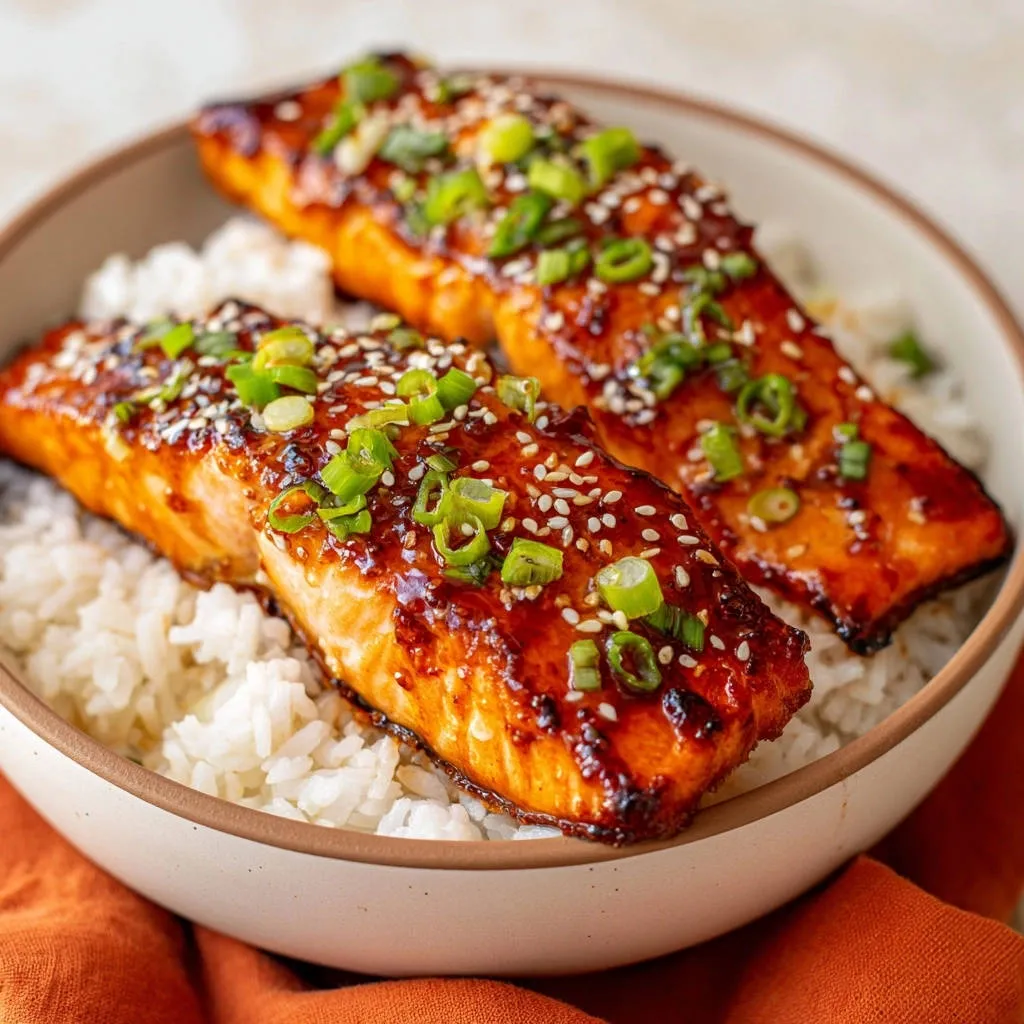
I used to dread making beautiful, glazed salmon at home because the sauce always seemed to burn before the fish was fully cooked. This frustrating experience often led to a charred mess instead of the perfectly caramelized meal I envisioned. However, I’ve finally mastered the technique to achieve incredible Sticky Garlic Salmon every single time, without a hint of burning.
This recipe transforms a common kitchen challenge into a triumph, delivering a flaky, flavorful salmon coated in an irresistible sticky glaze. Get ready to impress yourself and your family with this foolproof method.
Why This Sticky Garlic Salmon Recipe Is a Game-Changer
This particular Sticky Garlic Salmon stands out because it systematically addresses the common pitfalls of cooking glazed fish. It’s designed for home cooks who crave impressive results without the stress.
Say Goodbye to Burnt Glaze (Seriously!)
The innovative technique in this recipe ensures your flavorful garlic ginger glaze caramelizes perfectly onto the salmon without scorching. We achieve this by partially cooking the salmon first, then finishing it quickly in the thickened sauce.
Quick Weeknight Wonder
Despite its gourmet taste, this glazed salmon dish comes together remarkably fast, making it an ideal choice for busy weeknights. With minimal prep and active cooking time, you can have a restaurant-quality meal on the table in under 30 minutes.
Restaurant-Quality Flavor at Home
The balance of savory soy, sweet honey, tangy rice vinegar, and pungent garlic and ginger creates an incredibly complex and satisfying flavor profile. Each bite of this pan-seared salmon offers a delightful sticky texture and rich taste that rivals your favorite takeout.
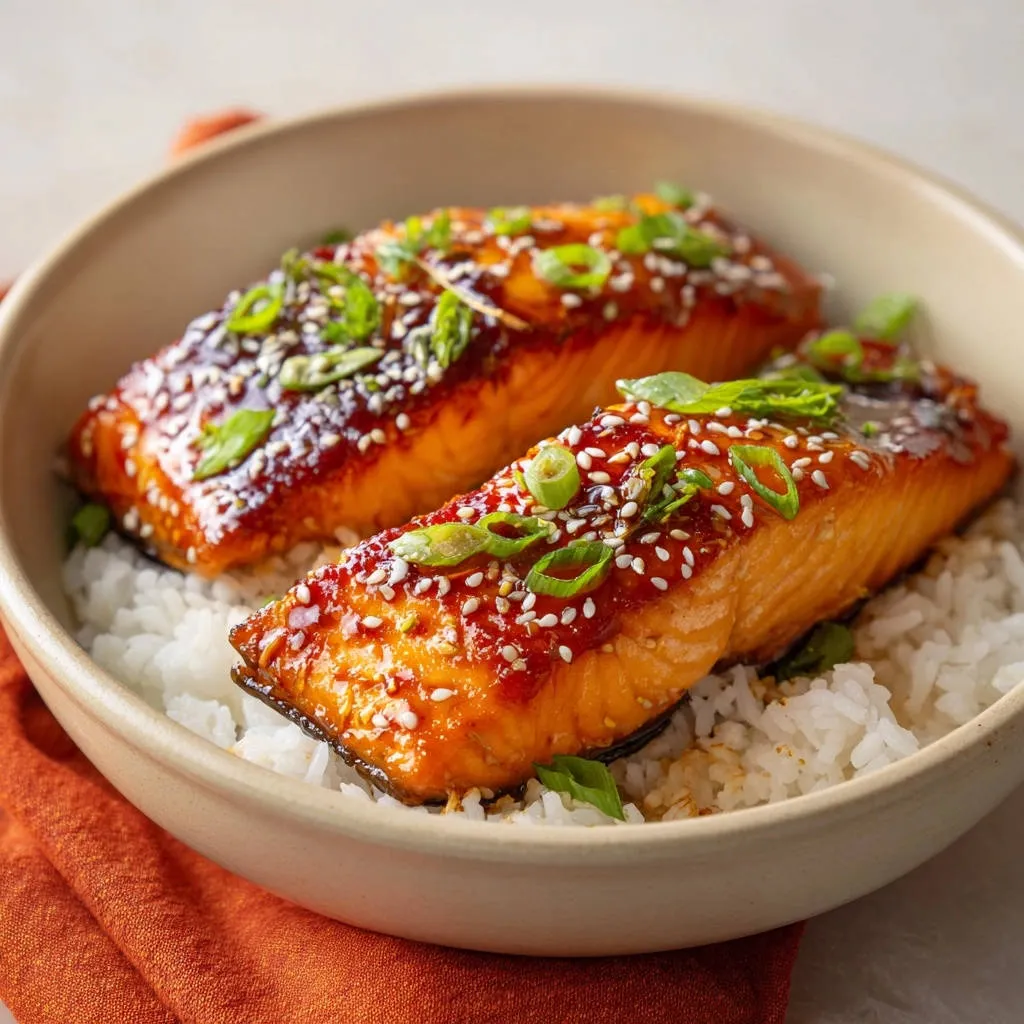
Gather Your Flavorful Ensemble: Ingredients List
High-quality ingredients are the foundation of any exceptional dish. Here’s a closer look at what you’ll need to create your perfect Sticky Garlic Salmon.
The Star of the Show: Fresh Salmon Fillets
For this recipe, we use two salmon fillets, each around 6 ounces. Look for fresh, vibrant pink salmon with no strong fishy odor.
The recipe works beautifully with either skin-on or skin-off fillets. Skin-on adds a delightful crispness, while skin-off makes for easier glazing and eating.
The Heart of the Flavor: Sticky & Savory Glaze Essentials
These ingredients combine to form the signature sticky garlic sauce that defines this dish.
Soy Sauce: Provides the essential umami and salty base for our glaze. Opt for a good quality soy sauce for the best flavor.
Honey or Maple Syrup: Adds natural sweetness and contributes significantly to the glaze’s sticky, caramelized texture. Use whichever you prefer or have on hand.
Rice Vinegar: Introduces a crucial touch of acidity, balancing the richness of the salmon and the sweetness of the honey. It brightens the overall flavor profile.
Minced Garlic: Fresh garlic is key for that pungent, aromatic kick. Don’t skimp on this for true garlic flavor.
Grated Fresh Ginger: Offers a warm, slightly spicy, and incredibly fragrant note that pairs perfectly with the garlic and salmon. Freshly grated makes all the difference.
The Secret to Synergy: Cornstarch Slurry
This simple mixture is your ticket to a beautifully thickened glaze without lumps. A tablespoon of cold water combined with a teaspoon of cornstarch creates a smooth, lump-free slurry.
It’s added at the end to transform the liquid sauce into a luxurious, syrupy coating that clings perfectly to the salmon.
The Finishing Touch: Garnish & Optional Serving Suggestions
These elements elevate your dish visually and texturally.
Chopped Green Onions: Provide a fresh, mild onion flavor and a pop of vibrant color as a garnish.
Sesame Seeds: Offer a subtle nutty crunch and an appealing aesthetic. Both toasted and untoasted work well.
Cooked White Rice: An optional but highly recommended accompaniment, perfect for soaking up every last drop of that incredible sticky garlic sauce.
Essential Tools for Your Sticky Garlic Salmon Adventure
Having the right tools ready makes the cooking process smooth and enjoyable.
Large Non-Stick Skillet: Crucial for achieving a good sear on the salmon and for preventing the glaze from sticking too much during caramelization.
Small Bowls: Handy for whisking together the glaze ingredients and preparing the cornstarch slurry separately.
Whisk: Essential for thoroughly combining the glaze ingredients and ensuring the cornstarch slurry is lump-free.
Paper Towels: Absolutely necessary for patting the salmon completely dry, a key step for crisp skin and even searing.
Measuring Cups and Spoons: For precise ingredient measurement, ensuring your glaze hits the perfect balance of flavors.
Crafting Your Perfect Sticky Garlic Salmon: Step-by-Step Guide
Follow these detailed steps to create a truly unforgettable Sticky Garlic Salmon.
Preparing Your Salmon for Success
Start by patting your salmon fillets completely dry with paper towels. This step is incredibly important for achieving a beautiful sear and preventing steaming. A dry surface helps the salmon develop that desirable crust.
Season both sides lightly with salt and pepper. This enhances the natural flavor of the fish without overpowering the glaze.
Whisking Up the Irresistible Glaze Base
In a small bowl, whisk together the soy sauce, honey (or maple syrup), rice vinegar, minced garlic, and grated fresh ginger. Combine these until well blended; this forms the foundation of your amazing sticky garlic sauce.
In a separate, tiny bowl, whisk together the cold water and cornstarch to create a smooth slurry. Make sure there are no lumps, as this will ensure a silky-smooth glaze later.
The Searing Secret: Partially Cooked Perfection
Heat the neutral oil in your large non-stick skillet over medium-high heat until it shimmers. Carefully add the salmon fillets to the hot pan.
Sear for 3 to 4 minutes per side, depending on the thickness of your fillets. The goal here is to cook the salmon until it’s mostly done and flakes easily, but still slightly undercooked in the very center. This partial cooking is crucial for preventing the glaze from burning in the final steps.
Once seared, remove the salmon from the pan and set it aside on a plate. This pause is the “secret” that prevents burnt glaze.
Mastering the Glaze Thickening Technique
Reduce the heat to medium. Pour the whisked soy sauce mixture into the skillet. Bring it to a gentle simmer, making sure to scrape up any delicious browned bits from the bottom of the pan. These bits add incredible depth of flavor to your garlic ginger sauce.
Whisk in the cornstarch slurry and continue to cook, whisking constantly. Within 1 to 2 minutes, the glaze will thicken to a beautiful, syrupy consistency. It should coat the back of a spoon nicely.
The Moment of Magic: Glazing Without the Burn
Carefully return the partially cooked salmon fillets to the skillet with the thickened glaze. Spoon the glossy glaze generously over each fillet, ensuring they are completely coated.
Cook for an additional 1 to 2 minutes. Carefully turn the salmon once during this time, allowing the glaze to caramelize slightly and fully coat the fish. This brief period finishes cooking the salmon while creating that coveted sticky, non-burnt exterior.
Serving Up Your Masterpiece
Transfer the beautifully glazed salmon to individual plates or a serving bowl. Optionally, serve it over a bed of fluffy cooked white rice to absorb all the delicious sauce.
Garnish immediately with fresh chopped green onions and a sprinkle of sesame seeds. This adds both visual appeal and a fresh burst of flavor. Enjoy your perfectly cooked Sticky Garlic Salmon!
Pro Tips & Chef Secrets for Sticky Garlic Salmon Excellence
Elevate your Sticky Garlic Salmon from great to absolutely extraordinary with these expert tips.
The Power of Patting Dry
Never skip patting your salmon completely dry with paper towels. Excess moisture creates steam, which prevents browning and crisping.
A dry surface allows for a beautiful, golden-brown sear, locking in moisture and flavor, especially if you’re keeping the skin on.
Don’t Rush the Slurry
Always whisk your cornstarch with cold water until absolutely smooth before adding it to the simmering glaze. Adding cornstarch directly to hot liquid can cause instant clumping.
A perfectly mixed slurry ensures a silky, lump-free, and evenly thickened garlic ginger sauce.
Temperature Control is Key
Maintain medium-high heat for searing the salmon to achieve a good crust without burning. When thickening the glaze, reduce the heat to medium.
This allows for gentle simmering and thickening, preventing the sugars in the glaze from burning before they can properly caramelize onto the fish.
Creative Serving Pairings
While white rice is a classic choice, consider other options to complement your Sticky Garlic Salmon.
Roasted vegetables like tender crispy roasted cauliflower or vibrant stir-fried baby bok choy make excellent, healthy companions. Quinoa, couscous, or even light noodles also pair wonderfully.
Troubleshooting Common Sticky Garlic Salmon Challenges
Even with the best instructions, sometimes things go awry. Here’s how to tackle common issues.
“My Glaze is Too Thin!”
If your garlic ginger sauce isn’t thickening enough, whisk a tiny bit more cornstarch with a teaspoon of cold water to form another slurry. Slowly whisk this into the simmering glaze, cooking for another minute until it reaches your desired syrupy consistency.
Patience is key; it often just needs a little more time to activate the cornstarch.
“My Salmon is Overcooked or Dry!”
To prevent overcooking, ensure you only cook the salmon until it’s “mostly” done in the searing step, not fully cooked through. It will finish cooking in the glaze.
Look for the salmon to turn opaque on the outside, but still appear slightly translucent in the very center before removing it from the pan.
“The Glaze Still Burnt!”
This usually indicates the heat was too high during the final glazing step. Ensure your heat is at medium or even medium-low when the salmon returns to the pan with the thickened sauce.
The short glazing time (1-2 minutes) is just enough for caramelization without burning, so watch it closely and adjust heat as needed.
Your Sticky Garlic Salmon Questions Answered
Here are answers to some frequently asked questions about this delicious dish.
Can I use a different type of fish?
Absolutely! This sticky garlic sauce works well with other flaky white fish like cod, halibut, or even tilapia. Adjust cooking times accordingly, as thinner fillets will cook faster.
For a different twist, try it with chicken or shrimp, searing them similarly before glazing.
How do I store leftover Sticky Garlic Salmon?
Store any leftover Sticky Garlic Salmon in an airtight container in the refrigerator for up to 2-3 days. Reheat gently in a microwave or in a skillet over low heat to avoid drying it out.
Adding a splash of water or broth during reheating can help maintain moisture and refresh the glaze.
Can I make this recipe gluten-free or dairy-free?
Yes, this recipe is naturally dairy-free. To make it gluten-free, simply substitute regular soy sauce with tamari or a certified gluten-free soy sauce alternative. The flavor will remain just as fantastic.
The use of honey or maple syrup means it’s also refined sugar-free, depending on your choice.
What are the best side dishes to serve with Sticky Garlic Salmon?
Beyond rice, consider a variety of fresh and hearty sides. Steamed or roasted asparagus, a simple green salad, or even crispy garlic parmesan potato wedges would be excellent complements.
The key is to choose sides that can balance or absorb the rich, sticky sauce, offering a complete and satisfying meal.
Ready to Impress? Share Your Sticky Garlic Salmon Masterpiece!
Now that you have the secret to perfectly glazed, non-burnt Sticky Garlic Salmon, it’s time to put your skills to the test. This recipe is more than just a meal; it’s an experience that delivers incredible flavor and confidence in the kitchen.
Go ahead, give it a try tonight, and prepare to be amazed by the delicious results. Don’t forget to share your creations and tell us what you paired it with!
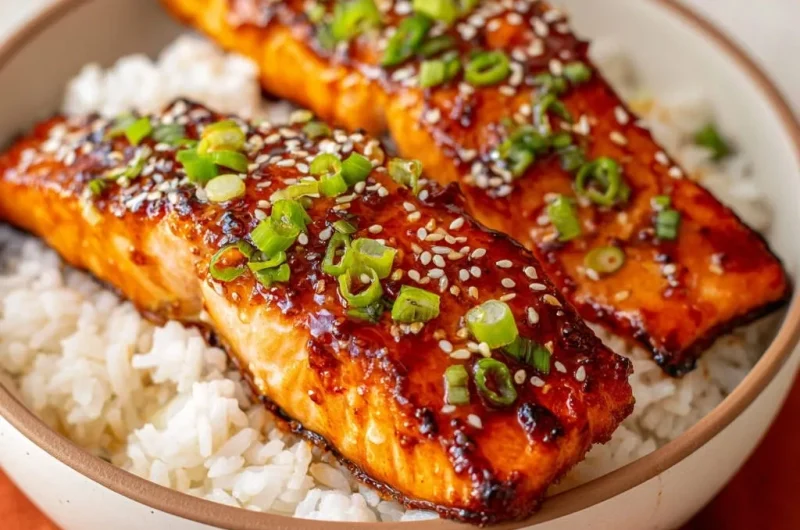
Sticky Garlic Salmon
Course: Main CourseCuisine: AsianDifficulty: easy2
servings15
minutes15
minutes550
kcal30
minutesStop dreading making sticky salmon at home! This recipe reveals the simple trick to achieve perfectly caramelized, glazed salmon every time, without any burning. Enjoy a delicious and beautiful main course with ease.
Ingredients
2 salmon fillets (about 6 ounces each, skin removed or on)
1 tablespoon neutral oil (like canola or vegetable)
For the Glaze:
1/4 cup soy sauce
2 tablespoons honey or maple syrup
1 tablespoon rice vinegar
1 teaspoon minced garlic
1/2 teaspoon grated fresh ginger
1 tablespoon cold water
1 teaspoon cornstarch
For Garnish:
2 tablespoons chopped green onions
1 tablespoon sesame seeds
1 cup cooked white rice (for serving, optional)
Directions
- Prepare the salmon: Pat the salmon fillets completely dry with paper towels. Season both sides lightly with salt and pepper if desired.
- Make the glaze mixture: In a small bowl, whisk together the soy sauce, honey or maple syrup, rice vinegar, minced garlic, and grated ginger. In a separate tiny bowl, whisk together the cold water and cornstarch to create a slurry.
- Sear the salmon: Heat the neutral oil in a large non-stick skillet over medium-high heat. Once hot, carefully add the salmon fillets to the pan. Cook for 3 to 4 minutes per side, depending on thickness, until the salmon is mostly cooked through and flakes easily, but is not fully done in the center. Remove the salmon from the pan and set aside on a plate.
- Thicken the glaze: Reduce the heat to medium. Pour the soy sauce mixture into the skillet. Bring to a gentle simmer, scraping up any browned bits from the bottom of the pan. Whisk in the cornstarch slurry and continue to cook, whisking constantly, for 1 to 2 minutes until the glaze thickens to a syrupy consistency.
- Glaze the salmon: Return the partially cooked salmon fillets to the skillet with the thickened glaze. Spoon the glaze generously over each fillet, coating them completely. Cook for an additional 1 to 2 minutes, carefully turning the salmon once, allowing the glaze to caramelize slightly and coat the fish without burning, as the salmon finishes cooking.
- Serve: Transfer the glazed salmon to a bowl, optionally over cooked white rice. Garnish immediately with fresh chopped green onions and a sprinkle of sesame seeds. Enjoy!
Notes
- Patting the salmon very dry before searing helps achieve a beautiful golden crust. For an extra punch of flavor, consider adding a pinch of red pepper flakes to the glaze.