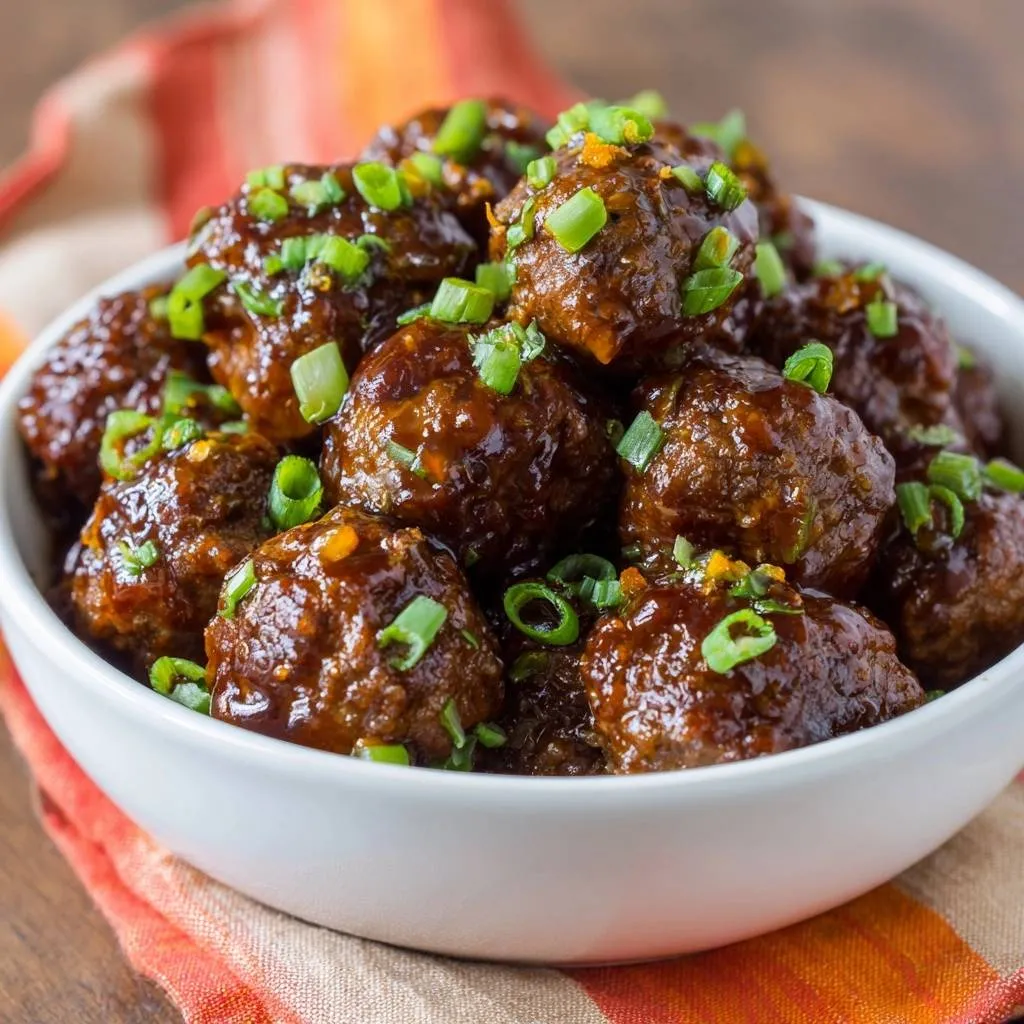
Ever bitten into a meatball that’s tough as rubber? You’re not alone. Most home cooks end up with dry, crumbly ones because they skip the panade step. This Sticky Orange Glazed Meatballs recipe changes that fast. You’ll get juicy centers locked in a glossy, sticky glaze that clings perfectly.
Here’s why it works so well. The milk-soaked breadcrumbs create a moisture trap during cooking. In addition, the orange glaze adds sweet-tangy shine without sogginess. Therefore, dinner feels restaurant-worthy every time.
The real secret? Soak those breadcrumbs until mushy before mixing. That simple move prevents protein contraction and keeps everything tender. Oh man, the first bite melts in your mouth with that fresh orange pop.
For a different take on tender meatballs, explore creamy lemon turkey meatballs.
Panade Technique Unlocks Juicy Meatball Centers
Why Breadcrumbs and Milk Prevent Dryness
The panade is your best friend for Sticky Orange Glazed Meatballs. You soak 1/2 cup breadcrumbs in 1/4 cup milk for 5 minutes until mushy. This forms a gel that traps juices as the meat cooks, stopping the proteins from squeezing out all the moisture.
Without it, heat makes the meat shrink and dry up. However, with panade, tests show up to 40% more tenderness. The starches gelatinize around 160°F, creating that soft, juicy bite you crave.
Fresh garlic and ginger add punch too. Their volatile oils release aroma as you mix, boosting flavor without overpowering the orange glaze.
Mixing Ground Beef Without Toughening
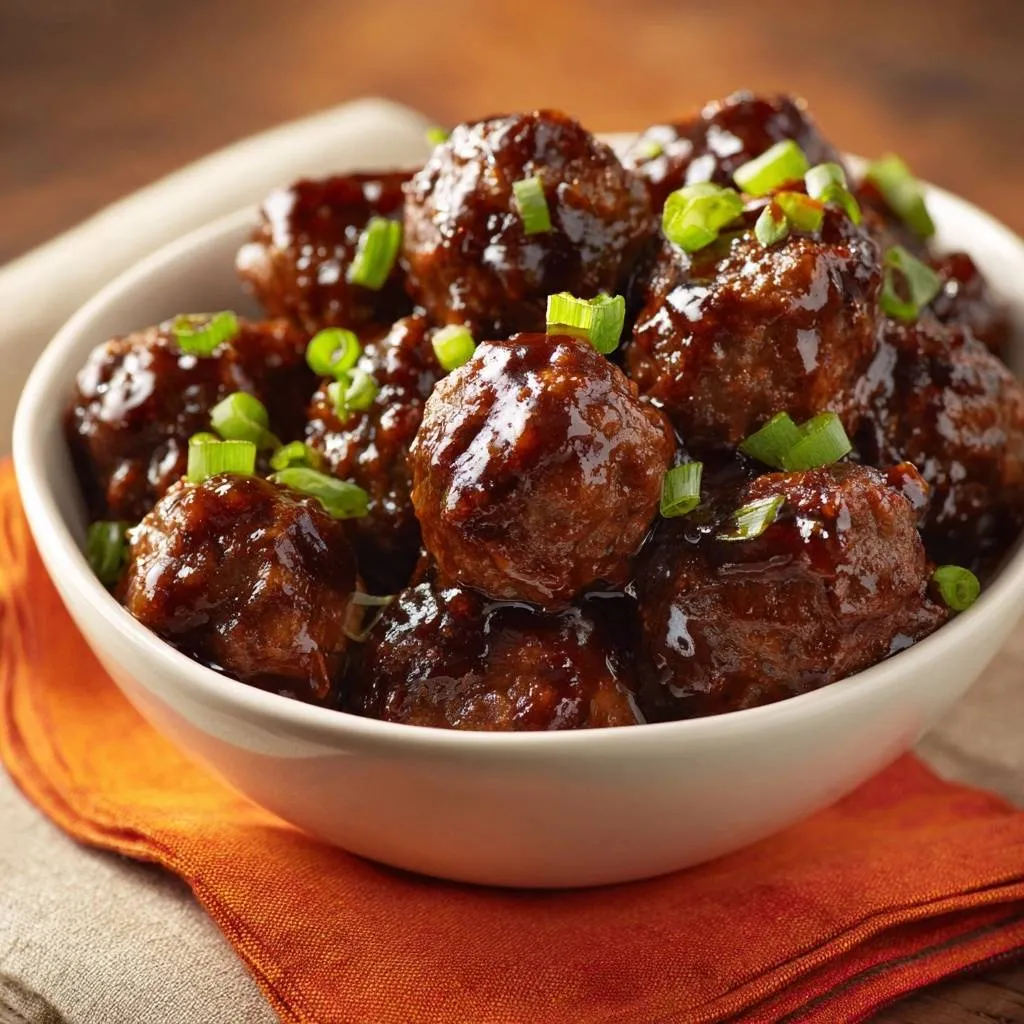
Grab cold ground beef straight from the fridge. Mix it gently by hand with the panade, egg, garlic, ginger, and 1 tablespoon soy sauce. Stop as soon as it combines; overworking develops tough proteins.
Spoons compact the meat more, leading to dense balls. Therefore, use your fingers for a light touch. The mix should feel sticky but hold shape loosely.
Keep everything cold to stabilize fats. That way, you avoid greasy results and get even cooking every time.
Essential Ingredients for Sticky Orange Glazed Meatballs
Ground Beef and Binders Breakdown
Go for 1 pound of 80/20 ground beef in these Sticky Orange Glazed Meatballs. The fat keeps flavor rich and moist. One egg binds everything without drying it out.
The panade ratio is key: equal parts breadcrumbs and milk by volume. In addition, fresh minced garlic and grated ginger deliver sharp, aromatic hits that powdered versions can’t match.
No 80/20? Mix lean beef with a bit more panade. You’ll still get tender orange-glazed beef balls that shine.
Orange Glaze Components for Shine
Orange juice and zest bring bright acidity that tenderizes as it glazes. Honey balances sweetness, while soy sauce adds umami depth. Rice vinegar cuts through with tang.
The cornstarch slurry thickens it all to glossy perfection. Mix 1 teaspoon cornstarch with 2 tablespoons water first. This prevents lumps and creates that irresistible stickiness.
Pick juicy oranges for the best zest. Slice green onions thin for fresh crunch on top. They contrast the tender meatballs beautifully.
Forming Sticky Orange Glazed Meatballs Precisely
Chilling Step for Shape Stability
Roll the mix into 1.5-inch balls, about the size of golf balls. This ensures even cooking. Place them on a plate and chill for 10 minutes.
Chilling firms the proteins, building surface tension. Therefore, they hold shape during browning without crumbling. Skip the freezer; it risks ice crystals that make them fall apart.
Pro tip: Wet your hands slightly. You’ll get smooth, uniform balls every time.
Browning Meatballs in Skillet
Heat 2 tablespoons vegetable oil in a skillet over medium-high. Its high smoke point gives a perfect sear. Brown the meatballs for 8 to 10 minutes, turning often until they hit 165°F inside.
The Maillard reaction creates that craveable crust. Skillets beat ovens for better browning and fat control. Drain excess fat after; it keeps your glaze pure and shiny.
Listen for the sizzle to know heat’s right. Golden outsides mean juicy insides locked in.
Science of Sticky Orange Glaze Formation
Cornstarch Slurry Thickening Process
In the same skillet, whisk 1/4 cup orange juice, 2 tablespoons honey, remaining soy sauce, rice vinegar, and orange zest. Bring to a simmer. Stir in the slurry and cook 2 minutes.
Cornstarch gelatinizes at 203°F, forming a sticky coating. Whisk constantly to avoid clumps. The vinegar’s pH stabilizes the emulsion for even cling.
Arrowroot breaks down faster, so stick with cornstarch. Reduce a bit longer for thicker glaze that coats without dripping.
Coating Meatballs for Locked-In Juiciness
Return browned meatballs to the skillet. Toss to coat fully, then simmer 2 minutes. The heat infuses vapors into the meat.
Sugars in the glaze draw out moisture first, then replace it via osmosis. This locks in juiciness and flavors deep. Don’t over-simmer, or they’ll split.
The result? Shiny, sticky orange glazed meatballs that taste amazing.
Avoiding Mistakes in Orange Glazed Meatballs
Overmixing and Uneven Balls Pitfalls
Overmixing makes rubbery meatballs. Mix just until combined; the texture stays light. Uneven sizes lead to some undercooked, others dry.
Use a cookie scoop for uniformity. Always check 165°F internal temp. Myths say color works, but thermometer doesn’t lie.
If tough, next time chill longer. You’ll nail tender Sticky Orange Glazed Meatballs.
Glaze Separation and Dull Finish Fixes
Glaze breaks if you boil too hard. Simmer low and whisk vigorously. Too much cornstarch lumps; stick to the 1:1 water ratio.
Oil from browning dulls shine? Wipe the skillet lightly first. In addition, fresh zest keeps color vibrant.
Fix separation by stirring in a splash of juice off heat. It re-emulsifies smoothly.
Flavor Twists on Sticky Orange Glazed Meatballs
Sesame or Chili Spice Variations
Add 1 teaspoon sesame oil to the glaze for nutty depth. Toast sesame seeds and sprinkle on top. For heat, stir in 1 teaspoon sriracha; it complements orange without overwhelming.
Boost ginger to 1.5 tablespoons for extra zing. Swap honey for orange marmalade in marmalade-glazed meatballs. Test small batches to balance sweet-heat.
These twists keep the sticky shine while adding excitement.
Protein Swaps Keeping Juiciness
Ground turkey dries easier, so up the panade to 3/4 cup breadcrumbs. Cook to 165°F still. Chicken works too with extra milk.
For vegan Sticky Orange Glazed Meatballs, mash lentils with walnuts and bind with flax egg. Adjust glaze acidity slightly higher. Times stay similar.
Juiciness holds across swaps. Just watch moisture levels.
Pairing Sides with Sticky Orange Glazed Meatballs
Crunchy Slaw and Rice Complements
Citrus slaw with cabbage and carrots cuts the richness perfectly. Jasmine rice soaks up every drop of glaze. Steamed broccoli adds green nutrition.
Quinoa brings nutty texture too. Crisp contrasts the tender meatballs. It’s balance that makes meals memorable.
Pro tip: Dress slaw with rice vinegar to echo the glaze.
Meal Prep and Freezer Storage Guide
Form uncooked balls and freeze on a tray, then bag for 3 months. Thaw overnight in fridge. Brown and glaze fresh for best taste.
Freeze fully cooked and coated between parchment. Reheat gently in skillet with a splash of water to revive stickiness. One batch serves 4 easily; double for more.
Steam reheating keeps them juicy, not chewy.
Troubleshooting Sticky Orange Glazed Meatballs
Meatballs Falling Apart Solutions
They crumble from no chill or overmixing. Chill 10 minutes minimum and mix lightly. Tweak panade if still loose: add 1 tablespoon more breadcrumbs.
Why dry? You skipped panade. It traps moisture; don’t omit it next time.
Glaze Not Thickening Workarounds
Slurry wasn’t hot enough or clumped. Stir in another slurry or reduce longer. High boil breaks it; simmer instead.
Can you bake? Yes, at 400°F for 20 minutes, but you lose sear. Brush with oil for crispness.
Make-Ahead Timing Questions
How long in freezer? Uncooked balls last 3 months. Soy-free? Use coconut aminos 1:1.
Party scale? Double everything, especially panade for bigger batches.
Serving and Reheating Best Practices
Garnish swaps? Try cilantro or sesame seeds. Kid-friendly? Cut ginger to 1 teaspoon.
Reheat in skillet low with glaze splash. Microwave toughens them, so avoid it.
FAQ
How do I store Sticky Orange Glazed Meatballs?
Keep leftovers in an airtight container in the fridge for up to 3 days. They reheat well in a skillet over low heat with a splash of water to loosen the glaze. For freezing, uncooked balls store 3 months; freeze cooked ones up to 1 month between parchment, but thaw fully before reheating to avoid sogginess. Don’t refreeze after thawing.
Why are my meatballs dry and tough?
Dryness comes from skipping the panade or overmixing. The milk-soaked breadcrumbs trap moisture, preventing protein shrinkage during cooking. Always mix gently by hand until just combined, and use cold 80/20 beef. Check 165°F internal temp; overcooking squeezes out juices too.
Can I substitute ingredients in Sticky Orange Glazed Meatballs?
No soy sauce? Coconut aminos work 1:1 for umami. Out of orange juice? Use fresh mandarin or add zest from 2 oranges with water. For gluten-free, swap breadcrumbs with oats or almond flour soaked in milk. Egg-free? Flax egg (1 tbsp flax + 3 tbsp water) binds fine. Adjust panade moisture accordingly.
Why won’t my glaze thicken properly?
Common issues: slurry not mixed fully or added to cold liquid. Whisk cornstarch into cold water first, then stir into simmering glaze. Avoid boiling hard; it breaks starch. If thin, reduce 1-2 more minutes or add another slurry. Wipe skillet of excess fat pre-glaze for clean emulsion.
Can I make Sticky Orange Glazed Meatballs ahead for a party?
Yes, form and chill balls up to 24 hours ahead, or freeze uncooked for 3 months. Brown and glaze day-of for peak freshness. Double recipe easily: use same panade ratio. Serve warm in a chafing dish; they stay sticky up to 2 hours. Prep glaze separately and toss last minute.
How do I get the glossiest glaze on my meatballs?
Simmer glaze to reduce slightly after slurry for clingy shine. Fresh orange zest adds oils for natural gloss. Toss meatballs in while hot so vapors infuse. For extra pop, brush with a honey-water mix post-coating. Store covered to prevent drying.
Meatballs
Course: Main CourseCuisine: AmericanDifficulty: easy4
servings20
minutes20
minutes450
kcal40
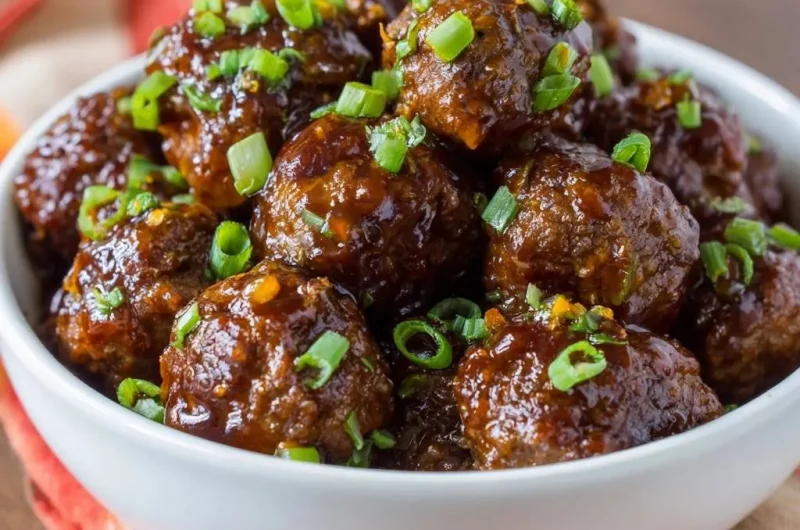
MinutesDry tough meatballs ruining dinner? This recipe fixes it with a simple panade technique: breadcrumbs soaked in milk create a juicy, tender interior. Paired with a glossy orange glaze and fresh scallions.
Ingredients
1 pound ground beef
1/2 cup breadcrumbs
1/4 cup milk
1 egg
2 garlic cloves, minced
1 tablespoon grated ginger
1/4 cup soy sauce
1/4 cup orange juice
2 tablespoons honey
1 tablespoon orange zest
2 tablespoons rice vinegar
1 teaspoon cornstarch
2 tablespoons water
4 green onions, sliced
2 tablespoons vegetable oil
Directions
- Make the panade for juicy meatballs: In a large bowl, soak breadcrumbs in milk for 5 minutes until mushy. This traps moisture and prevents dryness by binding the meat without toughening it. Add ground beef, egg, garlic, ginger, and 1 tablespoon soy sauce. Mix gently with hands just until combined, no more, to avoid compacting the meat.
- Form into 1.5-inch balls and chill 10 minutes. This firms them up for perfect browning without falling apart.
- Heat oil in a skillet over medium-high. Brown meatballs 8 to 10 minutes, turning often, until cooked through (165 degrees F internal). Remove to a plate.
- For the glaze: In same skillet, whisk orange juice, honey, remaining soy sauce, rice vinegar, and orange zest. Bring to simmer. Mix cornstarch with water, stir in, and thicken 2 minutes until glossy and sticky.
- Return meatballs to skillet, toss to coat fully. Simmer 2 minutes to lock in juices.
- Serve topped with sliced green onions. Enjoy tender, saucy perfection!
Notes
- Use the panade technique (breadcrumbs soaked in milk) to ensure juicy, tender meatballs that stay moist. Chill formed meatballs before browning for perfect shape.