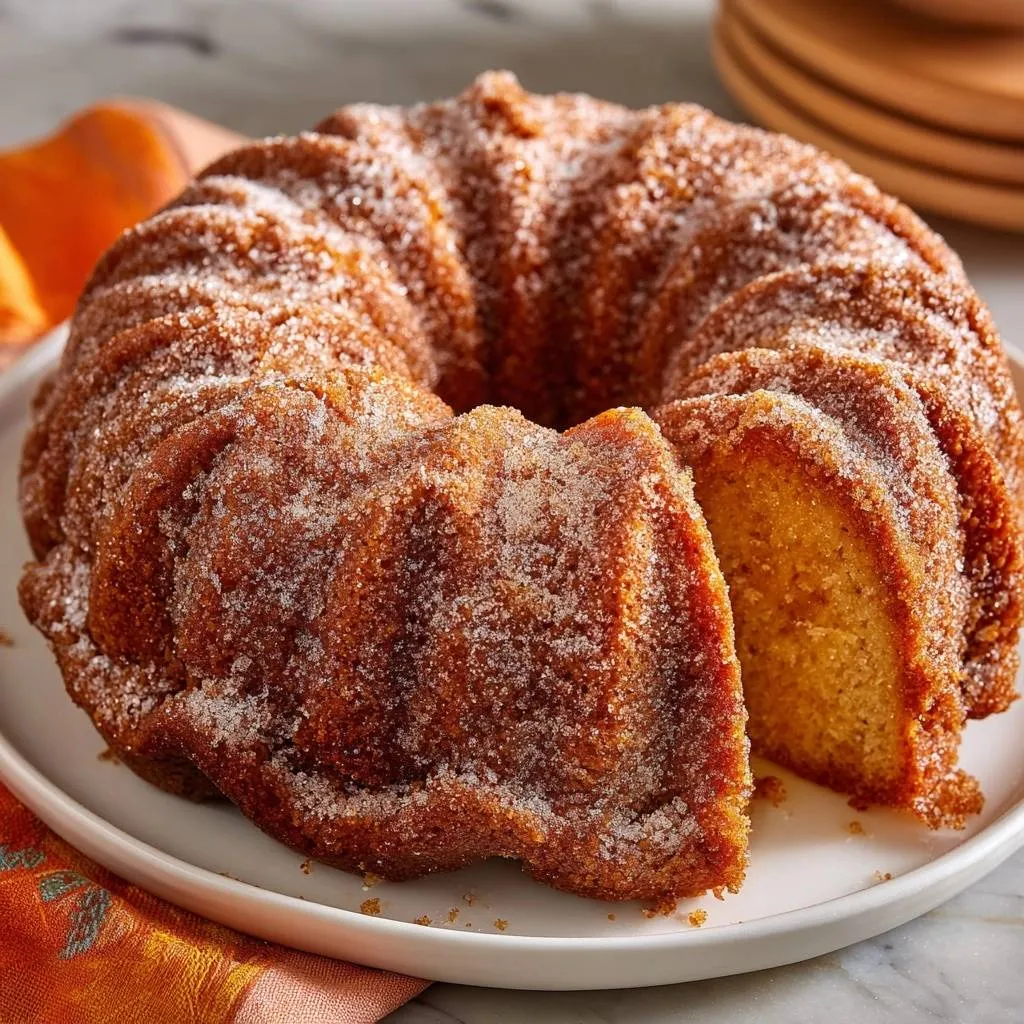
Ever pull a Bundt cake from the pan only to watch it tear and stick in those intricate ridges? That frustration ends here. This Sugary Orange Bundt Cake uses a simple butter-and-flour coating that seals every crevice for a flawless release every single time. No sprays, no special pans, just perfect results.
Therefore, you get a moist, tender crumb bursting with fresh orange flavor, topped by a crunchy sugar crust that adds irresistible texture. In addition, it comes together easily for home bakers who want showstopper desserts without the hassle.
The secret lies in that pan prep: softened butter pushed into every ridge with a pastry brush, followed by a light flour dusting. This double barrier outperforms any spray, guaranteeing your cake slides out whole and gorgeous.
Why Sugary Orange Bundt Cake Stands Out
Bundt cakes captivate with their dramatic ring shape and contrast of soft interior against crisp edges. However, this version shines brighter thanks to fresh orange zest and juice that deliver zingy citrus punch without cloying sweetness.
For another rich flavor, consider our moist chocolate Bundt cake.
In addition, the coarse sugar crust sets it apart from glazed pound cakes. You get crunch that sticks around, balancing the tender crumb perfectly. It’s comfort food elevated for any occasion.
Signature Crunchy Sugar Crust Explained
After brushing the cooled cake with reserved orange juice, coarse sugar adheres beautifully. Therefore, it creates a sparkling, crunchy topping that contrasts the moist interior.
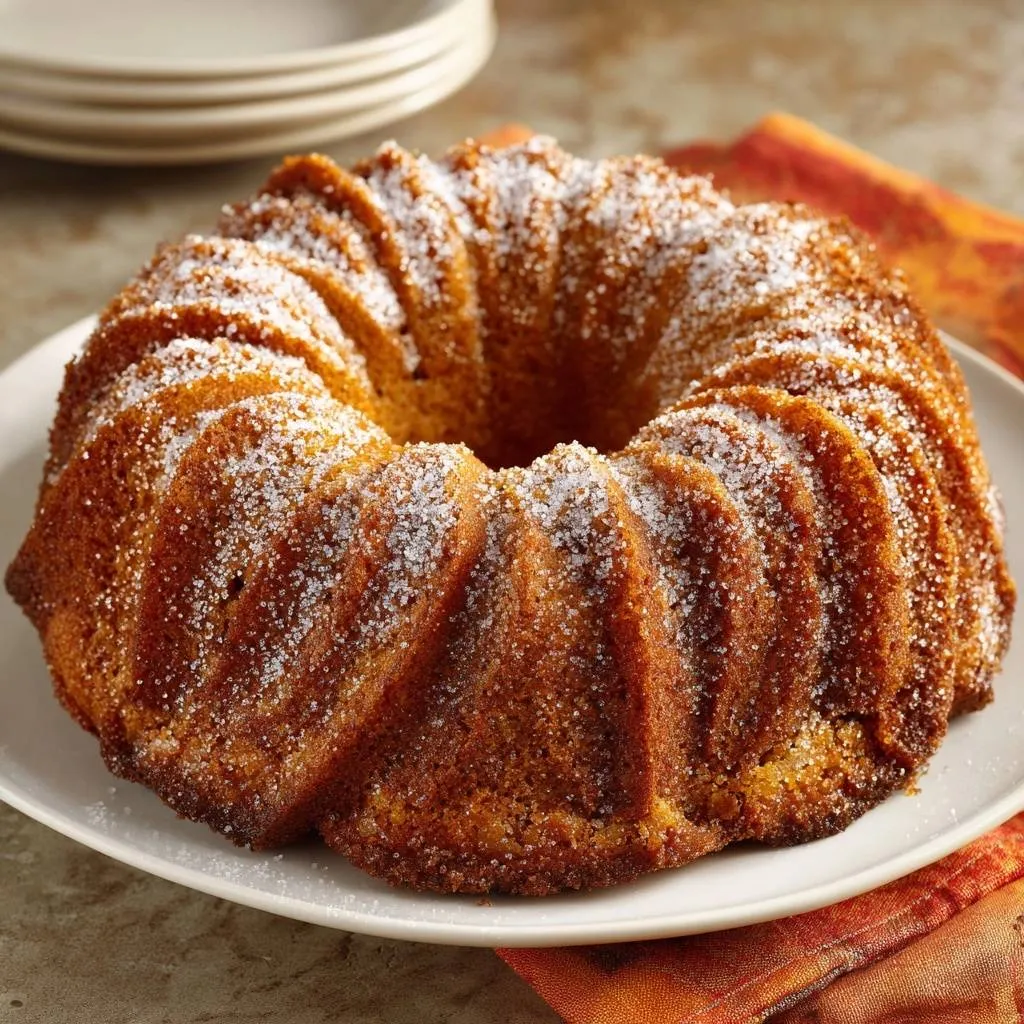
Unlike powdered sugar dustings that melt away or heavy icings, this method adds texture without sogginess. Each bite delivers that satisfying snap.
Essential Ingredients for Sugary Orange Bundt Cake
Start with 3 cups all-purpose flour for structure that holds the Bundt shape. Then, 2 1/2 cups granulated sugar not only sweetens but retains moisture for days.
One cup softened unsalted butter creams light and fluffy, trapping air for lift. Fresh orange juice and zest from two oranges provide bright flavor; bottled juice lacks that vibrancy.
Five large eggs emulsify the batter smoothly, while 1 teaspoon baking powder and 1/2 teaspoon salt balance the rise. Finally, 1/4 cup coarse sugar and vanilla finish it off. For subs, try a 1:1 gluten-free flour blend if needed.
Flour and Leavening Balance
All-purpose flour’s protein builds the cake’s structure without toughness. Baking powder activates in the acidic orange juice for steady lift; no baking soda here to avoid soapy tastes.
Citrus Zest and Juice Precision
Zest only the orange surface with a microplane to capture oils without bitter pith. Two oranges yield about 1 cup juice; reserve 2 tablespoons for the crust adhesive.
Science of Perfect Bundt Cake Texture
Creaming incorporates air into butter and sugar, expanding in the oven for tenderness. Eggs emulsify for stability, and careful mixing prevents tough gluten.
Therefore, sugar draws moisture to the crumb, while orange acid tenderizes further. The result? A cake that’s moist yet sturdy, with no dense spots.
For a taste of warm spices, explore the old-fashioned gingerbread cake.
Creaming Method for Moist Crumb
Beat butter and sugar for exactly 3 minutes until pale and fluffy; this traps air bubbles that lift the cake. Underc cream for flat results, overcream for greasy texture.
Alternating Wet-Dry for Even Rise
Start and end with flour to coat particles, preventing curdling from the juice. This ensures even leavening reactions throughout.
Equipment Choices for Bundt Success
A 10-cup Bundt pan in light metal bakes evenly without dark pans scorching edges. Use a pastry brush for butter and a stand mixer for powerful creaming if possible.
In addition, a wire rack speeds cooling. Skip sprays; the butter-flour method works better on ridges.
Mastering the Butter-Flour Pan Prep
Generously brush softened butter into every ridge; it seals crevices where sprays fail. Tilt with 2 tablespoons flour to coat fully, tap out excess over the sink.
This outperforms oil, which can go rancid. Your cake releases cleanly every time.
Baking Sugary Orange Bundt Cake Step-by-Step
Preheat to 325°F. Coat pan with butter, flour it thoroughly. The batter ends up thick but pourable, smelling citrusy sweet.
Cream butter and sugar fluffy. Add eggs one by one for smooth emulsion; mix in zest and vanilla until fragrant.
Whisk dry ingredients. Alternate with juice, starting and ending with flour. Pour into pan, smooth top, bake 50-55 minutes until toothpick clean.
Cool 10 minutes, invert onto rack; it pops out perfectly. Brush with reserved juice, dust coarse sugar heavily.
Phase 1: Oven Preheat and Pan Coating
325°F bakes slowly for even heat without cracks. Brush butter deep into ridges, flour coats fully for no-stick guarantee.
Phase 2: Cream Butter, Sugar, Eggs
Room-temp items blend best. Add eggs singly, beating well; batter turns silky with zest’s aroma.
Phase 3: Combine and Fill Pan
Whisk dries light. Alternate additions gently; batter ribbons off spoon smoothly.
Phase 4: Bake, Cool, Release
Test center with toothpick. Cool 10 minutes for contraction, invert gently; flawless release awaits.
Phase 5: Brush and Sugar Crust
Reserved juice moistens surface for sugar grip. Dust generously for crunch.
Avoiding Sugary Orange Bundt Cake Pitfalls
Overmixing creates tunnels; stir just until flour vanishes. Underbaking leaves dense centers, so check at 50 minutes.
However, rotate pan midway if your oven has hot spots. For high altitude, reduce baking powder slightly and increase flour a bit.
Troubleshooting Sticking and Cracks
Butter-flour prevents sticking; cool exactly 10 minutes before inverting. Cracks come from high heat or drafts; stick to 325°F steady.
Fix Dense or Dry Results
Weigh flour for accuracy; too much dries it out. Use large eggs, store airtight to keep moist.
Flavor Twists on Sugary Orange Bundt Cake
Add 1 teaspoon cardamom to zest for warmth. Or mix in poppy seeds for crunch inside too.
Therefore, try blood orange for tartness, or lemon-lime blend. For vegan, swap eggs with flax and butter for coconut oil; boost with yogurt.
Turbinado sugar works for deeper crust flavor. Chocolate chips in pockets surprise delightfully.
Citrus Swaps and Add-Ins
Blood oranges add ruby color and tang. Fresh thyme pairs subtly; flax eggs keep it vegan and nut-free.
Pairing Sugary Orange Bundt Cake Sides
Black tea cuts the sweetness perfectly. Fresh berries add juicy contrast to the crumb.
In addition, lightly whipped cream enhances without overwhelming. Serve at brunch sliced thick or as dessert post-dinner.
More Sweet Treats to Enjoy
If you loved the citrus notes in your orange bundt cake, try these complementary baked goods.
- For a sweet and crispy breakfast treat, you might enjoy these cinnamon sugar churro waffles, offering a similar spiced sweetness.
- If you’re craving more citrus, these zesty orange muffins share the bright flavor profile of your cake.
Store with pairings in mind; it stays fresh for sides all week.
Storage and Make-Ahead for Bundt Cake
Keep at room temp in an airtight container up to 3 days; the crust stays crunchy. For longer, slice, wrap tightly in plastic and foil, freeze up to 3 months.
Thaw overnight on counter, add sugar crust after if needed. Pro tip: freeze without crust to avoid sogginess.
Sugary Orange Bundt Cake FAQ
Can I Use Bundt Pan Spray Instead?
No, sprays pool and fail on ridges. Butter-flour seals every crevice for guaranteed release without residue.
How to Zest Oranges Without Bitterness?
Use a microplane for superficial strokes, avoiding white pith. Zest over sugar bowl to capture oils directly.
Why 325°F Baking Temperature?
It bakes slowly and evenly, preventing dome cracks or dry edges. Higher temps cause rapid rising and splits.
Freezing Instructions for Best Results?
Cool fully, slice if desired, wrap each in plastic then foil. Freeze up to 3 months; thaw at room temp 2-3 hours, add crust post-thaw.
Gluten-Free Adaptation Possible?
Yes, use a 1:1 gluten-free flour blend plus 1/2 teaspoon xanthan gum. Mix gently to avoid gumminess; results stay tender.
Why Did My Cake Stick or Tear?
Usually poor pan prep. Always butter generously into ridges, flour fully, tap excess. Cool exactly 10 minutes before inverting for contraction.
Can I Substitute Bottled Orange Juice?
Fresh is best for bright flavor and pulp texture, but bottled works in pinch. Avoid from concentrate; it dulls the citrus pop.
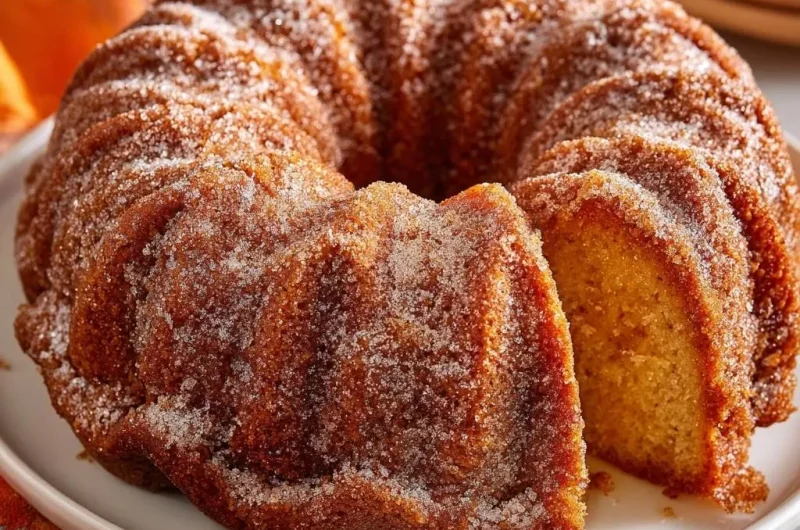
Orange Bundt Cake
Course: DessertCuisine: AmericanDifficulty: medium12
servings20
minutes55
minutes360
kcal75
MinutesBundt cakes always stick and tear? Not anymore. This dead-simple butter-and-flour method coats every crevice for guaranteed clean release, no sprays or special tools needed. Perfect moist crumb, crunchy sugar crust, every time.
Ingredients
3 cups all-purpose flour
2 1/2 cups granulated sugar
1 cup unsalted butter, softened
5 large eggs
1 cup fresh orange juice (reserve 2 tablespoons for brushing)
Zest of 2 oranges
1 teaspoon baking powder
1/2 teaspoon salt
1 teaspoon vanilla extract
1/4 cup coarse sugar (for dusting)
Directions
- Preheat oven to 325 degrees F. For foolproof pan release: Generously coat a 10-cup bundt pan with softened butter using a pastry brush, pushing into every ridge and crevice. Add 2 tablespoons flour, tilt and tap to fully coat, then tap out excess over sink. This double-layer seal prevents all sticking.
- In a large bowl, beat butter and granulated sugar until light and fluffy, about 3 minutes.
- Add eggs one at a time, beating well after each. Mix in orange zest and vanilla.
- In a separate bowl, whisk flour, baking powder, and salt. Alternate adding flour mixture and orange juice (reserving 2 tablespoons) to batter, starting and ending with flour. Mix just until combined, no overmixing.
- Pour batter into prepared pan. Smooth top. Bake 50 to 55 minutes until toothpick in center comes out clean.
- Cool in pan 10 minutes on wire rack. Invert onto plate; it will release perfectly thanks to the butter-flour barrier. Cool completely.
- Brush cooled cake lightly with reserved orange juice, then dust heavily with coarse sugar for crunchy crust. Slice and serve.
Notes
- No Hook method ensures perfect pan release every time.