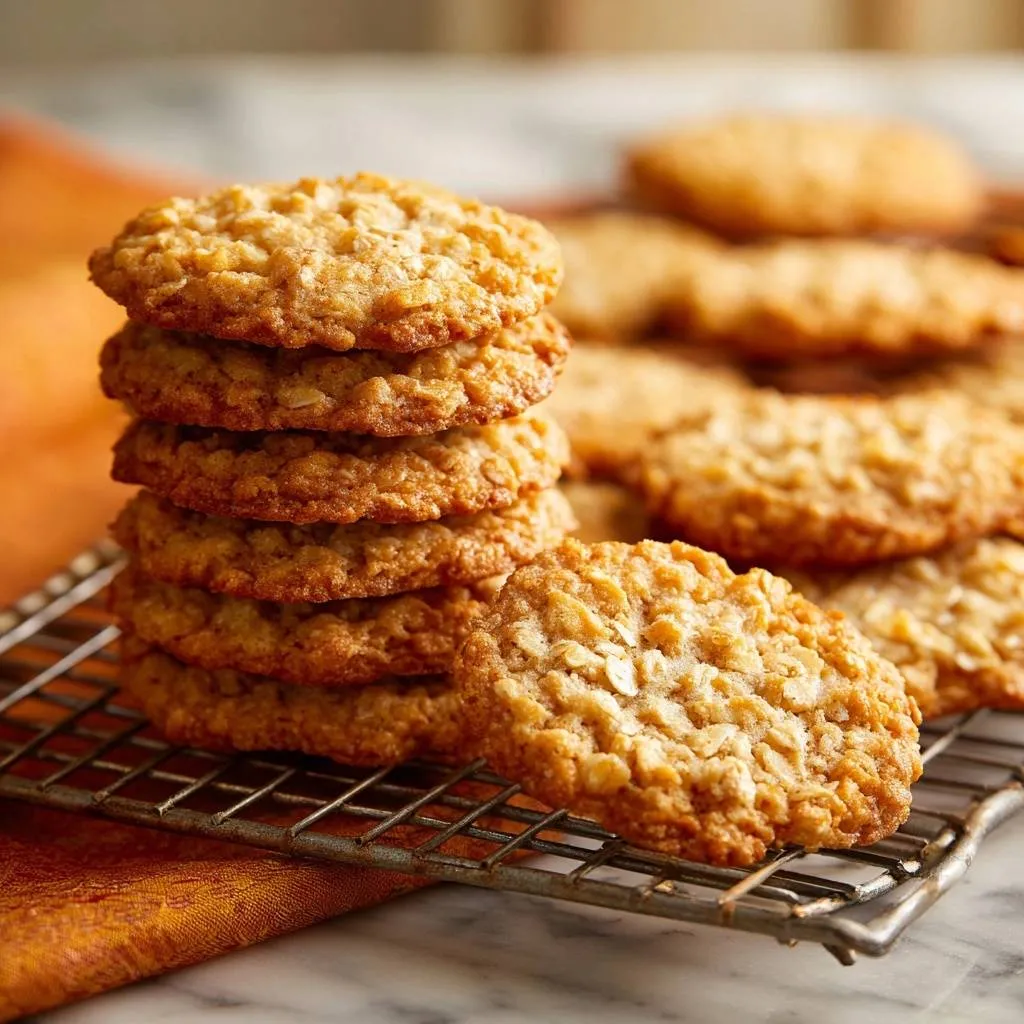
Ever pull oatmeal cookies from the oven only to find they’ve spread into sad, flat discs? You know the drill: edges crisp up fine, but the centers turn dry and tough. However, this recipe fixes that frustration fast with one simple step that delivers thick chewy oatmeal cookies every time.
Therefore, chilling the dough changes everything. It firms up the butter so your thick chewy oatmeal cookies hold their shape, staying moist in the middle with those irresistible crisp edges. In addition, you’ll get that perfect chew without the usual disappointments.
The secret lies in beating the butter and sugars until truly fluffy. This traps air pockets that expand in the oven, giving lift and structure. Consequently, you end up with bakery-style thick chewy oatmeal cookies right at home.
For even more tender results, explore the no-spread method in Glazed Raspberry Thumbprint Cookies.
Key Ingredients for Thick Chewy Oatmeal Cookies
Start with unsalted butter softened to room temperature. It creams smoothly with sugars, building a stable emulsion that holds air for height. Therefore, skip the melted stuff; it leads to greasy, flat results.
Brown sugar packs in molasses for chewiness and moisture. Meanwhile, granulated sugar adds crisp edges through quicker caramelization. Together, they create the ideal balance in thick chewy oatmeal cookies.
Old-fashioned rolled oats absorb liquids without drying out the batter. Quick oats work in a pinch but make denser cookies; rolled oats give better texture. In addition, they swell during baking for that signature heft.
Butter and Sugars: Building Chew and Crisp
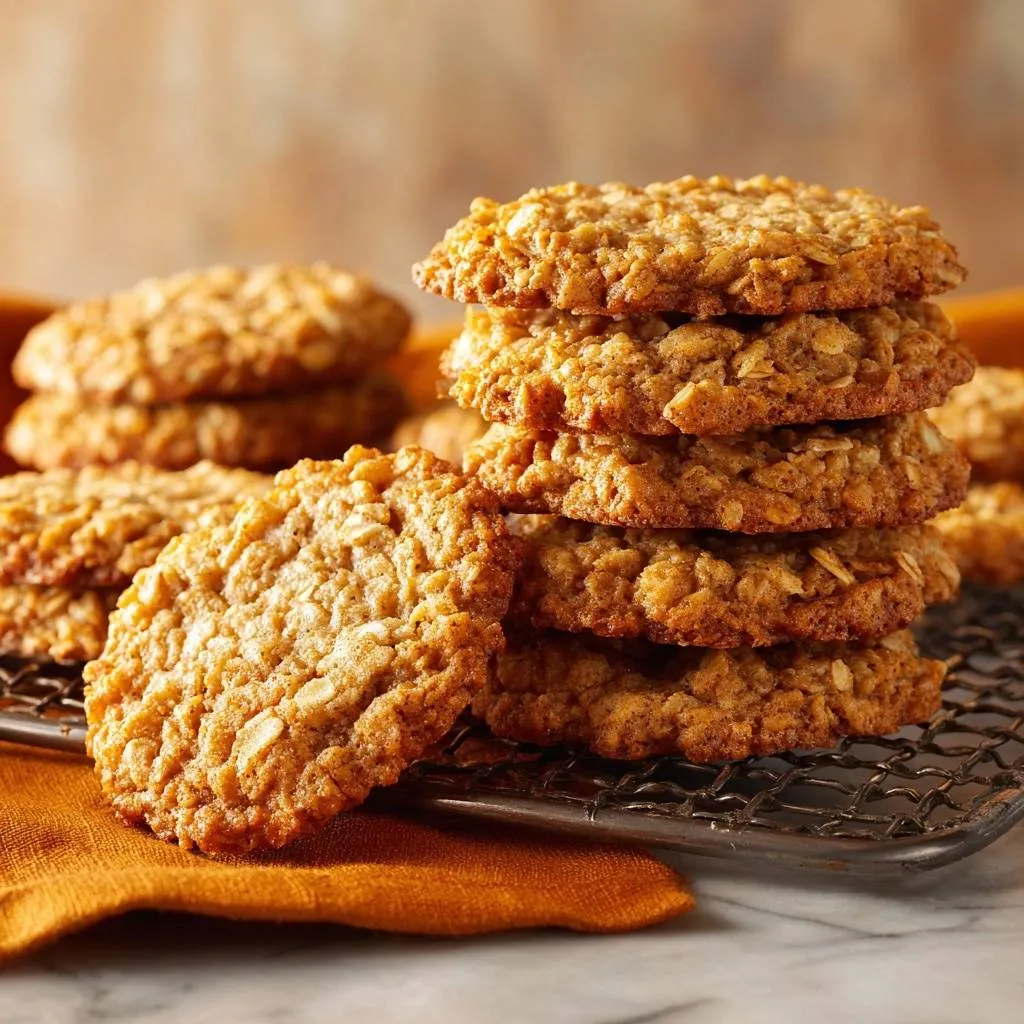
Cream 1 cup softened unsalted butter with 1 cup packed brown sugar and 1/2 cup granulated sugar for 2 full minutes. You’ll see it turn pale and fluffy as air incorporates. This emulsion prevents spreading, ensuring thick chewy oatmeal cookies with snap on the outside.
Brown sugar’s molasses draws in moisture from eggs and oats. Therefore, it keeps centers soft even after cooling. Granulated sugar, however, crisps the edges via the Maillard reaction.
Flour, Oats, and Leaveners: Structure Essentials
Whisk 1 1/2 cups all-purpose flour with 1 teaspoon baking soda, 1 teaspoon cinnamon, and 1/2 teaspoon salt. This combo provides lift and flavor balance. Then, fold in 3 cups rolled oats for weight that resists spreading.
The high oat ratio soaks up sugars for prolonged chew. Baking soda reacts with brown sugar’s acidity for gentle rise. Consequently, your thick chewy oatmeal cookies stay pillowy, not cakey.
Science of Thick Chewy Oatmeal Cookies
Chilling dough lets butter fats crystallize, slowing melt in the oven. Room-temp dough spreads wildly as butter liquifies fast. However, a 30-minute chill locks in shape for thick chewy oatmeal cookie texture.
Oats act hygroscopic, pulling moisture from the batter over time. This retains chewiness days later. In addition, cinnamon enhances browning on edges without over-drying centers.
Without chill, sugars melt too quickly, causing flats. Therefore, this recipe’s science guarantees height and moisture every batch. You’ll notice the difference immediately.
Chilling Dough: Preventing Spread
After mixing, cover and refrigerate dough for at least 30 minutes. Butter solidifies, resisting oven heat. Tests show chilled dough balls stay mounded while room-temp ones flatten by half.
Therefore, your thick oatmeal cookies emerge tall with soft centers. Skip this, and expect thin, dry results no matter the recipe.
For a bright, tangy treat, explore the secrets of creamy lemon crumble bars.
Oats and Moisture Retention
Rolled oats absorb egg and sugar liquids slowly, binding moisture for chew. Unlike flour cookies, they don’t crisp fully. This keeps thick chewy oatmeal cookies pliant even after storage.
Three cups ensure heft without toughness. Therefore, they outperform quick oats, which dry out faster.
Step-by-Step: Baking Thick Chewy Oatmeal Cookies
Follow these steps precisely for foolproof thick chewy oatmeal cookies. Each phase builds on the last, transforming simple ingredients into chewy perfection.
Creaming Wet Ingredients Base
Beat softened butter, brown sugar, and granulated sugar until light and fluffy, about 2 minutes. Add 2 large eggs one at a time, beating well after each to emulsify. Then, mix in 2 teaspoons vanilla; the batter should look smooth and creamy.
Avoid rushing; underbeating leaves dense cookies. You’ll smell sweet vanilla rising as it combines.
Combining Dry Mix with Oats
Whisk flour, baking soda, cinnamon, and salt in a separate bowl. Gradually stir into wet mix until just combined. Fold in oats gently to keep air pockets intact for rise.
Overmixing develops gluten, toughening thick chewy oatmeal cookies. Stop when no dry streaks remain; it’ll look shaggy.
Chill, Scoop, and Bake Precisely
Chill covered dough 30 minutes until firm. Preheat oven to 350°F and line sheets with parchment. Scoop tablespoon-sized balls, space 2 inches apart; they won’t spread much.
Bake 10-12 minutes until edges golden but centers soft and pale. Cool on sheet 5 minutes to set structure. Pro tip: slightly underbake for max chew.
Avoiding Mistakes in Thick Chewy Oatmeal Cookies
Common pitfalls ruin thick chewy oatmeal cookies fast. Overmixing builds gluten for tough bites. Skipping chill causes spreading; always refrigerate.
Oven too hot dries edges prematurely. Therefore, stick to 350°F and watch cues closely. Fixes keep every batch perfect.
Overbeating and Flat Results
Excess mixing after adding flour activates gluten, deflating dough. Stir just until oats incorporate; lumps are fine. This preserves tenderness in thick chewy oatmeal cookies.
If dough looks overworked, chill longer to relax it. You’ll avoid hockey pucks every time.
Baking Time and Doneness Cues
Pull cookies when edges brown but centers stay soft; they’ll firm on cooling for chew. Overbaking dries them out. Therefore, start checking at 10 minutes.
Underdone? No problem; they set perfectly. This timing nails thick chewy oatmeal cookies.
Flavor Variations for Chewy Oatmeal Cookies
Stick to the chill for thick chewy profile, then customize. Add 1 cup raisins or dried cranberries for bursts of tartness. Chocolate chips or chopped nuts bring contrast.
More Sweet Ideas
If you’re craving more baked goods with oats, consider these options.
- For a different take on oat treats, try these chewy oat bars, offering a similar texture with a convenient bar format.
- To complement your cookies with a warm breakfast treat, these cinnamon French toast stacks provide a comforting and flavorful start to the day.
Pumpkin spice swap amps warmth. For health twist, sub half the butter with coconut oil. All maintain chew.
Add-Ins for Texture Contrast
Fold in 1 cup chopped walnuts or pecans post-oats for crunch against soft chew. Seeds like sunflower add nutty bite. Therefore, thick chewy oatmeal cookies gain dimension without sogginess.
Chocolate chunks melt slightly, pairing with crisp edges. Limit to 1 cup to avoid weighing down.
Storage and Make-Ahead for Oatmeal Cookies
Store baked thick chewy oatmeal cookies in an airtight container at room temp up to 5 days. They stay moist thanks to oats. Freeze extras in single layers, then bag for 2 months.
Make-ahead dough balls freeze 3 months; bake straight from freezer, adding 1-2 minutes. Thaw baked cookies briefly for peak chew. Pro tip: glass containers preserve softness best.
Perfect Pairings with Thick Chewy Oatmeal Cookies
Pair with strong black coffee; its bitterness cuts sweetness perfectly. Hot tea works too, steaming alongside warm cookies. In addition, stack two with vanilla ice cream for sandwiches.
Serve on cheese platters with sharp cheddar for savory contrast. Fresh apple slices add seasonal crunch on the side.
Thick Chewy Oatmeal Cookies: Common Questions
Can I Skip Chilling Dough?
No, don’t skip it. Chilling firms butter to prevent spreading, ensuring thick chewy oatmeal cookies. If rushed, add 1 tablespoon arrowroot starch to mimic the effect, but results won’t match perfectly. Always chill at least 30 minutes for best shape and texture.
Substitute Quick Oats?
Yes, but expect slightly less chew since quick oats are finer and absorb faster. Reduce flour to 1 1/4 cups to compensate for density. Rolled oats deliver superior moisture retention and heft in thick chewy oatmeal cookies.
Why Are Centers Soft After Baking?
That’s ideal for chewiness; centers firm as they cool on the sheet. Pulling at 10-12 minutes when pale avoids dryness. If they stay too soft, your oven runs cool, so bake 1 minute longer next time.
Gluten-Free Thick Chewy Oatmeal Cookies?
Absolutely, swap all-purpose flour for a 1:1 gluten-free blend like King Arthur’s. Use certified gluten-free oats to avoid cross-contamination. Chill dough 45 minutes extra as GF flours absorb differently, yielding thick chewy results.
Batch Size and Scaling?
This makes 3 dozen; double easily by keeping ratios same. For big batches, chill 45-60 minutes to firm fully. Bake in rotations to maintain oven temp, preventing uneven thick chewy oatmeal cookies.
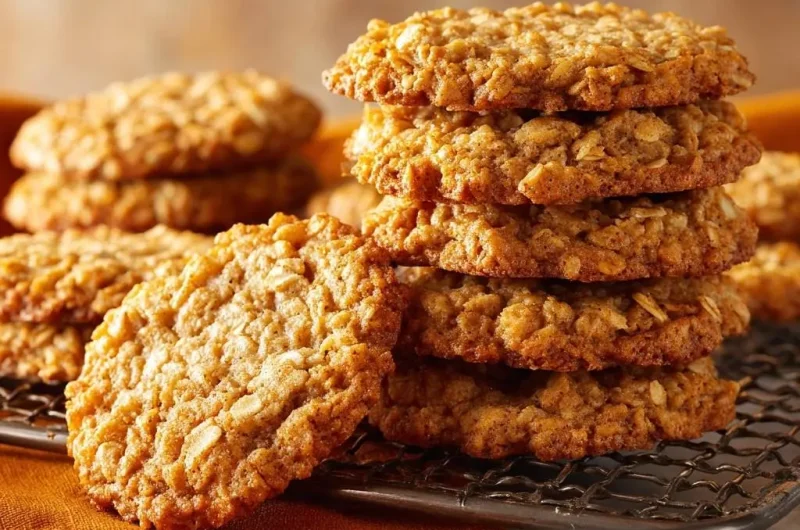
Oatmeal Cookies
Course: DessertCuisine: AmericanDifficulty: easy36
cookies15
minutes12
minutes180
kcal57
MinutesTired of flat, dry oatmeal cookies? Chilling the dough locks in shape for thick, chewy cookies with crisp edges. Perfect for home bakers.
Ingredients
1 cup unsalted butter, softened
1 cup packed brown sugar
1/2 cup granulated sugar
2 large eggs
2 teaspoons vanilla extract
1 1/2 cups all-purpose flour
1 teaspoon baking soda
1 teaspoon ground cinnamon
1/2 teaspoon salt
3 cups old-fashioned rolled oats
Directions
- In a large bowl, beat softened butter, brown sugar, and granulated sugar until light and fluffy, about 2 minutes. Add eggs one at a time, beating well after each. Mix in vanilla.
- In a separate bowl, whisk flour, baking soda, cinnamon, and salt. Gradually stir dry ingredients into wet mixture until just combined. Fold in oats.
- Cover dough and chill in refrigerator for 30 minutes. This crucial step prevents spreading by firming the butter and oats, ensuring thick cookies that stay moist and chewy instead of flattening out.
- Preheat oven to 350 degrees F. Line baking sheets with parchment paper. Scoop tablespoon-sized dough balls, place 2 inches apart.
- Bake 10 to 12 minutes until edges are golden but centers are still soft. Cool on sheet 5 minutes before transferring to wire rack. Store in airtight container.
Notes
- Chilling the dough for 30 minutes is crucial to prevent spreading and ensure thick, moist cookies.