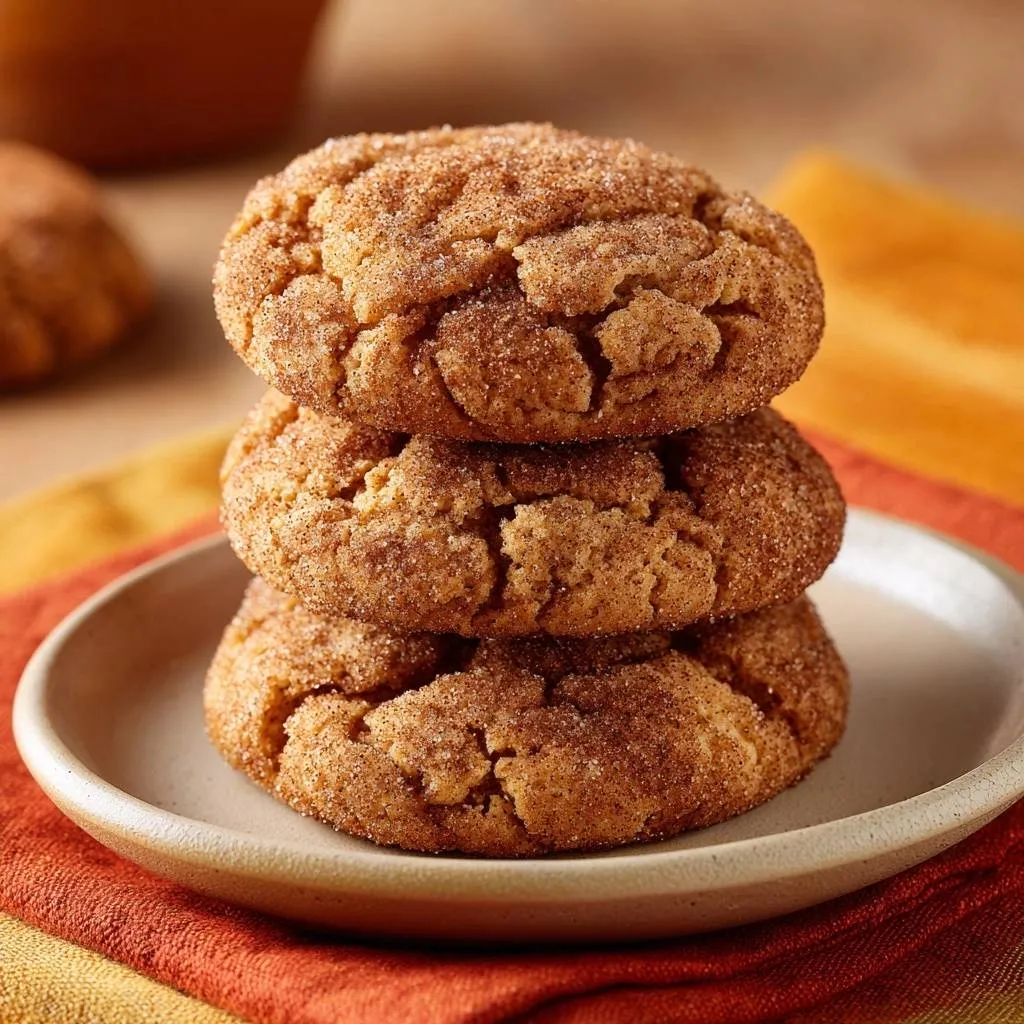
Why Thick Snickerdoodle Cookies Transform Baking
Nothing beats biting into a thick snickerdoodle that stays tall and chewy instead of spreading into a flat disc. You’ve probably pulled cookies from the oven only to watch them slump, right? This recipe nails bakery-style height every time with one key fix.
However, most home bakers skip the chill, so their cookies melt out during baking. In addition, the dough needs that fridge time to firm up the butter. Therefore, you get those perfect cracks and a soft center that holds shape.
The secret lies in chilling for at least two hours. It solidifies the fat, so the cookies puff up tall instead of sprawling. Oh man, the first batch I made this way had everyone reaching for seconds.
Key Ingredients for Thick Snickerdoodle Cookies
Start with 2 1/2 cups all-purpose flour for structure. It gives the dough enough strength to rise tall without turning tough. Use a spoon to measure, then level it off, so you don’t pack in too much.
Cream of tartar brings the signature tang and lift. It reacts with baking soda for that extra puff. Without it, your cookies lack the classic snickerdoodle snap.
One cup softened unsalted butter creams perfectly with 1 1/2 cups sugar. Unsalted lets you control the salt level. Room temperature butter whips in air for chewiness.
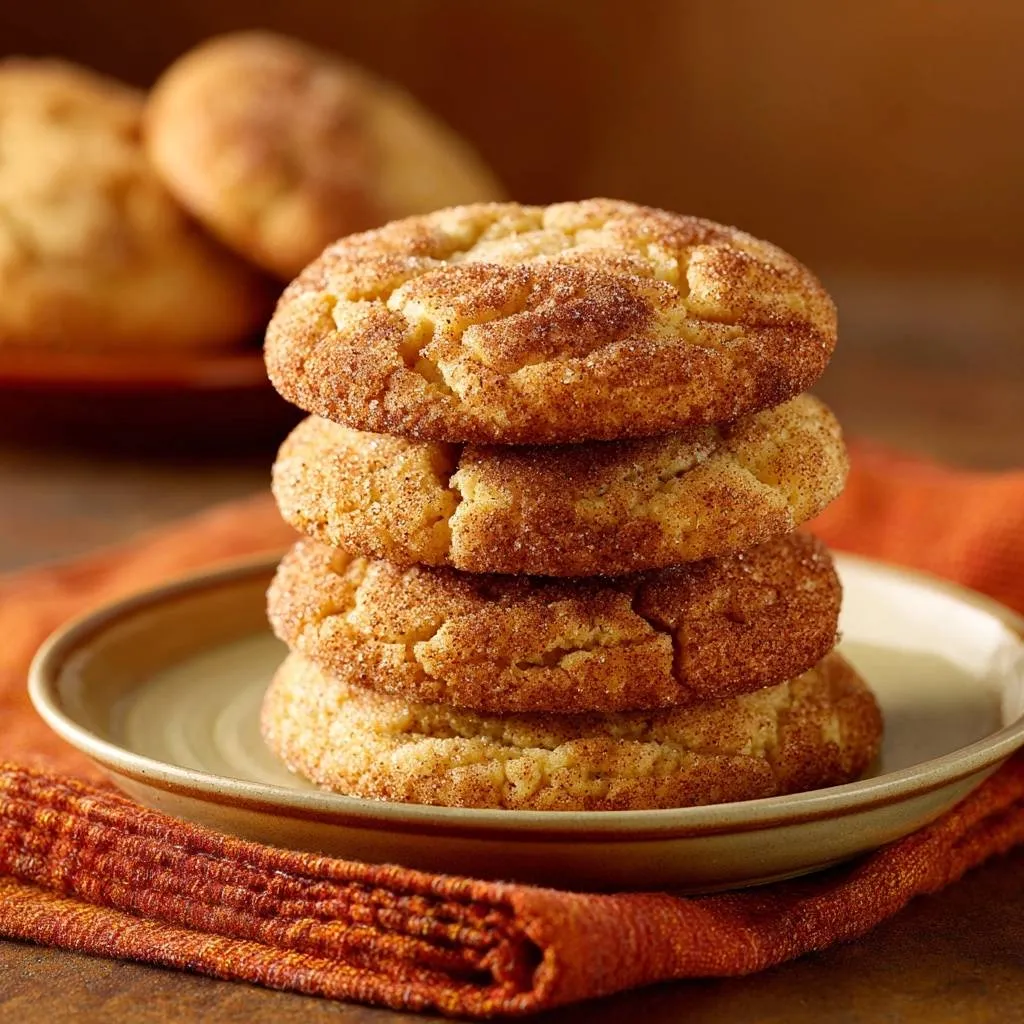
Two large eggs bind everything. Add them one by one for smooth emulsion. Finally, the cinnamon sugar coating uses 2 tablespoons sugar and 2 teaspoons cinnamon for those irresistible cracks.
Cream of Tartar Role in Snickerdoodle Texture
Cream of tartar, at 2 teaspoons, teams up with baking soda to release carbon dioxide. This creates lift that fights flatness. Therefore, your cookies dome up nicely.
Without it, the dough misses that chemical reaction. In addition, it adds a subtle tartness that balances the sweetness. Fresh baking soda ensures full power here.
Butter and Sugar Balance for Chewiness
Cream the butter and sugar for two minutes until pale and fluffy. This traps air bubbles that expand in the oven. Use unsalted butter to avoid over-salting.
The 1 1/2 cups sugar keeps them soft, not cakey. However, beat at medium speed. Overdo it, and the texture turns grainy.
Science of Thick Snickerdoodle Cookies
Chilling the dough transforms everything. The butter firms up, slowing the melt in the oven. Therefore, cookies hold their shape and develop cracks.
Hydration stays balanced, limiting gluten formation. In addition, the Maillard reaction browns the edges while the center stays chewy. A two-hour minimum lets fat crystals solidify fully.
Surface tension from the cinnamon sugar coating splits as the cookie expands. This creates those picture-perfect fissures. Preheat your oven fully for even heat.
Chilling Dough Prevents Flat Spread
Fridge time causes butter to crystallize, resisting quick melting. Therefore, dough balls stay intact longer in the heat. Chill at least two hours, up to overnight.
Gluten relaxes too, preventing toughness. Wrap tightly to avoid drying out. You’ll see the difference in height right away.
Cinnamon Sugar Coating Cracks Explained
Heavy coating creates tension on the surface. As the cookie puffs, it cracks open beautifully. Roll generously for the best effect.
Bake at 350 degrees F so expansion happens evenly. In addition, the sugar caramelizes for extra crunch on the edges.
Step-by-Step Thick Snickerdoodle Cookies Guide
Follow these steps closely. Each one builds toward tall, cracked perfection. You’ll smell the cinnamon wafting through your kitchen soon.
For more delightful cookie ideas, consider trying the glazed raspberry thumbprint cookies.
Whisk Dry Mix for Even Leavening
Whisk 2 1/2 cups flour, 2 teaspoons cream of tartar, 1 teaspoon baking soda, and 1/4 teaspoon salt. This distributes leaveners evenly. Use a wide bowl for easy mixing.
For a richer dessert experience, consider trying these dark chocolate toffee cookies.
Whisking aerates better than sifting here. Set it aside while you cream the wet stuff.
Cream Butter Sugar for Airy Base
Beat softened butter and 1 1/2 cups sugar on medium until light, about two minutes. Scrape the bowl often. Add eggs one at a time, beating until smooth.
Look for a fluffy, pale mixture. This incorporates air for lift. Don’t skip the scraping, or lumps form.
Combine Wet Dry Without Overmixing
Add dry ingredients gradually on low speed. Stop when just combined; dough looks shaggy. Overmixing develops gluten and toughens cookies.
A spatula works great for the last stirs. The dough firms up in the fridge anyway.
Chill Dough for Shape Retention
Cover tightly and refrigerate two hours minimum. Plastic wrap or a lid prevents drying. For best results, chill overnight.
Roll Coat Bake for Cracked Tops
Preheat to 350 degrees F. Line sheets with parchment. Scoop 1 1/2-tablespoon balls, roll heavily in cinnamon sugar mix.
Place 2 inches apart. Gently flatten tops with your palm. Bake 9 to 11 minutes until edges set but centers are soft. Cool on sheets five minutes first.
Avoiding Mistakes with Thick Snickerdoodle Cookies
Skipping the chill leads to flat spreaders. Overbaking turns them into hockey pucks. Light coating means no cracks.
Always measure flour by spooning, not scooping. In addition, use parchment for even baking. These fixes keep every batch perfect.
Overmixing Leads to Tough Texture
Too much mixing wakes up gluten strands. They tighten and make cookies chewy in a bad way. Stop at shaggy dough.
Fold gently with a spatula if needed. The chill relaxes it further.
Baking Too Long Dries Centers
Pull at 9 to 11 minutes when edges firm. Carryover heat finishes the centers. Over 12 minutes, they dry out.
Cool on the sheet to set structure. Racks prevent sogginess later.
Flavor Variations for Thick Snickerdoodle Cookies
Try brown butter for nutty depth. Swap cinnamon for cardamom. Add lemon zest to the dough.
More Sweet Treats to Try
If you enjoyed these cinnamon-spiced cookies, you might also like these breakfast and dessert ideas.
- Start your day with these Cinnamon French Toast Stacks, featuring a similar warm spice note.
- For a fun, campfire-inspired dessert, try these S’mores Pancakes, offering a different take on sweet, comforting flavors.
Mix in chocolate chips, but chill longer. Pumpkin spice works for fall, same bake time. All keep the thick shape.
Brown Butter Upgrade for Nutty Depth
Melt butter until golden and fragrant, then cool fully before creaming. It adds toffee notes without changing thickness. Chill dough as usual.
Strain out bits for smooth texture. Everyone raves about this twist.
Storage Freezing Thick Snickerdoodle Cookies
Store airtight at room temp up to five days. They stay chewy with a slice of bread in the container. Freeze baked cookies up to three months.
Thaw at room temp. For dough, freeze balls and bake straight from freezer, add two minutes. Texture holds perfectly.
Freezing Dough Balls Ahead
Flash freeze scooped balls on a sheet, then bag them. Bake from frozen at 350 degrees F, adding two to three minutes. Great for batch baking.
Coat frozen balls in fresh cinnamon sugar. No thawing needed.
Pairing Sides with Thick Snickerdoodle Cookies
Pair with strong coffee to cut the sweetness. Vanilla ice cream scoops make warm sundaes. Whole milk balances the tang.
Sparkling apple cider refreshes alongside. Perfect for holiday platters too.
Troubleshooting Thick Snickerdoodle Cookies
No Cracks on Snickerdoodle Tops
Roll in more cinnamon sugar for better tension. Flatten tops lightly before baking. Check oven temp; too low prevents puffing.
Cookies Spread Despite Chilling
Butter was too warm; use truly softened, not melted. Spoon flour accurately. Dark pans conduct heat faster, so watch time.
How Do I Store Thick Snickerdoodle Cookies?
Keep in an airtight container at room temperature for up to five days. They stay soft and chewy. For longer, freeze in a single layer first, then bag for three months. Thaw on the counter; no texture loss.
Why Are My Thick Snickerdoodle Cookies Flat?
The most common issue is skipping or shortening the chill. Two hours minimum firms the butter to prevent spreading. Also, ensure butter starts softened, not melted, and don’t overpack flour.
Can I Substitute Ingredients in Thick Snickerdoodle Cookies?
No cream of tartar? Mix 1 teaspoon baking powder with 2 teaspoons vinegar for similar lift. Use plant-based butter and flax eggs for vegan; chill extra hour. Gluten-free 1:1 flour works, but add 1/4 teaspoon xanthan gum.
Why Are My Thick Snickerdoodle Cookies Too Tough?
Overmixing develops gluten. Mix dry into wet just until shaggy. The dough chills and relaxes, so patience pays off. Fresh leaveners prevent density too.
How Do I Get Perfect Cracks on Thick Snickerdoodle Cookies?
Coat heavily in cinnamon sugar and flatten tops gently. Bake at exact 350 degrees F on parchment. Centers stay soft for the split; underbaking helps the puff.
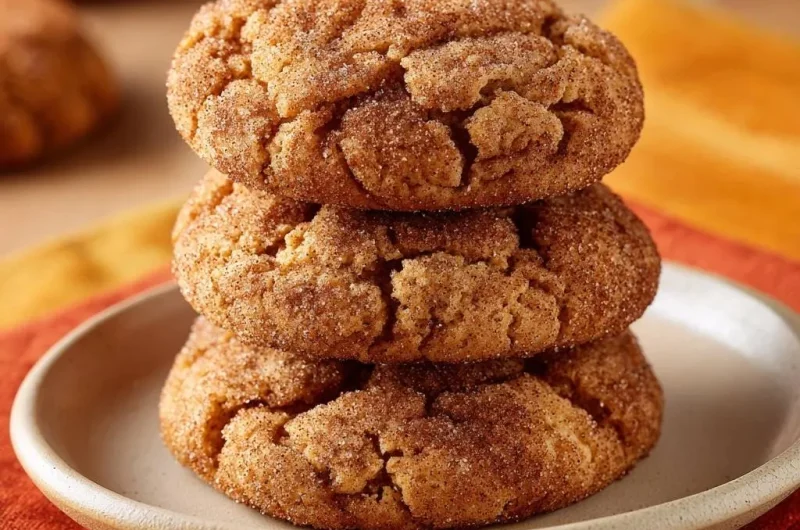
Snickerdoodle Cookies
Course: DessertCuisine: AmericanDifficulty: easy24
cookies20
minutes10
minutes180
kcal120
MinutesCraving tall, chewy snickerdoodles with perfect cracks? This recipe uses a dead-simple dough chill to prevent flat spreading for bakery-style results every time.
Ingredients
2 1/2 cups all-purpose flour
2 teaspoons cream of tartar
1 teaspoon baking soda
1/4 teaspoon salt
1 cup unsalted butter, softened
1 1/2 cups granulated sugar
2 large eggs
2 tablespoons granulated sugar
2 teaspoons ground cinnamon
Directions
- Whisk flour, cream of tartar, baking soda, and salt in a bowl. Set aside.
- Beat butter and 1 1/2 cups sugar until light and fluffy, about 2 minutes. Add eggs one at a time, beating well after each.
- Gradually mix in dry ingredients until just combined. Do not overmix.
- Cover dough tightly and chill in fridge for at least 2 hours. This crucial step firms the butter so cookies hold their shape, preventing the dreaded flat spread during baking.
- Preheat oven to 350 degrees F. Line baking sheets with parchment paper.
- Mix 2 tablespoons sugar and cinnamon in a small bowl. Scoop 1 1/2-tablespoon balls of chilled dough, roll in cinnamon sugar to coat heavily.
- Place balls 2 inches apart on sheets. Gently flatten tops slightly with your palm for even cracks.
- Bake 9 to 11 minutes until edges are set but centers are still soft. Cookies will puff tall and crack perfectly. Cool on sheets 5 minutes, then transfer to racks. Store airtight up to 5 days.
Notes
- Chilling the dough for at least 2 hours is crucial to prevent flat spreading. Store airtight up to 5 days.