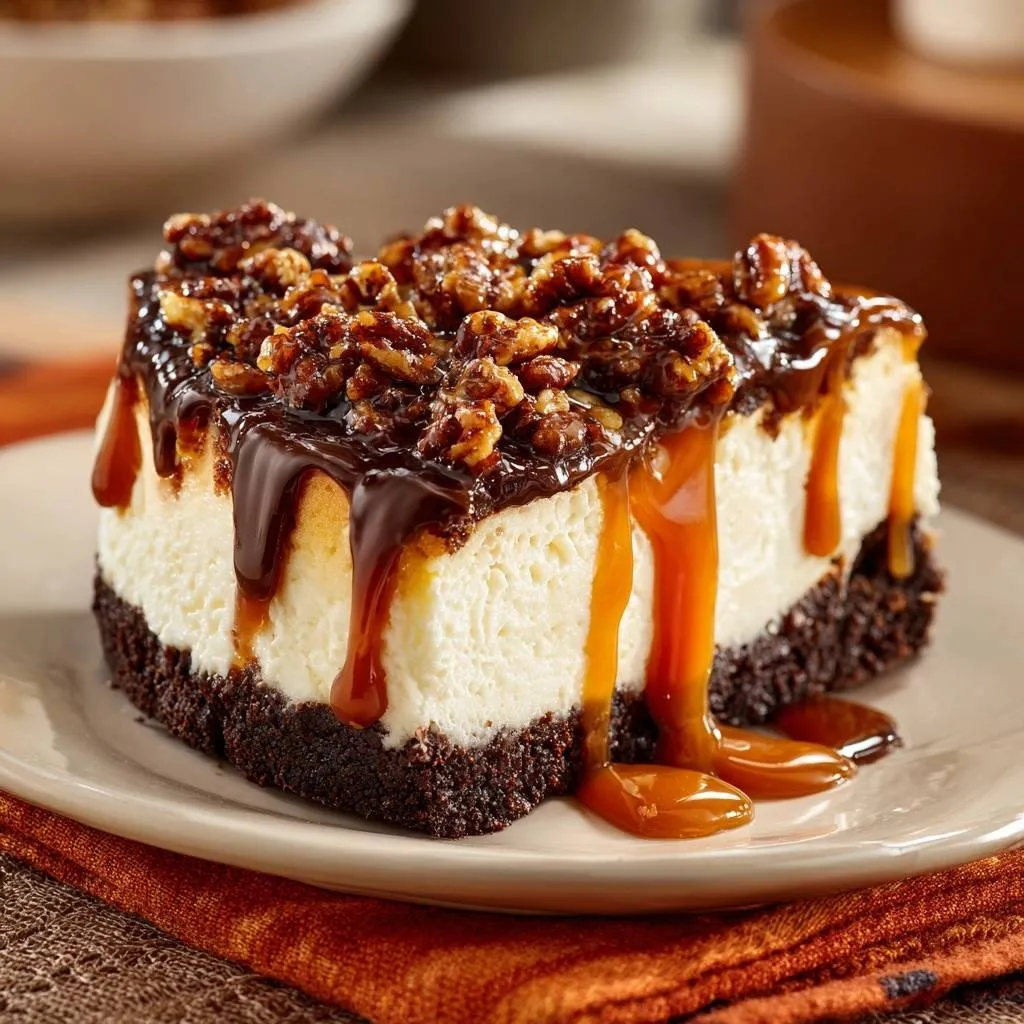
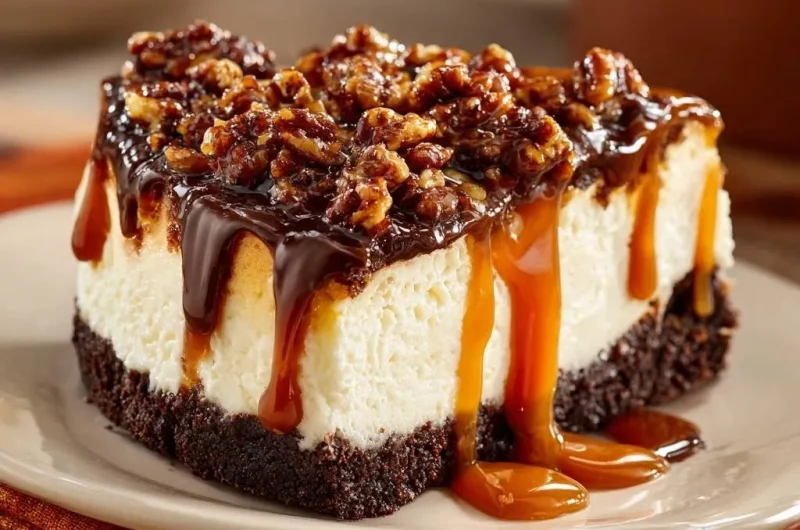
Cracked cheesecakes drive you nuts, don’t they? That smooth top you dream of splits right before serving. But this Turtle Cheesecake changes everything with a foolproof water bath method. You’ll get creamy perfection every time, topped with caramel, chocolate ganache, and toasted pecans over a chocolate cookie crust.
Why does this Turtle Cheesecake nail it? The water bath delivers even, gentle heat, so no sudden shocks cause cracks. In addition, slow cooling in the oven locks in that silky texture. Therefore, you end up with a showstopper that tastes as good as it looks.
For a similar treat featuring deep chocolate notes, check out frosted dark chocolate toffee cookies.
Here’s the expertise booster: beat the cream cheese first until it’s whisper-smooth before adding sugar. This prevents lumps that lead to uneven baking. Oh man, that first creamy bite with the crunchy pecans? Pure bliss.
For more cheesecake ideas, explore the no-leak Red Velvet cheesecake cookies.
Chocolate Cookie Crust Foundation
You start this Turtle Cheesecake with 2 cups of chocolate cookie crumbs and 6 tablespoons of melted unsalted butter. Chocolate cookies beat graham crackers hands down for that rich Turtle vibe. They pair perfectly with the caramel and pecans later.
Press the mixture firmly into the bottom and 1 inch up the sides of your 9-inch springform pan. This gives stability so the crust holds up to the heavy filling. Bake it at 325°F for 10 minutes. That quick bake seals in a moisture barrier, keeping things crisp.
Choosing Crumbs for Rich Base
Go for Oreo-style crumbs over homemade chocolate wafers if you’re short on time. They deliver deep chocolate flavor without extra work. Process them to a fine texture for even packing, but don’t overdo it. Otherwise, the oils make the crust greasy.
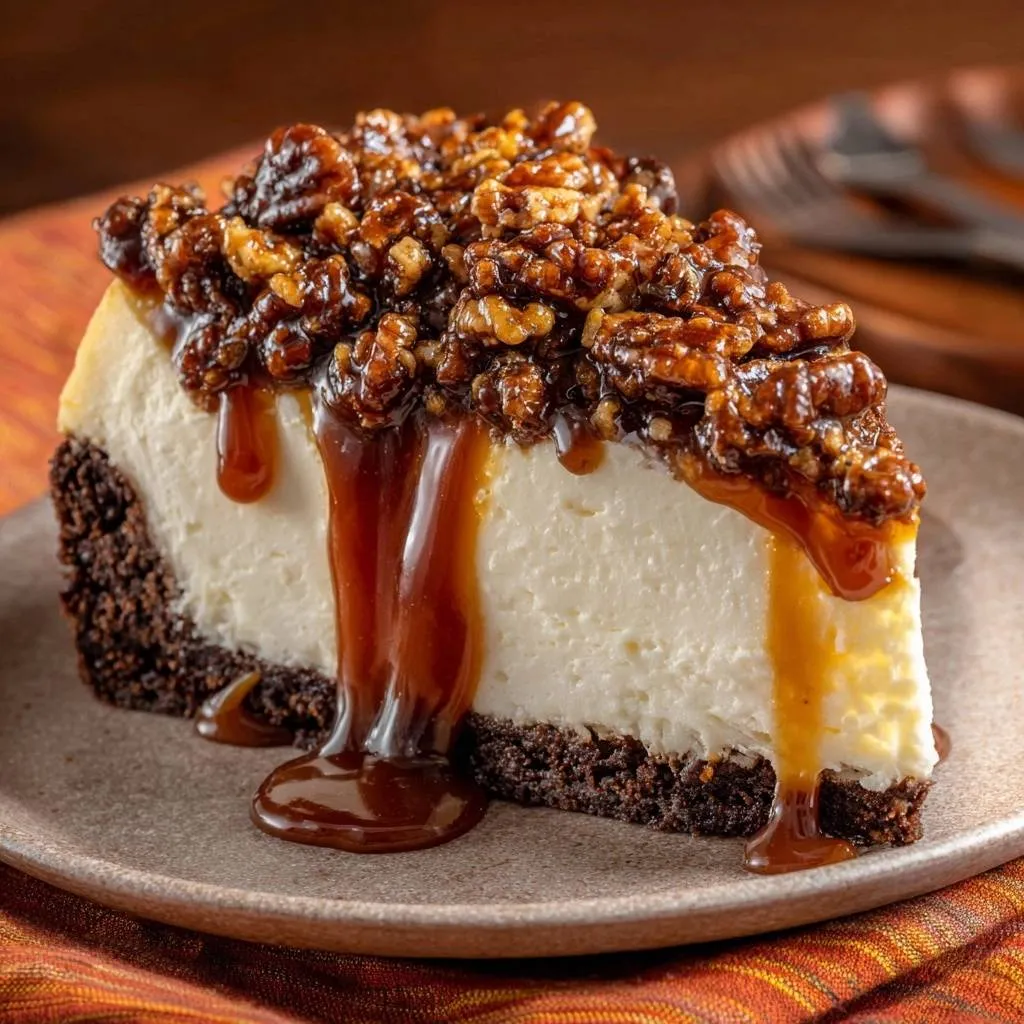
Fresh crumbs stick better too. You’ll smell that chocolatey goodness right away. It’s the solid base your Turtle Cheesecake deserves.
Melting Butter Precision
Always use unsalted butter so you control the salt. Melt it gently on the stovetop or in short microwave bursts. Stir every 20 seconds to avoid scorching.
Let it cool a bit before mixing with crumbs. Hot butter makes a soggy mess in your Turtle Cheesecake crust. Cool butter binds perfectly for that snap.
Creamy Filling Without Cracks
The heart of this Turtle Cheesecake is 4 packages of softened 8-ounce cream cheese, 1 1/4 cups granulated sugar, 4 large eggs, 1 cup sour cream, and 2 teaspoons vanilla extract. Room-temperature ingredients blend seamlessly. This order keeps everything lump-free and smooth.
Beat the cream cheese and sugar first on medium speed until creamy. Then add eggs one by one. Finally, mix in sour cream and vanilla for tang and silkiness. Pour it over the cooled crust. You’re set for crack-free magic.
Softening Cream Cheese Properly
Skip the microwave; it often over-softens spots and causes lumps. Instead, set the blocks out 1-2 hours until a finger dents them without sticking. For each 8-ounce block, that’s about 90 minutes at room temp.
This ties straight to crack prevention in your Turtle Cheesecake. Properly softened cheese incorporates air evenly, baking up smooth. Test it: no resistance means you’re good.
Egg Incorporation Technique
Add eggs one at a time on low speed, beating just until blended. Overbeating whips in too much air, which expands and cracks the top. Keep it gentle.
Sour cream adds moisture and a slight tang, while vanilla rounds out the sweetness in this Turtle Cheesecake. You’ll see the batter turn velvety pale yellow. Perfect.
Water Bath Science for Even Baking
Wrap your 9-inch springform pan in three layers of heavy-duty aluminum foil. Place it in a large roasting pan, then add hot water halfway up the sides. Bake at 325°F for 55-65 minutes until the center jiggles slightly.
The steam from the water bath provides gentle, humid heat. Unlike a dry oven’s shocks, this prevents cracks by baking evenly. Your Turtle Cheesecake stays creamy inside with a perfect set.
Monitor closely near the end. That subtle jiggle in a 2-inch circle means it’s done. Pull it out confident, no cracks in sight.
Foil Wrapping to Seal Leaks
Use only heavy-duty foil, triple-layered for no leaks. Crimp it tight around the pan’s bottom and sides. Test by submerging in a sink full of water; no bubbles means it’s sealed.
Oven bags sound good but often fail under heat. This keeps your Turtle Cheesecake dry and safe. Peace of mind.
Hot Water Level and Monitoring
Fill exactly halfway up the springform sides with hottest tap water. If it evaporates during baking, top it off carefully with a kettle. Stay precise.
Check the jiggle: a soft 2-inch wobble, not sloshy. An instant-read thermometer at 180°F internal confirms doneness for your Turtle Cheesecake. Spot on.
Slow Cooling Locks Creaminess
Turn off the oven, crack the door, and let the Turtle Cheesecake cool inside for 1 hour. Then remove it from the water bath, ditch the foil, and cool to room temp. Refrigerate 4 hours or overnight.
This gradual temp drop lets the filling contract evenly. Rush it, and cracks form from the shock. Patience pays off big here.
Pro tip: loosely cover once room temp to avoid condensation drips. Your top stays flawless.
Cracked Door Method Explained
Prop the door with a wooden spoon for steady air flow. Hot oven air circulates slowly, dropping temp by about 50°F in that hour. Science at work.
Don’t peek too much; it disrupts the process. Your Turtle Cheesecake thanks you with creaminess.
Fridge Chilling Best Practices
Chill uncovered at first, then loosely tent with foil overnight. This prevents moisture buildup. Run a thin knife around the edge before releasing the rim.
Overnight sets it firm but sliceable. Ideal for Turtle Cheesecake glory.
Caramel Chocolate Pecan Topping
After chilling, drizzle 1/2 cup caramel sauce, then 1/2 cup chocolate ganache or melted chocolate. Finish with 1 cup toasted chopped pecans. This iconic Turtle Cheesecake crown screams indulgence.
Toast pecans at 350°F for 8-10 minutes on a sheet pan. Stir halfway for even golden crunch. They’ll perfume your kitchen with nutty warmth.
Assemble post-chill so toppings shine without melting the cheesecake. Drizzle in zigzags for pretty coverage. Guests go wild.
Toasting Pecans for Crunch
Spread pecans in a single layer on a baking sheet. Roast at 350°F, shaking the pan halfway through those 8-10 minutes. Watch for deep gold and toasty scent.
Cool completely before chopping uniformly. This stops sogginess on your Turtle Cheesecake. Texture heaven.
Ganache vs Melted Chocolate Drizzle
Whip up ganache quick: heat 1/2 cup cream, pour over 1/2 cup chopped chocolate, stir smooth. It’s thicker for clean lines. Melted chocolate works too, but thin with a teaspoon of coconut oil.
Warm store-bought caramel gently first. Drizzle ganache then caramel for layered shine on Turtle Cheesecake. Pro move.
Springform Pan Equipment Essentials
A 9-inch springform pan is non-negotiable for Turtle Cheesecake. The latch releases sides cleanly, no digging out slices. Pair it with heavy foil, a roasting pan, wire rack, and silicone spatula.
Budget pans leak; invest in one with a tight seal. Test it dry first. Your success depends on it.
Wire rack cools the crust evenly post-bake. Spatula scrapes every bit of filling. Essentials done right.
Why Springform Beats Regular Pans
The spring mechanism expands the sides outward, preserving that perfect Turtle Cheesecake shape. Regular pans mean flipping and cracking risks. No thanks.
Test seal by filling with water pre-use. Leak-free means victory. Always.
Roasting Pan Water Bath Fit
Choose one at least 2 inches deeper than your springform, about 13×16 inches. It holds water steady without sloshing. Smaller pans overflow; don’t chance it.
Alternatives like hotel pans work if sized right. Fit matters for Turtle Cheesecake.
Avoiding Turtle Cheesecake Pitfalls
Overmixing aerates the batter, causing cracks. Water leaks soak the crust. Rapid cooling shocks the top. Underbaking leaves a soupy center. Fix with parchment lining under foil, extra wraps, visual cues.
Check each stage: crust firms golden, filling jiggles softly, cooling gradual. Confidence builder.
Pro tip: silicone edges on springform prevent tiny leaks. Game changer.
Leak Prevention Double-Checks
Submerge the foil-wrapped pan in water pre-filling. Bubbles? Rewrap. Line the inside bottom with parchment too.
Oven bag inside foil adds backup. Keeps your Turtle Cheesecake pristine.
Overbake Jiggle Detection
Look for a 2-inch center wobble only, edges set. Toothpick at 150-155°F internal temp. Pull then; carryover finishes it.
No full stop jiggle. That’s raw. Nail this for perfect Turtle Cheesecake.
Make-Ahead and Freezing Turtle Cheesecake
Store in the fridge up to 3 days, tightly wrapped. Freeze the whole cheesecake or slices up to 2 months. Thaw overnight in fridge, add toppings after.
Holiday prep gold. Make ahead, stress less. Tastes fresh every time.
Freezing Wrapped Slices
Cut into wedges, wrap each in plastic with parchment between. Into airtight bags, squeeze air out. Label with date.
Thaw straight from freezer to fridge. Easy portions for Turtle Cheesecake fans.
Reviving Frozen Texture
Never microwave; it weeps. Let fridge-thawed edges soften 30 minutes at room temp before slicing. Creaminess returns fully.
Toppings stay crisp added fresh. Like new.
Flavor Twists on Turtle Cheesecake
Upgrade with sea salt caramel for sweet-salty pop. Apple juice in the vanilla adds depth without overpowering. Swap pretzels for crust crunch, or almonds for pecan allergies. Keto? Use monk fruit sweetener.
These keep the Turtle Cheesecake core intact. Experiment confidently.
Pro tip: toast nuts with a pinch of salt. Elevates everything.
Salted Caramel Elevation
Sprinkle fleur de sel flakes right after caramel drizzle, before chocolate. It melts in slightly, balancing richness. Timing key for crunch.
Transforms basic Turtle Cheesecake. Guests rave.
Nut-Free Topping Alternatives
Toasted coconut flakes mimic crunch. Chocolate curls add elegance. Both pair with caramel-chocolate duo seamlessly.
Allergy-safe Turtle Cheesecake win. No compromises.
Perfect Pairings for Turtle Cheesecake
Strong coffee cuts the richness perfectly. Fresh berries add tart pop. Whipped cream mellows it out. Tawny port complements the caramel notes. Slice thin for indulgence control.
These pairings make your Turtle Cheesecake shine brighter.
Round Out Your Meal
To complement your rich turtle cheesecake, consider these sweet and savory additions.
- For a delightful breakfast or brunch option, try these Apple Cinnamon Roll Pancakes, featuring warm spices reminiscent of dessert.
- If you’re looking for a festive appetizer, this Cranberry Pecan Honey Cheese Log offers a pleasing contrast with its tangy and nutty notes.
Hot Drinks to Complement
Espresso’s bitterness battles the sweet. Latte softens with milk foam. Both highlight chocolate and nuts.
Cozy match made in heaven.
Fruit Sides for Balance
Raspberries’ acidity slices through creaminess. Blackberries deepen the vibe. A handful brightens each bite.
Simple, fresh contrast.
Turtle Cheesecake Troubleshooting
Soggy crust? Crust cooled fully before filling. Leaking water? Triple foil and test. Dense filling? Overbeat less, room-temp eggs. Dull topping? Toast nuts fresh, warm sauces. Uneven bake? Water bath level steady.
Visuals guide: translucent batter smooth, jiggle subtle. Fixes build your wins.
Frequently Asked Turtle Cheesecake Questions
Is Water Bath Always Required?
Yes, for crack-free results in this Turtle Cheesecake. It steams gently, mimicking pro ovens’ humidity. Without it, dry heat shocks the eggs, causing splits. If skipping, lower temp to 300°F and tent foil over top after 40 minutes, but cracks risk higher. Water bath guarantees creamy perfection every bake.
Gluten-Free Turtle Cheesecake Adaptation?
Swap chocolate cookie crumbs for gluten-free versions like GF Oreos or crushed GF chocolate wafers. Measure 2 cups exact. Press and bake same way; they bind fine with butter. Filling’s naturally GF. Toppings too. Full Turtle Cheesecake joy, no gluten. Test GF crumbs’ fineness to avoid grittiness.
Sour Cream Substitution Options?
Use full-fat Greek yogurt, 1 cup, for similar tang and creaminess. Or plain whole-milk yogurt mixed with 2 tablespoons heavy cream. Both prevent cracks like sour cream. Avoid low-fat; it waters down texture in Turtle Cheesecake. Blend smooth at room temp. Same 1:1 swap works perfectly.
Adjusting for 8-Inch Pan?
For an 8-inch springform, reduce filling by 25%: 3 packages cream cheese, 3 eggs, 3/4 cup sugar, 3/4 cup sour cream. Crust: 1 1/2 cups crumbs, 4 1/2 tbsp butter. Bake 65-75 minutes, same water bath. Deeper pan needs longer jiggle check. Toppings scale down slightly. Tight, tall Turtle Cheesecake success.
Using Store-Bought Sauces?
Absolutely, grab quality caramel and chocolate sauces. Warm gently in microwave 15-second bursts, stir smooth. Drizzle thin for shine; thick clogs slices. Ganache from scratch optional but store-bought melted fine. Toast pecans fresh regardless. Saves time, tastes pro on Turtle Cheesecake. Pick thick brands like Ghirardelli.
Cheesecake
Course: DessertCuisine: AmericanDifficulty: medium12
servings30
minutes1
hour5
minutes550
kcal360
MinutesCracked cheesecakes are a thing of the past with this foolproof water bath method that ensures even baking and slow cooling for a perfect creamy top every time.
Ingredients
Crust:
2 cups chocolate cookie crumbs
6 tablespoons unsalted butter, melted
Filling:
4 (8-ounce) packages cream cheese, softened
1 1/4 cups granulated sugar
4 large eggs
1 cup sour cream
2 teaspoons vanilla extract
Topping:
1/2 cup caramel sauce
1/2 cup chocolate ganache or melted chocolate
1 cup chopped pecans, toasted
Directions
- Preheat oven to 325 degrees F. Wrap a 9-inch springform pan tightly in three layers of heavy-duty aluminum foil to prevent water leaks.
- Mix chocolate cookie crumbs and melted butter. Press firmly into bottom and 1 inch up sides of prepared pan. Bake 10 minutes, then cool on wire rack.
- Beat cream cheese and sugar until smooth. Add eggs one at a time, beating just until blended. Mix in sour cream and vanilla. Pour over crust.
- Place springform pan in a large roasting pan. Fill roasting pan with hot water to halfway up sides of springform pan. This water bath delivers even, gentle heat to prevent cracks by avoiding sudden temperature shocks.
- Bake 55 to 65 minutes until center is almost set but still jiggles slightly. Turn off oven, crack door open, and cool cheesecake inside 1 hour. This slow cool-down locks in creaminess without surface cracks.
- Remove from water bath, discard foil, and cool to room temperature. Refrigerate 4 hours or overnight.
- Run knife around edge, remove pan rim. Drizzle with caramel sauce and chocolate ganache. Sprinkle toasted pecans on top. Slice and serve.
Notes
- Wrap springform pan tightly in three layers of heavy-duty aluminum foil to prevent water leaks. Slow cool-down in oven locks in creaminess without surface cracks.