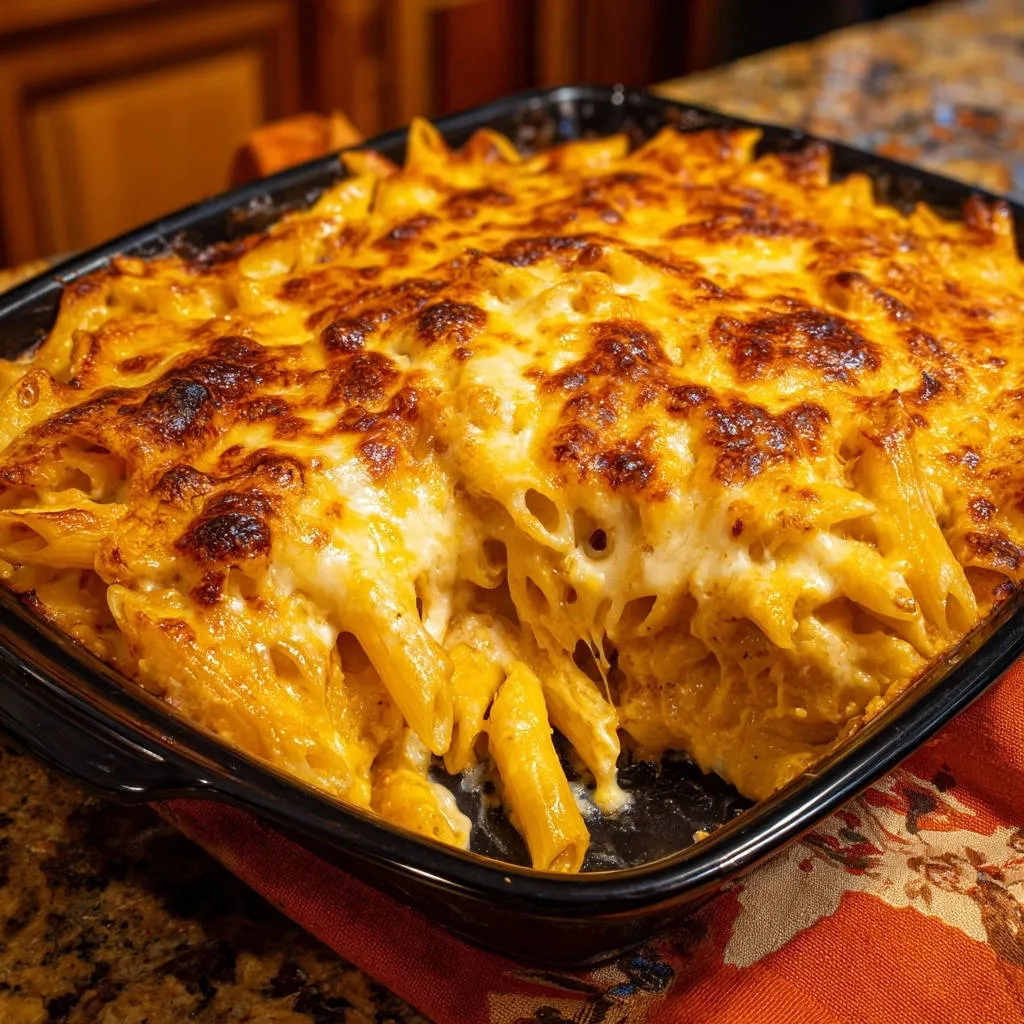
For years, I struggled with baked pasta that promised richness but delivered only dry, sticky disappointment-a common pain point solved by one key technique. This expert method utilizes a precise “Moisture Lock” technique and a strategically loose béchamel base, guaranteeing your Ultra Creamy Baked Penne Casserole is rich, bubbly, and spoon-tender every single time.
The Creaminess Revolution: Why This Ultra Creamy Baked Penne Casserole Stays Spoon-Tender
The secret to perfect baked pasta is managing moisture. Pasta absorbs liquid aggressively during baking, and if the sauce isn’t engineered to compensate for that, the result is inevitably dry.
Our method addresses this through three critical steps that build stability and lock in hydration until the moment the dish hits the table.
For a similar creamy pasta experience, check out this chicken and butternut squash pasta.
Mastering the Base: Stabilizing the Béchamel Sauce
The foundation of this casserole is a robust béchamel sauce built on a thoroughly cooked roux (butter and flour). This roux acts as a powerful emulsifier, binding the liquids and fats together.
A well-stabilized béchamel prevents the sauce from separating or breaking under the high heat of the oven, which is a major cause of graininess and oiliness in baked pasta dishes.
The Crucial Role of Liquid Volume: Why the Sauce Must Look “Too Loose”
Standard baked pasta recipes often call for sauces that look perfect before baking, but this is a mistake. The undercooked pasta will greedily absorb much of that moisture as it finishes cooking.
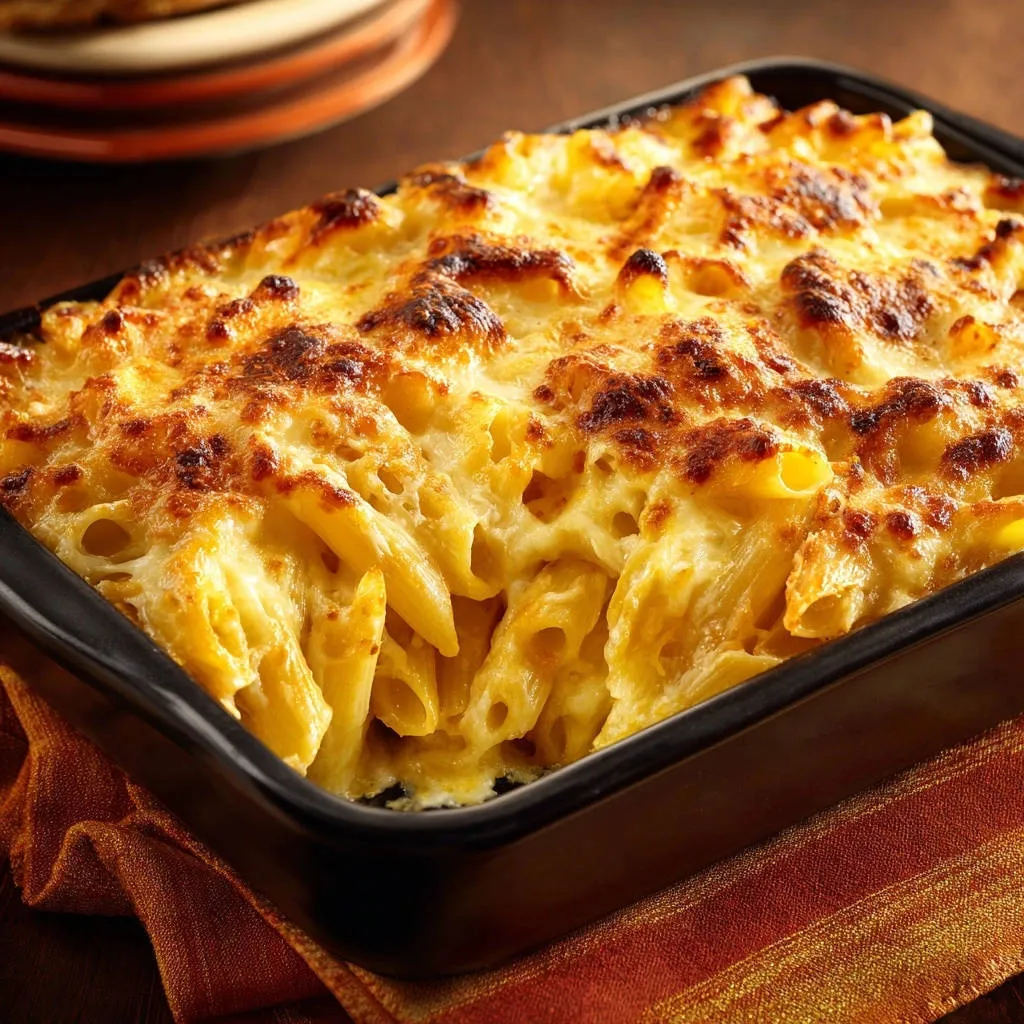
We intentionally add heavy cream, extra milk, and 1 cup of starchy pasta water to create a very loose sauce. This liquid surplus is essential moisture insurance.
During the baking process, this extra liquid is drawn into the pasta tubes, which fully hydrates them and leaves a perfectly thick, luxurious sauce behind.
The “Moisture Lock” Technique: Ensuring Perfectly Hydrated Pasta
The initial covered bake is perhaps the most important technical step in this recipe. Covering the dish tightly with aluminum foil traps steam inside.
This steamy environment allows the very firm pasta to fully cook through without evaporating the necessary moisture from the sauce. It ensures hydration and prevents the top layer from forming a stiff crust too early.
Building Blocks of Flavor: Essential Ingredients for the Ultimate Ultra Creamy Baked Penne Casserole
The Foundation: Penne, Ziti, and the Art of Undercooking
Using penne rigate or ziti works wonderfully, as their tube shapes hold the rich cheese sauce perfectly. Penne rigate, with its ridges, offers superior sauce adhesion.
The pasta must be cooked 3 minutes shy of al dente; this is non-negotiable. If the pasta is cooked properly beforehand, it will turn mushy and break down during the final oven bake.
The Liquid Gold: Milk, Cream, and Starchy Pasta Water
Whole milk provides the necessary fat content for a rich, full-bodied béchamel, contributing depth of flavor. Heavy cream adds undeniable velvetiness and richness to the final texture.
The reserved starchy water (the “liquid gold”) is rich in starches that act as powerful natural emulsifiers. Adding it ensures the cheese and dairy bind seamlessly into a stable, silky sauce.
Selecting Your Cheese Duo: Cheddar and Monterey Jack
This recipe uses a blend for optimal flavor and texture. Sharp cheddar provides the necessary savory, tangy punch that defines great mac and cheese.
Monterey Jack or low-moisture mozzarella adds exceptional stretch and meltability without overpowering the flavor. Remember to always use freshly shredded cheese for the smoothest possible sauce.
Seasoning Secrets: Nutmeg and Cayenne for Depth
Nutmeg is a classic, essential seasoning for any great béchamel sauce. It subtly enhances the flavor of the dairy and provides warmth.
A small pinch of cayenne pepper adds complexity and a barely perceptible warmth to the back end of the flavor profile. It does not make the casserole spicy, but elevates the cheese notes.
For another take on this cheesy goodness, explore creamy sun-dried tomato penne.
Essential Gear: Tools for Stress-Free Casserole Assembly
A Heavy-Bottomed Pot or Dutch Oven: This is essential for building a smooth roux and preventing the béchamel from scorching on the bottom.
9×13 Inch Baking Dish: The standard size required for even baking and portioning.
Sturdy Whisk: Critical for achieving a lump-free sauce base, especially when adding the milk to the roux.
Box Grater: Mandatory for shredding cheese (pre-shredded cheese contains anti-caking agents that hinder meltability).
Step-by-Step: Your Path to Ultra Creamy Baked Penne Casserole Perfection
- Prep the Pasta and Oven:
Preheat the oven to 375°F. Cook the penne in well-salted boiling water for exactly 3 minutes less than the package directions. It must be very firm, as it will continue cooking in the oven. Remember to reserve one full cup of the starchy cooking water!
- Constructing the Roux Base:
In your heavy-bottomed pot, melt the butter over medium heat. Whisk in the flour and cook vigorously for 1 to 2 minutes. The roux should be smooth, slightly foamy, and smell faintly nutty, indicating the raw flour taste has been cooked out.
- Creating the Thickened Béchamel:
Stream in 3 1/2 cups of the cold whole milk very slowly, whisking continuously to prevent lumps from forming. Bring the mixture to a gentle simmer, stirring frequently, until the sauce visibly thickens enough to coat the back of a spoon-this typically takes 5 to 7 minutes.
- The Critical Cream and Moisture Lock Additions:
Remove the pot from the heat and stir in the salt, pepper, nutmeg, and cayenne. Gradually incorporate the freshly shredded cheese until the sauce is completely smooth and melted.
CRITICAL STEP: Stir in the remaining 1/2 cup milk, the heavy cream, and the full cup of reserved pasta water. The sauce must look quite loose-this extra moisture is the secret to a non-dry casserole.
- Combine, Transfer, and Cover:
Add the undercooked pasta to the loose cheese sauce and toss gently until every piece is fully coated. Pour the entire mixture into your prepared 9×13 inch baking dish.
- The Covered Bake (Moisture Lock Activation):
Cover the dish tightly with aluminum foil and bake for 20 minutes. This traps the steam, hydrates the firm pasta without liquid loss, and allows the cheese sauce to set beautifully.
- Achieving the Golden Crust:
Carefully remove the foil. If desired, sprinkle a little extra cheese on top for a richer crust. Return the dish to the oven, uncovered, and bake for another 10 to 15 minutes, or until the topping is deeply golden brown and bubbling enthusiastically.
- The Required Rest:
Let the Ultra Creamy Baked Penne Casserole rest on the counter for a minimum of 10 minutes after removing it from the oven. This allows the hot sauce to stabilize and thicken to its final, luxurious consistency, guaranteeing a perfect scoop.
Chef’s Toolkit: Elevating Your Ultra Creamy Baked Penne Casserole Game
Always Shred Your Own Cheese: Pre-shredded cheese contains cellulose powder (anti-caking agents) that prevents a smooth, velvety melt and can make your sauce slightly gritty or oily. Freshly shredded is non-negotiable for maximum creaminess.
Don’t Skip the Rest Period: The 10-minute rest is mandatory. If you slice into the casserole immediately, the piping hot sauce will run everywhere. Resting allows the starches and fats to settle and reabsorb, resulting in that perfect scoop.
Toast the Roux: Ensure you cook the flour and butter mixture (roux) for 1-2 full minutes until it smells nutty, not just until combined. This eliminates the raw flour taste that can ruin a béchamel.
Use Warmed Milk (Optional Tip): While not strictly required, using milk that is warmed slightly before incorporating it into the roux can reduce the chance of lumps forming and speed up the thickening process.
Troubleshooting Common Baked Pasta Casserole Problems
Why is My Cheese Sauce Grainy?
Cheese sauce becomes grainy when the dairy is heated too quickly after the cheese is added, causing the proteins to seize. Always remove the pot from the heat before adding the cheese, and stream it in gradually while stirring constantly.
Alternatively, using low-quality, pre-shredded cheese often contains additives that prevent a smooth melt, leading directly to a grainy texture.
My Pasta is Dry and Stiff After Baking
This is usually due to insufficient moisture or not cooking the pasta “under.” Ensure you followed the two key steps: undercook the pasta (3 minutes less than box instructions) and add the full cup of reserved starchy water, the heavy cream, and the final 1/2 cup of milk to make the sauce appear very loose before baking.
The Top Crust Burned Before the Casserole Was Fully Bubbly
Your oven temperature may be running hot, or you placed the casserole on the top rack too soon. If the top begins to brown prematurely during the uncovered bake, loosely tent the dish with foil or move it to a lower rack in the oven.
Prep, Storage, and Serving: Planning Your Ultra Creamy Baked Penne Casserole Meal
Can I Make This Casserole Ahead of Time?
Yes, but with caution! You can prepare the sauce and cook the pasta, then combine them and transfer the mixture to the baking dish. Cover tightly and refrigerate for up to 24 hours.
When ready to bake, add 10-15 minutes to the covered bake time to account for the chilled temperature. Alternatively, some chefs prefer to make the sauce and keep it separate from the pasta (refrigerated) until just before baking, as this minimizes the chance of the pasta absorbing too much moisture prematurely, ensuring maximum creaminess.
Best Practices for Reheating Leftovers
For best results, reheat individual portions in the microwave, covered, with a splash of milk stirred in. This prevents the edges from drying out and helps reactivate the creamy sauce.
For a whole dish, cover tightly with foil and bake at 350°F until warmed through, allowing sufficient time for the internal temperature to rise.
Suggested Side Dishes to Complement the Casserole’s Richness
Since the Ultra Creamy Baked Penne Casserole is rich and hearty, pair it with light, acidic, or fresh sides. A simple vinaigrette-dressed green salad or steamed asparagus with lemon are ideal counterbalances.
What to Serve Alongside
Round out your meal with these complementary dishes that share a similar comforting and cheesy quality.
- For another creamy, potato-focused dish, consider making Cheesy Scalloped Potatoes, which offer rich layers without any watery texture.
- If you’re in the mood for a warm dip, whip up a batch of Smooth & Creamy Cheese Dip for a silky, satisfying addition.
Ultra Creamy Baked Penne Casserole FAQs
Is This Recipe Freezable?
Yes, baked pasta casseroles freeze relatively well. Assemble the casserole completely, but do not bake it.
Wrap it tightly (twice with plastic wrap, then once with foil) and freeze for up to 3 months. Thaw overnight in the refrigerator before baking as directed.
Can I Substitute the Whole Milk?
Whole milk is strongly recommended due to its fat content, which is crucial for achieving the ultra-creamy texture and stabilizing the béchamel. Skim or 1% milk will yield a significantly thinner, less rich sauce that is more prone to separating.
What is the Difference Between Penne and Ziti?
Both are tube-shaped pastas, but penne has angled (diagonal) cut ends and often features ridges (penne rigate), which help trap sauce. Ziti has straight cut ends and is typically smooth.
Either works well in this casserole, but ridged penne offers slightly better sauce adhesion for maximum comfort.
Ready to Impress? Share Your Ultra Creamy Baked Penne Casserole Masterpiece!
This recipe provides the foolproof method for avoiding the dry, stiff baked pasta pitfall forever. The “Moisture Lock” and careful sauce structure ensures a bubbly, rich, and spoon-tender result every time.
We encourage you to try this Ultra Creamy Baked Penne Casserole and discover why it quickly becomes a family favorite. Happy cooking!
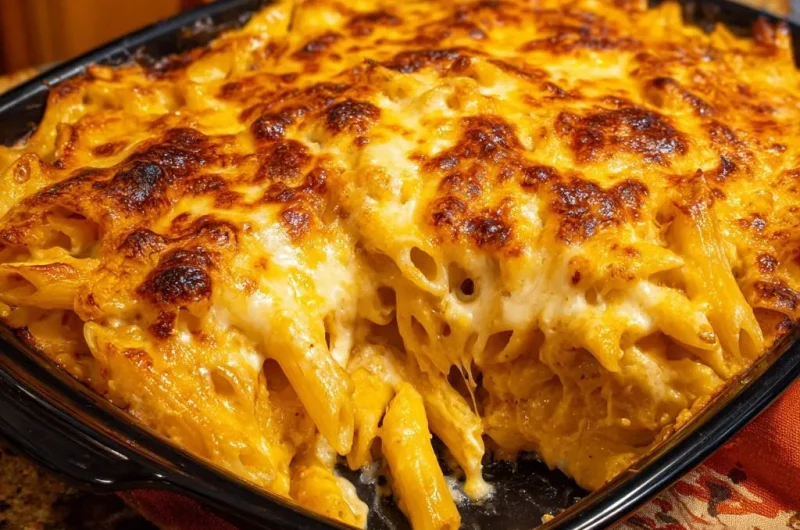
Baked Penne Casserole
Course: Main CourseCuisine: Italian-AmericanDifficulty: medium8
servings20
minutes45
minutes650
kcal60
minutesThis revolutionary method guarantees a rich, creamy, and tender baked pasta dish that never comes out dry. The key steps—stabilizing the sauce and utilizing a covered bake—lock in moisture for bubbly, spoon-tender perfection every single time.
Ingredients
1 pound penne or ziti pasta
6 tablespoons unsalted butter
1/4 cup all-purpose flour
4 cups whole milk, divided (plus extra if needed)
1 cup heavy cream
1 teaspoon salt
1/2 teaspoon black pepper
1/4 teaspoon ground nutmeg
1/4 teaspoon cayenne pepper (optional, for depth)
8 ounces sharp cheddar cheese, freshly shredded
8 ounces Monterey Jack or low moisture mozzarella cheese, freshly shredded
1 cup reserved pasta cooking water
Directions
- Prepare the Pasta and Preheat: Preheat your oven to 375 degrees F. Cook the penne in well-salted boiling water for exactly 3 minutes less than the package directions. It should be very firm, or al dente. Drain the pasta, reserving 1 full cup of the starchy cooking water. Set the pasta aside.
- Build the Béchamel Base: In a large, deep pot or Dutch oven, melt the butter over medium heat. Whisk in the flour and cook for 1 to 2 minutes, stirring constantly, until the mixture (roux) is smooth and smells slightly nutty.
- Make the Cream Sauce: Slowly stream in 3 and 1/2 cups of the whole milk, whisking continuously to ensure no lumps form. Bring the mixture to a gentle simmer, stirring frequently, until the sauce thickens enough to coat the back of a spoon (about 5 to 7 minutes). Stir in the salt, pepper, nutmeg, and cayenne.
- Incorporate the Cheese: Remove the pot from the heat. Gradually add the shredded cheddar and Monterey Jack cheeses, stirring until the sauce is completely smooth and melted. This is the key step for creaminess: Once the cheese is melted, stir in the remaining 1/2 cup whole milk, the heavy cream, and the reserved 1 cup of pasta cooking water. The sauce should appear quite loose and slightly thin—this extra moisture is essential for absorption during baking.
- Combine and Transfer: Add the undercooked pasta to the loose cheese sauce and toss gently until every piece is fully coated. Pour the mixture into a 9×13 inch baking dish.
- The Covered Bake Technique (Moisture Lock): Cover the baking dish tightly with aluminum foil. Bake for 20 minutes covered. This traps the steam and moisture, allowing the pasta to fully hydrate and the sauce to thicken slightly without drying out the dish.
- Achieve the Golden Crust: After 20 minutes, carefully remove the foil. If desired, sprinkle a little extra cheese on top for a richer crust. Return the dish to the oven, uncovered, and bake for another 10 to 15 minutes, or until the cheese topping is deeply golden brown and bubbly.
- Rest Before Serving: Allow the casserole to rest on the counter for at least 10 minutes after removing it from the oven. This allows the creamy sauce to settle and thicken slightly before serving, guaranteeing a perfect texture.
Notes
- Must rest for at least 10 minutes after baking to allow the sauce to set to the perfect consistency.