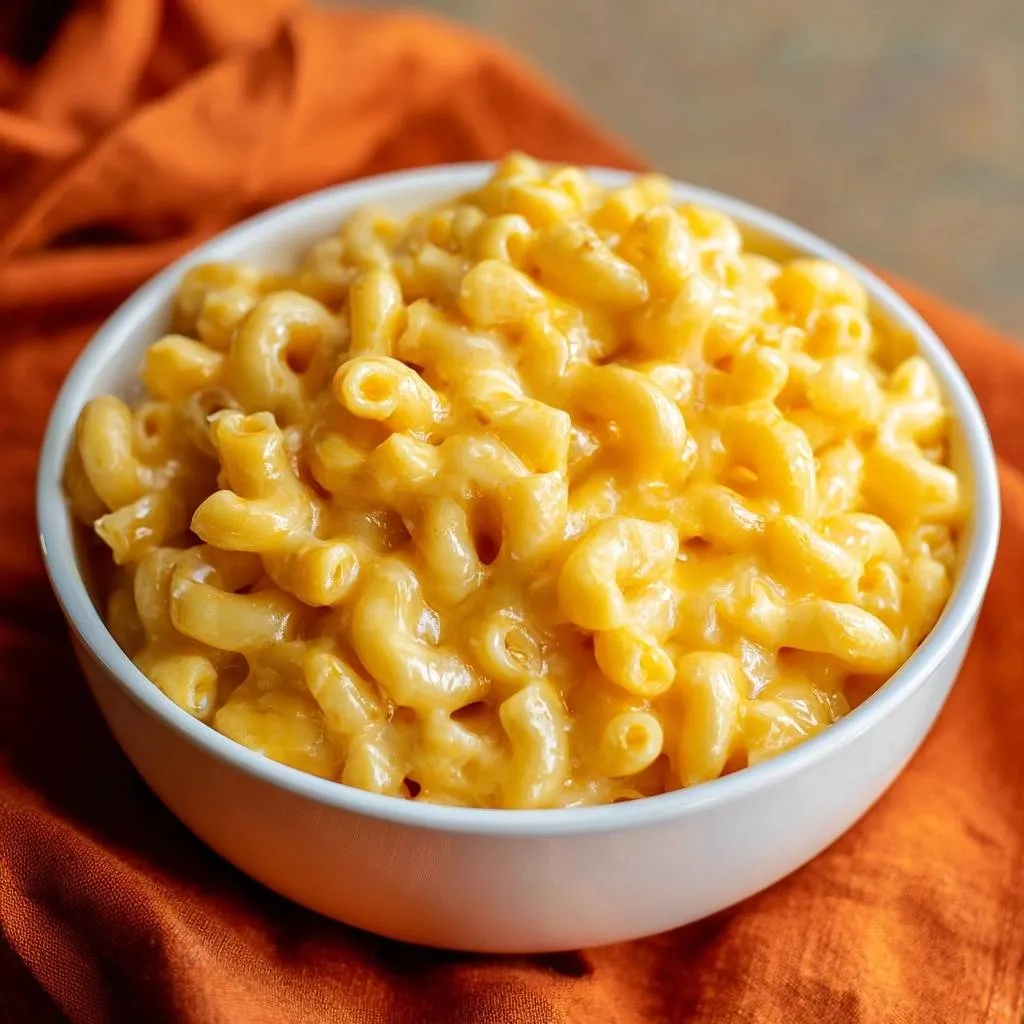
Remember that time your stovetop mac turned into a grainy mess? You know, the kind where the cheese clumps up and refuses to smooth out no matter how much you stir. It happens to everyone. But this ultra creamy stovetop mac and cheese fixes that frustration with a foolproof bechamel base. You’ll get velvety results that stay smooth even after sitting.
Why does this method win? Direct cheese-to-milk mixing causes proteins to seize and clump. However, the roux foundation disperses those proteins evenly for unbeatable creaminess. Plus, it beats baked versions for quick weeknights, ready in just 20 minutes.
For an even creamier result, explore creamy bacon mac and cheese that avoids this common pitfall.
For another way to enjoy creamy pasta, explore this cheesy broccoli fusilli.
Here’s the expertise kicker: always remove the pan from heat before adding cheese. That simple off-heat step prevents overheating, which denatures proteins and creates graininess. Get this right, and you’re golden.
For an equally satisfying, baked version, consider this ultra creamy baked mac and cheese.
Why Bechamel Delivers Ultra Creamy Results
The bechamel starts with a roux of butter and flour. This base creates an emulsion that locks cheese proteins in place. Direct methods skip it, so cheese turns grainy fast.
In addition, the roux disperses fats and starches evenly. Therefore, your sauce clings perfectly to pasta without separating. Science backs this for smooth texture every time.
Roux Science: Locking in Smooth Texture
Melt butter over medium heat, then whisk in flour. Cook 1-2 minutes until bubbly and golden. This triggers a gentle Maillard reaction for nutty flavor, but stop short to avoid bitterness.
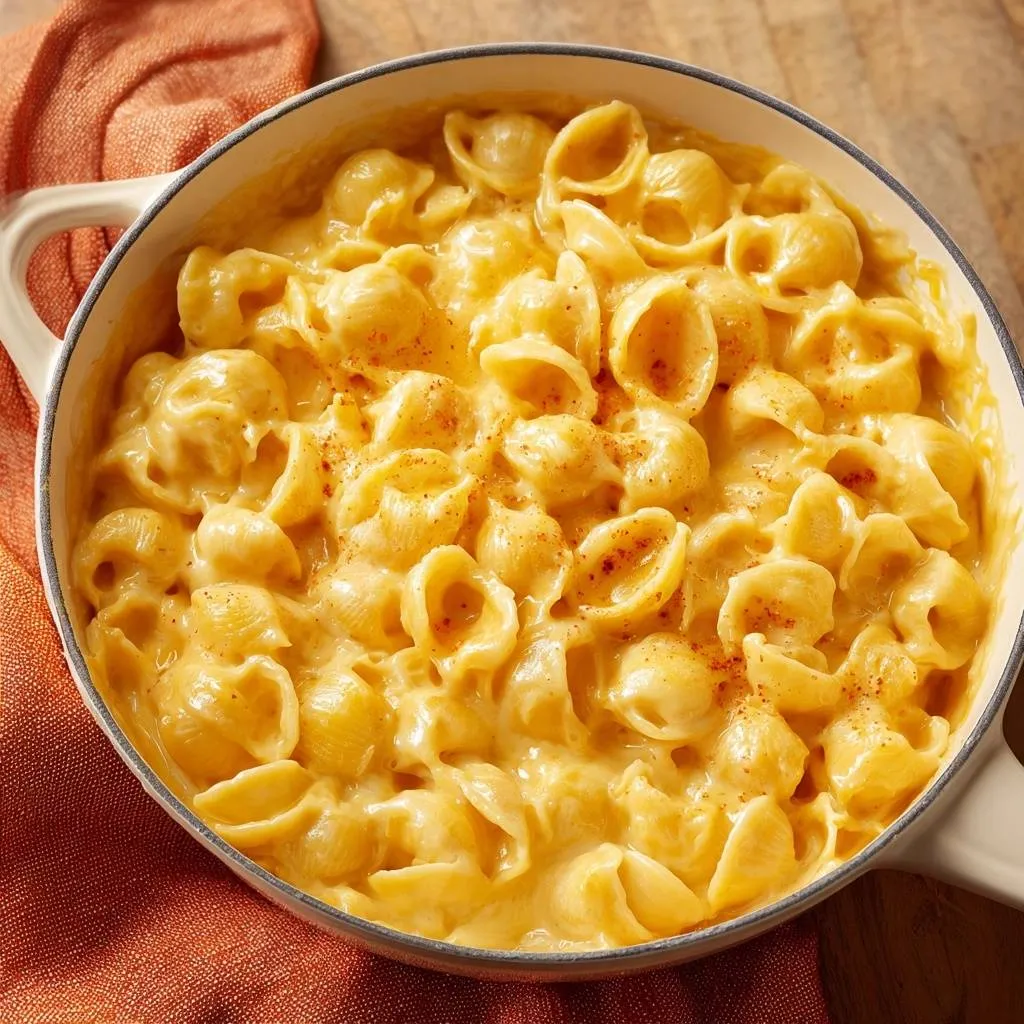
Constant whisking prevents lumps. You’ll smell a toasty aroma when it’s ready. That golden hue means proteins are primed for milk.
Off-Heat Cheese Melting Explained
High heat above 160°F denatures casein proteins, causing them to seize. Remove the pan fully from the burner first. Then stir in cheese gradually.
This keeps temperatures low, preserving structure for creaminess. If it starts to clump, a splash of pasta water revives it. Pro tip: use an instant-read thermometer if you doubt the heat.
Key Ingredients for Stovetop Mac and Cheese Perfection
8 ounces elbow macaroni holds sauce best with its ridges. 2 tablespoons unsalted butter builds the roux without excess salt. 2 tablespoons all-purpose flour thickens reliably.
2 cups whole milk ensures stability; low-fat versions break emulsions. 2 cups shredded sharp cheddar melts smoothly with bold flavor. Add 1/2 teaspoon salt, 1/4 teaspoon black pepper, and 1/4 teaspoon mustard powder for umami punch.
Sub whole milk with 2% plus a tablespoon cream if needed. However, skip skim entirely. Freshly shred cheddar; pre-shredded has anti-caking agents that ruin melt.
Cheese Selection for Maximum Creaminess
Sharp cheddar balances tang and meltability due to its age. Mild versions lack punch, while extra-sharp can overpower. Shred it yourself for pure melt.
Aging breaks down proteins slightly, aiding smoothness. Therefore, 2 cups freshly grated hits perfection. Mix in 1/2 cup milder cheese if you want stretchier pull.
Milk and Roux Building Blocks
Whole milk’s 3.5% fat stabilizes the sauce. Equal butter-flour to milk ratios (2 tbsp each per 2 cups) yield ideal thickness. Flour’s proteins form structure when cooked.
Equipment Essentials for Flawless Sauce
Grab a heavy-bottom medium saucepan for even heat. A wire whisk beats lumps better than a spoon. Skip non-stick; it hides roux color changes.
Use a 3-quart pasta pot for boiling. Reserve 1/4 cup pasta water; its starch thickens sauce naturally. In addition, a wooden spoon works for final stirring.
Best Saucepans for Even Heating
Stainless steel conducts steadily without hot spots. Choose 2-3 quart size to handle 2 cups milk sans boil-over. Aluminum heats too fast and warps roux timing.
Step-by-Step Stovetop Mac and Cheese Method
Total time clocks in at 20 minutes. Cook pasta al dente first. Build roux, add milk gradually, then cheese off-heat. Finally, combine and serve hot.
Phase 1: Perfect Al Dente Pasta
Boil salted water (1 tablespoon salt per quart). Cook 8 ounces macaroni 7 minutes until al dente. Drain, reserve 1/4 cup starchy water. Rinse cold if not using right away; starch binds sauce later.
Phase 2: Golden Roux Foundation
Melt 2 tablespoons butter over medium heat. Whisk in 2 tablespoons flour; cook 1-2 minutes until bubbly and golden. Stir constantly. Look for toasty smell, not burnt bits.
Phase 3: Lump-Free Milk Incorporation
Whisk in 2 cups whole milk, 1/2 cup at a time. Cook 4-5 minutes, whisking until it coats a spoon. Bubbles form gently; don’t boil hard. Sauce thickens as starches activate.
Phase 4: Off-Heat Cheese Integration
Remove pan from heat. Stir in 2 cups shredded cheddar gradually, then salt, pepper, mustard powder. Add pasta water 1 tablespoon at a time if thick. Smooth velvet forms quickly.
Phase 5: Combining for Ultra Creamy Finish
Fold hot macaroni into sauce with a spatula. Coat evenly without smashing pasta. Serve immediately; resting firms it up slightly. Dig in for peak gooeyness.
Avoiding Grainy Stovetop Mac Disasters
Top pitfalls include overheating cheese, lumpy roux, low-fat milk, pre-shredded cheese, overcooked pasta. Fixes: off-heat melting, vigorous whisking, full-fat milk, fresh grating, al dente timing. Follow these, and graininess vanishes.
Overheating: The Graininess Culprit
Proteins clump above 160°F. Pull off heat before cheese; residual warmth melts it. Infrared thermometer confirms safe temps around 140°F.
Roux Mistakes and Quick Fixes
Burnt roux tastes bitter; start over if dark brown. Lumps? Whisk faster or use immersion blender. Sift flour first next time.
Flavor Variations for Ultra Creamy Mac
Swap half cheddar for smoked gouda. Add broccoli florets in phase 3. Tweak mustard powder to 1/2 teaspoon for spice. Scale portions by doubling all but pasta water.
For vegan, use plant milk, vegan butter, nutritional yeast base. Puree cauliflower into sauce for nutrition. Keep roux ratios intact.
Vegetable-Packed Creamy Twists
Steam then puree squash; stir into bechamel for orange hue and sweetness. Wilt spinach in phase 3; it cuts richness. Boosts nutrition without diluting cream.
Cheese Blend Experiments
Gruyere adds nuttiness; use 1 cup with cheddar. Fontina stretches beautifully. Blend 50/50 for balance; shred fresh always.
Ideal Pairings for Stovetop Mac and Cheese
Balance richness with roasted Brussels sprouts or crisp green salad. Pair with grilled chicken or fish. Simple garlic bread soaks up sauce. Sparkling cranberry juice refreshes the palate.
Complementary Dishes
To round out your creamy mac and cheese meal, consider these comforting additions.
- For another cheesy potato dish that complements the creaminess, try these Bacon Cheddar Scalloped Potatoes.
- If you’re looking for a vegetable option with a similar cheesy appeal, these Cheesy Baked Cauliflower are a great choice.
Crisp Veggie Sides to Balance Cream
Roast Brussels at 425°F, 20 minutes with oil and salt. Toss salad with vinaigrette; acidity cuts through cheese. Both contrast the cozy mac perfectly.
Make-Ahead Guide for Creamy Mac
Store in airtight container up to 3 days in fridge. Reheat stovetop over low with milk splash. Freeze sauce separate from pasta up to 2 months; double batch by scaling roux evenly.
Freezing and Reheating Without Separation
Portion into trays; thaw overnight. Reheat gently with milk; avoid microwave blasts that curdle. Stir vigorously for smooth revival.
Troubleshooting Ultra Creamy Mac Issues
Sauce Too Thick After Adding Pasta?
Pasta absorbs starch; add reserved water 1 tablespoon at a time. Stir off-heat until silky.
How to Fix Grainy Melted Cheese?
Blend with immersion tool or retry off-heat with milk splash. Proteins realign under low shear.
Can I Use Low-Fat Milk?
Fat stabilizes emulsion; low-fat separates. Mix 2% with half-and-half for best results.
Why Is My Roux Lumpy?
Flour clumps in cold spots. Sift flour, whisk vigorously from start.
Scaling for Family Batches?
Roux ratios hold; double to 4 cups milk for 6 servings. Use larger pot to prevent overflow.

Mac and Cheese
Course: Main CourseCuisine: AmericanDifficulty: easy4
servings10
minutes15
minutes550
kcal25
MinutesSay goodbye to lumpy, grainy cheese sauce. This recipe uses a foolproof bechamel base to lock in smooth, velvety texture that stays creamy even after sitting. Perfect for weeknight comfort without the frustration.
Ingredients
8 ounces elbow macaroni
2 tablespoons unsalted butter
2 tablespoons all-purpose flour
2 cups whole milk
2 cups shredded sharp cheddar cheese
1/2 teaspoon salt
1/4 teaspoon black pepper
1/4 teaspoon mustard powder
Directions
- Cook macaroni in salted boiling water according to package directions until al dente, about 7 minutes. Drain and set aside, reserving 1/4 cup pasta water.
- In a medium saucepan over medium heat, melt butter. Whisk in flour and cook for 1-2 minutes until bubbly and golden, stirring constantly to form a smooth roux. This base prevents graininess by evenly dispersing the cheese proteins.
- Slowly whisk in milk, 1/2 cup at a time, until fully incorporated and no lumps remain. Cook, whisking constantly, for 4-5 minutes until thickened and coats the back of a spoon.
- Remove saucepan from heat completely. This critical off-heat step stops overheating that causes cheese to seize and turn grainy. Gradually stir in shredded cheddar, salt, pepper, and mustard powder until fully melted and smooth. If too thick, add reserved pasta water 1 tablespoon at a time.
- Stir cooked macaroni into the sauce until evenly coated. Serve immediately for peak creaminess.
Notes
- Use freshly shredded cheese for smoothest melt. Key tips: Cook roux until golden, add milk gradually off heat, and stir cheese in after removing from heat to prevent graininess.