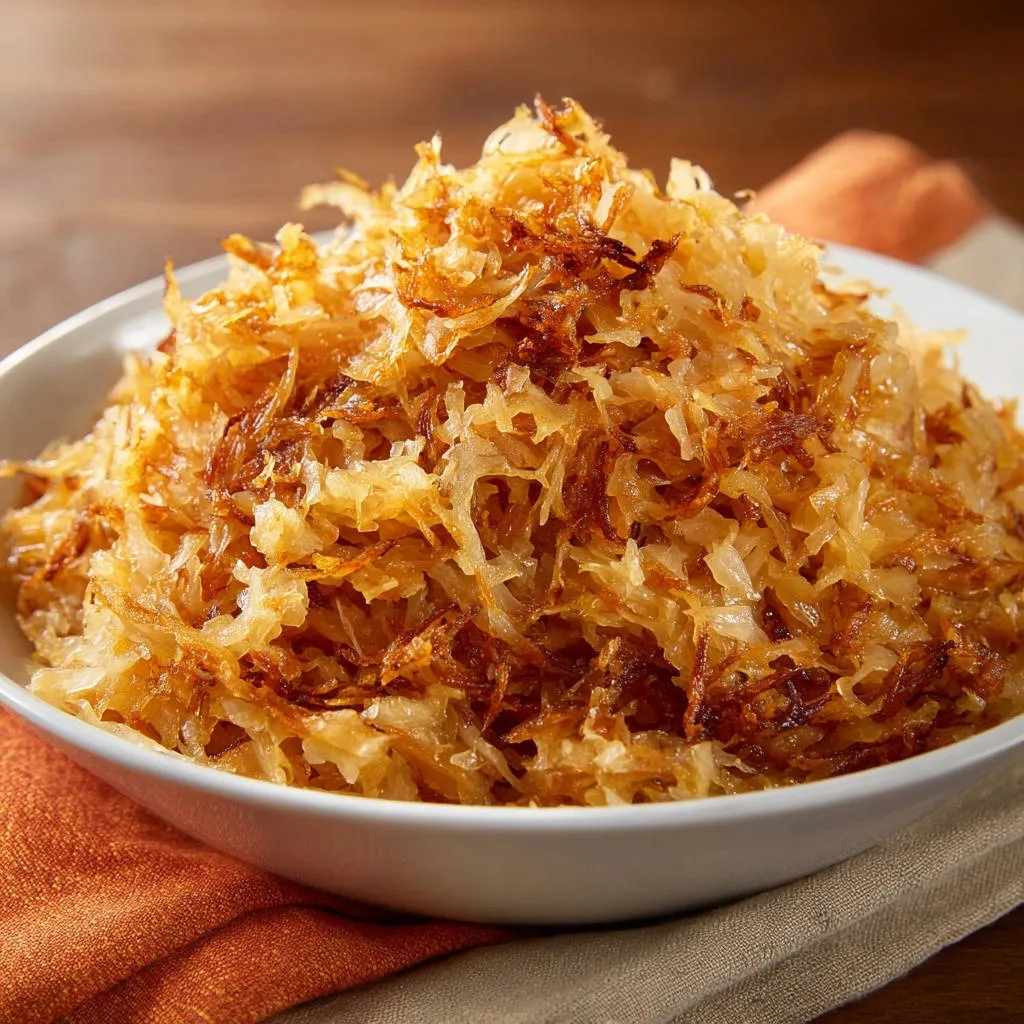
For years, I struggled with making Ultra-Crispy Shredded Potatoes, often ending up with a sad, gluey mess instead of golden perfection. I finally cracked the essential code-it’s not about the pan choice, but eliminating the starch culprit responsible for mushiness. This reliable, two-step preparation method guarantees deep, shatteringly crisp potatoes every single time.
The Golden Rule: Why Shredded Potatoes Turn Mushy (and How We Fix It)
Identifying the Starch Culprit: Rinsing Until Clear
Residual starch is the main enemy of any truly crispy potato product. When potatoes are shredded, surface starch is released; when heated, this starch rapidly gelatinizes, binding the potato shreds into a tight, soggy block.
Aggressive rinsing under cold running water removes this surface starch before cooking. This simple step transforms the final texture, allowing the potatoes to brown individually instead of fusing together in a gummy mess.
The Non-Negotiable Step: Achieving Absolute Dryness
Any water remaining on the potato shreds rapidly lowers the oil temperature the moment they are added to the pan. This significant temperature drop causes the potato to steam and boil internally rather than form a crisp crust.
You must transfer the rinsed shreds to a clean, absorbent towel and twist or press firmly. Squeeze out every visible drop of moisture to ensure rapid crisping and prevent the oil temperature from crashing.
Selecting Your Spuds: Ingredients for Ultra-Crispy Shredded Potatoes Success
Russet Potatoes: Why Starchy is Key for Shredding
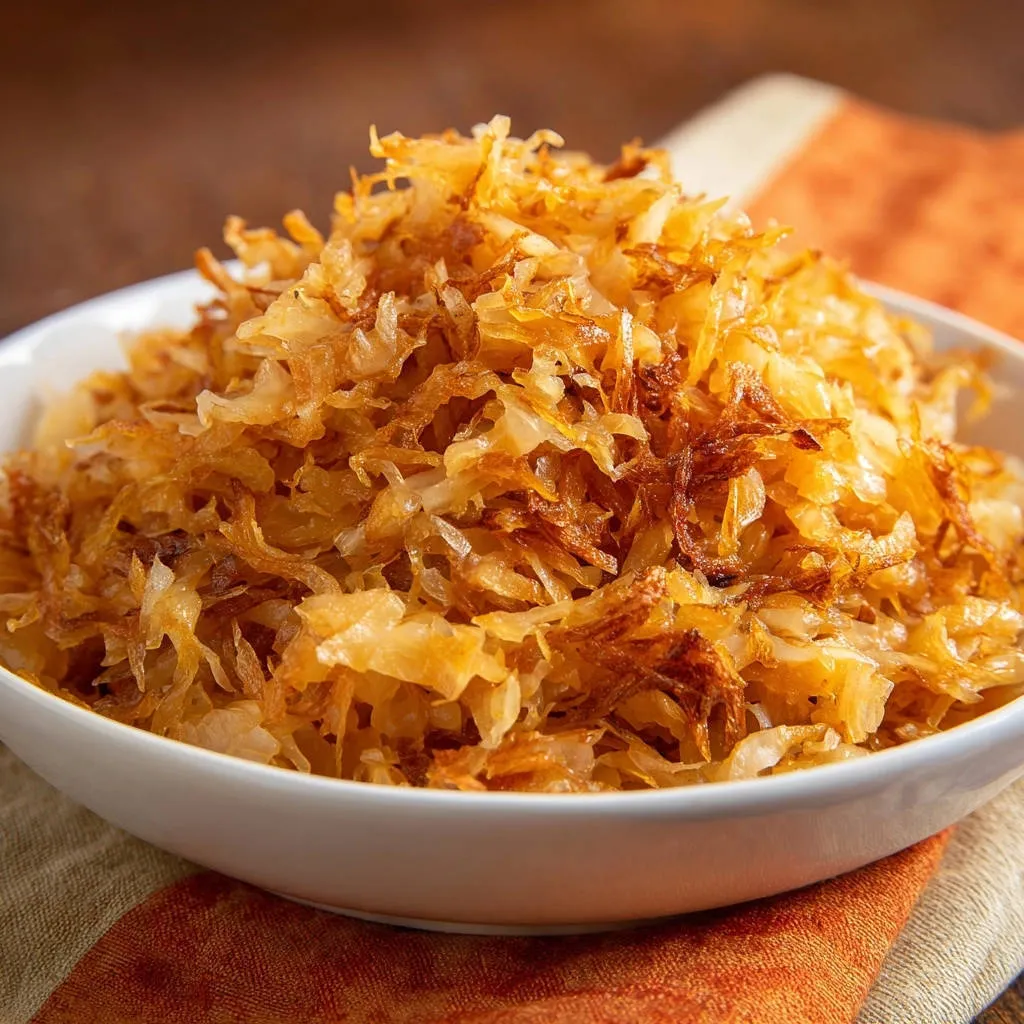
Russets, or Idaho potatoes, are high-starch, low-moisture varieties, making them perfectly suited for frying. While we remove the surface starch, the internal structure helps create the robust, light network needed to achieve the ultimate crunch.
Waxy potatoes, in contrast, have a denser cell structure that resists separating and crisping even if they are thoroughly rinsed.
Oil Choice: The Best Fats for High-Heat Frying
Successful high-heat frying requires selecting a fat with a very high smoke point, such as canola, vegetable, or grapeseed oil. These neutral fats ensure the oil does not burn or smoke before the potatoes are properly crisped.
Avoid using extra virgin olive oil or butter for this specific recipe, as their low smoke points will cause them to break down and scorch rapidly at the necessary temperature.
Simple Seasoning: When to Salt for Maximum Crispness
It is critical that we season the shredded potatoes only after they have been thoroughly dried but immediately before they hit the hot oil. Salting them prematurely draws out moisture, completely undermining the aggressive drying step.
Fine sea salt is generally preferred over coarse kosher salt because it distributes more evenly over the delicate strands, ensuring every bite is perfectly seasoned.
The Right Tools for the Job: Ensuring Ultimate Crispness
The Importance of a Heavy Skillet: Cast Iron is King
A heavy-bottomed skillet, especially cast iron, is non-negotiable for achieving consistent ultra-crispy results. Its superior mass holds heat exceptionally well, preventing massive temperature drops when the cold potatoes are introduced.
Consistent high heat is absolutely crucial for quickly driving off internal moisture and guaranteeing the desired golden crispness.
Grating Methods: Box Grater vs. Food Processor
Both a standard box grater and a food processor fitted with the shredding disk can produce fine, even shreds. The consistency of the shred size is far more important than the tool used.
While the processor is faster, manual shredding often yields longer, more desirable strands that offer better texture and visual appeal in the final dish.
Essential Prep Equipment: Towels, Bowls, and Spatulas
Clean, absorbent kitchen towels are far superior to paper towels for the aggressive drying step; they provide the necessary strength for squeezing out maximum moisture without tearing.
- A sturdy slotted spoon or spider is essential for draining the hot oil quickly and efficiently removing the cooked shreds.
- Ensure you have a large bowl for rinsing and another for mixing the dry shreds with seasoning.
The Ultra-Crispy Shredded Potatoes Method: Step-by-Step Excellence
- Preparation: Peeling and Shredding
Start with peeled Russet potatoes and use your preferred method (grater or processor) to achieve fine, even shreds.
For even more potato crunch, explore how to achieve it with garlic herb smashed potatoes.
Uniform size is key to ensuring that every piece crisps up at the same rate during frying.
- Rinsing Off the Starch (The Crucial Secret)
Transfer the shreds immediately to a large bowl and rinse them thoroughly under cold running water, stirring constantly.
Continue to change the water until it is completely clear; this mandatory step removes all surface starch and is the single most important factor for achieving a non-sticky texture.
- Aggressive Drying: Removing Every Drop of Moisture
Spread the rinsed shreds across several layers of a clean, absorbent towel (paper or linen) and twist or press firmly to extract every bit of water possible.
The drier they are, the quicker they cook and the crispier the result will be; do not skip this step under any circumstances.
- Seasoning and Oil Temperature Check
Fluff the dried potatoes into a clean bowl and mix gently with the salt and pepper just before frying.
Heat your heavy skillet with the neutral oil over medium-high heat until the oil shimmers slightly but does not yet emit smoke.
- Frying in Batches: Preventing Crowding and Sogging
Add only enough potato shreds to cover the bottom of the pan in a loose, even layer, being careful not to crowd the pan.
Cooking in small batches is essential for maintaining a high oil temperature, which is necessary for that signature ultra-crispy texture.
- The Undisturbed Cook and Final Toss
Allow the first side to cook completely undisturbed for 4 to 6 minutes until deeply golden brown and crunchy underneath.
Then, use a spatula to flip and break up any large clumps, stirring and tossing gently until all shreds are evenly golden brown and crisp throughout.
- Draining and Immediate Service
Use a slotted spoon to transfer the hot, crispy potatoes to a plate lined with paper towels to drain any excess oil immediately.
Serve immediately for the best results, as Ultra-Crispy Shredded Potatoes lose their desirable crunch quickly as they cool.
For a different potato perspective, learn about creamy garlic mashed potatoes.
Chef’s Secrets: Elevate Your Ultra-Crispy Shredded Potatoes Game
Maintain Oil Temperature Consistency: If the oil temperature drops too low between batches, wait 30 seconds before adding the next batch. Cold oil is the enemy of crispness and leads to greasy potatoes.
Don’t Press Them Down: Unlike certain hash brown recipes, avoid pressing these shreds into a tight cake during frying. Keep them loose and fluffy during cooking to maximize surface area for ultimate crunch.
Consider Clarified Butter or Ghee: For a richer flavor without compromising the high smoke point, substitute up to half of the neutral oil with clarified butter or ghee.
Spice It Up: Introduce flavors like paprika, cayenne pepper, garlic powder, or onion powder by mixing them in with the salt and pepper mixture after the drying process.
Troubleshooting: Avoiding the Pitfalls of Soggy Potato Shreds
Why Are My Shreds Still Sticking to the Pan?
Sticking is usually a sign of insufficient oil, or more commonly, a pan that was not fully preheated before adding the potatoes. Ensure the oil is shimmering and hot before dropping the shreds in.
If you used a less-than-ideal pan, ensure you add slightly more oil to fully coat the surface, promoting movement and preventing fusion.
The Outside is Crispy, But the Inside is Raw
This issue indicates your heat setting is too high, leading to rapid exterior browning before the potato can cook through internally. Reduce the burner slightly to medium heat.
Always ensure the shreds are spread into a loose layer and not packed tightly, allowing the heat to penetrate evenly throughout the potato mass.
My Potatoes are Clumping Together and Not Fluffing Up
This is the classic symptom of insufficient starch removal during the rinsing phase, meaning sticky starch residue remains. Too much crowding in the pan also prevents proper separation during frying.
If clumping occurs, ensure your next batch is smaller, and be meticulous about rinsing until the water is crystal clear.
Making the Perfect Meal: Serving Suggestions and Reheating
Beyond the Side Dish: Creative Serving Ideas
Ultra-Crispy Shredded Potatoes are incredibly versatile and deserve more than just a spot next to eggs.
What Else to Try
Round out your meal with these complementary dishes.
- For fork-tender beef, consider trying these Slow-Braised Beef Short Ribs, which offer a rich, savory counterpoint.
- If you’re looking for another hearty potato option, these Sheet Pan Sausage and Potato Wedges share a similar love for roasted root vegetables.
- Serve them as the ultimate base for a fully loaded dish topped with melted cheese, sour cream, and savory crispy bacon crumbles.
- They make a fantastic elevated side dish for rich main courses like flank steak or prime rib.
- Use them in place of fries alongside a gourmet burger or a fresh seafood dish.
Handling Leftovers: The Challenge of Reheating Ultra-Crispy Shredded Potatoes
The microwave is guaranteed to ruin these potatoes by steaming them into an unpleasant soggy state. The goal is to restore the intense, dry heat.
The best method for restoring crispness is reheating them in a single layer in a preheated oven at 400°F (200°C) for 5-7 minutes. Alternatively, an air fryer works exceptionally well, crisping them at 380°F (195°C) for just 3-5 minutes.
Frequently Asked Questions About Ultra-Crispy Shredded Potatoes
Can I Use Different Types of Potatoes for This Recipe?
Russets are strongly preferred because their high starch content, when properly removed from the surface, gives the best texture.
You may use Idaho potatoes as a substitute, but avoid waxy varieties like red or new potatoes entirely, as their structure resists crisping and tends to hold too much water.
How Do I Make This Recipe Ahead of Time?
You can complete the initial prep work-peeling, shredding, and rinsing until clear-up to four hours in advance.
Store the shredded potatoes completely submerged in clean cold water in the refrigerator. The crucial steps that must wait until just before frying are the aggressive drying and the seasoning.
Is it Possible to Bake or Air Fry These Instead of Pan-Frying?
While technically possible, achieving the “ultra-crispy” shatter described here requires the high-heat immersion provided by pan-frying.
To air fry, toss the completely dry shreds with 1 to 2 tablespoons of oil and cook at 400°F (200°C), but be aware the texture will be slightly drier and denser than the pan-fried version.
What is the Ideal Temperature for the Frying Oil?
The ideal temperature range is between 350°F and 375°F (175°C-190°C).
This temperature is hot enough to ensure rapid moisture evaporation without burning the outside quickly. If you don’t use a thermometer, the oil should shimmer slightly, and a single test thread of potato should sizzle immediately upon contact.
Ready to Impress? Share Your Ultra-Crispy Shredded Potatoes Masterpiece!
Mastering the art of Ultra-Crispy Shredded Potatoes is surprisingly straightforward once you respect the power of starch control and complete drying. This guide equips you with the fundamental techniques to move past disappointing mush and achieve that coveted, deep golden crunch.
Trust the rinsing and the squeezing; it’s the scientific key to guaranteed success. Serve up this golden masterpiece at your next meal and let us know how these simple secrets changed your potato game!
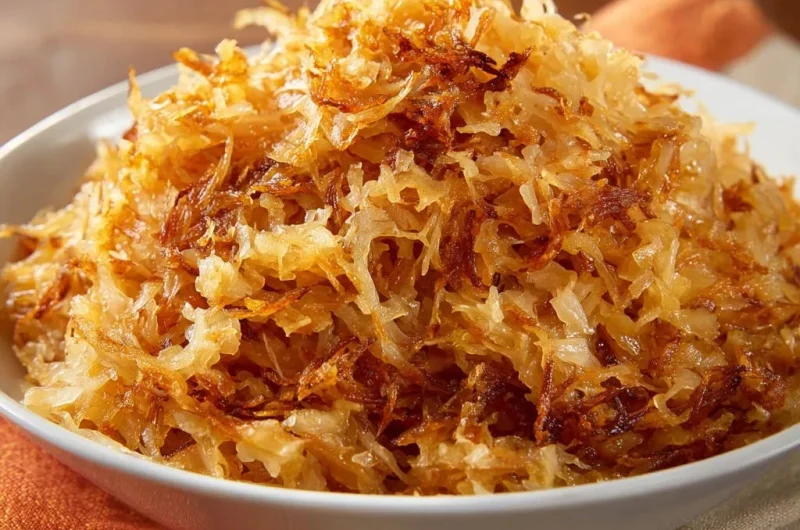
Shredded Potatoes
Course: Side DishCuisine: AmericanDifficulty: easy4
servings15
minutes20
minutes240
kcal35
minutesDitch the mushy mess forever! This recipe reveals the simple preparation secret—rinsing and drying aggressively—that guarantees deep, golden, Ultra-Crispy Shredded Potatoes every time.
Ingredients
2 pounds Russet potatoes, peeled
1/2 teaspoon fine sea salt
1/4 teaspoon black pepper
1/2 cup neutral frying oil (like canola or vegetable)
Directions
- Prepare the Potatoes (The Anti-Soggy Secret): Using a box grater or food processor, shred the peeled potatoes finely. Immediately transfer the shredded potatoes to a large bowl and rinse them thoroughly under cold running water until the water runs completely clear. This removes excess starch, which is the main culprit behind gumminess.
- Dry Aggressively: Transfer the rinsed shreds onto several layers of clean paper towels or a clean kitchen towel. Gather the edges of the towel and twist tightly, pressing and squeezing out as much moisture as humanly possible. This step is non-negotiable. The potatoes must be as dry as possible to achieve true crispness.
- Season and Heat: Once dry, fluff the shreds into a bowl and mix with the salt and pepper. Heat the neutral oil in a large, heavy skillet (cast iron works great) over medium-high heat until the oil shimmers slightly.
- Fry in Batches: Add the shredded potatoes to the hot oil. For this deeply browned, loose texture, avoid packing them tightly. If your skillet is medium-sized, cook the potatoes in two or three batches to prevent crowding. This allows the heat to evenly distribute and helps the moisture evaporate quickly.
- Cook to Crisp: Spread the potatoes into an even, loose layer. Allow them to cook undisturbed for 4 to 6 minutes until the bottoms are deeply golden brown and crunchy. Then, use a spatula to flip and break up the clumps, stirring and tossing the shreds gently until they are evenly browned, golden, and fully crisp all over. This should take another 4 to 5 minutes.
- Drain and Serve: Remove the crispy potatoes with a slotted spoon and transfer them to a plate lined with paper towels to drain any excess oil. Serve immediately as a perfect side dish.
Notes
- Avoid overcrowding the pan; fry in batches for maximum crispness.