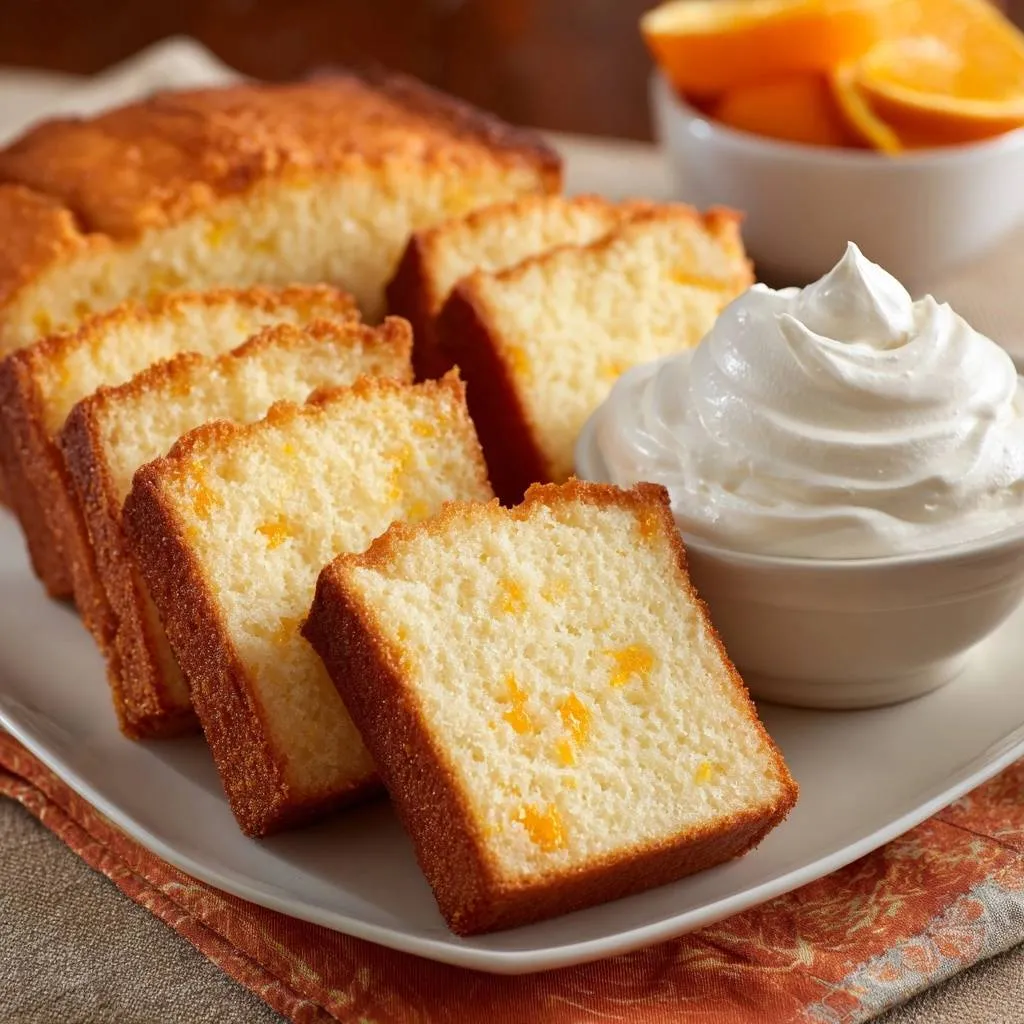
Ever bitten into a pound cake that crumbles like sawdust? You know the drill: dense, dry disappointment that leaves you wishing for something juicier. This ultra moist orange pound cake changes everything with its warm orange syrup soak. It delivers tender, juicy slices that stay fresh longer. Yields 1 loaf, about 10-12 slices. Prep takes 20 minutes, baking 55 minutes.
Here’s why it works so well. Traditional pound cakes dry out from starch hardening and too much gluten. However, this recipe balances fat, acid, and that genius syrup to lock in moisture. In addition, fresh orange zest and juice brighten every bite with citrus pop.
The real secret? Poking deep holes right after baking and pouring warm syrup slowly. It seeps into the crumb, pulling in hygroscopic sugar that grabs moisture for days. Oh man, the first slice with whipped cream melts in your mouth. You’ll crave it again soon.
Key Ingredients for Ultra Moist Texture
Butter and Sugar Creaming Base
Start with 1/2 cup softened unsalted butter and 1 cup granulated sugar. Cream them 3-4 minutes until pale and fluffy. This whips in air pockets that trap moisture during baking. Softened butter builds structure; melted butter makes a greasy, flat cake.
Therefore, don’t skip the electric mixer on medium speed. You’ll see the mixture lighten and double in volume. That fluffiness ensures your ultra moist orange pound cake rises tall without tunnels.
Room-Temperature Eggs and Citrus Elements
Grab 3 large eggs at room temperature, 1/2 cup fresh orange juice, and zest from 2 oranges. Room-temp eggs emulsify smoothly into the batter for even tenderness. The juice’s acidity reacts with leaveners for lift.
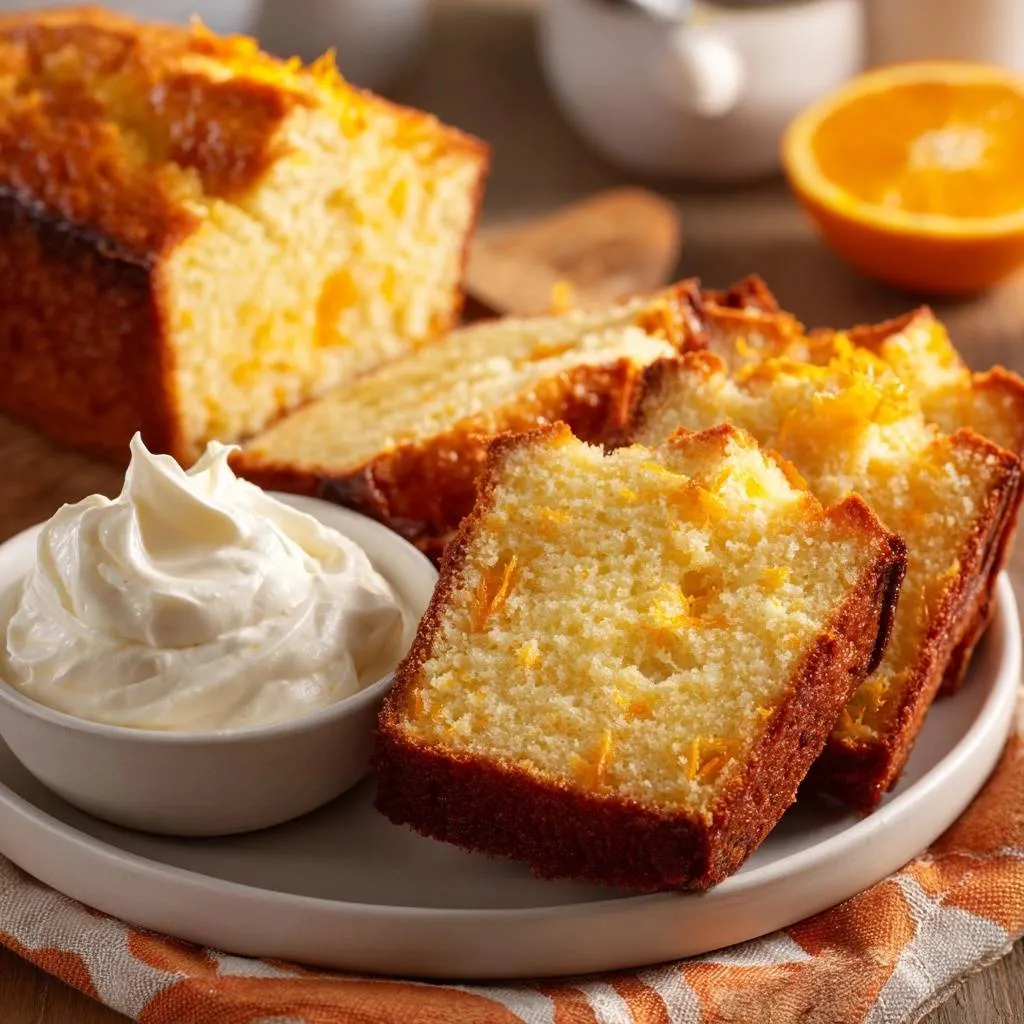
Fresh juice beats bottled every time. It brings brighter flavor and natural pulp for subtle texture. In addition, zest releases essential oils that perfume the whole loaf intensely.
Dry Components for Structure
Use 1 1/2 cups all-purpose flour, 1 teaspoon baking powder, 1/2 teaspoon baking soda, and 1/4 teaspoon salt. Baking soda pairs with orange juice’s acid for gentle rise without gumminess. All-purpose flour gives just-right structure.
Salt sharpens flavors too. Whisk these dry ingredients separately. Then fold gently to avoid tough gluten. This keeps your pound cake ultra moist and light.
Science of Syrup-Soaked Moisture
Why Pound Cakes Dry Out
Pound cakes turn dry from starch retrogradation. As they cool, starches recrystallize and suck up moisture. Overmixing develops gluten, making crumbs tough.
However, this recipe fights back with fat from butter and acid balance. It tenderizes the crumb. Plus, the syrup adds back lost moisture right away. No more stale slices on day two.
Pro tip: Always bake in metal pans for even heat. Glass holds heat longer and overcooks edges. Your cake stays evenly moist throughout.
Orange Syrup Chemistry
The syrup uses 1/4 cup orange juice and 1/4 cup sugar. Heat gently until sugar dissolves, no boiling needed. This simple syrup absorbs evenly thanks to sugar’s hygroscopic nature. It draws and holds moisture in the cake.
Poke 20-30 deep holes immediately after baking. Warm syrup penetrates best while the cake’s hot. Watch it seep in slowly. That’s the magic for ultra moist texture.
Essential Tools for Pound Cake Success
9×5 Loaf Pan Preparation
Grease and flour a 9×5-inch loaf pan, or line with parchment. Light-colored metal conducts heat evenly for perfect crust without overbrowning. Glass takes longer and dries edges.
This setup ensures the batter bakes uniformly. No soggy bottoms or cracked tops. Your ultra moist orange pound cake releases cleanly every time.
Mixer and Cooling Rack Roles
An electric mixer creams butter perfectly for air incorporation. Use a toothpick for testing doneness and poking holes. A wire rack lets syrup drip off and cools evenly.
No rack? Elevate the pan on bottles. This prevents a soggy base. Skewers work for holes if toothpicks snap.
Step-by-Step: Building Ultra Moist Batter
Creaming Butter with Precision
Preheat oven to 350°F. Grease your pan. Beat softened butter and sugar on medium 3-4 minutes. Look for pale, fluffy texture and hear the mixer’s hum lighten.
This step builds the batter’s backbone. Scrape sides often. If it’s not fluffy, your cake won’t trap moisture well.
For wonderfully fluffy results, consider trying whimsical purple scones.
Incorporating Eggs and Zest
Add eggs one at a time, beating well after each. Mix in zest and juice until smooth. The batter might curdle briefly; keep going for emulsion.
Zest’s oils burst with aroma here. Fresh zest feels gritty but dissolves. This infuses deep orange flavor throughout.
Folding Dry Ingredients Gently
Whisk dry ingredients in a bowl. Fold into wet batter in three additions. Stop when flour streaks vanish. The batter should drop thickly from a spoon.
Overmixing activates gluten for density. Gentle folds keep it tender. You’ll smell citrus rising already.
Baking and Syrup Infusion Process
Even Baking in Loaf Pan
Pour batter into pan. Bake 50-55 minutes on middle rack. Rotate halfway for even browning. Toothpick should come out clean; aim for 200°F internal temp.
If tops brown fast, tent with foil. This prevents dry edges. The cake pulls from sides when done.
Poking Holes and Syrup Pour
While baking, simmer 1/4 cup juice and 1/4 cup sugar 2 minutes. No boil, or it thickens. Poke deep holes all over hot cake.
Pour syrup slowly. It bubbles and sinks in. This step guarantees moisture lock-in. Cool in pan 10 minutes, then rack.
Whipped Cream and Garnish Assembly
Chill bowl and beaters. Whip 1 cup heavy cream, 2 tablespoons powdered sugar, 1 teaspoon vanilla to stiff peaks. It doubles and holds shape.
Slice cake thick. Dollop cream high and fan thin orange slices. The cream’s lightness contrasts juicy cake perfectly.
Avoiding Pound Cake Pitfalls
Overmixing and Density Fixes
Overmixing causes tunneling holes and tough texture. Sift flour first to aerate. Test by dropping batter; it should ribbon slowly.
If dense, cut back folds next time. This recipe’s gentle method fixes most issues upfront.
Syrup and Cooling Errors
Boiled syrup won’t absorb well. Shallow pokes leave dry centers. Rush cooling, and bottoms steam soggy.
Store airtight for 3 days; syrup keeps it moist. Reheat slices gently to revive.
Flavor Twists on Orange Pound Cake
Citrus Swaps and Add-Ins
Swap for lemon or lime zest for tart twists. Add 2 tablespoons poppy seeds for crunch. Or a teaspoon almond extract for nutty depth.
Reduce denser juices slightly. Keep syrup ratio same for moisture. These keep the ultra moist promise.
Gluten-Free or Vegan Adaptations
For gluten-free, use 1:1 blend with xanthan gum. It mimics all-purpose structure. Vegan? Swap plant butter, flax eggs (3 tablespoons flax + 9 tablespoons water).
Aquafaba whips like eggs for cream. Boost baking powder a pinch for rise. Syrup stays key.
Perfect Pairings for Orange Pound Cake
Cream Toppings and Fruits
Beyond whipped, try Greek yogurt for tang or mascarpone for richness. Top with sliced strawberries or blueberries. Their tartness cuts cake’s sweet citrus.
Fresh berries release juice that mingles beautifully. Perfect for brunch bliss.
Beverage and Tea Time Matches
Earl Grey tea complements orange notes. Black coffee balances richness. Sparkling water refreshes between bites.
For holidays, pair with fruit salad. It elevates tea time effortlessly.
Storage and Make-Ahead Strategies
Room Temp and Fridge Guidelines
Keep airtight at room temp up to 3 days. Syrup preserves moisture. Fridge works 1 week; microwave slices 10 seconds to soften.
Don’t cover warm; condensation adds gumminess. Slice only when serving.
Freezing Ultra Moist Slices
Wrap slices individually in plastic, then foil. Freeze up to 3 months. Thaw overnight in fridge; refresh with extra syrup if needed.
Whole loaf freezes well too, but slices thaw faster. No quality loss thanks to syrup.
Ultra Moist Orange Pound Cake FAQ
Can I Use Bottled Orange Juice?
Yes, bottled works in a pinch for batter and syrup. However, fresh juice tastes brighter with more vibrant citrus punch and natural pulp for better texture. Strain pulp if you prefer smooth batter. Syrup stays essential either way for that ultra moist crumb.
Why Room Temperature Ingredients?
Room-temp butter creams fluffier, trapping more air for lightness. Eggs emulsify evenly without curdling, ensuring smooth batter and better rise. Warm eggs and butter in a water bath 10 minutes if rushed. This directly boosts final moistness and tenderness.
How to Fix Undercooked Center?
If browning too fast, tent with foil after 30 minutes. Lower oven to 325°F for last 10-15 minutes. Test with toothpick; wet crumb means bake longer until clean. Internal 200°F confirms doneness without drying edges.
Scaling for Bundt or Muffins?
For Bundt, increase batter 1.5 times; bake 45-50 minutes at 350°F. Muffins take 1/3 cup batter per well, 20-25 minutes. Poke and syrup each piece immediately. Adjust syrup volume proportionally for full moisture lock-in.
Nutritional Info Per Slice?
Per slice (10 servings), about 300 calories, mostly from butter, sugar, and flour. Oranges add vitamin C boost. Swap half flour for almond flour to cut carbs and add healthy fats without losing moistness. Whipped cream adds richness; use light version for fewer calories.
Orange Pound Cake
Course: DessertCuisine: AmericanDifficulty: medium1
loaf (10-12 slices)15
minutes55
minutes350
kcal60
MinutesSick of crumbly, dry pound cake? This foolproof recipe fixes it forever with a warm orange syrup soak that locks in moisture for tender, juicy slices every time. Paired with fresh whipped cream and oranges for pure bliss.
Ingredients
Cake:
1 1/2 cups all-purpose flour
1 cup granulated sugar
1/2 cup unsalted butter, softened
3 large eggs, room temperature
1/2 cup fresh orange juice
Zest of 2 oranges
1 teaspoon baking powder
1/2 teaspoon baking soda
1/4 teaspoon salt
Whipped Cream:
1 cup heavy whipping cream
2 tablespoons powdered sugar
1 teaspoon vanilla extract
Garnish:
2 fresh oranges, sliced
Directions
- Preheat oven to 350 degrees F. Grease and flour a 9×5-inch loaf pan or line with parchment paper.
- In a large bowl, beat softened butter and sugar with an electric mixer on medium speed for 3-4 minutes until pale and fluffy. This builds structure to trap moisture.
- Add eggs one at a time, beating well after each. Mix in orange zest and juice until smooth.
- In a separate bowl, whisk flour, baking powder, baking soda, and salt. Gently fold dry ingredients into wet batter in 3 additions, stirring just until combined. Avoid overmixing to keep it tender.
- Pour batter into prepared pan. Bake 50-55 minutes or until a toothpick inserted in center comes out clean.
- While cake bakes, make orange syrup: In a small saucepan, combine 1/4 cup orange juice and 1/4 cup sugar. Heat over medium until sugar dissolves, about 2 minutes. Do not boil.
- Remove cake from oven. Immediately poke 20-30 deep holes all over top with a toothpick or skewer. Slowly pour warm syrup evenly over cake, letting it seep into holes. This is the game-changer: it infuses every crumb with moisture, preventing dryness even after cooling. Cool in pan 10 minutes, then transfer to wire rack.
- For whipped cream, beat heavy cream, powdered sugar, and vanilla to stiff peaks.
- Slice cake, top with whipped cream, and garnish with fresh orange slices. Store airtight up to 3 days; stays moist thanks to the syrup lock-in.
Notes
- The orange syrup soak is the key to preventing dryness. Poke deep holes immediately after baking and pour syrup slowly to infuse every crumb. Stores airtight up to 3 days and stays moist.