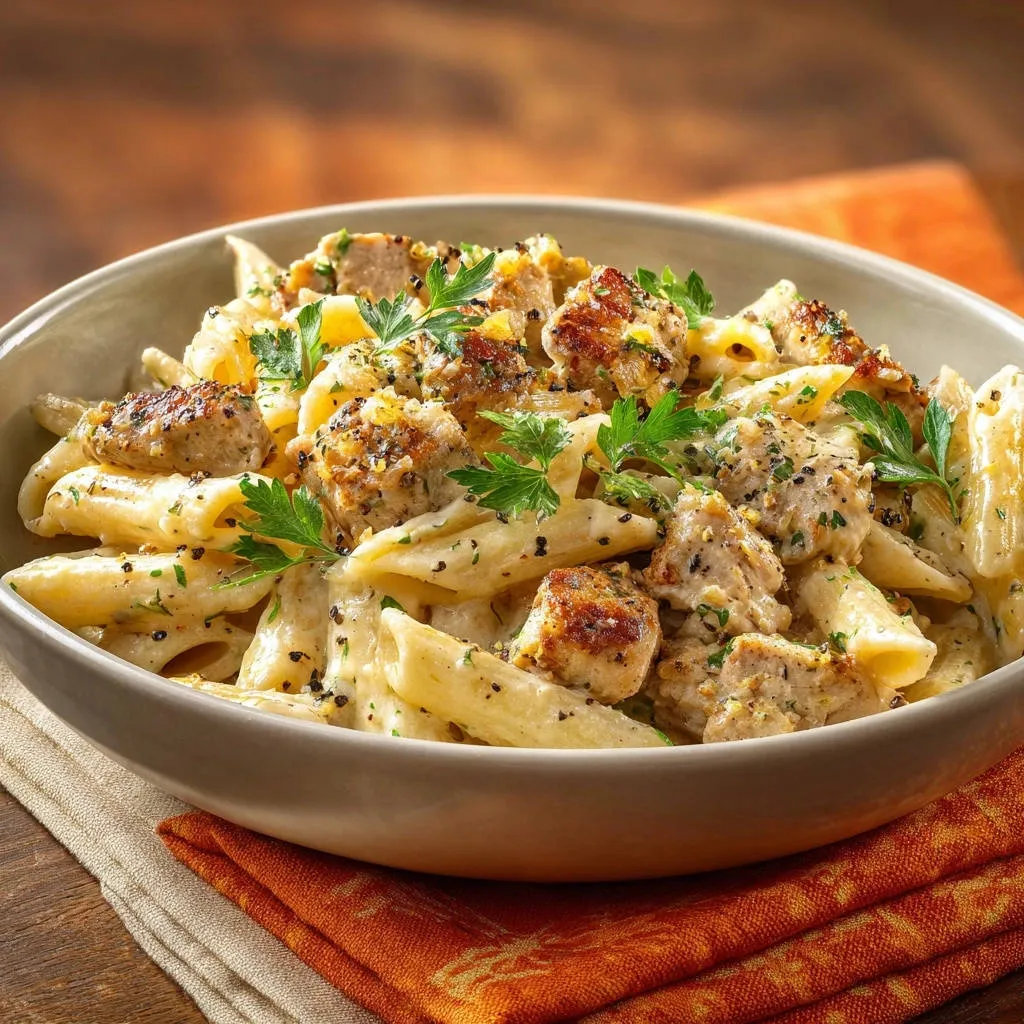
I know the disappointment of a creamy pasta dish with a sauce that decides to separate or turn watery, leaving your beautiful noodles slick and sad. It’s a common kitchen heartache, but I’ve perfected a simple technique that ensures my Creamy Sausage Pasta is flawlessly rich and clings beautifully to every single noodle, every time.
This recipe isn’t just about combining ingredients; it’s about mastering an easy trick that transforms a good dish into an exceptional one, guaranteeing a luxurious, non-watery sauce that will truly impress.
The Secret to Creamy Sausage Pasta That Never Separates
The quest for a truly perfect creamy pasta sauce often ends in frustration, with sauces breaking or becoming thin and slick. Many home cooks face this challenge, leading to a less-than-ideal dining experience.
This particular Creamy Sausage Pasta recipe tackles that issue head-on, offering a reliable method to achieve a consistently velvety texture. The benefit is a dish where every strand of pasta is lovingly coated, delivering a restaurant-quality richness at home.
Solving the Watery Pasta Predicament
There’s nothing more deflating than a sauce that refuses to cooperate, leaving you with an unappetizing pool at the bottom of your bowl. This common pitfall for creamy pasta dishes often stems from a misunderstanding of emulsification.
Our recipe introduces a foolproof “secret weapon” that prevents separation and ensures your sauce remains cohesive and glossy. This simple, yet powerful, technique elevates the entire dish.
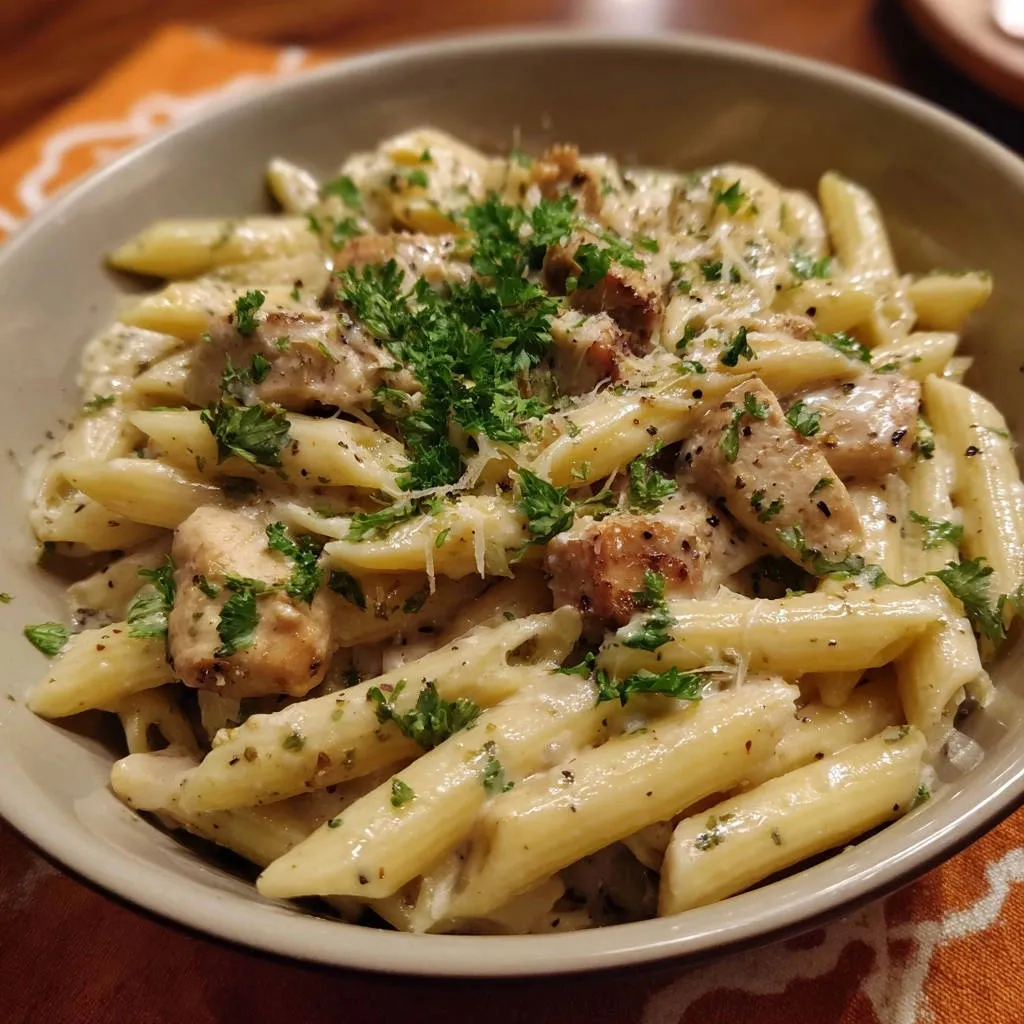
Gather Your Essentials: Ingredients for Your Perfect Pasta
Crafting exceptional Creamy Sausage Pasta begins with understanding each ingredient’s role. Quality ingredients are the foundation for deep, satisfying flavors.
Choosing Your Pasta Shape Wisely
Penne pasta is an excellent choice for this recipe due to its tubular shape and ridged surface. These features are perfect for capturing and holding the rich, creamy sauce.
Cooking the pasta to a very “al dente” consistency is absolutely crucial. This firm texture prevents the pasta from becoming mushy when combined with the sauce and ensures it can properly absorb flavor while releasing its essential starches.
Sausage Selection Matters: Chicken, Turkey, or Beef?
This recipe calls for ground chicken or turkey sausage, which offers a leaner profile without sacrificing flavor. Its savory notes provide a robust contrast to the creamy sauce.
Look for well-seasoned varieties, as the sausage contributes significantly to the overall depth of flavor in the dish. High-quality sausage will render delicious drippings, which are vital for building the sauce’s base.
The Heart of the Creamy Sauce: Heavy Cream and Parmesan
Heavy cream is indispensable for achieving the luxurious, smooth texture that defines this dish. Its high fat content provides the necessary richness and helps stabilize the sauce.
Grated Parmesan cheese adds a sharp, salty depth and also acts as a natural thickener and emulsifier for the sauce. Its umami notes beautifully complement the sausage and cream.
Essential Aromatics and Seasonings
A tablespoon of olive oil provides the initial heat for browning the sausage and sautéing aromatics. It’s a neutral base that allows other flavors to shine.
Finely diced yellow onion and minced garlic form the aromatic backbone of the sauce, infusing it with foundational savory notes. Salt and black pepper are crucial for seasoning, balancing the richness, while fresh chopped parsley adds a bright, herbaceous finish and a pop of color.
Essential Tools for Seamless Creamy Sausage Pasta Prep
Having the right kitchen tools ready makes the cooking process smooth and enjoyable. Here are the essentials for our Creamy Sausage Pasta:
Large Pot: Absolutely necessary for cooking the pasta evenly and without crowding, ensuring it reaches perfect al dente tenderness.
Large Skillet or Dutch Oven: This versatile pan is ideal for browning the sausage and then building the sauce directly within it, minimizing cleanup and maximizing flavor transfer.
Spatula or Wooden Spoon: Essential for breaking up the ground sausage as it cooks and for stirring the sauce to prevent sticking and encourage emulsification.
Measuring Cups and Spoons: Crucial for accurate ingredient proportions, which ensures the sauce’s consistency and flavor are spot-on every time.
Cheese Grater: While optional, freshly grated Parmesan melts much smoother and provides superior flavor compared to pre-shredded varieties, enhancing the final dish.
Crafting Your Creamy Sausage Pasta: A Step-by-Step Guide
Let’s walk through each stage of creating this exceptional Creamy Sausage Pasta, focusing on the techniques that guarantee a perfect outcome.
- Cook Pasta to Al Dente:
Bring a large pot of generously salted water to a rolling boil. Add penne pasta and cook according to package directions, but aim for very al dente-specifically, cook it for about 2 minutes less than the recommended time. This firm texture is critical for the sauce to cling properly and prevents the pasta from becoming mushy when it’s tossed with the hot sauce.
Before draining, it is absolutely essential to reserve 1 cup of the starchy pasta cooking water. This liquid is your secret ingredient for achieving an emulsified, non-watery sauce, so don’t forget this step!
- Brown the Sausage:
While the pasta cooks, heat 1 tablespoon of olive oil in a large skillet or Dutch oven over medium-high heat. Add the ground chicken or turkey sausage, breaking it up with a spoon, and cook until it’s beautifully browned and thoroughly cooked through, which usually takes about 5-7 minutes.
Once browned, remove the cooked sausage from the skillet and set it aside in a bowl, leaving any flavorful drippings in the pan. These drippings are packed with savory goodness and form the foundational base of your sauce’s robust flavor.
- Sauté Aromatics:
Reduce the heat to medium. Add the finely diced yellow onion to the skillet, utilizing the residual sausage drippings for flavor. Cook the onion until it softens and becomes translucent, about 3-5 minutes, scraping up any browned bits from the bottom of the pan as it cooks.
Stir in the minced garlic and continue to cook for just 1 minute more until it becomes wonderfully fragrant. Be very careful not to let the garlic burn, as scorched garlic can quickly turn bitter and ruin the sauce’s delicate balance.
- Create the Creamy Base:
Pour in the heavy cream and bring it to a gentle simmer, continuously scraping up any remaining browned bits from the bottom of the pan. This action is crucial for incorporating all that delicious fond into the sauce, deepening its flavor.
Let the cream simmer gently for about 2-3 minutes, stirring occasionally, to allow it to slightly thicken. A gentle simmer is key to prevent the cream from separating.
- Combine and Emulsify:
Return the cooked sausage to the pan with the simmering cream sauce. Add the drained, very al dente pasta. This is where the magic truly begins to unfold for our Creamy Sausage Pasta!
Gradually add the reserved pasta cooking water, about 1/4 cup at a time, stirring constantly. The starch from the pasta water will activate, helping the sauce to emulsify beautifully and cling directly to the pasta, preventing any watery separation. Continue stirring until the sauce perfectly coats the pasta and reaches your desired creamy consistency.
Finally, stir in the grated Parmesan cheese until it’s completely melted and fully incorporated into the sauce. Taste and adjust the salt and pepper to your preference; remember, the Parmesan cheese already contributes significant saltiness.
- Garnish and Serve Immediately:
Serve your perfectly creamy sausage pasta immediately to enjoy it at its best. Garnish generously with fresh chopped parsley for a burst of freshness, an extra sprinkle of black pepper for a hint of warmth, and additional grated Parmesan cheese for a delightful, savory finish.
Prep & Initial Cook
Building Layers of Flavor
The Emulsification Magic
Ready to Serve
Deep Dive: Unlocking the “Never Watery” Creamy Sauce
The hallmark of an exceptional Creamy Sausage Pasta is a sauce that clings to every noodle, never pooling at the bottom. This isn’t magic; it’s a careful application of kitchen science.
This same principle applies when you’re looking for creamy chicken penne that’s always tender.
The Role of Al Dente Pasta
Cooking your pasta “minus 2 minutes” ensures it’s perfectly al dente, meaning it’s still firm to the bite. This firm texture is crucial because it allows the pasta to continue cooking slightly when tossed with the hot sauce, absorbing flavor without becoming overcooked.
More importantly, al dente pasta retains more of its surface starch. This starch is vital for the sauce to adhere properly and contributes directly to the emulsification process, forming a bond with the creamy liquid.
Starchy Water: Your Secret Weapon for Emulsification
The reserved pasta cooking water is your culinary MVP. As pasta cooks, it releases starch into the water, turning it slightly cloudy. This starchy water acts as a natural emulsifier and thickening agent.
When gradually added to the cream sauce, the starch molecules help to bind the fat from the cream with the water, creating a stable, cohesive emulsion. This prevents the sauce from separating or becoming watery, resulting in that coveted glossy, clinging texture.
Mastering the Emulsification Technique
The technique of gradually adding pasta water, a quarter cup at a time, while stirring constantly, is key to successful emulsification. This slow addition allows the sauce to gradually thicken and absorb the starch, rather than shocking it with too much liquid at once.
Constant stirring helps distribute the starch evenly and encourages the sauce to come together beautifully. You’ll visibly see the sauce transform from thin to a rich, cohesive coating that perfectly embraces every piece of Creamy Sausage Pasta.
Chef’s Notes: Elevating Your Creamy Sausage Pasta
Even with a great recipe, a few expert tips can elevate your dish from good to unforgettable. These small adjustments make a big difference.
Don’t Rinse the Pasta: This is a common mistake! Never rinse your cooked pasta after draining. Rinsing washes away the essential surface starch that is absolutely needed for the sauce to cling properly to the noodles.
Flavorful Sausage Drippings: Resist the urge to drain the pan completely after browning the sausage. The browned bits and rendered fat are bursting with savory flavor and are the perfect base for building a rich and complex sauce.
Freshly Grated Parmesan: For the best flavor and smoothest melting, always opt for freshly grated Parmesan cheese over pre-grated varieties. Fresh Parmesan melts seamlessly and adds a superior depth of taste.
Taste and Adjust Seasoning: Your palate is your best tool. Always taste your sauce before serving and adjust the salt and pepper as needed. Remember that the Parmesan cheese is also salty, so factor that into your seasoning.
Gentle Simmer for Cream: When adding heavy cream, ensure it comes to a gentle simmer, not a vigorous rolling boil. High heat can cause cream-based sauces to split or curdle, resulting in a less desirable texture.
Customizing Your Creamy Sausage Pasta: Creative Twists
This Creamy Sausage Pasta recipe is wonderfully versatile. Feel free to experiment with these ideas to make it uniquely yours.
Vegetable Additions for Extra Goodness
Boost the nutritional value and color of your pasta by adding vegetables. Fresh spinach can be wilted directly into the sauce at the very end. Sliced mushrooms or bell peppers can be sautéed with the onion for added depth. Frozen peas or corn can be stirred in during the final minutes of cooking, heating through quickly.
Protein Alternatives Beyond Chicken or Turkey Sausage
If you prefer a different flavor profile, consider using Italian beef sausage (mild or hot for a kick) if it fits your dietary preferences. For a vegetarian option, plant-based sausages or even crumbled firm tofu can be seasoned and browned similarly. You could also use browned ground beef for a hearty alternative.
Dairy-Free Options for Dietary Needs
To make this creamy pasta dairy-free, substitute the heavy cream with full-fat coconut milk (for a subtle tropical hint) or a dairy-free cream alternative. For the Parmesan, nutritional yeast can provide a cheesy, umami flavor, though the texture of the sauce may be slightly different. Ensure all other ingredients are dairy-free too.
Spice It Up: Adding a Kick
For those who enjoy a bit of heat, incorporating red pepper flakes is an easy way to add a delightful kick. Stir them in with the garlic for a more integrated warmth, or sprinkle them over individual servings so everyone can customize their spice level.
Enjoying and Storing Your Delicious Creation
Once you’ve mastered your Creamy Sausage Pasta, knowing how to serve and store it properly ensures maximum enjoyment.
Perfect Pairings for a Complete Meal
This rich pasta dish pairs beautifully with simple, fresh accompaniments. A crisp green salad with a light vinaigrette offers a refreshing contrast. Crusty bread is perfect for soaking up every last bit of the creamy sauce. For another delicious side, consider a warm slice of easy cheesy herb bread.
Reheating Leftovers Gracefully
To reheat leftovers without drying out the pasta or causing the sauce to separate, gently warm it in a skillet over low heat. Add a splash of milk, cream, or broth as it heats, stirring occasionally, to help revive the creamy texture and bring it back to its original lusciousness.
Freezing Considerations for Make-Ahead Meals
Creamy pasta sauces typically do not freeze well, as the dairy can separate and become grainy upon thawing. While you can freeze this dish, expect a slight change in texture. If freezing, thaw slowly in the refrigerator overnight, then reheat gently on the stovetop, whisking in a little extra cream or broth to re-emulsify the sauce.
Troubleshooting Common Creamy Sausage Pasta Conundrums
Even with the best intentions, cooking can present challenges. Here are solutions to common issues you might encounter with Creamy Sausage Pasta.
Problem: My Sauce is Too Thin!
If your sauce is thinner than desired, don’t fret. You can gently simmer it for a few more minutes to allow it to reduce and thicken naturally. Alternatively, stir in an extra handful of grated Parmesan cheese, which will help thicken it further. For a quick fix, mix half a teaspoon of cornstarch with a tablespoon of cold water, then slowly whisk it into the simmering sauce until it thickens.
Problem: My Pasta is Sticky or Clumpy!
Sticky pasta usually indicates it was either overcooked or not stirred enough while boiling. Ensure you’re using a large pot with plenty of water and stirring the pasta frequently during cooking. If it’s clumpy after draining, toss it quickly with a tiny drizzle of olive oil before adding it to the sauce, though this recipe’s emulsification step often prevents stickiness.
Problem: The Flavor Falls Flat!
If your Creamy Sausage Pasta lacks punch, the most common culprit is insufficient seasoning. Always taste and adjust salt and pepper at the end. A squeeze of fresh lemon juice can brighten flavors significantly, and a generous sprinkle of fresh herbs like more parsley or even a pinch of dried oregano can add complexity.
Problem: The Sauce Looks Oily or Separated!
This often happens if the cream is heated too quickly or if there wasn’t enough emulsification. Ensure you’re bringing the cream to a gentle simmer, not a rapid boil. The key is the gradual addition of starchy pasta water while stirring constantly; this step helps create a stable emulsion and prevents the sauce from breaking or looking oily.
Your Top Creamy Sausage Pasta Questions Answered
Here are quick answers to some frequently asked questions about this delightful pasta dish.
Can I use different pasta shapes?
Absolutely! While penne is excellent, other medium-sized pasta shapes with ridges or twists work well to capture the sauce. Think rigatoni, rotini, or even cavatappi. The key is to choose a shape that can hold onto that rich, creamy sauce.
What’s the best type of sausage for this recipe?
Ground chicken or turkey sausage is recommended for its balanced flavor and leaner profile. However, if you enjoy exploring sausage-based dishes, you might also love our perfect sausage and zucchini pasta, which offers another fantastic way to utilize this versatile ingredient. For this recipe, look for a mild or Italian-seasoned sausage.
How long does Creamy Sausage Pasta last in the fridge?
When stored properly in an airtight container, your Creamy Sausage Pasta will last safely in the refrigerator for 3 to 4 days. Remember that the sauce might thicken slightly, so a splash of milk or broth can help restore its consistency when reheating.
Can I make this recipe vegetarian?
Yes, easily! Simply substitute the chicken or turkey sausage with a plant-based ground sausage alternative. You can also boost the vegetables with sautéed mushrooms, zucchini, or bell peppers to add extra body and flavor to your vegetarian creamy pasta.
Is this recipe spicy?
As written, the recipe for Creamy Sausage Pasta is not spicy, relying on the savory notes of the sausage and aromatics. If you enjoy heat, you can easily add a pinch or two of red pepper flakes along with the garlic for a pleasant kick, customizing it to your preference.
Your Next Go-To Weeknight Meal Awaits!
You now have all the tools and knowledge to create a truly spectacular Creamy Sausage Pasta that will impress everyone at your table. This recipe proves that a few simple techniques, like the magic of starchy pasta water, can elevate a classic dish to new heights, guaranteeing a rich, clinging sauce every single time.
Don’t just take our word for it-whip up this culinary masterpiece tonight and taste the difference for yourself! We’d love to hear about your experience; share your creations and comments below. For more comforting pasta ideas, explore our hearty baked pasta bake, another family favorite perfect for any occasion.
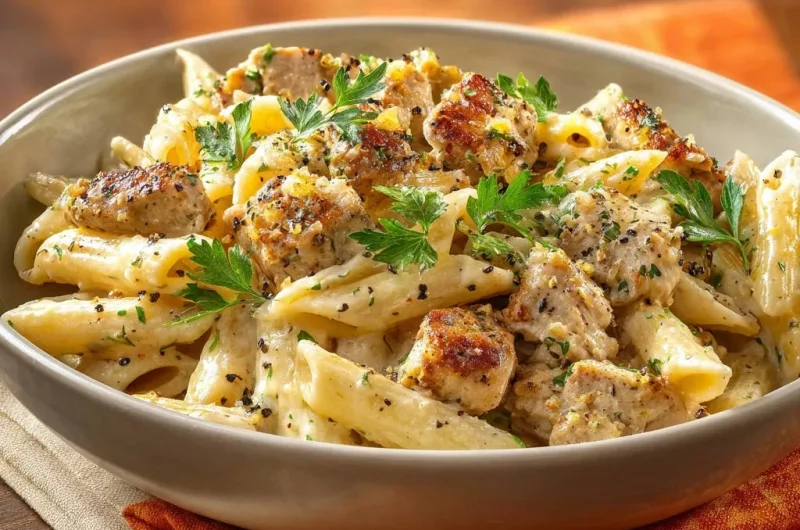
Sausage Pasta
Course: Main CourseCuisine: Italian-AmericanDifficulty: easy4
servings15
minutes25
minutes750
kcal40
minutesTransform your pasta nights with this perfectly rich and creamy sausage pasta that beautifully coats every noodle. Discover the simple trick to prevent watery sauces, ensuring a delicious and satisfying meal every time. This easy-to-follow recipe guarantees a restaurant-quality dish right at home.
Ingredients
1 pound penne pasta
1 tablespoon olive oil
1 pound ground chicken or turkey sausage
1 small yellow onion, finely diced
2 cloves garlic, minced
1.5 cups heavy cream
1/2 cup grated Parmesan cheese, plus more for garnish
1/2 teaspoon black pepper, plus more for garnish
Salt to taste
1/4 cup fresh parsley, chopped, for garnish
Directions
- Cook Pasta: Bring a large pot of salted water to a rolling boil. Add the penne pasta and cook according to package directions minus 2 minutes, so it is very al dente. Before draining, reserve 1 cup of the starchy pasta cooking water. Drain the pasta.
- Cook Sausage: While pasta cooks, heat olive oil in a large skillet or Dutch oven over medium-high heat. Add ground chicken or turkey sausage, breaking it up with a spoon, and cook until browned and cooked through, about 5-7 minutes. Remove sausage from skillet and set aside, leaving any drippings in the pan.
- Build Flavor Base: Reduce heat to medium. Add diced onion to the skillet and cook until softened, about 3-5 minutes. Add minced garlic and cook for 1 minute more until fragrant, being careful not to burn it.
- Make Sauce: Pour in the heavy cream and bring to a gentle simmer, scraping up any browned bits from the bottom of the pan. Let it simmer for about 2-3 minutes to slightly thicken.
- Emulsify the Sauce: Return the cooked sausage to the pan with the cream sauce. Add the drained, al dente pasta. Gradually add the reserved pasta cooking water, about 1/4 cup at a time, stirring constantly. The starch from the pasta water will help the sauce emulsify and cling to the pasta, preventing it from becoming watery. Continue stirring until the sauce coats the pasta beautifully and reaches your desired consistency. Add the grated Parmesan cheese and stir until melted and fully incorporated, adjusting salt and pepper to taste.
- Serve: Serve immediately, garnished with fresh chopped parsley and a sprinkle of extra black pepper and Parmesan cheese.
Notes
- The key to a perfectly creamy sauce is gradually adding reserved pasta cooking water to emulsify and cling to the noodles.