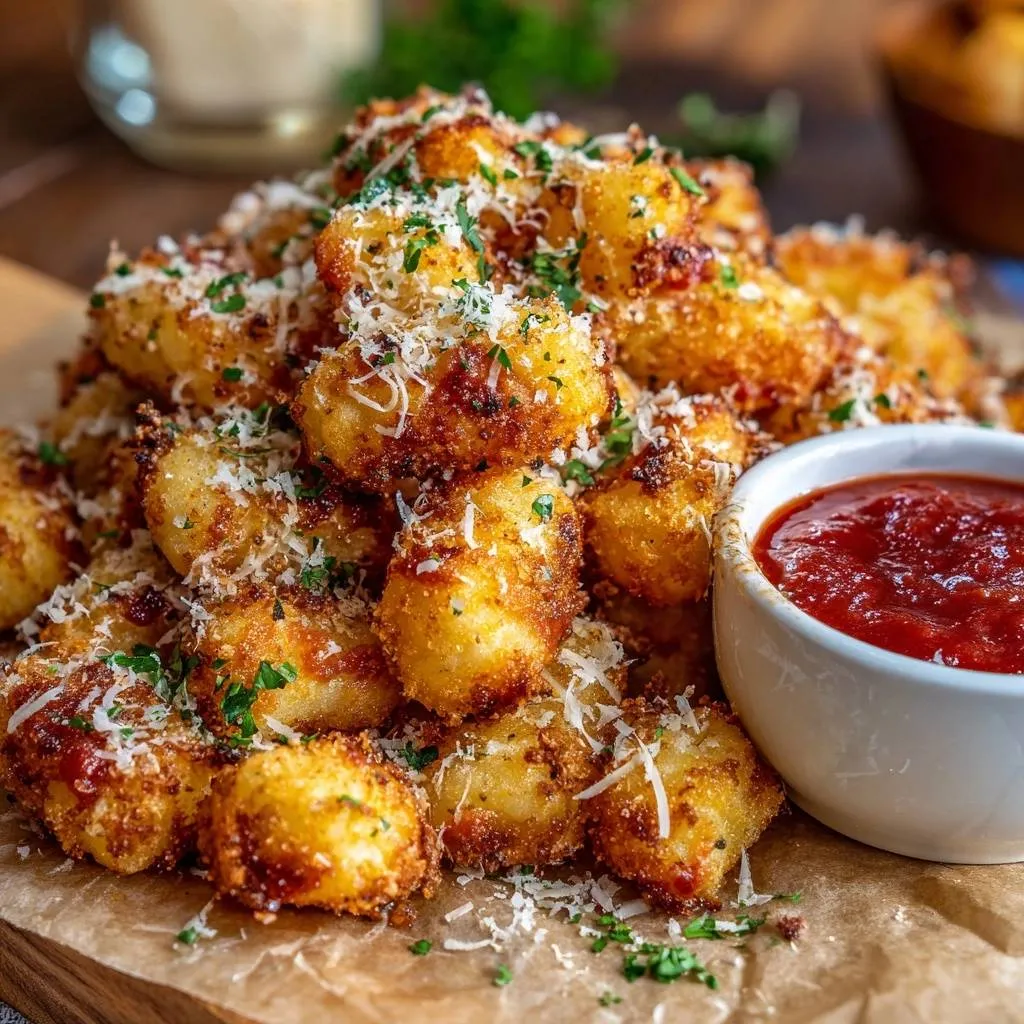
Ever bitten into a homemade potato bite only to watch it crumble into a greasy mess in hot oil? Those disasters end today with crispy Parmesan potato bites that stay intact, delivering golden crunch every time. This chill-and-double-coat method transforms soft mash into unbreakable spheres, perfect for game day or any snack attack.
Here’s why it works so well. Russet potatoes provide the fluffy base, but the real magic happens with a quick freezer chill that firms the exterior. Then, double-coating in panko and Parmesan builds an armor-like crust. No more mushy failures, just pure satisfaction.
One expert tip seals the deal: always use freshly grated Parmesan in the panko mix. It melts into the crust during frying, locking in umami flavor while pre-shredded stuff stays powdery and weak. You’ll taste the difference immediately, with that irresistible cheesy crisp.
For similar crispy results, learn the technique for crispy zucchini fritters.
Why Russet Potatoes Excel Here
Peeling and Cubing for Uniform Texture
Russet potatoes shine in crispy Parmesan potato bites because their high starch content creates fluffy, airy mash. Waxy varieties turn gummy instead, so stick with russets for success. Peel them first to remove bitter skins, then cube into even 1-inch pieces.
Uniform cubes ensure they boil at the same rate, about 15 minutes to fork-tender. This prevents undercooked chunks or overcooked mush. In addition, salting the water infuses flavor from the start, building a solid base.
Therefore, you get consistent texture every time. No uneven bites ruining your batch.
Parmesan and Panko Duo Breakdown
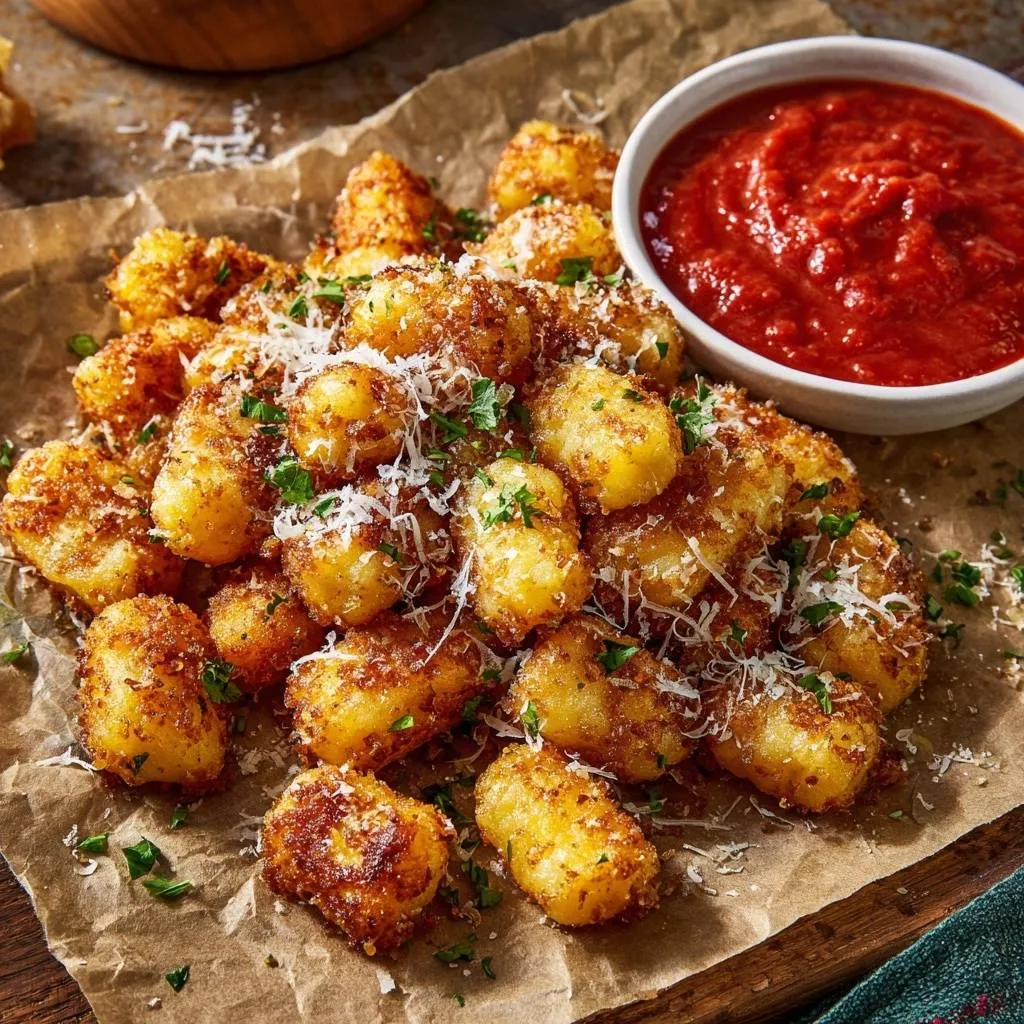
Freshly grated Parmesan delivers sharp umami that melts seamlessly into the crispy Parmesan potato bites coating. Pre-shredded versions have anti-caking agents, so they don’t cling or crisp properly. Use 1/4 cup in the mash and extra in the panko for balanced cheesiness.
Panko breadcrumbs provide flaky, light crunch compared to dense regular ones. The 1/2 cup quantity avoids sogginess by creating air pockets during frying. Together, they form a crust that shatters perfectly against fluffy potato.
However, don’t skimp on the ratios. Too much cheese overwhelms; too little leaves bland results.
Fresh Parsley vs. Dried Herb Impact
Fresh parsley brightens the mash with vibrant color and flavor that holds up through frying. Dried versions wilt and fade, so chop 2 tablespoons finely for even distribution. It adds a fresh, herby pop without overpowering.
Milk smooths the mash without gumminess, using just 1/4 cup for creaminess. Add salt and pepper here too, since seasoning post-mash leads to bland centers. This timing ensures every bite bursts with taste.
Pro tip: snip parsley right before mixing for maximum aroma.
Boil-to-Mash Phase Precision
Salting Water for Flavor Base
Start prepping crispy Parmesan potato bites by boiling cubed russets in well-salted water. Aim for 15 minutes until fork-tender; they should pierce easily but not fall apart. Drain thoroughly to remove excess moisture, which would water down your mash.
Mash while hot with milk, Parmesan, parsley, salt, and pepper. Use a potato masher for control, avoiding a food processor that overworks starches into glue. The mash firms as it cools, smelling richly savory.
Therefore, this step sets up fluffy interiors. Overmashing creates density, so stop when smooth.
Cooling Step Prevents Gummy Failures
Let the mash cool slightly for 10 minutes before shaping. This firms starches naturally, preventing sticky handling. Overmashing activates excess gluten-like proteins, turning bites rubbery.
In addition, cooling reduces steam, so balls hold shape better. Skip it, and you’ll fight mush during forming.
Chill Method Locks in Shape
Forming 1-Inch Balls Efficiently
Scoop mashed potatoes into 1-inch balls, about 20 from this recipe. Use wet hands to prevent sticking, pressing firmly for density. Place on a parchment-lined tray; the paper stops messes and eases transfer.
Chill in the freezer for 15 minutes. This critical step firms the exterior starches, solving the top problem where warm balls disintegrate in hot oil. You’ll feel the difference: solid orbs ready for breading.
Therefore, even sizing ensures uniform frying. Make them too big, and centers stay raw.
Freezer vs. Fridge Chill Differences
Freezer chills faster, hitting ideal firmness in 15 minutes for breading. Fridge takes 45 minutes longer, risking over-soft centers. However, don’t exceed 20 minutes or they’ll freeze solid and crack.
This quick freeze creates a sturdy shell without altering texture inside.
Science of Double-Coat Breading
Flour-Egg-Panko Sequence Explained
Set up three bowls: flour, beaten egg, and panko mixed with extra Parmesan. Roll chilled balls in flour first; it absorbs surface moisture for better adhesion. Dip in egg to seal, then coat thickly in panko-Parmesan.
Double-coat by repeating egg and panko steps. This builds an unbreakable crust for crispy Parmesan potato bites, trapping steam inside for fluffiness. Press gently to embed crumbs deeply.
Visual cue: aim for no bare spots. Thin coats lead to leaks during frying.
Starch Gelatinization and Crisp Formation
Potato starches gelatinize during boiling, softening for mash. Chilling re-firms them, while double layers block moisture escape in 350F oil. This prevents sogginess and excess absorption.
The Maillard reaction browns the panko-Parmesan for deep gold and nutty aroma. Therefore, bites emerge crunchy outside, fluffy within. Skip the chill, and steam bursts the crust.
Mastering 350F Fry Technique
Oil Depth and Thermometer Must-Haves
Heat 2 inches of vegetable oil in a deep skillet to 350F; a thermometer ensures precision. Fry 3-4 balls per batch to avoid temperature drops. Flip after 3 minutes for even golden crunch.
Too crowded, and oil cools, making greasy bites. Listen for steady bubbling; it signals perfect heat. Drain immediately on paper towels.
In addition, vegetable oil’s high smoke point handles the temp without burning.
Drain and Garnish for Peak Crunch
Paper towels wick away oil fast, preserving crispness. Sprinkle fresh parsley for color and herby contrast right away. Serve with warm marinara; its acidity cuts the richness perfectly.
However, don’t stack bites while hot. Steam softens bottoms quickly.
Avoiding Common Mistakes in Potato Bites
Skipping Chill Causes Total Collapse
The biggest fail: skipping chill lets warm balls hit oil and disintegrate instantly. Fix by always freezing 15 minutes. Overmashing creates dense, gummy texture; mash minimally for airiness.
Insufficient double-coat means soggy spots, so repeat egg-panko fully. Salt overload in mash tastes harsh; season lightly and taste. These tweaks guarantee crispy Parmesan potato bites every time.
Pro tip: chill hands in cold water during shaping for easier handling.
Oil Temperature Swings and Fixes
Oil below 325F soaks in, turning greasy; above 375F burns the shell while raw inside. No thermometer? Test with a scrap ball: steady sizzle without smoking means ready. Adjust heat between batches.
Flavor Variations for Crispy Potato Bites
Cheese Swaps Beyond Parmesan
Pecorino adds sharper tang to the crust. Cheddar brings gooey meltiness inside. Mix in rosemary or thyme for woodsy notes, or garlic powder and cayenne for heat.
However, keep portions small to maintain crispiness. These twists elevate your crispy Parmesan potato bites base without overwhelming.
Gluten-Free and Vegan Adaptations
Swap all-purpose flour for almond flour and panko for gluten-free version. Use flax egg (1 tbsp flax + 3 tbsp water) instead of egg for vegan bites. Nutritional yeast mimics Parmesan cheesiness.
These changes keep crunch intact. Test-fry one first to adjust.
Perfect Pairings for Potato Bites
Marinara Dip and Beyond
Warm marinara’s tang balances cheesy richness, clinging perfectly to cracks. Try garlic aioli for creaminess or Greek yogurt dip for lightness. Ketchup works too, but elevate with herbs.
For game-day platters, add veggie sticks and olives. Pair as sides to grilled chicken or salads for meals. They vanish fast at gatherings.
What to Try Next
Round out your meal with these complementary dishes.
- For a satisfying chicken option, consider making Skillet Chicken Parmesan, which uses a smart technique to keep it tender.
- A hearty Kale White Bean Orecchiette Soup offers a wholesome and flavorful contrast.
Scaling for Crowds or Snacks
Double ingredients for 40 bites; use a Dutch oven for bigger batches. Make minis (1/2-inch) for apps, frying 2 minutes total.
Storage and Reheating Guide
Make-Ahead Freezer Strategy
Freeze breaded, unfried balls on a tray, then bag for up to 2 months. Thaw slightly, fry from chilled. Store fried crispy Parmesan potato bites in fridge airtight for 2 days max.
Avoid microwave; it sogs them. Air fryer at 375F for 8 minutes recrisp perfectly. This method saves game-day prep.
Batch Reheating Without Losing Crunch
Oven at 400F for 10 minutes on a wire rack restores gold. Air fryer shines at 380F, 6-8 minutes shaking halfway. Therefore, crunch returns fully.
Troubleshooting Crispy Potato Bites
Not Holding Shape During Fry
Chill 20 minutes longer or double-coat thicker. Russets beat other potatoes here; waxy ones fail. Press balls firmer next time.
For a similar textural crunch, try the crispy pepperoni mozzarella balls.
Soggy or Pale Exterior Fixes
Check oil at 350F and use fresh panko. Drain 2 minutes on towels. Shake off excess flour pre-egg.
Gummy Interior Prevention
Boil to exact fork-tender, 15 minutes. Mash gently; overworking releases starch glue.
Excess Oil Absorption Solutions
Heat oil hotter to 360F, fry fewer balls. Pat dry post-drain. Chill ensures less soak.
FAQ
How do I store leftovers of crispy Parmesan potato bites?
Keep fried bites in an airtight container in the fridge for up to 2 days. For longer storage, freeze unfried breaded balls on a tray first, then transfer to a freezer bag for 2 months. Reheat in a 400F oven or air fryer at 380F for 8-10 minutes to restore crunch; microwave makes them soggy by trapping steam.
Why do my potato bites fall apart when frying?
This happens from skipping the chill or single-coating. The 15-minute freezer step firms starches, preventing disintegration on oil contact. Double-coat fully (flour-egg-panko-egg-panko) for armor-like protection. If still failing, ensure russets and firm pressing during shaping; test one ball first.
Can I substitute ingredients in crispy Parmesan potato bites?
No russets? Yukon Golds work but chill longer. Swap Parmesan with pecorino or nutritional yeast for vegan. Use gluten-free panko and almond flour plus flax egg (1 tbsp flax + 3 tbsp water) for dietary needs. Avoid waxy potatoes or skimping milk, as they cause gumminess.
What’s the best oil temperature for frying?
Maintain 350F exactly with a thermometer for golden crunch without grease. Too low (under 325F) absorbs oil; too high (over 375F) burns outsides while raw inside. Fry small batches and rest oil between to stabilize. No thermometer? Drop-in test: steady medium bubbles mean go.
How can I make crispy Parmesan potato bites ahead for a party?
Bread and chill balls, then freeze flat. Fry straight from freezer, adding 1 minute per side. Prep mash day before and store covered. Scale by doubling; yields 40 bites. Serve on platters with dips for crowds.
Why is my mash gummy after boiling?
Overboiling past fork-tender or overmashing releases excess starch. Boil exactly 15 minutes, drain well, and mash with a fork or masher briefly until smooth. Cool slightly before adding milk to control creaminess. Russets minimize this; waxy types worsen it.

Potato Bites
Course: AppetizerCuisine: AmericanDifficulty: easy20
bites30
minutes20
minutes150
kcal50
MinutesTired of potato bites that crumble in hot oil? This genius chill-and-double-coat method ensures perfect, golden crunch every time. Dip in marinara for game-day bliss.
Ingredients
2 large russet potatoes, peeled and cubed
1/4 cup grated Parmesan cheese, plus extra for coating
2 tablespoons chopped fresh parsley, plus extra for garnish
1/2 cup panko breadcrumbs
1/4 cup all-purpose flour
1 egg, beaten
1/4 cup milk
Vegetable oil for frying
1 cup marinara sauce, warmed for dipping
Salt and black pepper to taste
Directions
- Boil potatoes in salted water until fork-tender, about 15 minutes. Drain well and mash smooth with milk, 1/4 cup Parmesan, parsley, salt, and pepper. Avoid overmashing to prevent gumminess. Cool slightly.
- Form mashed potatoes into 1-inch balls (about 20 total). Place on a parchment-lined tray and chill in freezer for 15 minutes. This critical chill firms the exterior, preventing the
Notes
- Chill the potato balls in the freezer for 15 minutes before breading to prevent them from falling apart during frying. Double-coat with egg and panko-Parmesan mix for an unbreakable crust.