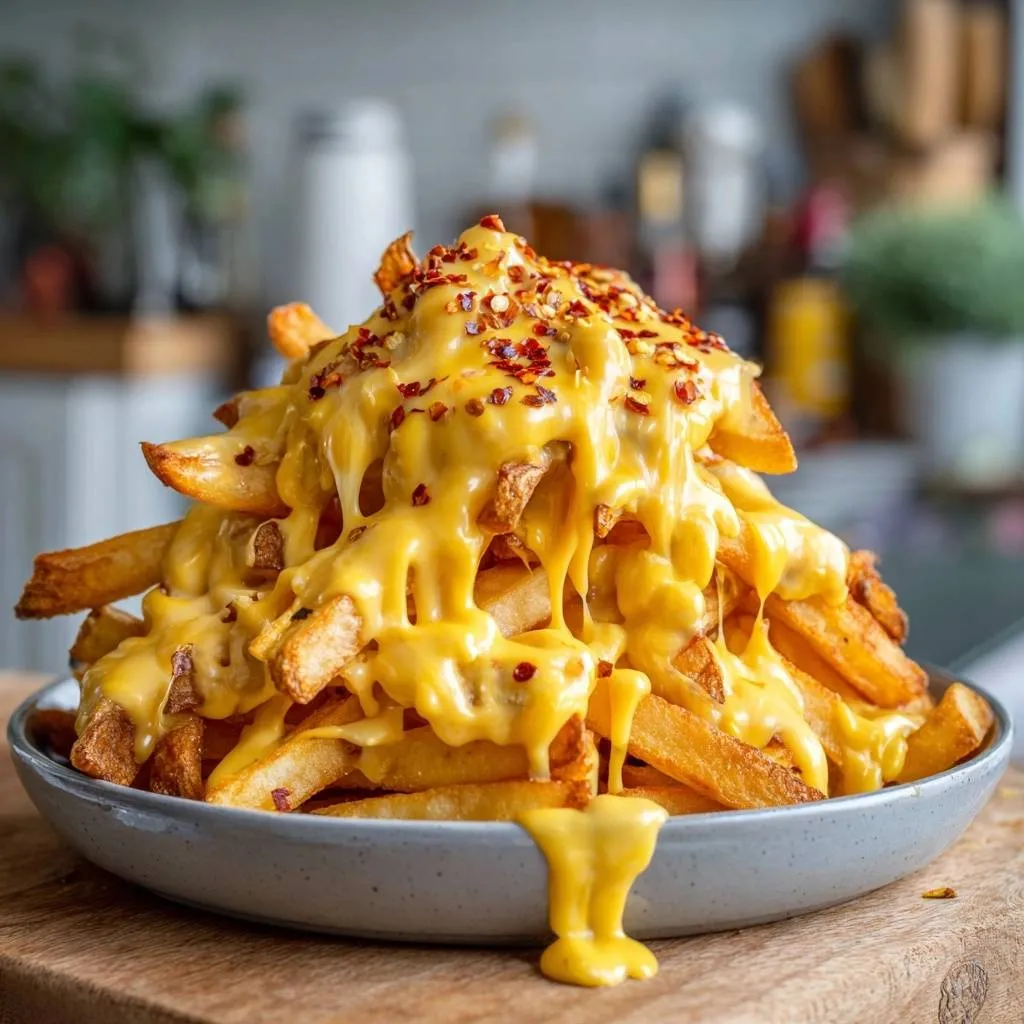
Nothing ruins loaded cheese fries faster than a soggy, mushy bite. You’ve got those golden fries, pour on the cheese sauce, and bam, they turn into a limp mess in minutes. But this double-fry technique changes everything. It builds an ultra-crisp shell that locks out moisture, so every fry stays crunchy under gooey, spicy cheddar.
Why does it work so well? First, you soak and dry the potatoes to strip excess starch. Then, the two-stage fry at precise temperatures cooks the inside tender while forging a moisture-repelling crust outside. In addition, the spicy cheese sauce pours on hot, but those fries hold firm.
Here’s the expertise kicker: always pat fries bone-dry after soaking. Any water hits hot oil and creates steam pockets that deflate the crisp. Nail that, and you’re eating bar-snack perfection that rivals any spot in town. Oh man, that first crunchy, cheesy bite? Pure bliss.
Selecting Potatoes for Loaded Cheese Fries Crispiness
Why Russet Potatoes Dominate Double-Fry Technique
Russet potatoes rule loaded cheese fries because their high starch content delivers fluffy insides and sturdy exteriors. You peel them first for uniform cuts, since skins can make fries uneven. In contrast, Yukon Golds or reds get mushy under sauce; they lack that starch power.
Cut into 1/4-inch thick fries for even cooking. Hold the potato steady on the cutting board, and use a sharp knife with a rocking motion. Safety first: keep fingers curled back to avoid slips.
Precise Cutting and Soaking Removes Excess Starch
Slice peeled russets lengthwise into 1/4-inch planks, then stack and cut into fries. Uniform size ensures they all crisp at the same rate in loaded cheese fries. Next, soak in cold water for 20 minutes; this leaches out surface starch that causes sticking.
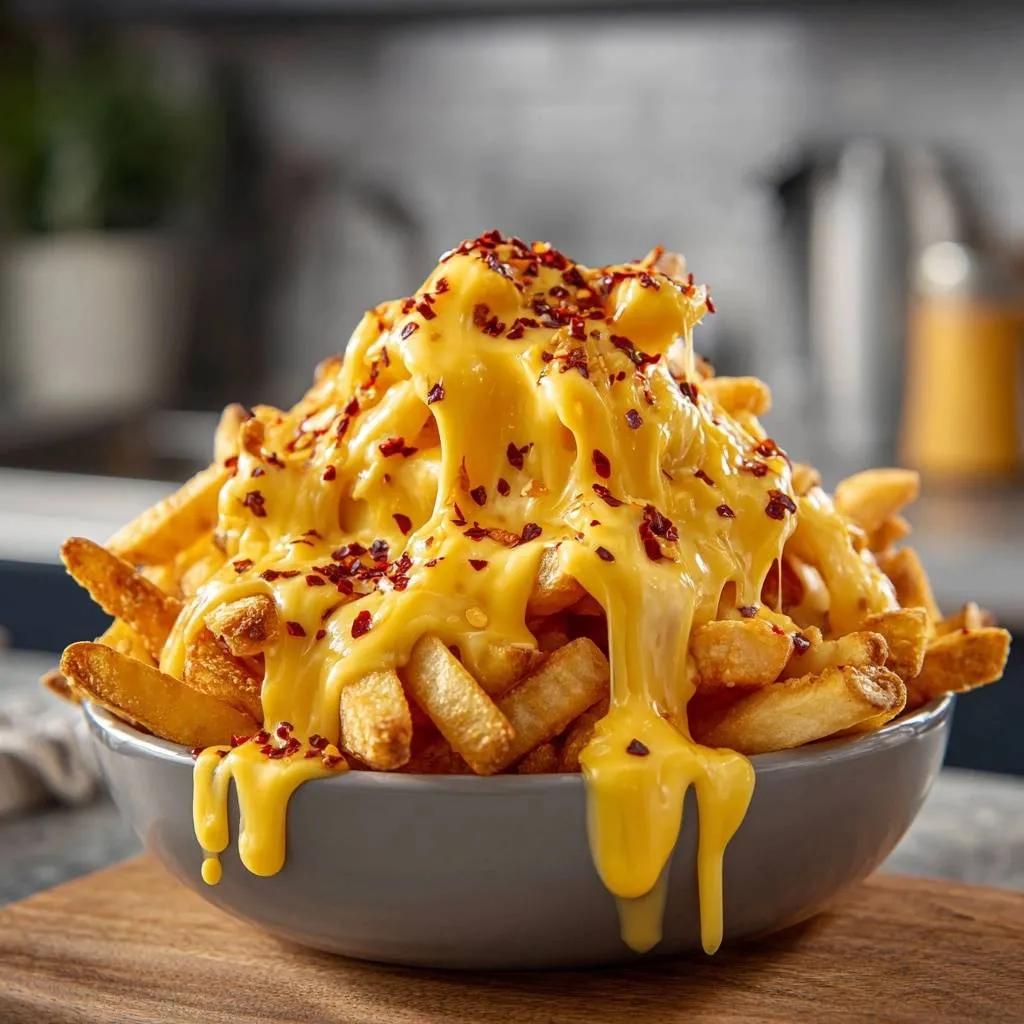
Rinse under running water, then pat completely dry with paper towels. Skipping the dry step leads to oil splatter and soggy results. Therefore, take the extra minute; it’s worth it for that perfect crunch.
Double-Fry Method Builds Armor Against Soggy Loaded Cheese Fries
First Fry at 325F Cooks Tender Interiors
Pour 3 inches of vegetable oil into a deep pot and heat to 325F. Fry potatoes in small batches for 4-5 minutes; they’ll soften but stay pale. This step gelatinizes the starches inside without forming a crust yet.
Drain on paper towels and cool for 10 minutes. That rest prevents overcooking in the next fry. Pro tip: don’t skip batches, or the oil cools and fries turn greasy.
Second Fry at 375F Forges Golden Crunchy Shell
Crank the oil to 375F. Fry par-cooked potatoes again in batches for 2-3 minutes until deep golden. Watch for bubbles slowing down; that’s your cue they’re done.
Drain on a wire rack, sprinkle with salt right away for adhesion, and keep warm in a 200F oven. This Maillard reaction creates the armored shell that repels cheese sauce moisture perfectly.
Science of Crisp Shell in Loaded Cheese Fries
Starch Removal and Dry Fries Prevent Sogginess
Potato starch, or amylose, on the surface gums up fries and absorbs moisture. The 20-minute soak pulls it out, so fries crisp instead of clump. Dry them thoroughly afterward; trapped water steams in the oil, deflating that crunch.
Food science backs this: drier surfaces dehydrate faster in hot oil, forming a tight barrier. Result? Loaded cheese fries that stay snappy under sauce.
Oil Temperature Precision Controls Texture
At 325F, starches inside gelatinize gently without browning. Bump to 375F, and rapid evaporation plus browning builds the crust. Use a thermometer; guesswork leads to greasy or raw fries.
Too low, and oil seeps in. Too high, and exteriors burn before insides cook. Therefore, precision makes your loaded cheese fries restaurant-worthy.
Key Ingredients for Spicy Cheese Sauce Over Loaded Fries
Building Roux Foundation with Butter and Flour
Melt 2 tbsp butter, then whisk in 2 tbsp flour over medium heat for 1 minute. This roux eliminates raw flour taste and thickens smoothly. Use unsalted butter so the cheddar’s salt doesn’t overwhelm.
Look for a light bubbling; that’s when it’s ready for milk. It forms the silky base your loaded cheese fries deserve.
Milk and Cheddar Create Glossy Melted Perfection
Whole milk’s fat gives velvety thickness; skim milk won’t cut it. Shred 2 cups sharp cheddar yourself; pre-shredded has starch coatings that clump. The 1:1 cup milk to 2 cups cheese ratio balances creaminess.
Sharp cheddar’s tang cuts the richness perfectly. Stir it in low and slow for glossy results.
Crushed Red Pepper Adds Heat Balance
Stir 1/2 tsp flakes into the sauce, plus extra on top. Capsaicin provides subtle heat that builds and contrasts the creamy cheese. Fresh flakes pack more punch than old ones.
This spice elevates loaded cheese fries from basic to bold without overpowering.
Step-by-Step Cheese Sauce Assembly for Hot Loaded Fries
Melt and Roux Formation Timing
Melt butter on medium, whisk in flour, and cook 1 minute until bubbly. Time this while doing the second fry. The roux smells nutty when ready.
Multitask here to keep fries hot.
For more crispy potato ideas, check out these golden potato bites.
Gradual Milk Incorporation Thickens Smoothly
Whisk in 1 cup whole milk slowly to avoid lumps; simmer 3-4 minutes until it coats a spoon. Lower heat before adding cheese. Smooth sauce clings perfectly to fries.
Stir constantly for that pro finish.
Melting Cheddar with Pepper Flakes
Off heat, stir in cheddar until melted and glossy. Mix in red pepper flakes. Pour warm over piled hot fries immediately.
Keep sauce warm on low if fries need a minute.
Equipment Essentials for Flawless Loaded Cheese Fries
Deep Pot and Thermometer for Safe Frying
Use a 5-6 quart pot for 3 inches oil; it prevents overflow. Clip on a candy thermometer for exact 325F and 375F temps. A Dutch oven works too.
Keep a fire extinguisher nearby, and never leave hot oil unattended. Safety ensures fun frying.
Wire Racks and Paper Towels Drain Effectively
Wire racks let air circulate, stopping steam from softening fries. Blot first with paper towels for excess oil. Set up in a 200F oven to hold warmth.
This setup keeps loaded cheese fries crisp until sauced.
Avoiding Common Mistakes in Loaded Cheese Fries
Skipping Soak Leads to Sticky Fries
Excess starch makes fries glue together and stay soft. Always soak 20 minutes, rinse, and dry. Your crunch depends on it.
Overcrowding Batches Ruins Crispness
Too many fries drop the oil temp, leading to greasy results. Fry small batches; oil rebounds faster. Patience pays off big.
Cold Sauce Soggies Hot Fries Instantly
Pour warm sauce over piping fries only. Reheat sauce gently on low if needed. Timing syncs crunch and melt.
Flavor Variations for Custom Loaded Cheese Fries
Bacon and Jalapeño Twist on Classics
Fry bacon crisp, crumble over sauced fries, and top with sliced fresh jalapeños. The smoke and fresh heat amp up every bite. Add post-fry to keep bacon crunchy.
Truffle Oil or Herb-Infused Upgrades
Drizzle truffle oil after salting fries, or stir chopped chives into the sauce. These gourmet touches make loaded cheese fries feel fancy. A little goes a long way.
Vegan Cheese Sauce Swaps
Blend soaked cashews with nutritional yeast, plant milk, and vegan cheddar shreds for the roux base. It mimics dairy melt perfectly. Adjust flakes for spice.
Perfect Pairings with Loaded Cheese Fries
Refreshing Beverages Cut Through Richness
Iced tea or lemonade’s acidity slices the cheese and spice. Sparkling water cleanses the palate too. They balance the indulgence just right.
Simple Sides Complement Fry Focus
Crisp coleslaw adds crunch contrast, or try grilled corn for sweet chew. A tomato salad brings freshness. Keep portions light to let fries shine.
Loaded Cheese Fries FAQ
How Do I Store Leftovers and Do They Freeze Well?
Store fries and sauce separately in airtight containers in the fridge for up to 2 days. Reheat fries on a wire rack in a 400F oven for 5-7 minutes to restore crispness; warm sauce gently on the stovetop. Don’t freeze fries; the texture turns mushy from ice crystals ruining the potato structure.
Why Are My Loaded Cheese Fries Soggy and How Do I Fix It?
Sogginess usually comes from wet fries before frying or skipping the double-fry. Always pat dry after soaking, and do both fries for that moisture barrier. If sauce sits too long, it penetrates; serve immediately and eat fast for peak crunch.
What Can I Substitute if I Don’t Have Russet Potatoes?
Grab Idaho or other high-starch baking potatoes; they mimic russets’ fluffy interior and crisp potential. Avoid waxy reds or Yukon Golds, as they hold too much moisture and soften under sauce. Peel and cut the same way for best results.
Can I Make This Gluten-Free for Loaded Cheese Fries?
Swap all-purpose flour with a 1:1 gluten-free blend in the roux; it thickens identically without grittiness. Use certified GF ingredients if needed. The fries stay naturally gluten-free, so the sauce tweak keeps everything safe and saucy.
Can I Bake Loaded Cheese Fries Instead of Frying?
Toss soaked, dried fries in oil, spread on parchment-lined sheets, and bake at 425F, flipping halfway, for 30-40 minutes. They’re crisp but lack the double-fry’s armored shell, so sauce softens them quicker. Great healthier option, though frying wins for crunch.
How Do I Scale This for a Party?
Double or triple ingredients, but fry in a larger pot or deep fryer in small batches to maintain oil temp. Make sauce in bigger batches or multiples. Pile on big platters for sharing; keeps them warm and accessible for crowds.
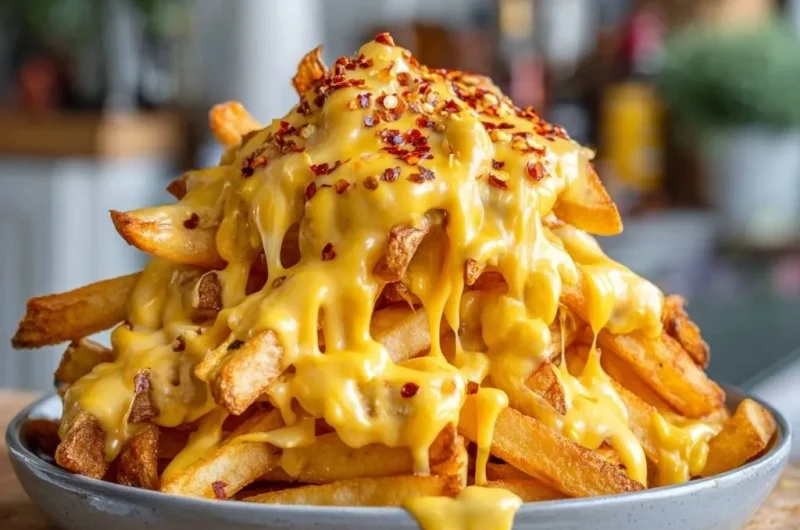
Cheese Fries
Course: AppetizerCuisine: AmericanDifficulty: medium4
servings30
minutes20
minutes450
kcal50
MinutesTired of cheese sauce turning your fries into a mushy mess? This double-fry technique creates an ultra-crisp shell that locks out moisture, keeping every bite crunchy under gooey cheese.
Ingredients
For the fries:
4 large russet potatoes, peeled and cut into 1/4-inch fries
Vegetable oil, for frying
1 tsp salt
For the cheese sauce:
2 tbsp butter
2 tbsp all-purpose flour
1 cup whole milk
2 cups shredded sharp cheddar cheese
1/2 tsp crushed red pepper flakes, plus extra for topping
Directions
- Soak the cut fries in a bowl of cold water for 20 minutes to remove excess starch (this prevents sticking and boosts crispiness). Drain, rinse, and pat completely dry with paper towels. Dry fries are key to avoiding oil splatter and sogginess.
- Heat 3 inches of vegetable oil in a large pot to 325F. Fry the potatoes in batches for 4-5 minutes until soft but not browned. Drain on paper towels and let cool for 10 minutes. This first fry cooks the inside without browning.
- Increase oil to 375F. Fry the par-cooked fries again in batches for 2-3 minutes until golden and ultra-crispy. Drain well on paper towels, sprinkle with salt, and keep warm in a 200F oven on a wire rack. The second fry creates a dry, armored crust that repels cheese sauce moisture, solving sogginess forever.
- While fries crisp, make the sauce: Melt butter in a saucepan over medium heat. Whisk in flour and cook 1 minute to form a roux. Slowly whisk in milk until smooth and thickened, 3-4 minutes. Reduce heat to low, stir in cheddar until fully melted and glossy, then mix in 1/2 tsp crushed red pepper flakes.
- Pile hot fries in a serving dish. Pour warm cheese sauce over the top and sprinkle generously with extra crushed red pepper flakes. Serve immediately for peak crunch. Enjoy fries that stay crispy!
Notes
- Dry fries are key to avoiding oil splatter and sogginess. The second fry creates a dry, armored crust that repels cheese sauce moisture.