Most homemade cabbage salads start with high hopes but end in a watery mess at the bottom of the bowl. You’ve likely experienced that disappointing moment where the vibrant crunch of the greens turns into a limp, diluted puddle within minutes of adding the dressing. It’s a common frustration that keeps many home cooks from attempting restaurant-style Asian salads at home.
The secret to a truly professional Sesame Ginger Chicken Salad isn’t just in the ingredients; it’s in the “Anti-Soggy Secret” prep method. By treating the cabbage with a quick salt-and-rinse technique, you transform the texture from brittle to resilient. This ensures your salad stays crisp and vibrant, even after it’s been tossed with the bold, umami-rich dressing.
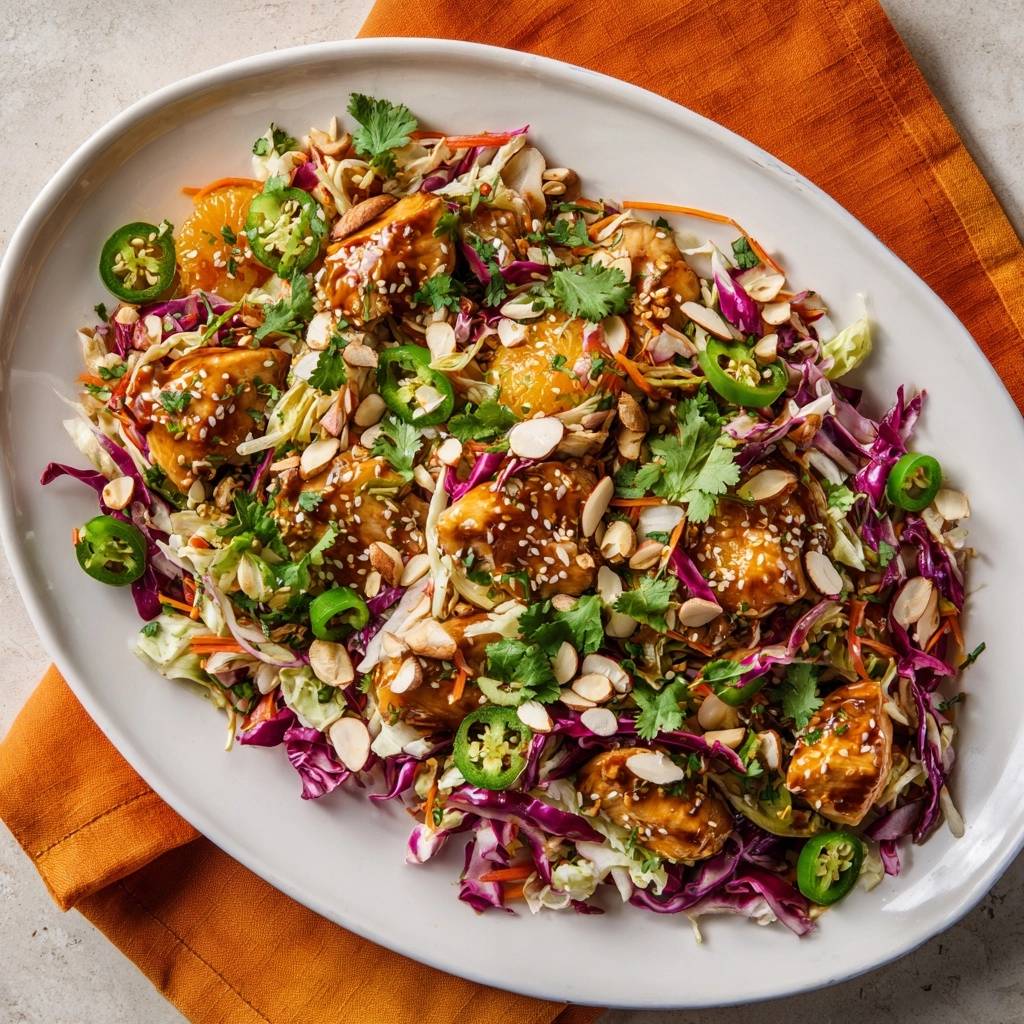
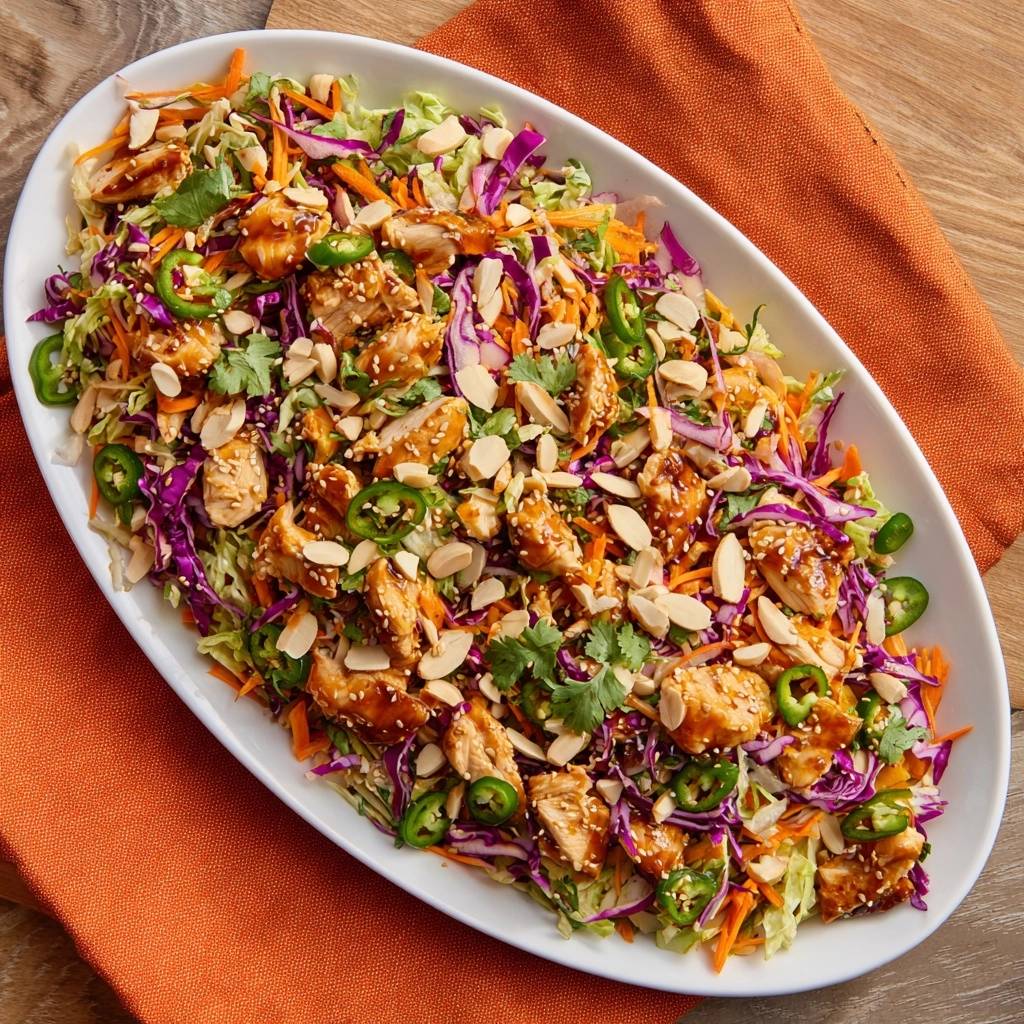
I’ve found that the real magic happens when you balance the sharp bite of fresh ginger with the mellow sweetness of mandarin oranges. The secret is using cornstarch in the chicken glaze. This creates a glossy, lacquered coating on the warm chicken that clings to the meat rather than sliding off into the greens, maintaining that perfect contrast of temperatures and textures.
The Science of Cabbage: Why Salting Prevents Sogginess
Cabbage is a powerhouse of moisture, and while that makes it juicy, it’s also the enemy of a stable salad. When you add a salt-based dressing to raw cabbage, osmosis begins immediately. The salt pulls water out of the cabbage’s cell walls, which thins your dressing and wilts the leaves.
By pre-salting the shredded green and red cabbage for about 15 minutes, you force this process to happen before the salad is even assembled. You’ll notice the cabbage becomes slightly more flexible and translucent as the excess water beads on the surface. This “pre-shrinking” step creates a much heartier base that won’t collapse under the weight of the chicken.
However, you must be diligent about the rinsing and drying phase. Once the salt has done its job, rinse the cabbage thoroughly under cold water to stop the seasoning process. Use a salad spinner or press the leaves firmly between heavy-duty paper towels. If the cabbage is even slightly damp, the sesame ginger dressing won’t adhere properly, and you’ll lose that punchy flavor.
Essential Components for the Sesame Ginger Chicken Salad
Quality ingredients are the backbone of this dish, starting with the cabbage itself. I prefer a mix of Napa cabbage for its tender, crinkly leaves and standard green cabbage for its sturdy crunch. This combination provides a complex mouthfeel that mimics high-end bistro salads.
Fresh ginger is absolutely non-negotiable here. While powdered ginger works for baking, it lacks the spicy, aromatic zing needed for a proper glaze. When you grate fresh ginger, you release the essential oils that provide that signature heat. Pair this with a high-quality toasted sesame oil for a deep, nutty finish that lingers on the palate.
For the cooking process, choose a neutral oil with a high smoke point, like avocado or grapeseed oil. These oils allow you to sear the chicken at high heat without the oil breaking down or smoking. Save the toasted sesame oil strictly for the dressing and the final glaze, as its delicate flavor can turn bitter if exposed to extreme heat for too long.
Selecting and Prepping the Protein
To get that perfect restaurant look, cut your chicken breast into uniform, bite-sized chunks. Consistency is key here because it ensures every piece sears at the same rate. If the pieces are too large, the outside will overcook before the center is safe to eat; too small, and they’ll dry out before the glaze thickens.
If you prefer a juicier, more forgiving protein, feel free to swap the breast for boneless, skinless chicken thighs. Thighs contain more fat, which helps them stay succulent even if they spend an extra minute in the pan. Regardless of the cut, pat the meat dry with a paper towel before it hits the oil to ensure a golden-brown sear.
The Crunch Factor: Almonds, Seeds, and Carrots
Texture is just as important as flavor in this salad. Toasting your sliced almonds and sesame seeds in a dry pan for 2-3 minutes is a small step that yields a massive payoff. You’ll know they’re ready when they smell fragrant and turn a pale golden brown. This process awakens the oils and keeps the nuts from tasting “stale” once they hit the moist salad.
For the carrots, aim for a fine julienne or a coarse shred. You want the carrot pieces to be roughly the same size as the shredded cabbage. This ensures that you get a bit of everything in every forkful, rather than chasing large chunks of vegetables around the plate.
Step-by-Step: Executing the Anti-Soggy Cabbage Prep
Start by tossing your shredded cabbage with half a teaspoon of salt in a large colander. Let it sit in the sink for 10 to 15 minutes. You’ll actually see the water dripping out of the bottom of the colander. This is exactly what we want to avoid happening in your serving bowl later.
After the time is up, the cabbage should look a bit wilted but still feel firm to the touch. Rinse it under cold running water for at least 30 seconds to wash away every bit of surface salt. If you skip the rinse, the final salad will be far too salty to enjoy.
The final and most important part of this step is drying. If you don’t have a salad spinner, lay the cabbage out on a clean kitchen towel, roll it up tightly, and squeeze. The drier the cabbage, the better the dressing will “grip” the leaves, resulting in a much more flavorful experience.
Creating the Glossy Sesame Ginger Glaze
The glaze is what separates a basic salad from a gourmet meal. By whisking a teaspoon of cornstarch into your soy sauce and honey mixture, you create a slurry that thickens instantly when it hits the hot pan. This creates a “lacquered” effect on the chicken that looks beautiful and tastes incredibly concentrated.
Be careful not to let the sauce reduce for too long. The honey in the mixture can burn quickly once the water evaporates. You are looking for the sauce to bubble vigorously and turn into a thick syrup that coats the back of a spoon. As soon as it reaches that glossy stage, pull the pan off the heat.
Searing and Glazing the Chicken for Maximum Flavor
To achieve a deep, savory crust on the chicken, you need to utilize the Maillard reaction. Heat your skillet until the oil is shimmering but not smoking. Add the chicken in a single layer, leaving space between the pieces. If you crowd the pan, the chicken will release steam and turn grey instead of browning.
Let the chicken sit undisturbed for at least 3 minutes. Resist the urge to move it! Once a golden crust has formed, flip the pieces and pour in half of your sauce. The liquid will hiss and bubble immediately. Toss the chicken constantly for the next two minutes so every nook and cranny is covered in that dark, ginger-spiked glaze.
For a similarly satisfying bite, explore the firm texture secrets of coconut carrot laddoos.
Once the chicken is fully coated and the sauce has thickened, move it to a plate to rest. This resting period allows the juices to redistribute inside the meat, ensuring the chicken stays tender when you bite into it alongside the crunchy cabbage.
Assembling the Salad for Visual Impact
Instead of tossing everything in a deep bowl where the heavy ingredients sink to the bottom, try the “Platter Method.” Spread your dried cabbage and carrots across a wide, shallow dish. This creates a large “landing zone” for the toppings and ensures a better distribution of flavors.
Place the warm, glazed chicken on top of the greens, then tuck the mandarin oranges and jalapeño rounds into the gaps. The bright orange of the fruit and the deep purple of the red cabbage create a stunning visual contrast. This method also prevents the delicate oranges from breaking apart during a heavy toss.
Flavor Variations and Ingredient Swaps
This recipe is incredibly versatile if you want to change the flavor profile. If you enjoy a bit of heat, swap the jalapeños for thinly sliced serrano peppers or add a teaspoon of red chili flakes to the glaze. For those who prefer a milder experience, simply remove the seeds from the jalapeños or omit them entirely.
If you have a nut allergy, toasted sunflower seeds or even crispy wonton strips provide that essential crunch without the risk. For a vegetarian version, firm pressed tofu works beautifully. Just sear the tofu cubes exactly like the chicken and toss them in the glaze until they are sticky and caramelized.
You can also play with the fruit components. While mandarin oranges are classic, fresh mango spears or pomelo segments add a sophisticated, tropical twist. If you want more earthiness, add some thinly sliced radishes or edamame for extra protein and color.
Troubleshooting Common Salad Mistakes
If your chicken ends up dry, it’s likely because it was overcooked during the glazing phase. Remember that the chicken continues to cook for a minute after you remove it from the heat. Aim to add the sauce when the chicken is just barely cooked through so the glazing process doesn’t turn it rubbery.
If the dressing tastes too salty, don’t panic. You can easily balance it by whisking in an extra teaspoon of rice vinegar or a tiny splash of water. The acidity of the vinegar cuts through the sodium and brightens the overall flavor profile. Always taste your dressing before pouring the final portion over the salad.
In the event your cabbage still feels limp, it usually means it wasn’t dried thoroughly after the rinsing step. If you’ve already assembled the salad, there isn’t much you can do to fix the texture, so make sure you prioritize that drying step next time. It truly is the most important part of the recipe.
Make-Ahead Strategies and Storage Tips
You can easily prep the components of this salad 24 hours in advance. Shred the cabbage, carrots, and cilantro, and keep them in a sealed bag with a dry paper towel to absorb any moisture. Whisk the dressing and store it in a jar in the fridge, but keep the cornstarch out until you’re ready to cook the chicken.
Store the glazed chicken in a separate airtight container. When you’re ready to eat, you can serve the chicken cold or give it a quick 30-second zap in the microwave. For the best experience, don’t combine the dressing, chicken, and cabbage until the very moment you plan to serve. Once dressed, the salad is best enjoyed within two hours.
Expert Tips for Professional Results
Use a microplane or a very fine grater for the ginger. This ensures the ginger is distributed evenly throughout the glaze and prevents anyone from biting into a large, woody chunk of root. It also helps the ginger juice incorporate more smoothly into the soy sauce.
If you want to go the extra mile, chill your salad plates in the freezer for 10 minutes before serving. This keeps the cabbage base exceptionally crisp while the warm chicken provides a delightful temperature contrast. It’s a small touch that makes the meal feel like a high-end dining experience.
Always add your toasted almonds and sesame seeds at the absolute last second. Even with the anti-soggy cabbage technique, the moisture in the salad will eventually soften the nuts. Adding them just as the plate hits the table ensures maximum crunch in every bite.
Frequently Asked Questions
Can I use store-bought coleslaw mix?
Yes, you can use a pre-shredded mix to save time. However, you should still perform the salting and rinsing step. Even store-bought cabbage contains high moisture levels that will dilute your dressing if not treated first. Just be sure the mix doesn’t already contain dressing or seasonings.
Is there a substitute for rice vinegar?
If you don’t have rice vinegar, apple cider vinegar is the best backup. It has a similar mild acidity and a hint of sweetness. Avoid using white distilled vinegar, as it is much harsher and can overpower the delicate flavors of the sesame and ginger.
How do I make this gluten-free?
To make this recipe gluten-free, simply substitute the soy sauce with tamari or coconut aminos. Both provide that deep umami flavor without the wheat. Also, double-check that your cornstarch is processed in a gluten-free facility if you have a severe sensitivity.
Can I grill the chicken instead of pan-searing?
Absolutely! Grill the chicken breasts whole until they reach an internal temperature of 165°F. While the chicken is grilling, simmer the glaze in a small saucepan until thickened. Slice the grilled chicken into strips and toss them in the thickened glaze before placing them on the salad.
How long will leftovers stay fresh?
If the salad is already dressed, it will only stay crisp for about 2 to 4 hours. If you have leftovers, the cabbage will inevitably soften. For best results, only dress the portion you plan to eat immediately and store the remaining components separately in the refrigerator for up to two days.
Sesame Ginger Chicken
Course: Main CourseCuisine: Asian FusionDifficulty: easy4
servings20
minutes10
minutes385
kcal30
MinutesA vibrant and crisp salad featuring glossy glazed chicken, shredded cabbage, carrots, mandarin oranges, and a zesty sesame ginger dressing. The key to this recipe is prepping the cabbage to ensure it stays crunchy even after dressing.
Ingredients
1 lb chicken breast, cut into large bite-sized chunks
4 cups shredded green cabbage (napa or green)
2 cups shredded red cabbage
1 cup shredded carrots
1 can (11 oz) mandarin oranges, drained
1-2 jalapeños, thinly sliced into rounds
1/2 cup sliced almonds, toasted
1/4 cup fresh cilantro, roughly chopped
2 tablespoons toasted sesame seeds
1 tablespoon neutral oil (for frying)
For the Dressing & Glaze:
1/4 cup soy sauce
2 tablespoons honey
1 tablespoon grated fresh ginger
1 tablespoon rice vinegar
2 tablespoons toasted sesame oil
1 teaspoon sriracha or chili garlic sauce (optional)
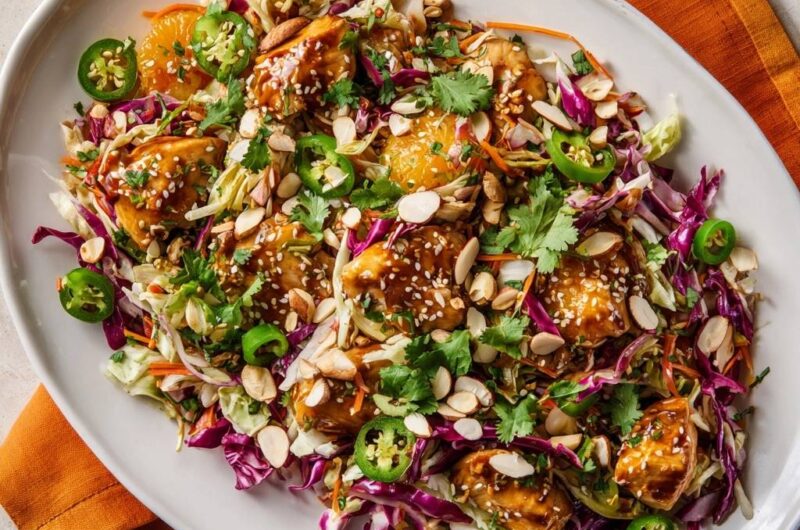
1 teaspoon cornstarch (to achieve the glossy glaze shown in the image)
Directions
- The Anti-Soggy Secret: Place the shredded green and red cabbage in a large colander and sprinkle with 1/2 teaspoon of salt. Toss well and let it sit for 10-15 minutes. This draws out the water that usually thins out the dressing. Rinse the cabbage thoroughly under cold water to remove the salt, then use a salad spinner or heavy-duty paper towels to pat it completely dry.
- Prepare the Sauce: In a small bowl, whisk together the soy sauce, honey, ginger, rice vinegar, sesame oil, and cornstarch.
- Cook the Chicken: Heat a large skillet or wok over medium-high heat with the neutral oil. Add the chicken chunks in a single layer. Sear for 3-4 minutes until golden brown on one side. The chicken is done when it reaches 165°F (74°C) in the thickest part.
- Glaze: Pour half of the prepared sauce into the skillet with the chicken. Toss constantly for 2-3 minutes as the sauce bubbles and thickens into a dark, glossy glaze that coats the chicken (as seen in the image). Remove from heat and let the chicken rest for 2 minutes.
- Assemble the Base: In a large serving bowl or platter, toss the dried cabbage, shredded carrots, and half of the cilantro.
- Plating: Arrange the glazed chicken pieces over the cabbage bed. Intersperse with mandarin oranges and fresh jalapeño slices.
- Finish: Drizzle the remaining (un-thickened) dressing over the salad. Top generously with sliced almonds, toasted sesame seeds, and the remaining cilantro. Serve immediately while the chicken is warm and the cabbage is at its peak crunch.
Notes
- The secret to the crunch is salting and rinsing the cabbage to draw out excess moisture. Use a salad spinner to ensure the cabbage is completely dry before assembly.