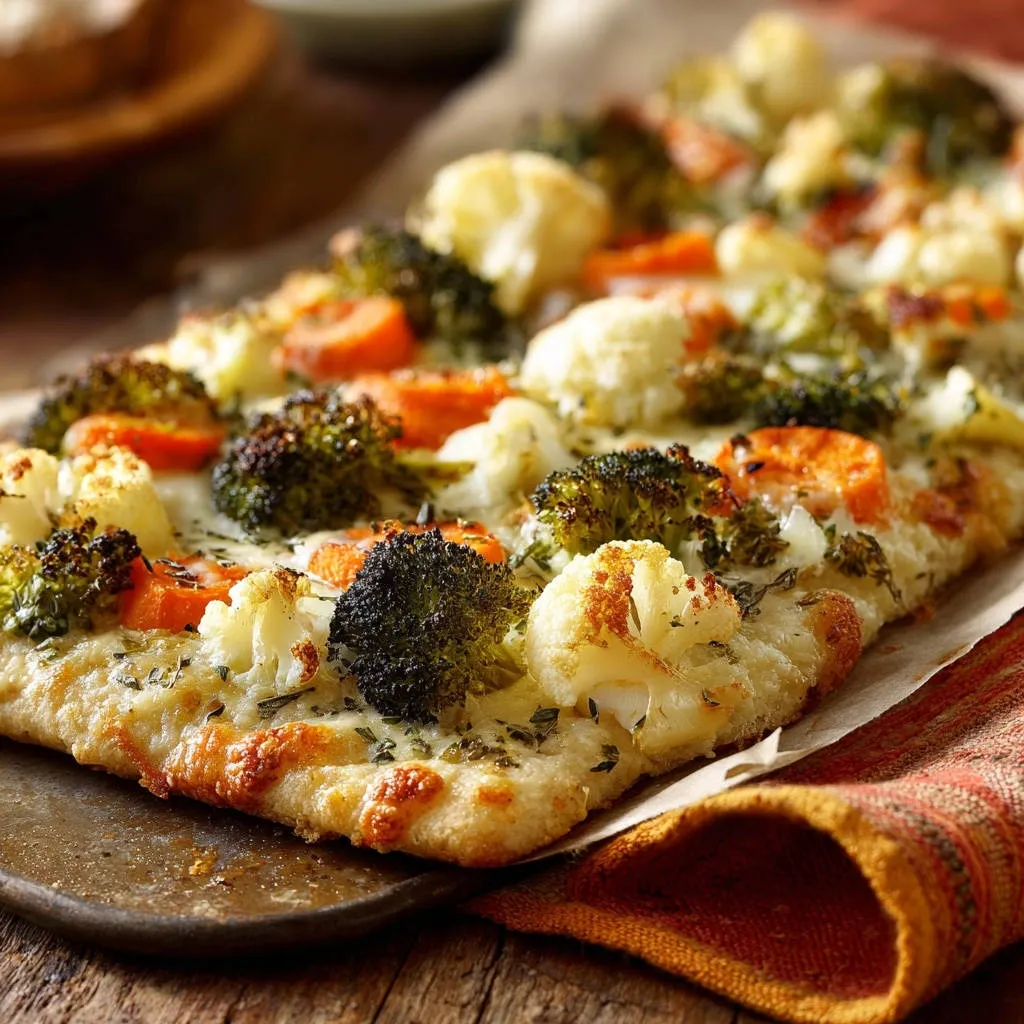
There’s nothing more frustrating than a beautifully topped flatbread with a disappointing, soggy crust underneath. I’ve been there countless times, but after much experimentation, I finally cracked the code to making an incredibly crispy Sheet Pan Veggie Flatbread.
This recipe isn’t just about delicious flavors; it’s about a simple, reliable technique that guarantees a golden, firm crust every single time. Get ready to enjoy a vibrant, vegetable-packed meal that will revolutionize your weeknight dinners and become an instant family favorite.
Unlocking the Secret: Why This Sheet Pan Veggie Flatbread Is Your New Go-To
This isn’t just another flatbread recipe; it’s a masterclass in preventing the dreaded soggy crust. My proven method ensures a perfectly crisp base, even with a generous topping of fresh, flavorful vegetables.
The “No More Soggy Crust” Promise
The secret lies in two critical steps: preheating your baking sheet and pre-roasting the vegetables. This dynamic duo creates an instant sear on the dough, preventing it from becoming saturated with moisture.
Pre-roasting also concentrates the vegetable flavors, transforming them from potential moisture bombs into sweet, tender-crisp toppings that enhance, rather than compromise, the flatbread’s texture.
Effortless Weeknight Wonder
Utilizing pre-made dough and the convenience of a single sheet pan, this recipe dramatically cuts down on prep and cleanup. It’s designed for busy evenings when you crave homemade quality without the fuss.
From start to finish, you’ll be amazed at how quickly you can bring a truly impressive and wholesome meal to the table.
Vegetable-Packed & Versatile
Bursting with broccoli, cauliflower, and carrots, this flatbread is a delicious way to boost your daily vegetable intake. It’s incredibly adaptable, allowing you to easily swap in your favorite seasonal produce.
Whether you’re catering to picky eaters or exploring new flavors, this recipe offers endless customization possibilities, making it a healthy and exciting choice for any meal.
Crowd-Pleasing Flavor Profile
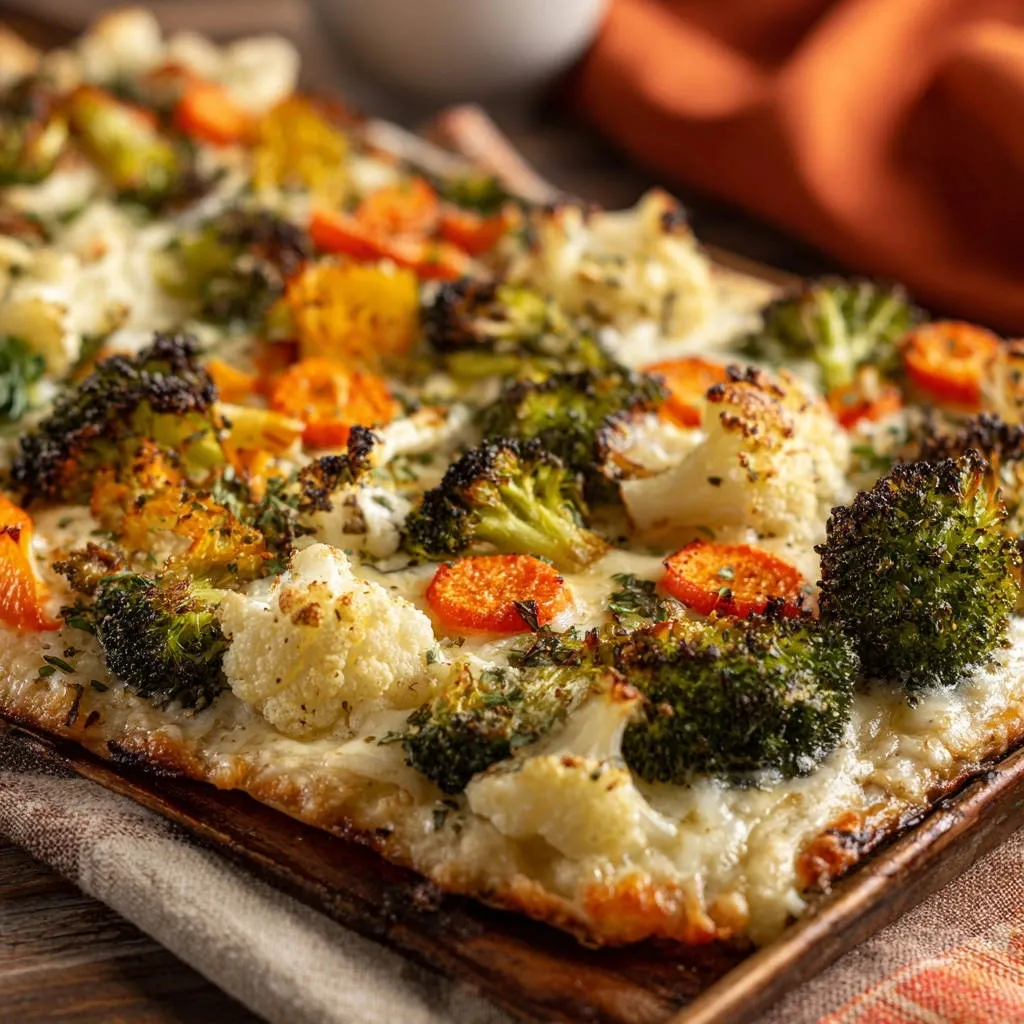
Imagine tender-crisp roasted vegetables, blanketed under a layer of gooey, melted mozzarella, all atop a golden, aromatic crust. The touch of oregano ties these harmonious flavors together beautifully.
It’s a vibrant, savory combination that appeals to a wide range of palates, making it perfect for family dinners, casual gatherings, or even a sophisticated appetizer.
If you appreciate a savory vegetable blend, consider this creamy chicken broccoli bake for your next meal.
Fresh & Flavorful: Your Sheet Pan Veggie Flatbread Shopping List
Quality ingredients are the backbone of any great dish. Here’s what you’ll need, along with tips for selection and potential variations.
The Foundation: Dough & Oil
Pre-made Pizza or Flatbread Dough: Opt for fresh dough from your grocery store’s bakery or refrigerated section. It offers excellent convenience without sacrificing quality.
Olive Oil: A good quality extra virgin olive oil not only aids in crisping the crust but also infuses the flatbread with its signature Mediterranean flavor. It’s used for both roasting and brushing.
Vibrant Veggies: The Flavor Stars
Broccoli Florets: Choose firm, dark green heads. When roasted, broccoli develops a slightly sweet and nutty flavor with wonderfully crisp edges.
Cauliflower Florets: Look for white, compact heads. Roasting cauliflower brings out its natural sweetness and gives it a tender texture with caramelized notes, similar to how we enjoy crispy roasted cauliflower.
Sliced Carrots: Thinly cut rounds are essential here. They cook quickly alongside the other vegetables, adding a subtle sweetness and vibrant color.
Customizing Your Veggies: This recipe is a fantastic canvas for other vegetables. Consider thinly sliced bell peppers, zucchini, red onion, or even mushrooms.
Remember to pre-roast any added vegetables to prevent excess moisture; heartier options might need more time, while softer ones like spinach should be added towards the end of pre-roasting.
Cheesy Goodness & Aromatic Spices
Shredded Mozzarella Cheese: Low-moisture, part-skim mozzarella is ideal as it melts beautifully without making the crust soggy. Its mild flavor allows the vegetables to shine.
For a different twist, try a blend of mozzarella and provolone, or even a sprinkle of Parmesan for a sharper note.
Dried Oregano or Italian Seasoning: These herbs provide a classic, warm, and earthy aroma that perfectly complements the roasted vegetables and cheese. Their dry form holds up well to baking.
Fresh herbs like basil or parsley can be added after baking for a burst of fresh flavor and color, or consider a pinch of garlic powder for extra depth.
Salt and Black Pepper: These pantry staples are crucial for enhancing all the other flavors. Season generously, always tasting as you go.
Your Kitchen Arsenal: Tools for Perfect Sheet Pan Veggie Flatbread
Having the right tools makes all the difference in achieving culinary success. Here’s what you’ll need for this Sheet Pan Veggie Flatbread.
Large Baking Sheets (Two): Absolutely essential! One heavy-duty sheet is preheated to create that crispy crust, while the other is used for efficiently pre-roasting your vegetables.
Medium Mixing Bowl: Perfect for tossing your vegetables with olive oil and seasonings, ensuring every piece is evenly coated before roasting.
Parchment Paper: A true kitchen hero for non-stick baking and effortless cleanup, especially when dealing with hot pans and gooey cheese. It ensures your flatbread lifts off easily.
Pastry Brush: Ideal for lightly and evenly brushing olive oil over the flatbread dough, contributing to its golden-brown finish and enhanced flavor.
Sharp Knife and Cutting Board: Essential for precise and safe preparation of your vegetables, ensuring uniform pieces for even cooking.
From Prep to Plate: Mastering Your Sheet Pan Veggie Flatbread, Step-by-Step
Follow these detailed steps to create a Sheet Pan Veggie Flatbread that’s perfectly crisp and packed with flavor.
- Preheat Oven and Baking Sheet:
Set your oven to a robust 425F (220C). Place one large, sturdy baking sheet directly into the oven as it preheats.
Chef’s Insight: This step is paramount for achieving that coveted golden, crispy crust. The hot pan provides an immediate sizzle to the dough, preventing sogginess right from the start.
- Prepare and Season Vegetables:
In a medium mixing bowl, combine the broccoli florets, cauliflower florets, and thinly sliced carrot rounds. Ensure all pieces are roughly bite-sized for even cooking.
Drizzle them with 1 tablespoon of olive oil, then sprinkle generously with a pinch of salt and black pepper. Toss well to ensure every vegetable piece is evenly coated.
- Pre-Roast Your Veggies:
Spread the seasoned vegetables in a single, uncrowded layer on a separate, unheated baking sheet.
Roast them in the preheated oven for 10-12 minutes, or until they are slightly tender-crisp and you see hints of browning at the edges. They should not be fully soft.
Critical Note: This step is essential to remove excess moisture from the vegetables. This moisture is the primary culprit behind a soggy flatbread crust, so don’t skip it!
- Prep the Dough on the Hot Sheet:
Carefully remove the now blazing hot baking sheet from the oven. If using, line it immediately with parchment paper – it will adhere to the hot surface.
Gently unroll or stretch your flatbread dough directly onto the hot baking sheet, working quickly and carefully due to the heat.
- Brush with Olive Oil:
Lightly brush the entire surface of the dough with the remaining 1 tablespoon of olive oil. This adds richness, helps with crust browning, and creates a barrier for toppings.
- Layer the Cheese:
Evenly sprinkle the shredded mozzarella (or your chosen white cheese) over the olive oil-brushed dough. Leave a small border around the edges for a natural crust.
- Add Roasted Vegetables:
Carefully distribute the pre-roasted vegetables over the cheese layer, ensuring good coverage across the flatbread. Avoid clumping them in one area.
- Season with Herbs:
Lightly sprinkle the dried oregano or Italian seasoning over the vegetables. This aromatic touch enhances the overall flavor profile.
- Final Bake:
Return the baking sheet to the oven and bake for 12-18 minutes.
The Sheet Pan Veggie Flatbread is ready when the crust is beautifully golden brown and visibly crispy, and the cheese is gloriously melted and bubbling with a few caramelized spots.
For a similar satisfying crunch, consider the quinoa-crusted chicken parmesan.
- Cool and Serve:
Remove the flatbread from the oven and let it cool on the baking sheet for a few minutes. This allows the cheese to set slightly and makes for easier slicing.
Transfer to a cutting board, slice into desired portions, and serve warm to enjoy the ultimate crispy texture and fresh, vibrant flavors.
Elevate Your Bake: Pro Tips for the Ultimate Sheet Pan Veggie Flatbread
Transform a good flatbread into an unforgettable one with these expert insights.
Don’t Skip the Pre-Heat: This is the golden rule! Preheating the baking sheet is non-negotiable for an instantly crisp bottom crust. It mimics the high heat of a pizza oven.
The Power of Pre-Roasting: Moist vegetables are the nemesis of a crispy crust. Roasting them beforehand extracts excess water and concentrates their natural sweetness, leading to superior flavor and texture.
Dough Temperature Matters: Always bring your store-bought dough to room temperature for at least 30 minutes before stretching. It becomes far more pliable and cooperative, preventing tears and allowing for an even base.
Thin and Even Is Key: Aim for a consistent dough thickness across the entire sheet pan. Uneven spots can result in burnt thin areas or undercooked thick patches.
Customize Your Seasoning: While oregano is a classic, don’t hesitate to experiment! A pinch of red pepper flakes adds a subtle kick, or a dusting of garlic powder can deepen the savory notes.
A Final Touch of Freshness: After baking, a light drizzle of balsamic glaze or a sprinkle of fresh, chopped parsley or basil can add a bright, aromatic finish and elevate the presentation.
Complementary Bites
Round out your meal with these vegetable-forward dishes.
- For a similar celebration of vegetables in a creamy sauce, try the Cheesy Broccoli Cauliflower Carrot Bake.
- If you enjoyed the veggie focus, you might also like the Cheesy Broccoli Cauliflower Bake for its satisfying texture.
Serving Up Perfection: Delicious Ways to Enjoy Your Flatbread
This Sheet Pan Veggie Flatbread is incredibly versatile, perfect for any occasion.
As a Satisfying Main Dish
This vegetable-packed flatbread is substantial enough to be the star of your meal. Its balanced flavors and textures make it a light yet fulfilling dinner option.
For a complete and fresh meal, serve it alongside a simple green salad dressed with a bright lemon vinaigrette.
The Perfect Appetizer or Snack
Cut into smaller, bite-sized squares or strips, this flatbread transforms into an ideal appetizer for casual gatherings or a delightful afternoon snack. Its vibrant colors are always a hit.
Consider offering a side of warm marinara dipping sauce, a dollop of creamy pesto, or even a zesty garlic aioli for an extra flavor boost.
Brunch Time Brilliance
Brighten up your brunch spread with this savory addition. It offers a wonderful contrast to sweeter breakfast items like pastries or fruit, providing a wholesome and satisfying option that everyone will enjoy.
Plan Ahead: Storing and Prepping Your Sheet Pan Veggie Flatbread
Maximize convenience and minimize waste with these smart storage and make-ahead tips.
Storing Leftovers for Best Flavor
Ensure any leftover Sheet Pan Veggie Flatbread cools completely to room temperature before storing. This prevents condensation which can lead to sogginess.
Wrap it tightly in plastic wrap or aluminum foil, or place it in an airtight container. It will keep beautifully in the refrigerator for up to 2-3 days.
For reheating, a toaster oven or conventional oven at 350F (175C) for 5-10 minutes is best to restore its crispness. Avoid the microwave if you want to maintain that desirable crunchy crust.
Smart Make-Ahead Strategies
While the flatbread is truly best enjoyed fresh from the oven, you can certainly get a head start. Pre-roast your vegetables a day or two in advance, cool them completely, and store in an airtight container in the refrigerator.
You can also assemble the entire flatbread (steps 1-8) a few hours before baking. Cover it loosely with plastic wrap and refrigerate until you’re ready to pop it into the hot oven. This is an excellent trick for entertaining!
Problem Solved: Common Sheet Pan Veggie Flatbread Hiccups and How to Fix Them
Even seasoned home cooks encounter challenges. Here are solutions to common flatbread issues.
The Dough Is Hard to Stretch/Tears Easily
Solution: The culprit is usually cold dough. Always ensure your pre-made dough has had ample time to come to room temperature, typically 30-60 minutes, before you begin stretching it. This makes it pliable and prevents it from fighting back or tearing.
My Vegetables Are Still Too Crunchy
Solution: This indicates the initial pre-roasting step needed more attention. Next time, extend the pre-roasting time by an additional 3-5 minutes, or consider cutting your vegetables into slightly smaller, more uniform pieces to promote quicker and more even cooking.
The Cheese Isn’t Fully Melted or Is Burnt
Solution: If the cheese isn’t melting properly, your oven might be running cooler than expected, or the flatbread simply needs a few more minutes. If it’s burning, it could be positioned too high in the oven; try moving it to a lower rack for the last few minutes, or loosely tent it with foil if the crust is already golden.
Crust Isn’t Golden or Crispy (Despite Hot Pan)
Solution: First, verify your oven temperature with an oven thermometer, as many ovens have inaccuracies. Ensure you’re using a heavy-duty metal baking sheet, which conducts heat more effectively than flimsy ones. You might also need to extend the final baking time by a minute or two.
Your Burning Questions Answered: Sheet Pan Veggie Flatbread FAQs
Here are quick answers to some frequently asked questions about this versatile dish.
Can I use different vegetables for this recipe?
Absolutely! This recipe is incredibly adaptable to whatever vegetables you have on hand or prefer. Quick-cooking options like thinly sliced bell peppers, zucchini, red onion, or even asparagus spears work wonderfully.
If adding leafy greens like spinach, toss them in during the last 5 minutes of the pre-roasting step to prevent them from becoming too soggy or overcooked.
Is it possible to make this flatbread gluten-free?
Yes, making this flatbread gluten-free is very straightforward. Simply substitute the standard pizza dough with a pre-made gluten-free pizza or flatbread dough. The critical techniques of pre-roasting the vegetables and using a hot baking sheet remain just as effective for achieving a delicious, crispy gluten-free crust.
What if I don’t have a second baking sheet for pre-roasting?
While two baking sheets are ideal for maximizing efficiency, you can still achieve excellent results with just one. Pre-roast your vegetables as directed, then remove them from the sheet. Place the now empty sheet back into the oven to get hot before proceeding with adding the dough. This adds a little extra time but ensures the same great crispy crust.
Can I add protein to my Sheet Pan Veggie Flatbread?
Yes, absolutely! Cooked proteins like pre-cooked shredded chicken, crumbled crispy bacon, or plant-based alternatives such as roasted chickpeas (added with the other vegetables) can be incorporated. Just ensure any protein is fully cooked and drained of excess moisture before adding it to the flatbread with the roasted vegetables.
Ready to Bake? Your Perfect Sheet Pan Veggie Flatbread Awaits!
Armed with these simple yet powerful techniques, you’re now ready to banish soggy flatbread crusts forever and create a show-stopping Sheet Pan Veggie Flatbread that’s crispy, flavorful, and incredibly satisfying.
Don’t let the fear of a limp crust hold you back any longer. Dive into this recipe, enjoy the process, and delight in the truly delicious results. We’d love to hear about your flatbread creations in the comments below!
For more innovative sheet pan recipes and culinary inspiration that simplifies your kitchen life, explore our collection of easy weeknight dinners here.
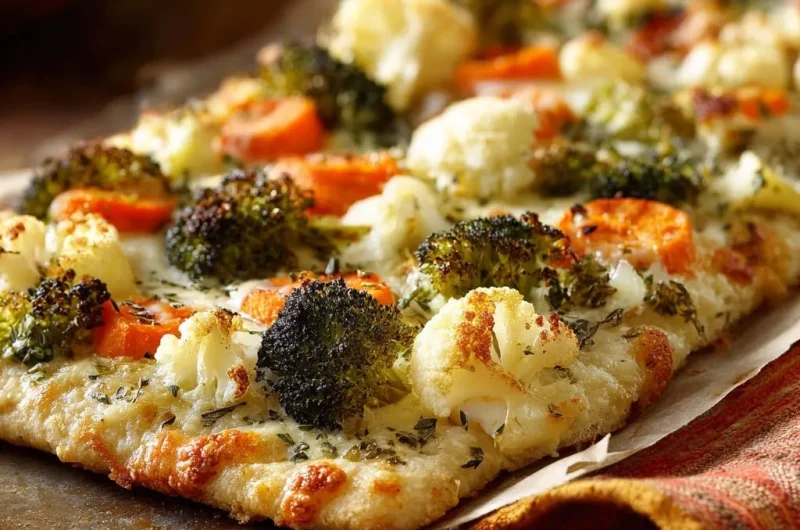
Veggie Flatbread
Course: Main CourseCuisine: AmericanDifficulty: easy4
servings15
minutes25
minutes380
kcal40
minutesSay goodbye to soggy flatbreads! This recipe guarantees a golden, crisp crust every time, even with a mountain of fresh vegetables. A simple trick makes all the difference for this easy sheet pan meal.
Ingredients
1 pound pre-made pizza dough or flatbread dough
1 cup broccoli florets, bite-sized
1 cup cauliflower florets, bite-sized
1/2 cup sliced carrots, thinly cut rounds
1 cup shredded mozzarella cheese (or similar white cheese)
2 tablespoons olive oil, divided
1/2 teaspoon dried oregano or Italian seasoning
Salt to taste
Black pepper to taste
Directions
- Preheat your oven to 425F (220C). Place a large baking sheet into the oven to preheat while you prepare the vegetables. This step is key for a crispy crust!
- In a medium bowl, toss the broccoli florets, cauliflower florets, and carrot slices with 1 tablespoon of olive oil, a pinch of salt, and pepper.
- Spread the seasoned vegetables in a single layer on a separate baking sheet. Roast them in the preheated oven for 10-12 minutes, or until they are slightly tender and just starting to brown at the edges. This crucial step removes excess moisture that can lead to a soggy crust.
- Carefully remove the hot baking sheet from the oven. If using parchment paper, line the hot sheet with it now. Carefully unroll or stretch your flatbread dough directly onto the hot baking sheet.
- Brush the dough lightly with the remaining 1 tablespoon of olive oil.
- Sprinkle an even layer of shredded cheese over the dough.
- Evenly distribute the pre-roasted vegetables over the cheese.
- Sprinkle with dried oregano or Italian seasoning.
- Bake for 12-18 minutes, or until the crust is golden brown and crispy, and the cheese is melted and bubbly.
- Remove from the oven, let it cool for a few minutes before slicing, and serve warm.
Notes
- Preheating the baking sheet and pre-roasting vegetables are crucial for a perfectly crispy crust.