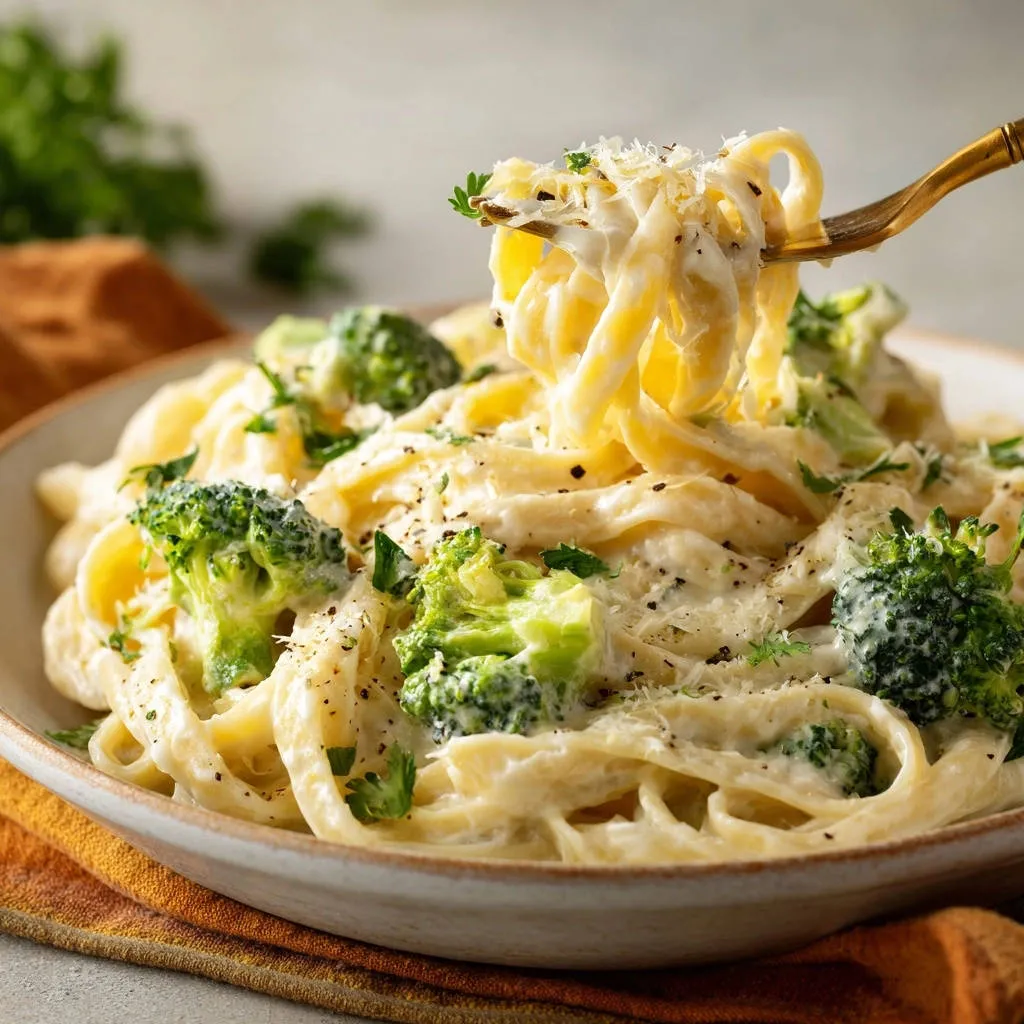
There’s nothing more frustrating than a delicious creamy pasta dish that ends up with a thin, watery sauce. I used to face that challenge with my Creamy Broccoli Pasta, until I perfected a method for a truly luscious, clinging sauce that coats every noodle.
This recipe isn’t just about combining ingredients; it’s about mastering the technique to achieve an unforgettable silky texture, making it your go-to for weeknight comfort.
For another take on a rich pasta sauce, check out this creamy sun-dried tomato and spinach penne.
Why This Creamy Broccoli Pasta Will Be Your New Favorite
The End of Thin, Watery Sauces
Many creamy pasta recipes struggle with a sauce that separates or becomes watery. Our method, particularly the strategic use of pasta water, guarantees a stable, rich sauce every time.
For a similar creamy texture, see how to achieve creamy tomato skillet gnocchi.
You’ll never again have to deal with a pool of liquid at the bottom of your plate.
That Unforgettable Silky, Clinging Texture
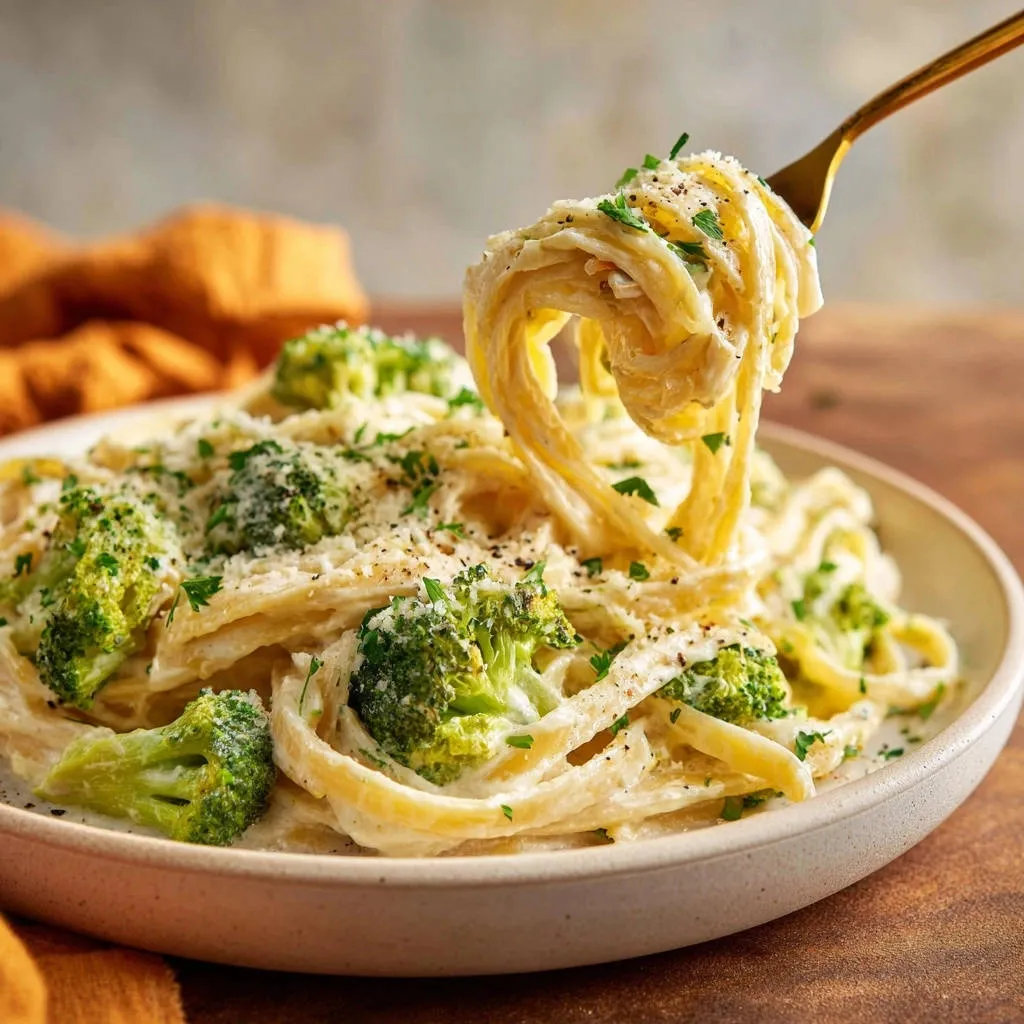
The hallmark of a great creamy pasta is a sauce that lovingly clings to each strand. This Creamy Broccoli Pasta achieves just that, thanks to careful emulsification.
Every bite delivers a smooth, luxurious mouthfeel, ensuring full flavor with every forkful.
Quick Comfort for Busy Weeknights
Despite its gourmet taste, this broccoli pasta dish comes together quickly, making it perfect for busy evenings.
Minimal fuss and maximum flavor mean less time in the kitchen and more time enjoying a satisfying meal.
Simple Ingredients, Maximum Flavor
You don’t need exotic ingredients to create something spectacular. This recipe relies on kitchen staples to build a profound and comforting flavor profile.
Quality butter, fresh garlic, rich cream, and savory Parmesan combine for an extraordinary taste experience.
The Building Blocks: Essential Ingredients for Creamy Broccoli Pasta
The Full Lineup: What You’ll Need
- 1 pound fettuccine or similar pasta
- 3 cups broccoli florets (fresh or frozen)
- 4 tablespoons unsalted butter
- 2 cloves garlic, minced
- 1.5 cups heavy cream
- 1 cup grated Parmesan cheese, plus more for serving
- 1/2 teaspoon black pepper, plus more for serving
- Salt to taste
- 1/4 cup fresh parsley, chopped, for garnish
- 1/2 cup pasta water (reserved)
Starring the Pasta: Noodle Choices Explained
Fettuccine, with its broad, flat surface, is excellent for catching and holding onto creamy sauces. It provides a satisfying texture that complements the broccoli perfectly.
Linguine, spaghetti, or even bucatini are fantastic alternatives if you prefer a different shape. Short pastas like penne or rigatoni also work, but may not cling as well.
The Verdant Star: Fresh vs. Frozen Broccoli
Fresh broccoli florets offer a crisp-tender bite and vibrant green color, enhancing the dish’s visual appeal. Choose florets that are tightly packed and dark green.
Frozen broccoli is a convenient and equally delicious option, requiring no prior prep. Just ensure it’s not overcooked to maintain its texture.
Dairy Delights: Cream and Cheese for Richness
Heavy cream is non-negotiable for this Creamy Broccoli Pasta, providing essential richness and body to the sauce. Its high-fat content ensures a stable emulsion.
Use freshly grated Parmesan cheese for superior flavor and meltability. Pre-shredded varieties often contain anti-caking agents that can hinder a smooth sauce.
Aromatic Anchors: Garlic and Seasoning
Freshly minced garlic forms the aromatic base of this sauce, infusing it with a warm, savory depth. Avoid pre-minced garlic for the best flavor.
Salt and black pepper are crucial for seasoning, balancing the richness. Always taste and adjust to your preference, remembering Parmesan also contributes saltiness.
The Secret Weapon: Reserved Pasta Water
The starchy water left after cooking pasta is your secret ingredient for a perfectly emulsified sauce. It’s rich in starches that help thicken and bind the cream.
This reserved liquid prevents the sauce from separating and creates that coveted silky texture, ensuring it clings beautifully to every strand of pasta.
Essential Kitchen Gear for Your Pasta Masterpiece
Pots and Pans for Perfect Prep
Large Pot for Pasta: Essential for ample space for pasta to cook evenly, preventing sticking. Choose one that can hold at least 6-8 quarts.
Large Skillet or Pot for Sauce: A wide, deep skillet or Dutch oven is ideal. It provides enough surface area to build the sauce and toss the pasta without crowding.
Stirring, Draining, and Serving Utensils
Colander: A sturdy colander is crucial for efficiently draining the pasta and broccoli. Ensure it’s large enough to handle a full pound of pasta.
Whisk or Spoon: A whisk is perfect for smoothly blending the sauce ingredients, while a sturdy spoon works well for stirring and tasting.
Tongs: Long kitchen tongs are indispensable for tossing the cooked pasta and broccoli evenly with the sauce. They ensure every piece is coated beautifully.
Crafting Your Creamy Broccoli Pasta: Step-by-Step Guide
Step 1: Prep Your Pasta and Broccoli
Bring a large pot of salted water to a rolling boil. Add the fettuccine and cook according to package directions until al dente, usually around 8-10 minutes.
Approximately 3 minutes before the pasta is done (check package instructions), add the broccoli florets directly to the boiling water with the pasta. This ensures the broccoli is tender-crisp and retains its vibrant color, avoiding mushiness.
Step 2: The Crucial Pasta Water Reserve
Before draining, carefully scoop out and reserve about 1.5 cups of the starchy pasta water. This water is vital for achieving the sauce’s silky texture and preventing separation.
Drain the pasta and broccoli well in a colander and set aside. Shake well to remove excess moisture, as too much water can dilute your sauce.
Step 3: Building the Aromatic Base
In a large skillet or pot, melt the 4 tablespoons of unsalted butter over medium heat until it shimmers. This provides a rich foundation for your sauce.
Add the 2 cloves of minced garlic and cook for about 1 minute, stirring constantly, until it becomes wonderfully fragrant. Be extremely careful not to burn the garlic; it should be light golden, not brown, to avoid a bitter taste.
Step 4: Simmering for Sauce Perfection
Pour in the 1.5 cups of heavy cream and bring it to a gentle simmer. Allow it to cook for 2-3 minutes, stirring occasionally, until it visibly thickens slightly and coats the back of a spoon.
This initial reduction concentrates the cream’s flavor and ensures a richer, more robust sauce base for your Creamy Broccoli Pasta.
Step 5: The Emulsification Magic (Don’t Skip!)
Reduce the heat to very low, almost off. This is the key step for a perfectly clinging, non-watery sauce that defines this recipe.
Add 1/2 cup of the reserved pasta water to the cream sauce, stirring constantly and vigorously with a whisk or spoon. The starch from the pasta water will help emulsify the sauce, creating that desired silky, smooth texture that won’t separate, binding it beautifully.
Step 6: Uniting Pasta and Sauce
Add the cooked pasta and broccoli directly into the skillet with the prepared cream sauce. Work quickly so the pasta doesn’t cool down too much.
Toss gently using tongs or a large spoon to ensure everything is evenly coated in the luscious sauce. This allows the pasta to absorb some of the sauce’s flavor.
Step 7: The Cheesy Finish
Stir in 1 cup of freshly grated Parmesan cheese and the 1/2 teaspoon of black pepper. The cheese adds a vital layer of salty, umami flavor.
Continue tossing and stirring until the cheese is fully melted and the sauce thickly coats every strand of pasta. If the sauce seems too thick, add a tablespoon or two more of the reserved pasta water until it reaches your desired consistency, stirring well after each addition.
Step 8: Final Touches and Seasoning
Taste the Creamy Broccoli Pasta and adjust seasoning with additional salt and black pepper if needed. Remember, the pasta water was salted, and Parmesan is salty, so always taste before adding more.
You may find it needs very little extra salt.
Step 9: Garnish and Serve
Serve immediately while hot, as the sauce is best at this temperature. Garnish generously with fresh chopped parsley for a burst of vibrant color and fresh herbaceousness.
A final sprinkle of extra grated Parmesan cheese is also highly recommended for a finishing touch of savory depth.
Chef’s Secrets: Elevating Your Creamy Broccoli Pasta
Don’t Overcook the Broccoli: Add it in the last few minutes of pasta cooking to ensure it’s tender-crisp, not mushy, maintaining its vibrant color and texture. Overcooked broccoli becomes limp and loses flavor.
Toast Your Garlic, Don’t Burn It: Cook garlic gently and briefly until fragrant, about one minute. Burnt garlic will make your entire sauce bitter and unappetizing, so watch it closely.
Embrace the Starchy Pasta Water: This is the ultimate secret weapon for a truly emulsified, non-separated sauce. Its starch acts as a natural binder, giving your Creamy Broccoli Pasta its signature silkiness.
Grate Your Own Parmesan: Freshly grated Parmesan melts smoother and tastes infinitely better than pre-shredded varieties. Pre-shredded often contain cellulose, which can make your sauce gritty.
Adjust Consistency with Reserved Water: Don’t be shy about adding more pasta water a tablespoon at a time if your sauce is too thick. It’s your control for achieving the perfect, pourable yet clinging consistency.
Finish with Fresh Herbs: Fresh parsley adds a beautiful pop of freshness and brightens the richness of the dish. Other herbs like chives or basil, added at the very end, can also offer delightful variations.
Beyond the Bowl: Perfect Pairings for Your Creamy Broccoli Pasta
Complementary Sides and Starters
A simple green salad with a light vinaigrette dressing provides a refreshing contrast to the richness of this Creamy Broccoli Pasta. Its acidity cuts through the creaminess beautifully.
Complementary Dishes
Round out your creamy broccoli pasta meal with these satisfying options.
- For something hearty and flavorful, consider these crispy pan-seared meatballs in zesty marinara, offering a great contrast to the creamy pasta.
- If you enjoy a well-sauced dish, our skillet meatballs in rich tomato sauce provide a different take on a comforting meatball preparation.
Crusty garlic bread or warm focaccia is perfect for soaking up every last drop of the luxurious sauce, ensuring no flavor goes to waste.
Grape juice and Beverage Recommendations
For a refreshing option, a crisp, unoaked white grape juice like sparkling grape juice, or even a light sparkling grape juice complements the dish without overpowering it. Their acidity brightens the palate.
Non-alcoholic options include sparkling water with a twist of lemon, providing a refreshing effervescence, or a light, unsweetened iced tea to cleanse the palate.
Plan Ahead: Storing and Reheating Your Leftovers
Proper Storage for Freshness
Store any leftover Creamy Broccoli Pasta in an airtight container in the refrigerator for up to 3-4 days. Ensure it’s cooled completely before sealing to prevent condensation.
Proper storage maintains flavor and inhibits bacterial growth, keeping your dish safe and delicious for longer.
Reheating Without Losing Creaminess
To reheat, gently warm the pasta in a skillet over low heat. Add a splash of milk, cream, or even a little water (or reserved pasta water if you still have some) to rehydrate the sauce.
Stir frequently until heated through, allowing the sauce to return to its creamy consistency. Avoid high heat, which can cause the sauce to separate.
Can You Make It Ahead?
While best served fresh, you can prep components like mincing garlic and chopping broccoli ahead of time, storing them separately. This saves significant time on cooking day.
As for making the entire dish in advance, it can be done a day ahead, but be prepared to add liquid during reheating to restore the sauce’s ideal texture and creaminess.
Solving Common Creamy Broccoli Pasta Quandaries
“My Sauce is Too Thin!”
This usually means you might not have simmered the cream long enough to reduce, or you didn’t incorporate enough starchy pasta water. Return the skillet to low heat and gently simmer for a few more minutes, stirring, to encourage thickening.
Alternatively, add another tablespoon or two of reserved pasta water, whisking vigorously, to leverage its emulsifying properties.
“My Sauce Separated!”
Sauce separation often occurs if the heat is too high when adding the cheese, or if the cream overheats and “breaks.” The pasta water emulsification step is designed to prevent this instability.
If it does happen, try removing it from the heat and vigorously whisking in a tablespoon of very hot reserved pasta water or milk to try and bring it back together.
“Broccoli is Mushy!”
You likely added the broccoli too early to the boiling pasta water, or it cooked for too long. Ensure you add it only for the last 2-3 minutes of the pasta’s cooking time for a perfect al dente bite and vibrant green color.
Timing is key to tender-crisp broccoli that adds delightful texture.
“Pasta is Sticky!”
This could be due to not using enough water in the pot (pasta needs space to move), not salting the water sufficiently (salt helps prevent stickiness), or not tossing the pasta quickly enough with the sauce after draining.
Always cook pasta in abundant, well-salted water and immediately incorporate it into the sauce.
Your Top Questions About Creamy Broccoli Pasta Answered
Can I use different types of pasta?
Absolutely! While fettuccine is a classic choice for its ability to hold creamy sauces, this recipe works beautifully with other long pasta shapes like linguine, spaghetti, or bucatini.
Short pastas such as penne or rigatoni can also be used, though they might not cling to the sauce in quite the same elegant way.
What if I don’t have heavy cream?
For the best, most stable, and richest results, heavy cream is highly recommended. Its fat content is crucial for a non-separating sauce.
You can try a mix of half-and-half with a tablespoon of cornstarch (slurried in cold water) for a similar thickening effect, but the texture and depth of flavor won’t be as luxurious or stable as with heavy cream.
Can I add other vegetables?
Yes, this Creamy Broccoli Pasta recipe is wonderfully versatile for additions! Sautéed mushrooms, fresh spinach (added at the very end to wilt), or peas (added with the broccoli during the last minutes of pasta cooking) would all be delicious.
Consider the cooking time of any added vegetables to ensure they are perfectly tender-crisp, not overcooked.
Is this recipe freezer-friendly?
Unfortunately, cream-based pasta sauces generally do not freeze and thaw well. The dairy components tend to separate and become grainy or watery upon reheating, significantly impacting the sauce’s texture.
It’s always best to enjoy this Creamy Broccoli Pasta fresh, or stored in the refrigerator for a few days for optimal quality.
Ready to Create Your Own Silky Creamy Broccoli Pasta?
Armed with these expert tips and a foolproof method, you’re now ready to conquer the art of Creamy Broccoli Pasta. Say goodbye to thin, watery sauces and hello to a dish that’s consistently rich, lusciously creamy, and perfectly clinging to every bite.
We encourage you to try this recipe tonight and experience the magic yourself. Don’t forget to share your creations and any personal twists in the comments below – we’d love to hear from you and see your beautiful pasta creations!
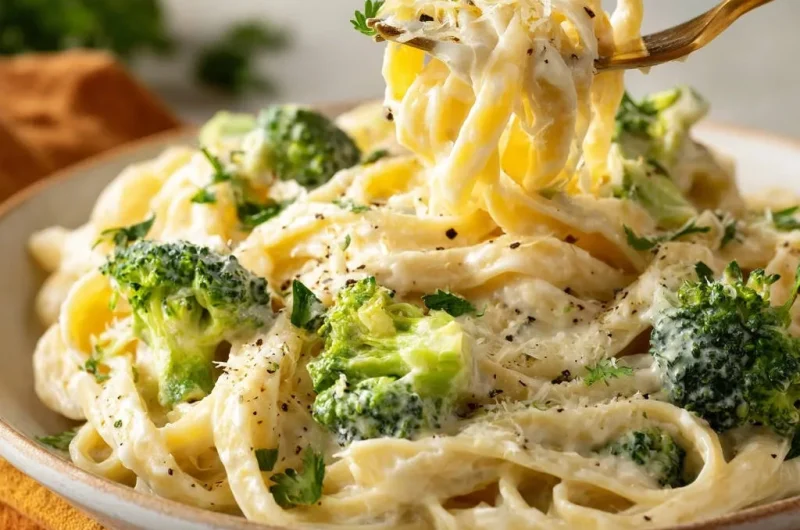
Broccoli Pasta
Course: Main CourseCuisine: Italian-AmericanDifficulty: easy4
servings15
minutes20
minutes750
kcal35
minutesMaster the art of perfectly creamy pasta with this foolproof recipe for Creamy Broccoli Pasta. Say goodbye to thin or separated sauces and enjoy a rich, luscious dish that coats every noodle. Simple to make, incredibly satisfying, and always a crowd-pleaser.
Ingredients
1 pound fettuccine or similar pasta
3 cups broccoli florets (fresh or frozen)
4 tablespoons unsalted butter
2 cloves garlic, minced
1.5 cups heavy cream
1 cup grated Parmesan cheese, plus more for serving
1/2 teaspoon black pepper, plus more for serving
Salt to taste
1/4 cup fresh parsley, chopped, for garnish
1/2 cup pasta water (reserved)
Directions
- Bring a large pot of salted water to a boil. Add the fettuccine and cook according to package directions until al dente. About 3 minutes before the pasta is done, add the broccoli florets to the boiling water with the pasta.
- Before draining, reserve about 1.5 cups of the starchy pasta water. Drain the pasta and broccoli well and set aside.
- In a large skillet or pot, melt the butter over medium heat. Add the minced garlic and cook for about 1 minute until fragrant, being careful not to burn it.
- Pour in the heavy cream and bring it to a gentle simmer. Let it cook for 2-3 minutes, stirring occasionally, until it thickens slightly.
- Here’s the key to a perfectly clinging, non-watery sauce: Reduce the heat to low, almost off. Add 1/2 cup of the reserved pasta water to the cream sauce, stirring constantly. The starch from the pasta water will help emulsify the sauce and create a silky, smooth texture that won’t separate.
- Add the cooked pasta and broccoli to the skillet with the sauce. Toss gently to coat everything evenly.
- Stir in 1 cup of grated Parmesan cheese and the black pepper. Continue tossing and stirring until the cheese is fully melted and the sauce thickly coats the pasta. If the sauce seems too thick, add a tablespoon or two more of the reserved pasta water until it reaches your desired consistency.
- Taste and adjust seasoning with salt and more black pepper if needed.
- Serve immediately, garnished with fresh chopped parsley and extra grated Parmesan cheese.
Notes
- The reserved pasta water is key for a perfectly emulsified, clinging sauce that won’t separate.