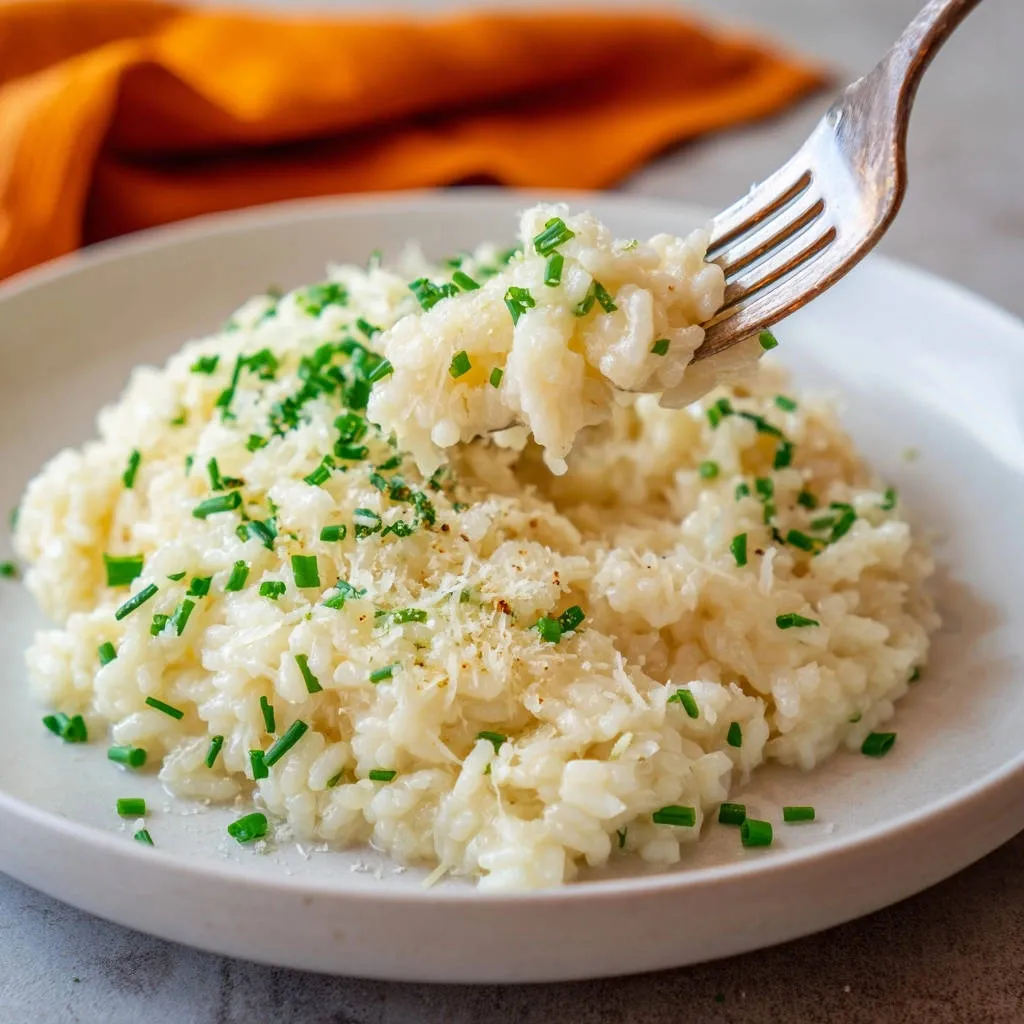
For years, I chased that elusive, perfectly Creamy Parmesan Risotto, often ending up with a sticky, dense mess that missed the mark. But a simple tweak in my technique transformed everything, leading to a consistently silky, tender, and never-gummy dish that’s become a true weeknight luxury. This recipe guarantees that restaurant-quality experience, bringing comforting perfection right into your own kitchen.
Why This Creamy Parmesan Risotto Will Be Your New Favorite
Many home cooks struggle with achieving that signature creamy texture without the risotto becoming gummy. This recipe specifically tackles that common challenge head-on, delivering a consistently smooth and luscious result every time.
Our method focuses on key techniques that ensure the rice grains cook perfectly, remaining tender yet firm. You’ll savor a dish that’s rich in flavor, beautifully textured, and an absolute joy to eat.
The “Never Gummy” Secret Revealed
The core secret to preventing gumminess in this Creamy Parmesan Risotto lies in the careful toasting of the Arborio rice. This vital step creates a protective barrier around each grain.
It allows the starch to release slowly and evenly during cooking, resulting in that coveted silky texture without any stickiness. It’s a simple yet powerful technique that guarantees success.
Beyond Basic: What Makes This Risotto Truly Special
Beyond the perfect texture, this Creamy Parmesan Risotto shines through its layered flavors. We build a robust aromatic foundation before gradually infusing the rice with warm broth.
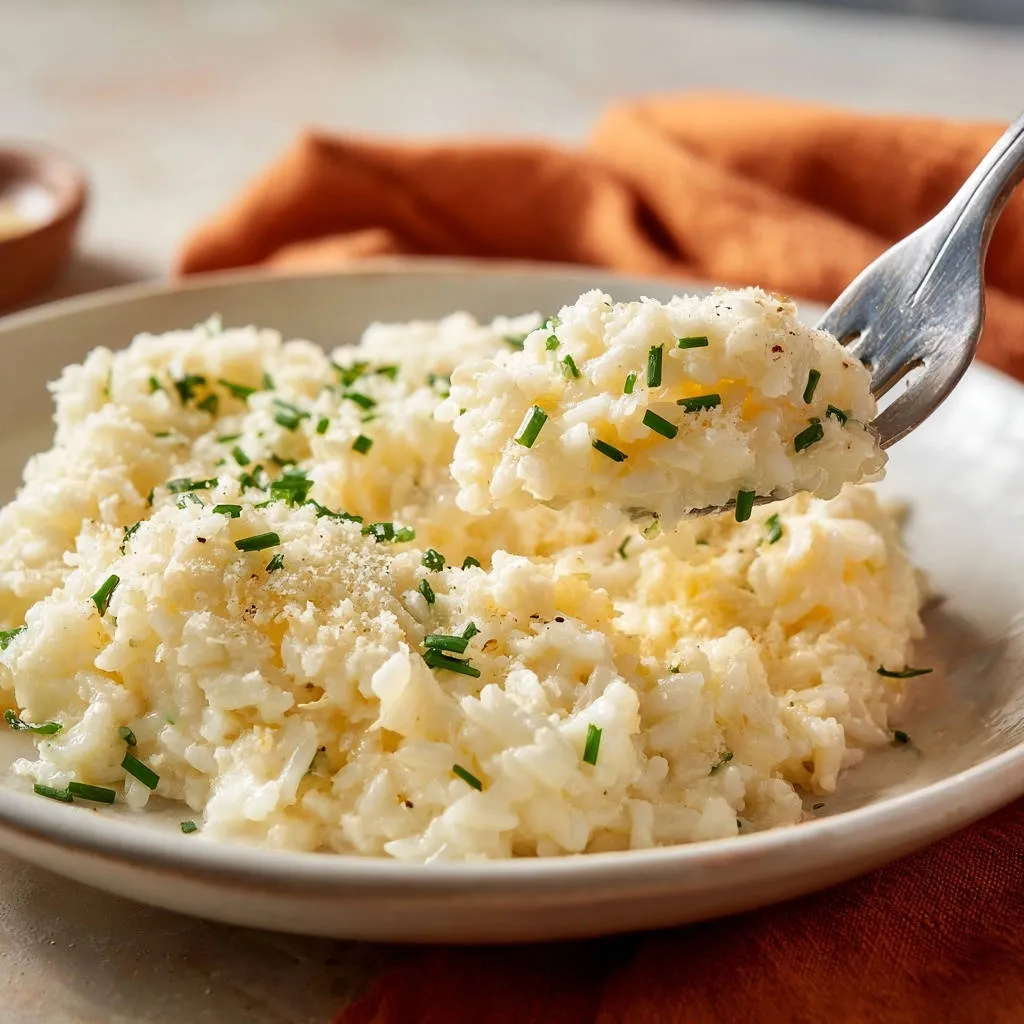
The final “mantecatura” – the finishing stir with butter and freshly grated Parmesan – elevates the dish to luxurious heights. This blend of technique and quality ingredients creates an unforgettable experience.
The Essential Building Blocks for Your Perfect Creamy Risotto
Creating an exceptional Creamy Parmesan Risotto begins with selecting the right ingredients. Each component plays a crucial role in developing its signature flavor and texture.
The Heart of Risotto: Arborio Rice
Arborio rice is non-negotiable for this Creamy Parmesan Risotto. Its high amylopectin starch content is what gives the risotto its characteristic creaminess as it slowly releases during stirring.
Aromatic Foundations: Onion, Garlic, and Olive Oil
A finely diced yellow onion, fresh minced garlic, and good quality olive oil create the essential flavor base. These aromatics are gently sautéed to become sweet and fragrant, forming the backbone of the dish.
Liquid Gold: Broth and Non-Alcoholic Options
Warm vegetable broth is crucial for consistent cooking and flavor absorption. The addition of white grape juice or a non-alcoholic white cooking liquid adds a subtle acidity and complexity that brightens the overall taste.
The Finishing Flourish: Butter, Parmesan, and Chives
Unsalted butter and freshly grated Parmesan cheese are essential for the final, creamy finish of your Creamy Parmesan Risotto. Freshly grated Parmesan melts more smoothly and offers a superior, nutty flavor compared to pre-shredded varieties.
Fresh chopped chives provide a delicate oniony freshness and a vibrant color contrast, serving as the perfect garnish.
Essential Tools for Your Risotto Journey
Heavy-Bottomed Pot or Dutch Oven: Essential for even heat distribution, preventing sticking, and consistent cooking of your Creamy Parmesan Risotto.
Wooden Spoon: Ideal for constant stirring without breaking the delicate rice grains.
Ladle: For precise, measured additions of warm broth.
Small Saucepan: To keep your broth warm, a crucial step for a consistently creamy risotto.
Grater: For freshly grated Parmesan, which melts beautifully and adds superior flavor.
Crafting Your Creamy Parmesan Risotto: A Step-by-Step Guide
Sauté Aromatics: In your heavy-bottomed pot, heat olive oil over medium heat. Add the diced onion and cook, stirring occasionally, until softened and translucent, about 5 minutes. Stir in the minced garlic for another minute until fragrant.
This initial sauté builds the rich flavor foundation for your Creamy Parmesan Risotto, ensuring a savory start.
Toast the Arborio: Add the Arborio rice to the pot. Stir constantly for 2 to 3 minutes, toasting the rice until the edges of the grains become translucent but the center remains opaque.
This is the vital “secret” step. Toasting helps to seal the starch in the rice, which is crucial for achieving a creamy texture without becoming gummy.
For a deeper dive into this technique, explore creamy roasted mushroom risotto’s similar methods.
Deglaze with Liquid: Pour in the white grape juice or non-alcoholic white cooking liquid. Stir well and cook until it is almost completely absorbed by the rice, about 1 to 2 minutes.
This adds another layer of subtle flavor and acidity before the broth additions begin for your Creamy Parmesan Risotto.
Introduce Broth Gradually: Begin adding the warm vegetable broth, one ladleful (about 0.5 cup) at a time, to the rice. Stir frequently, allowing each addition of broth to be almost completely absorbed before adding the next.
Consistent stirring during this stage slowly releases the starches, creating that signature creamy texture. Keep your remaining broth warm in a separate saucepan to maintain cooking temperature, which is crucial for even cooking.
Cook to Al Dente Perfection: Continue adding broth, one ladleful at a time, stirring often, for 20 to 25 minutes, or until the rice is al dente (tender but still firm to the bite). Taste frequently to gauge doneness.
The finished Creamy Parmesan Risotto should be creamy and flow slightly on the plate, not stiff or soupy. Adjust broth quantity as needed; you might not use all of it or may need a little more to reach the perfect consistency.
The Mantecatura Finish: Once the rice is cooked to your liking, remove the pot from the heat. Stir in the butter and the 0.5 cup of Parmesan cheese until fully melted and incorporated.
This final stir, known as “mantecatura,” is essential for locking in the ultimate creamy, luxurious finish and is key to a truly decadent Creamy Parmesan Risotto. Season with salt and freshly ground black pepper to taste, tasting as you go.
Serve Immediately: Serve your Creamy Parmesan Risotto immediately, garnished with fresh chopped chives and extra grated Parmesan cheese.
To Complement Your Risotto
Here are a couple of ideas to round out your meal.
- For a warm start, consider this creamy butternut squash soup, its sweetness a nice contrast to the savory risotto.
- A bright lemony arugula parmesan salad offers a fresh, peppery counterpoint.
Risotto is a dish best enjoyed fresh from the pot, as its texture can change upon standing.
Chef’s Secrets for an Unforgettable Creamy Parmesan Risotto
Elevate your risotto game with these expert tips, ensuring every spoonful is pure perfection.
The Art of Toasting: Sealing in Starch for Success
The “toasting” step, or tostatura, is fundamental to a non-gummy Creamy Parmesan Risotto. You’re aiming for the rice grains to become translucent around the edges but still opaque in the center.
This light toasting seals the exterior of the grains, allowing them to absorb liquid gradually and release starch slowly for that ideal creamy, yet distinct, texture.
Warm Broth is Your Best Friend
Always use warm broth when adding it to your risotto. Cold broth would significantly lower the temperature of the rice, interrupting the cooking process and potentially leading to unevenly cooked grains.
Keeping the broth simmering gently in a separate saucepan ensures a consistent cooking environment, promoting smooth starch release.
The Mantecatura Magic: Achieving Luxurious Creaminess
The final stir, mantecatura, with butter and Parmesan, happens off the heat. This step is crucial for achieving that signature velvety, emulsified texture in your Creamy Parmesan Risotto.
The fats from the butter and cheese, combined with the released starches, create an incredibly rich and luxurious finish that truly makes the dish.
Don’t Stop Stirring (But Don’t Overdo It!)
Frequent stirring is necessary to gently abrade the rice grains, encouraging the consistent release of starch. However, you don’t need to stir constantly for the entire cooking time.
Aim for a rhythm that keeps the rice moving and prevents sticking, but isn’t so aggressive it breaks the grains. This balance ensures optimal starch release and texture.
Taste and Adjust: Seasoning Perfection
Always taste your Creamy Parmesan Risotto as it cooks and especially before the final serve. Broth and Parmesan cheese already contain salt, so add additional salt and pepper gradually.
Adjusting seasonings at the end ensures your risotto is perfectly balanced and highlights all its delicious flavors.
Common Risotto Woes & How to Fix Them
Even seasoned cooks can encounter challenges with risotto. Here’s how to troubleshoot common issues and ensure your Creamy Parmesan Risotto is always a triumph.
My Risotto is Gummy!
This often happens from not toasting the rice enough or adding broth too quickly, shocking the grains. Ensure you properly toast the Arborio rice until translucent on the edges, and add broth gradually, stirring often to encourage slow, controlled starch release without over-hydrating the grains.
My Risotto is Too Soupy or Too Stiff!
Achieving the perfect consistency for Creamy Parmesan Risotto takes practice. If it’s too soupy, continue cooking and stirring for a few more minutes, allowing more liquid to absorb, but taste frequently. If it’s too stiff, stir in a little more warm broth, one splash at a time, until it flows slightly on the plate with a pleasing ripple.
Losing Flavor: Why My Risotto Tastes Flat
Flat-tasting risotto can result from under-seasoning or using low-quality broth. Always use a good quality vegetable broth, and remember to taste and adjust seasonings (salt, pepper, Parmesan) at the very end, right before serving your Creamy Parmesan Risotto. A squeeze of lemon juice can also brighten flavors.
Maximizing Your Risotto Experience: Serving, Storage & Leftovers
Understanding how to best serve and store your Creamy Parmesan Risotto ensures you get the most enjoyment out of this delightful dish.
Serving Suggestions: Beyond the Plate
While delicious on its own, Creamy Parmesan Risotto pairs beautifully with a variety of main courses. Consider serving it alongside a perfectly seared piece of fish or a succulent lemon herb roast chicken. A simple green salad with a light vinaigrette also provides a lovely contrast.
You might also enjoy pairing this with braised short ribs over saffron risotto for a truly satisfying meal.
For an extra touch of decadence, a sprinkle of red pepper flakes adds a subtle kick, or a drizzle of truffle oil elevates the dish to gourmet status.
Storing Leftover Creamy Parmesan Risotto
Leftover risotto can be stored in an airtight container in the refrigerator for up to 3 days. Reheat gently on the stovetop with a splash of broth or water, stirring constantly, to help revive its texture.
While it won’t be quite as creamy as freshly made, it still makes for a wonderfully comforting meal. You can also form leftover risotto into arancini (fried rice balls) for a delicious second life.
Can You Make Risotto Ahead of Time?
True Creamy Parmesan Risotto is unequivocally best enjoyed immediately after preparation. The texture degrades quickly as it cools.
However, you can prepare the aromatics and toast the rice ahead of time. Then, finish the broth-adding steps and the mantecatura just before serving for a quicker weeknight meal that retains optimal quality.
Your Creamy Parmesan Risotto Questions Answered
What’s the best rice for this Creamy Parmesan Risotto?
Arborio rice is specifically called for in this Creamy Parmesan Risotto recipe and is highly recommended due to its high starch content, which is key to achieving that signature creamy texture. Other Italian short-grain varieties like Carnaroli or Vialone Nano can also work beautifully, offering slightly different nuances in texture, but Arborio is widely available and performs wonderfully.
Can I use different liquids instead of white grape juice?
Yes, the recipe specifies non-alcoholic white cooking liquid as an alternative to white grape juice. Traditionally, a splash of white grape juice is used in many Creamy Parmesan Risotto recipes to add acidity. If you prefer to avoid alcohol, white grape juice provides a similar acidic lift and subtle sweetness without the wine.
What does “al dente” mean for risotto, and how do I achieve it?
“Al dente” for Creamy Parmesan Risotto means the rice is cooked through to be tender, but still retains a slight, pleasant firmness to the bite in its center. To achieve this, taste your risotto frequently during the last 5-10 minutes of cooking. It should not be mushy, but offer a gentle, satisfying resistance when chewed.
Can this Creamy Parmesan Risotto be made dairy-free?
While this recipe specifically highlights the rich dairy from Parmesan cheese and butter, you can certainly explore dairy-free alternatives. Use a high-quality plant-based butter and a good dairy-free Parmesan substitute. The resulting creamy texture will be slightly different, but you can still create a delicious and satisfying dairy-free risotto.
Ready to Master Your Own Creamy Parmesan Risotto?
Armed with these techniques and this exceptional recipe, you’re now ready to conquer the kitchen and create a Creamy Parmesan Risotto that will impress everyone at your table. Say goodbye to gummy, and hello to silky, tender perfection that will have you coming back for more.
Don’t hesitate to experiment with your favorite add-ins, perhaps some sautéed mushrooms or roasted vegetables, but always remember the core principles that make this Creamy Parmesan Risotto truly exceptional. Share your culinary creations with us!
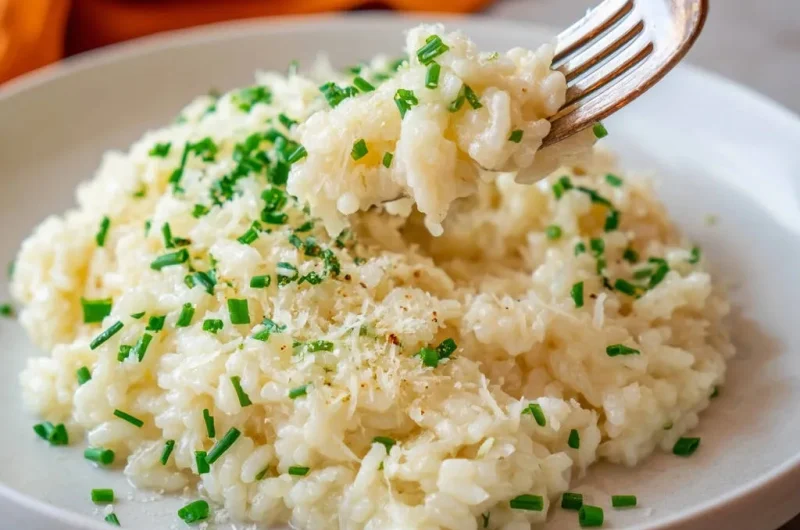
Creamy Parmesan Risotto
Course: Main CourseCuisine: ItalianDifficulty: medium4
servings15
minutes25
minutes650
kcal40
minutesUnlock the secret to a consistently silky, tender, and never gummy creamy Parmesan risotto. This recipe guides you to a dreamy texture, transforming every bite into pure comfort.
Ingredients
1 tablespoon olive oil
1 small yellow onion, finely diced
2 cloves garlic, minced
1.5 cups Arborio rice
0.5 cup vegetable broth, white grape juice or non-alcoholic white cooking liquid
4 to 5 cups warm vegetable broth
2 tablespoons unsalted butter
0.5 cup freshly grated Parmesan cheese, plus more for serving
Salt and freshly ground black pepper to taste
2 tablespoons fresh chives, chopped, for garnish
Directions
- Heat olive oil in a large, heavy-bottomed pot or Dutch oven over medium heat. Add the diced onion and cook, stirring occasionally, until softened and translucent, about 5 minutes. Add the minced garlic and cook for another minute until fragrant.
- Add the Arborio rice to the pot. Stir constantly for 2 to 3 minutes, toasting the rice until the edges of the grains become translucent but the center is still opaque. This vital step helps to seal the starch in the rice, which is crucial for achieving a creamy texture without becoming gummy.
- Pour in the white grape juice or non-alcoholic white cooking liquid. Stir well and cook until it is almost completely absorbed by the rice, about 1 to 2 minutes.
- Begin adding the warm vegetable broth, one ladleful (about 0.5 cup) at a time, to the rice. Stir frequently, allowing each addition of broth to be almost completely absorbed before adding the next. This consistent stirring helps to slowly release the starches from the rice, creating that signature creamy texture. Keep the remaining broth warm in a separate saucepan.
- Continue adding broth, one ladleful at a time, stirring often, for 20 to 25 minutes, or until the rice is al dente (tender but still firm to the bite). The risotto should be creamy and flow slightly on the plate, not stiff or soupy. You might not need all of the broth, or you might need a little more.
- Once the rice is cooked to your liking, remove the pot from the heat. Stir in the butter and the 0.5 cup of Parmesan cheese until fully melted and incorporated. This final stir, known as mantecatura, is essential for locking in the ultimate creamy, luxurious finish. Season with salt and freshly ground black pepper to taste.
- Serve immediately, garnished with fresh chopped chives and extra grated Parmesan cheese.
Notes
- Key steps: Toast rice to seal starch, stir continuously for creaminess, and finish with butter/Parmesan (mantecatura).