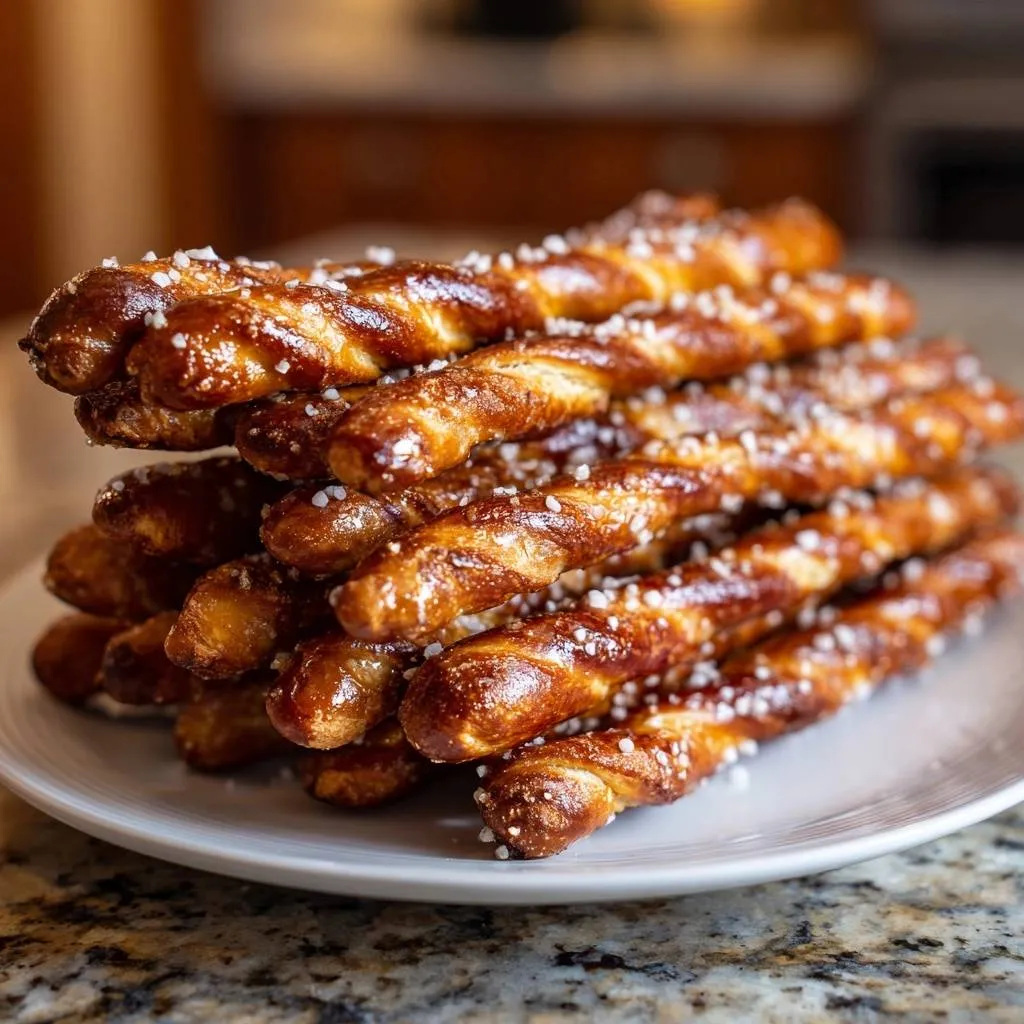
Ever bitten into homemade soft pretzels that turned out pale and bready? You’re not alone. Most recipes skip the key step that pros use for that shiny, deeply browned crust and irresistible chew.
However, this method fixes it with a simple baking soda activation. You’ll get authentic mall-style pretzels right in your kitchen. In addition, they cost pennies compared to store-bought.
The secret lies in baking the baking soda first. It converts to sodium carbonate, boosting the pH for perfect Maillard browning. Trust me, your pretzels will gleam and crunch just right.
Activating Baking Soda for Pretzel Perfection
Why Activation Transforms Baking Soda
Baking soda starts as sodium bicarbonate. However, when you bake it at 250 degrees F for an hour, it breaks down into sodium carbonate. This raises the pH dramatically, mimicking lye that commercial bakeries use.
Without it, pretzels stay pale because the Maillard reaction slows. In addition, the higher pH gelatinizes starches on the surface for that signature shine and chew. You’ll notice the difference immediately after the bath.
Standard boiling water just steams the dough. Therefore, activation delivers pro results without harsh chemicals. It’s the fix for every failed batch you’ve tried.
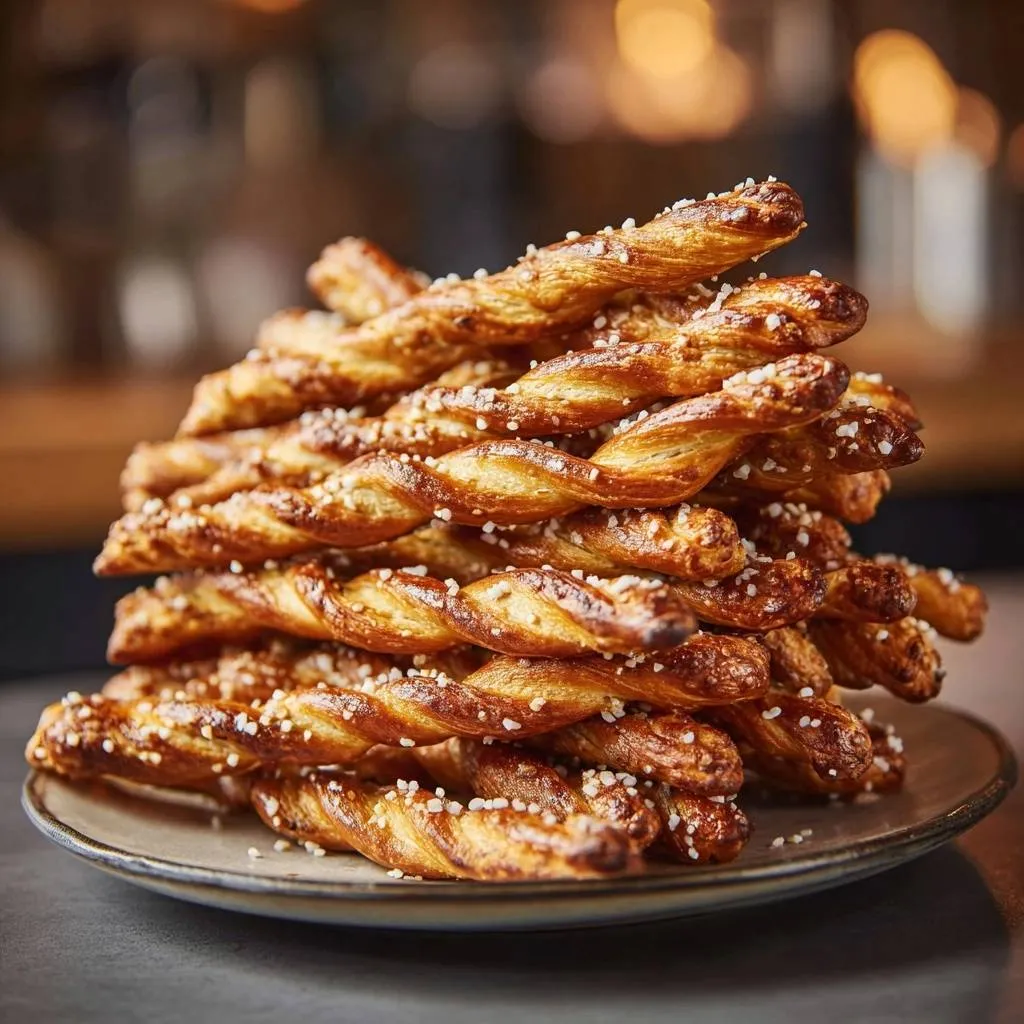
Step-by-Step Baking Soda Activation
Essential Ingredients for Chewy Homemade Soft Pretzels
Warm Water and Yeast Activation Role
Start with 1 1/2 cups warm water at exactly 110 degrees F. It’s crucial because yeast thrives there, producing foam in 5 minutes that proves it’s alive and ready.
Add 2 1/4 teaspoons active dry yeast and 2 tablespoons light brown sugar. The sugar feeds the yeast for a strong rise. If it doesn’t foam, your yeast is dead, so toss and restart.
Flour, Butter, and Salt Balance
Use 4 cups all-purpose flour for the perfect chew, not bread flour which makes them too tough. Gradually add it to form a soft dough that pulls from the bowl sides.
One tablespoon melted unsalted butter adds tenderness without greasiness. One teaspoon fine salt seasons the dough evenly. Finally, coarse sea salt on top gives that salty crunch contrast.
Pro tip: Dust with flour sparingly during kneading to avoid a dry dough. These homemade soft pretzels ingredients create balance every time.
For more baking tips, check out this recipe for classic peanut butter cookies.
Science of Soft Pretzel Dough Development
Yeast Fermentation and Gluten Formation
Warm water and sugar kickstart yeast, releasing CO2 bubbles that double the dough in an hour. You’ll see it puff up under the damp cloth in a warm spot.
Knead for 4-5 minutes on a floured surface until smooth and elastic. This builds gluten strands for chewiness. However, stop short of toughness, or they’ll turn gummy.
Imagine poking the risen dough, it springs back slowly. That’s your cue it’s ready. This step ensures homemade soft pretzels hold their shape.
Browning Chemistry in Alkaline Bath
The activated soda bath spikes pH, speeding the Maillard reaction for deep gold color. Starches gelatinize, creating a shiny, chewy crust you can’t get from plain boiling.
Without it, pretzels bake unevenly and taste bready. In addition, the bath sets the surface so salt sticks perfectly. It’s pure science for golden homemade soft pretzels.
Equipment Choices for Pro Homemade Soft Pretzels
Key Tools for Dough and Bath
Grab a large mixing bowl for the dough. A stand mixer works too, but hands-on kneading builds intuition. You’ll need a big pot for 10 cups water and a slotted spatula to fish out pretzels.
Parchment-lined baking sheets prevent sticking post-bath. Use a rimmed sheet for soda activation to catch any mess. These tools make pro homemade soft pretzels foolproof.
Oven and Thermometer Precision
An oven thermometer ensures 250 degrees F for activation and 425 degrees F for baking. Check your water hits 110 degrees F with an instant-read thermometer.
Guesswork leads to flat dough or pale results. Therefore, precision tools save every batch.
Mastering Dough Preparation Phases
Mixing and Initial Yeast Bloom
Stir warm water, yeast, and brown sugar until dissolved. Wait 5 minutes for creamy foam, signaling strong lift ahead. Add melted butter and salt next.
Mix in flour one cup at a time. The dough transforms from shaggy to smooth, pulling cleanly from the bowl. If sticky, add a sprinkle more flour.
Kneading to Rise Completion
Knead on a floured surface 4-5 minutes until elastic, like soft Play-Doh. Place in a greased bowl, cover with a damp cloth, and let rise 1 hour in warmth until doubled.
Punch down gently to release air. This even texture ensures uniform pretzels. Oh man, that fresh dough smell gets you excited.
Shaping Techniques for Uniform Pretzels
Dividing and Rolling Ropes
Divide dough into 24 equal pieces, about 2 pounds total. Roll each into a thin 12-inch rope, tapering ends slightly. Thin ropes create the best chew ratio.
Practice on one first; it gets easier. Uniform size means even boiling and baking.
Twisting into Classic Pretzel Form
Hold rope ends and twist tightly along the length for a spiral stick shape. Or form the traditional U by crossing ends and pressing onto the curve.
Keep shapes consistent for pro looks. They’ll hold up perfectly in the bath.
Executing the Critical Pretzel Bath
Boiling Setup with Activated Soda
Boil 10 cups water, then slowly stir in 1/2 cup activated baking soda. It fizzes wildly, so stand back. Dip 3-4 pretzels, 30 seconds per side.
They puff and shine instantly. Use the slotted spatula to drain well. This step locks in the golden magic.
Salting and Sheet Placement
Sprinkle coarse salt generously while wet; it adheres best then. Space on parchment-lined sheets. Wet surface is key for stickiness.
Baking to Deep Golden Homemade Soft Pretzels
Oven Timing and Rack Position
Bake at 425 degrees F on middle racks, 12-15 minutes until deep golden and shiny. Rotate sheets halfway if your oven runs hot.
Cool on a rack 5 minutes. They crisp up beautifully warm.
Storage and Reheating Revival
Store airtight up to 2 days. Reheat at 350 degrees F for 5 minutes to revive crispness. Freeze shaped raw pretzels; boil and bake straight from frozen, adding a few minutes.
Activated soda keeps months in a jar. Make-ahead pro tip right there.
Avoiding Pitfalls in Soft Pretzel Making
Fixing Dough That Won’t Rise
Cold water kills yeast, so measure 110 degrees F precisely. Test yeast foam first. Over-kneading toughens; under-flouring makes sticky mess.
In addition, drafty spots slow rise. Keep it warm and covered.
Solving Pale or Soggy Results
Skip activation, and you get pale pretzels. Over-boil turns them gummy; stick to 30 seconds. Uneven shapes bake spotty.
Salt too late, and it falls off. However, wet salting fixes that every time.
Flavor Twists on Homemade Soft Pretzels
Sweet and Savory Topping Ideas
Try cinnamon-sugar for sweet bites right after baking. Brush with melted butter first. Garlic-herb butter or everything bagel seasoning amps savory vibes.
Swap half the flour for whole wheat for nutty depth, keeping the chewy base. These twists keep homemade soft pretzels versatile.
Scaling for Mini or Jumbo Sizes
One recipe makes 24 minis or 12 jumbos. Shorten boil to 20 seconds for minis; extend to 45 for jumbos. Bake minis 10 minutes, jumbos 15-18.
Adjust rope thickness accordingly for even chew.
Perfect Pairings for Fresh Soft Pretzels
Classic Dips and Mustards
Spicy mustard cuts the salt perfectly. Nacho queso melts into every crevice. Creamy cheese dip pairs with the chew, elevating the whole snack.
Pretzels shine with bold dips that cling to the crust.
Sandwich and Snack Combos
Stuff minis with cheese for bites. Serve jumbos alongside soup. They’re stars at game days or charcuterie spreads.
Common Queries on Homemade Soft Pretzels
Can I Use Instant Yeast Instead?
Yes, use the same amount of instant yeast. Skip proofing and mix directly with flour. Reduce water by 1-2 tablespoons; results stay chewy and risen.
Why Are My Pretzels Less Chewy?
Under-knead for weak gluten, or use bread flour which overdevelops. Always skip the bath. Fix by kneading to elastic and using the activated soda.
How to Make Pretzels Ahead?
Shape and freeze raw on a sheet, then bag. Boil and bake from frozen, adding 1-2 minutes. Activated soda stores for months airtight.
Vegetarian and Scaling Notes?
Fully vegetarian as is. Double for 48 pretzels; use two baths if needed. Each pretzel runs about 150 calories, mostly from flour and minimal butter.
Substitute Brown Sugar?
Honey or white sugar works fine, 2 tablespoons each. Brown adds slight color and moisture; others won’t change chew much.
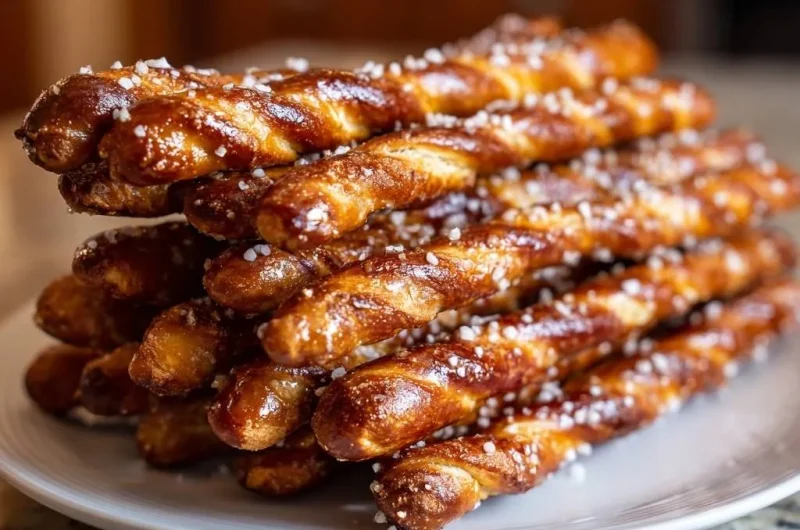
Soft Pretzels
Course: SnackCuisine: AmericanDifficulty: medium24
pretzels30
minutes1
hour150
kcal120
MinutesHomemade pretzels often come out pale and bready instead of golden and chewy. This recipe fixes that forever with one simple step: activating the baking soda for a pro-level alkaline bath that delivers shiny, deeply browned crust without lye.
Ingredients
Dough:
1 1/2 cups warm water (110 degrees F)
2 1/4 teaspoons active dry yeast
2 tablespoons light brown sugar
1 tablespoon unsalted butter, melted
1 teaspoon fine salt
4 cups all-purpose flour (plus extra for dusting)
Pretzel bath:
1/2 cup baking soda
10 cups water
Topping:
Coarse pretzel salt or sea salt
Directions
- Activate the baking soda first – this is the game-changer for no more pale pretzels. Preheat oven to 250 degrees F. Spread baking soda evenly on a parchment-lined baking sheet. Bake for 1 hour until it turns light yellow and powdery (this converts it to sodium carbonate for intense browning and authentic chew). Let cool completely and store in an airtight container if making ahead.
- Make the dough. In a large bowl, stir warm water, yeast, and brown sugar until dissolved. Let sit 5 minutes until foamy. Add melted butter and fine salt. Gradually mix in flour, 1 cup at a time, until a soft dough forms (it should pull away from bowl sides).
- Knead dough on a floured surface for 4-5 minutes until smooth and elastic. Place in a greased bowl, cover with a damp cloth, and let rise in a warm spot for 1 hour until doubled.
- Preheat oven to 425 degrees F. Line two baking sheets with parchment.
- Bring 10 cups water to a boil in a large pot. Slowly stir in activated baking soda (it will fizz).
- Punch down dough and divide into 24 equal pieces. Roll each into a 12-inch thin rope. Hold both ends and twist tightly several times along the length to form a spiral stick shape.
- Boil pretzels, 3 or 4 at a time, 30 seconds per side. Remove with a slotted spatula, drain well, and place on baking sheets. Sprinkle generously with coarse salt while wet.
- Bake 12-15 minutes until deep golden brown and shiny. Cool on rack 5 minutes. Serve warm. Store leftovers airtight up to 2 days; reheat at 350 degrees F for crisp revival.
Notes
- Activate the baking soda first by baking it at 250°F for 1 hour to convert it to sodium carbonate for intense browning. Store activated baking soda airtight for later use. Reheat leftovers at 350°F for crisp revival.