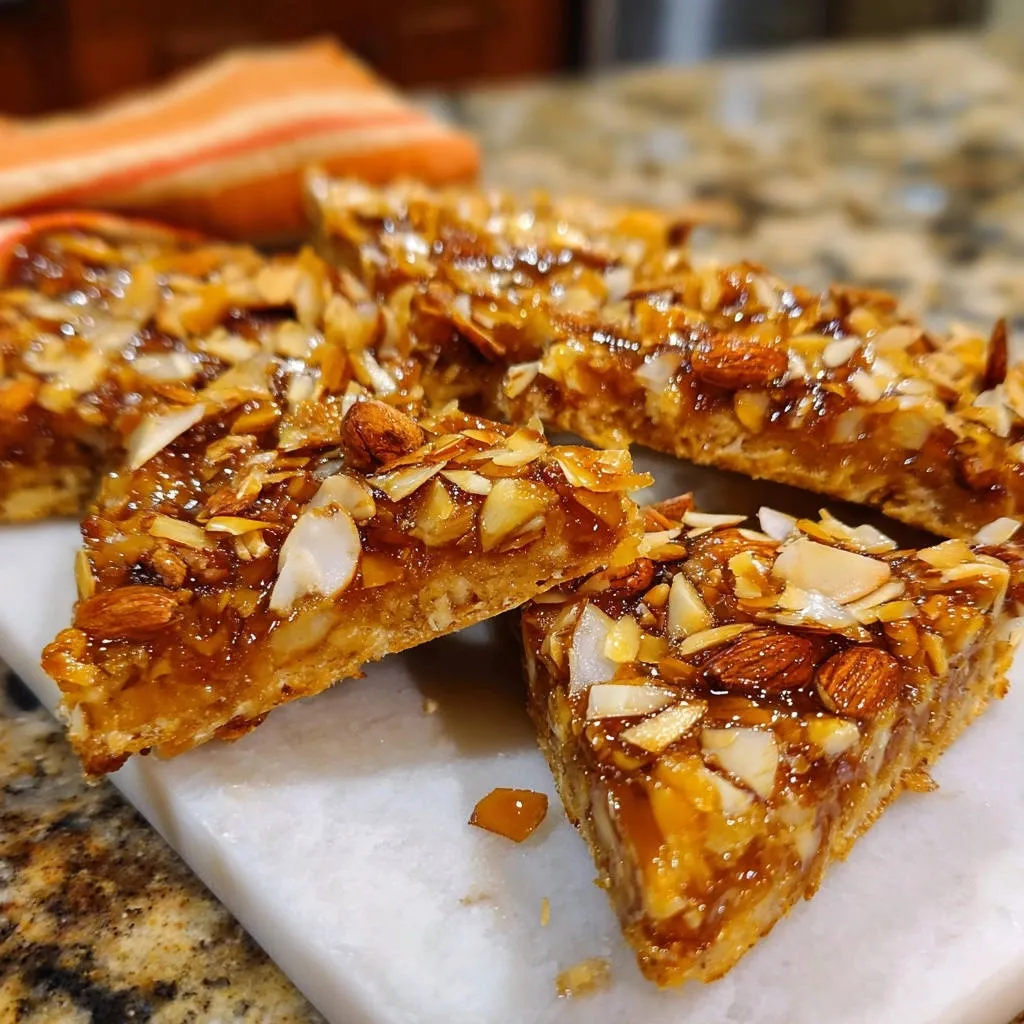
There is nothing worse than biting into a gorgeous caramel bar only to find it set so hard it threatens your dental work. I spent years perfecting the ratio to create truly exceptional Chewy Almond Caramel Bars that deliver that perfect, luxurious chew every single time.
This recipe is your secret weapon for a truly showstopping dessert that stays wonderfully soft, sliceable, and irresistible without hardening into brittle toffee.
Why This Recipe Guarantees the Perfect, Soft Chew
This bar recipe is designed to eliminate the risk of rock-hard caramel, focusing on specific ingredient ratios and precise heating times that optimize for chewiness and easy slicing.
For a similarly fudgy texture, explore ultimate fudgy cocoa brownies.
The Crucial Role of Liquid Sweeteners (Honey or Corn Syrup)
The addition of honey or light corn syrup is non-negotiable for achieving a soft-set caramel. These are considered invert sugars, which are key to inhibiting crystallization.
If you used only brown sugar and butter, the resulting caramel molecules would quickly bond together, creating a grainy, hard, or brittle texture upon cooling. The invert sugar molecules disrupt this bonding, ensuring a smooth, pliable caramel.
The Critical 2-Minute Boil Time for Non-Hardening Caramel
The precise timing of the boil is the most important instruction in this entire recipe. Boiling caramel raises its internal temperature, evaporating moisture and concentrating the sugars.
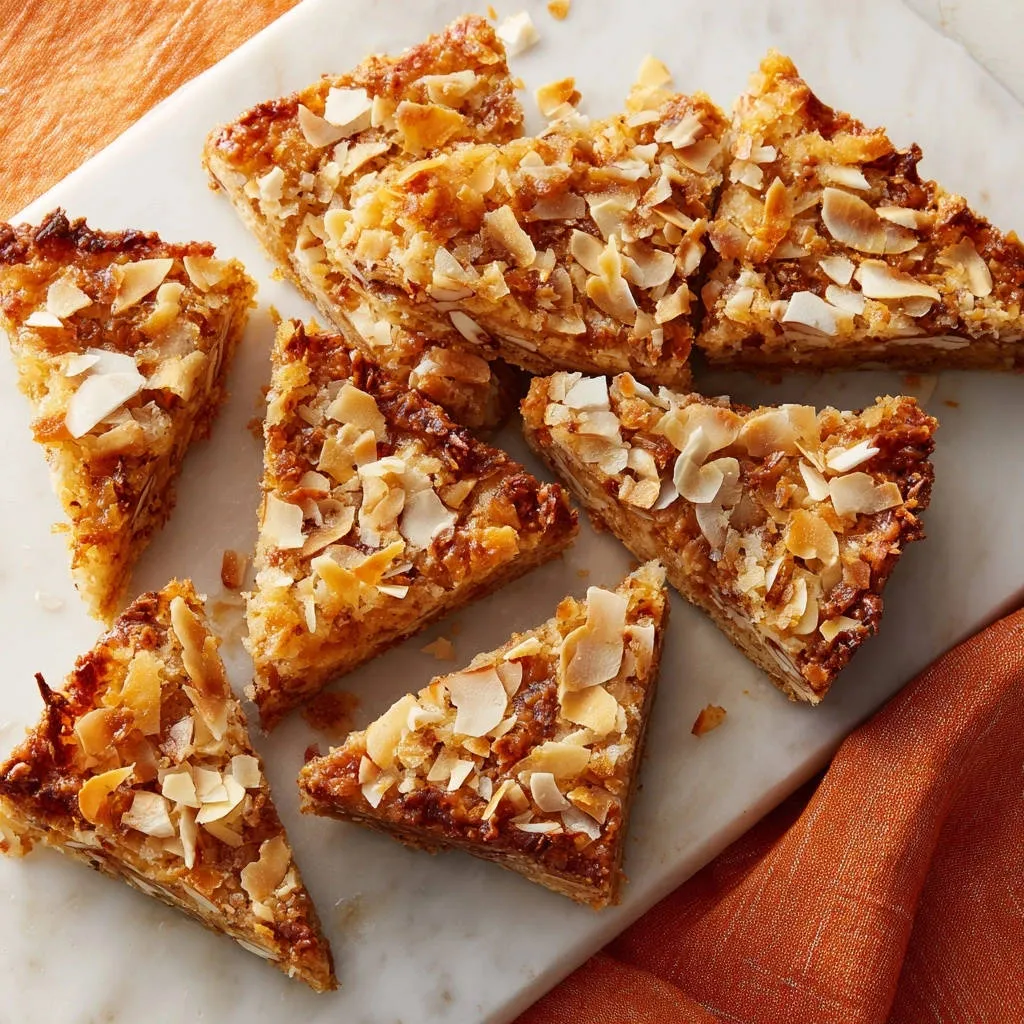
A short, vigorous 2-minute boil is just enough to reach the soft-ball stage (around 235-240°F), concentrating the mixture without pushing it toward the hard-ball or crack stage (which would result in toffee). This technique guarantees a chewy set that doesn’t fracture.
The Shortbread Foundation: Why Cold Butter is Non-Negotiable
A superior shortbread base relies on using truly cold, cubed butter. When cold butter is cut into the flour, it creates tiny, distinct pockets of fat.
During baking, these pockets steam and expand, resulting in a tender, flaky crumb rather than a dense, uniform cake-like texture. This tender base is essential for supporting the heavy, rich almond caramel topping.
Building Blocks of Flavor: Essential Ingredients for Your Bars
Selecting quality ingredients and understanding their roles ensures your Chewy Almond Caramel Bars achieve the ideal texture and flavor profile.
For the Foundation: Creating the Flaky Shortbread Crust
Standard all-purpose flour provides the necessary gluten structure for the base. The small amount of granulated sugar helps with tenderization and aids in browning the crust edges.
For a different take on bars with a tangy twist, explore creamy lemon crumble bars.
Salt is critical, especially when baking with large amounts of sugar and fat. It balances the sweetness of the caramel and enhances the buttery flavor of the shortbread.
Almonds and Cream: Mastering the Caramel Topping
Heavy cream is required because its high fat content (at least 36%) emulsifies smoothly into the cooked sugar mixture, contributing to the ultimate rich mouthfeel. Do not substitute with milk or half-and-half, as they will compromise the texture.
Light brown sugar contains less molasses than dark brown sugar, providing a milder, less intensely fudgy caramel flavor that allows the delicate almond notes to shine through.
Almond Preparation: Toasted vs. Raw
Almonds must be lightly toasted before being folded into the caramel mixture. Toasting deepens the nutty flavor profile significantly, transforming them from bland toasty and complex.
You can toast them quickly in a dry pan over medium heat, watching constantly, or spread them on a baking sheet while the oven preheats for the crust.
Understanding Brown Sugar and Butter Ratios
The high proportion of butter to sugar ensures a rich, pliable caramel that is not overly sweet or dry. Butter provides necessary moisture and fat, which prevents the caramel from becoming tough.
When combined with the liquid sweetener, this balance guarantees a cohesive, luxurious filling that coats the almonds beautifully.
Kitchen Preparation: Essential Tools and Setup
Proper preparation is key to the success of this sticky recipe, ensuring a smooth process and perfect presentation.
The Importance of Parchment Overhang (For Easy Removal)
Lining the 8×8 pan with parchment paper is mandatory. Leaving a 2-inch overhang on opposing sides is crucial, creating handles that allow you to lift the entire slab of cooled bars out cleanly.
Attempting to remove the bars without an overhang often results in damaging the edges or leaving sticky residue in the pan, making clean slicing difficult.
Choosing the Right Pan Size (8×8 inches)
The 8×8 inch square pan ensures the bars achieve the ideal height and the crust-to-caramel ratio intended by the recipe. If you use a larger pan, the layers will be too thin, leading to dry shortbread and overly hard caramel.
Using a smaller pan will require significantly longer baking times for both the crust and the topping.
Mixing Tools: Pastry Blender vs. Fingers
The goal is to incorporate the cold butter quickly without melting it. A pastry blender is excellent for this, delivering consistent, pea-sized crumbs.
Alternatively, use your fingertips, pinching the butter and flour together. If using your hands, work quickly to minimize heat transfer, maintaining the crucial cold temperature of the butter.
Baking Success: Step-by-Step Guide to Assembling the Bars
Follow these phases closely, paying special attention to the timing and temperatures in the caramel phase.
Phase 1: Achieving the Perfect Shortbread Base
Preheat your oven to 350°F and prepare the 8×8-inch pan with the parchment paper overhang.
Whisk the dry ingredients (flour, sugar, salt) together, then cut in the cold, cubed butter until the mixture resembles coarse, slightly wet sand. Press this dough firmly and evenly across the bottom of the prepared pan, ensuring the edges are dense.
Bake the shortbread for 18 to 20 minutes, or until the edges are lightly golden. The center should still appear pale; we are looking for a partial bake.
Phase 2: The Art of Stovetop Caramelization
While the crust is baking, start the caramel. Combine the butter, light brown sugar, and honey (or corn syrup) in a medium saucepan over medium heat. Stir constantly until the sugar granules are completely dissolved.
Bring the mixture to a full boil, then stop stirring and allow it to boil vigorously for exactly 2 minutes. Set a timer immediately upon reaching a rapid, rolling boil.
Remove the saucepan from the heat, which halts the cooking process. Carefully stir in the heavy cream and vanilla extract until fully incorporated. The mixture will bubble up dramatically but will quickly settle into a smooth, thick liquid.
Phase 3: Combine and The Final Bake
Stir the toasted sliced or slivered almonds directly into the warm, gooey caramel mixture until they are evenly coated. Work quickly while the caramel is still fully pourable.
Pour the caramel-nut topping evenly over the warm, partially baked shortbread crust. Use an offset spatula to gently spread the topping all the way to the pan edges.
Return the pan to the oven and bake for 15 to 18 minutes. The bars are done when the caramel is deeply golden brown and is consistently bubbling across the entire surface. Do not under-bake, or the caramel may spread when cut.
Phase 4: The Crucial Cooling and Slicing Step
Immediately remove the finished bars from the oven and place the pan on a wire rack. Cooling on a rack allows air to circulate underneath, stopping the baking process and initiating the set.
Let the bars cool completely at room temperature for at least 2 hours, or until the caramel is firm to the touch. Trying to slice warm bars will result in the soft caramel running everywhere, making a sticky mess.
Once fully cooled, use the parchment overhang to lift the entire slab onto a cutting board. Use a large, sharp, non-serrated knife to press down firmly and slice into squares or wedges.
Troubleshooting and Expert Tips for Chewy Almond Caramel Bars Perfection
Why Did My Caramel Crystalize? (And How to Fix It)
Caramel crystallization often happens if sugar crystals cling to the sides of the saucepan and fall back into the boiling mixture, triggering a chain reaction. To prevent this, ensure all sugar is dissolved completely before the mixture reaches a boil.
Avoid scraping the sides of the pan once the caramel is boiling. If you see crystals forming, try brushing the sides of the pan with a wet pastry brush during the initial heating phase to wash them down.
The Ultimate Secret to Clean Slicing
Patience is the true secret to clean slices. The bars must be cooled completely at room temperature-never rush this process by putting them in the fridge while still warm, which can result in a hard texture.
Use a heavy, sharp chef’s knife. Cleaning the knife blade between every few cuts with a damp cloth prevents the sticky caramel from dragging and tearing the adjacent pieces.
Preventing a Dry or Crumbly Crust
The crust will be tough if you overwork the dough, which develops too much gluten. Mix only until the mixture comes together into coarse crumbs, then stop.
Ensure the butter is truly cold before incorporating it; if the butter melts during the mixing process, the resulting shortbread will be dense and dry.
Storage and Make-Ahead Recommendations
Store Chewy Almond Caramel Bars in an airtight container at room temperature for up to 5 days; this maintains their ideal soft chewiness.
You may refrigerate them for longer storage (up to two weeks), but they will firm up slightly. Always bring them back to room temperature for 15-20 minutes before serving for the best texture.
Customizing Your Recipe: Variations and Serving Suggestions
While the classic recipe is perfect, these buttery treats offer a fantastic canvas for flavor experimentation.
Beyond the Bars
If you’re enjoying the nutty sweetness of these bars, consider these other treats.
- For a breakfast that brings in comforting spices, try these fluffy pumpkin spice pancakes, a wonderful way to start the day.
- If you liked the chewy texture, you might also enjoy these chewy dried fruit oatmeal bars, another satisfying option.
Nut Substitutions and Flavor Enhancements
Feel free to substitute the sliced almonds with pecans or walnuts for a different texture and flavor profile. Ensure the substitute nuts are also toasted prior to use.
For flavor enhancement, stir 1/2 teaspoon of ground cinnamon into the shortbread flour mixture. You can also sprinkle a tiny pinch of flaky sea salt (like Maldon) over the top of the bars immediately after they come out of the oven to cut through the richness.
Decadent Serving Suggestions
For an intensely luxurious experience, serve the bars slightly warmed (10-15 seconds in the microwave) alongside a scoop of high-quality vanilla bean ice cream.
Alternatively, melt 2 ounces of dark chocolate, transfer it to a piping bag, and drizzle an elegant pattern over the cooled bars before slicing them for a beautiful presentation.
Frequently Asked Questions About Chewy Caramel Bars
Can I double this recipe successfully?
Yes, this recipe doubles well, but you must increase the pan size to a 9×13 inch baking dish. Using the same 8×8 pan will result in layers that are too thick to cook properly.
When doubling, be aware that the baking times for both the crust and the final setting bake will increase by 5 to 10 minutes, so rely heavily on the visual cues rather than the clock alone.
What if I don’t have honey or corn syrup?
Honey and corn syrup are crucial for their anti-crystallization properties. While not ideal, your next best substitute is liquid glucose, available at many specialty baking stores.
Do not substitute with standard simple syrup or maple syrup, as the resulting texture will be either too hard or too runny, respectively.
How do I know if my shortbread crust is done?
The crust is ready when the edges of the shortbread are visibly turning a light golden-brown color, particularly where they meet the pan.
The center of the crust may still look pale, but it will feel set to the touch and the texture will be slightly sandy rather than soft dough.
Are these bars freezer-friendly?
Yes, these almond caramel bars freeze exceptionally well. Once they are fully cooled and sliced, wrap individual bars tightly in plastic wrap, followed by a layer of aluminum foil, to prevent freezer burn.
Store them in a freezer bag for up to three months. To thaw, simply unwrap and leave them at room temperature for several hours.
Ready to Impress? Share Your Chewy Almond Caramel Bars Masterpiece!
Armed with the expert tips on boil time and cooling, you now possess the secret to perfectly soft, incredibly addictive Chewy Almond Caramel Bars.
This recipe transforms a simple concept into a professional-grade bakery treat, guaranteed to receive rave reviews. Get baking and enjoy the fruits of your caramel mastery!
Almond Caramel Bars
Course: DessertCuisine: AmericanDifficulty: medium9
bars (8×8 inch pan)20
minutes40
minutes450
kcal60
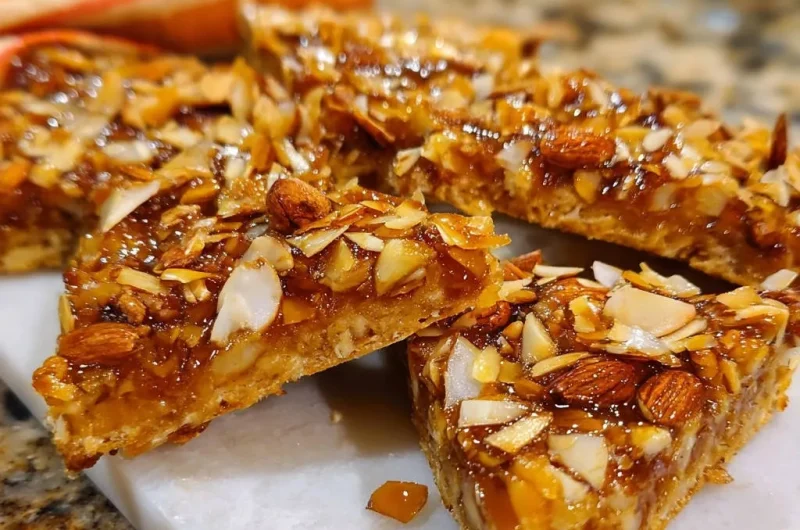
minutesThis recipe guarantees a luxurious, perfectly soft caramel that won’t threaten your dental work. Featuring a buttery shortbread crust and a generous topping of almonds set in rich, chewy caramel. The key to success is precise cooking time and adequate cooling.
Ingredients
For the Shortbread Base:
1 cup all-purpose flour
1/4 cup granulated sugar
1/2 cup (1 stick) unsalted butter, cold and cubed
1/4 teaspoon salt
For the Caramel Topping:
1/2 cup (1 stick) unsalted butter
1/2 cup packed light brown sugar
1/4 cup honey or light corn syrup (crucial for texture)
1/4 cup heavy cream
1/2 teaspoon vanilla extract
1 1/2 cups sliced or slivered almonds, lightly toasted
Directions
- Prepare the Pan and Oven: Preheat your oven to 350 degrees F. Line an 8×8 inch baking pan with parchment paper, leaving an overhang on two sides for easy removal later.
- Make the Shortbread Base: In a medium bowl, whisk together the flour, sugar, and salt. Cut in the cold butter using a pastry blender or your fingers until the mixture resembles coarse crumbs. Press the dough evenly into the prepared pan. Bake for 18 to 20 minutes, or until the edges are lightly golden.
- The Chewy Caramel Secret: While the crust bakes, prepare the caramel topping. In a medium saucepan, combine the 1/2 cup butter, brown sugar, and honey or light corn syrup. Bring the mixture to a boil over medium heat, stirring constantly until the sugar dissolves completely.
- Lock in the Chewiness: Once boiling, stop stirring and allow the mixture to boil vigorously for exactly 2 minutes. This brief cooking time is the trick to setting the caramel without hardening it completely. Immediately remove the pan from the heat. Carefully stir in the heavy cream and vanilla extract until fully combined. The mixture will bubble up slightly.
- Combine and Bake: Stir the toasted almonds directly into the caramel mixture. Pour the caramel and almond mixture evenly over the warm shortbread crust. Spread carefully to the edges.
- Second Bake: Return the pan to the oven and bake for 15 to 18 minutes, or until the caramel is deeply golden brown and bubbly across the entire surface.
- The Crucial Cooling Step: This is vital for clean slicing and maintaining texture. Remove the bars from the oven and place them on a wire rack. Let them cool completely at room temperature for at least 2 hours. Once fully cooled, use the parchment overhang to lift the entire slab out of the pan. Slice into squares or wedges using a sharp, non-serrated knife. If you try to cut them warm, the caramel will run everywhere.
Notes
- Cooling completely for at least 2 hours at room temperature is crucial for clean slicing and maintaining the perfect chewy texture.