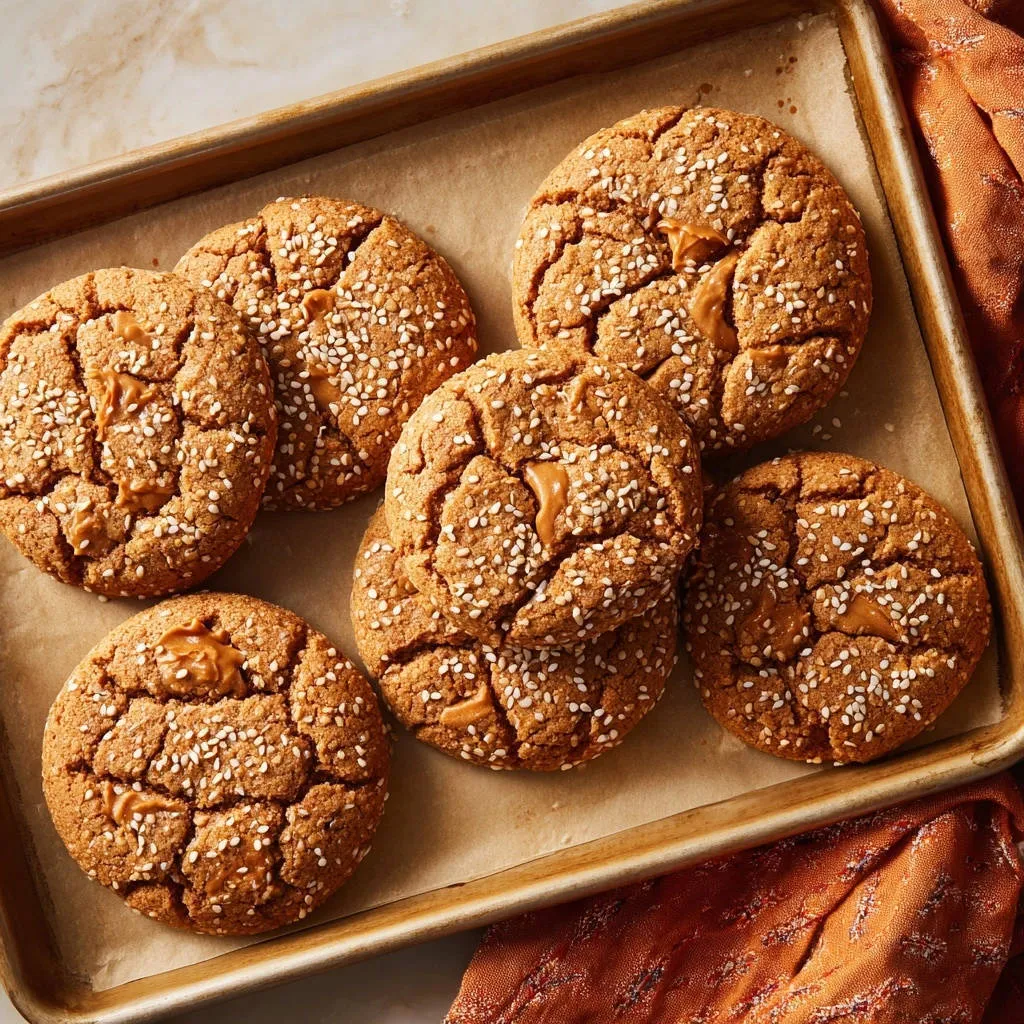
I spent years perfecting the technique for crafting thick, soft cookies that resist spreading into flat, sad pancakes.
The secret to achieving magnificent, dense texture lies not just in the ingredients, but in the specialized double chilling method detailed for these Chewy Tahini Sesame Cookies.
This process guarantees an intensely nutty flavor and a satisfyingly chewy bite every single time, establishing this as your go-to recipe.
For a different texture, explore salted butterscotch sesame cookies with a crisp base.
Beyond the Basic: Why This Tahini Sesame Cookie Recipe Works Every Time
Achieving the Perfect Chewy, Dense Texture
The combination of high-moisture brown sugar and the critical chilling period locks the butter in place within the dough structure.
This prevents the fat from melting too quickly when they hit the hot oven, resulting in lofty, thick cookies instead of the common “sad, greasy pancake.”
The Dual Role of Tahini: Flavor Inside and Out
Tahini incorporated into the cookie dough adds a subtle, earthy richness that enhances the butterfat profile.
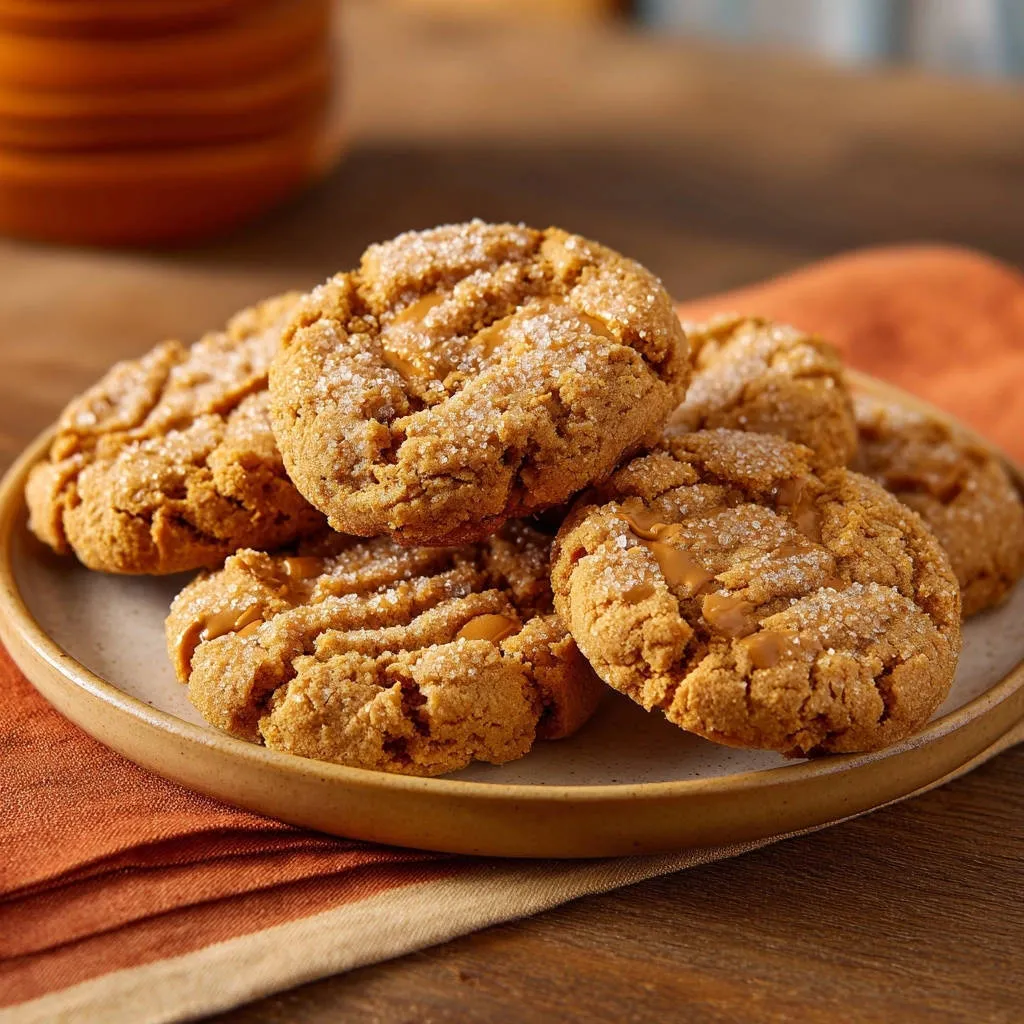
The final, crucial dollop of tahini pressed into the center of the hot cookies delivers an intense, savory-sweet flavor and a beautiful, rustic visual appeal.
Naturally Nutty and Balanced Sweetness
The deeply roasted, slightly bitter notes of high-quality tahini perfectly cut through the sweetness provided by the two types of sugar.
The resulting flavor profile is complex, warm, and highly satisfying-offering a true elevated take on classic sesame tahini cookies.
For another cookie delight, explore salted dark chocolate chunk cookies that offer a different chewy texture.
Essential Gear for Baking Chewy Tahini Sesame Cookies
Proper preparation and the right equipment streamline the baking process and ensure consistency in your final batch.
Mixing Tools: Stand Mixer vs. Hand Mixing
A stand mixer makes the creaming process effortless, ensuring maximum, uniform aeration into the butter and sugar mixture.
If you are mixing by hand, ensure you beat vigorously for at least five minutes to achieve the necessary light and fluffy texture, vital for cookie loft.
The Scoop Advantage: Uniformity and Size Control
Using a standardized 3-tablespoon scoop guarantees that every cookie ball is uniform in both size and weight.
This uniformity is critical for even baking, ensuring no cookie is underdone or overbaked when you pull the sheet from the oven.
The Culinary Building Blocks: Essential Ingredients Defined
The Fat Foundation: Butter and Tahini Synergy
Softened unsalted butter provides the base structure and creamy flavor when adequately creamed with sugar.
Tahini, the sesame paste, acts as both a secondary unique fat source and the key flavor component, contributing to the final chewy texture.
Sweetener Selection: Why Brown Sugar Is Key
We combine granulated sugar for spread control and slight crispness with packed light brown sugar for intense moisture and deep caramel flavor.
The molasses content in the brown sugar is absolutely essential for achieving the Chewy Tahini Sesame Cookies’ signature bendable, chewy crumb.
The Dry Elements: Structure and Sesame Coating
All-purpose flour provides the necessary structure, while kosher salt balances the sweetness and enhances all flavors.
The generous amount of white sesame seeds used for rolling provides a beautiful textural contrast, intensifying the earthy sesame flavor both visually and texturally.
Baking Mastery: Step-by-Step Guide to Chewy Tahini Sesame Cookies
- Creaming the Fats and Sugars: Achieving the Fluff
Ensure the butter is truly softened, not melted, as liquid fat inhibits proper aeration. Creaming until “light and fluffy” (about 3 minutes) is crucial for incorporating air, which prevents dense cookies.
- Incorporating Tahini and Flavor Extracts
Beat in the egg and vanilla first, scraping down the bowl thoroughly to ensure all creamed mixture is incorporated.
Add the ¼ cup of tahini last, mixing only until just combined to prepare for the final flour addition.
- The Flour Stage: Mixing Until Just Combined
Whisking the flour, baking soda, and salt separately ensures the leavener is distributed perfectly, preventing pockets of baking soda.
Once the dry ingredients are gradually added, stop mixing immediately when no dry streaks of flour remain to avoid overdeveloping the gluten.
- The Crucial First Chill (The No-Spread Solution)
Scrape the finished dough into an airtight container right away; do not skip this step.
Refrigerate the dough for a minimum of 30 minutes, which is mandatory because it solidifies the fat, drastically minimizing spread during baking.
- Rolling and Coating Prep
Preheat the oven fully to 350 degrees F and line your baking sheets with parchment paper for easy release.
Scoop the chilled dough into uniform balls using the 3-tablespoon scoop, then roll each completely in the sesame seeds, pressing gently so the seeds adhere well.
- The Second Chill: Locking in the Shape
This is a defining step for achieving maximum thickness and the guaranteed no-spread solution.
Return the prepared, coated dough balls to the refrigerator for another 10 to 15 minutes while the oven finishes heating for a final structure lock.
- Bake and Assess Doneness
Bake for 10 to 12 minutes, keeping a close eye on the visual cues.
The edges should be golden brown, but the centers must still look slightly underdone and soft; they will finish setting up outside the oven.
- The Final Tahini Touch and Cooling Process
Immediately after removing the cookies from the oven, gently press a small dollop of extra tahini into the center of each hot cookie.
Let them cool undisturbed on the baking sheet for 5 minutes before transferring them to a wire rack to cool completely, allowing the structure to fully set.
The Non-Negotiable Secrets for No-Spread, Thick Cookies
Why Chilling Time is More Than Just a Suggestion
Chilling is a physical process that solidifies the butter molecules into a rigid internal network within the dough.
This structure forces the cookies to rise up rather than spread out immediately when exposed to the oven’s high heat, delivering those coveted thick cookies.
The Importance of Temperature: Oven and Ingredients
Always ensure your dough is cold, fresh from the second chill, and that your oven is fully preheated to 350°F.
This significant thermal shock sets the exterior of the dough balls quickly, trapping moisture and structure inside for maximum height.
Perfecting the Roll: Ensuring Even Sesame Coverage
Roll the dough ball quickly between your palms to smooth the surface before pressing it firmly into the sesame seeds.
If the dough is too sticky, dust your hands lightly with flour, but avoid wetting the dough which can make the coating patchy.
Troubleshooting Your Bake: Solving Common Cookie Problems
Why Did My Chewy Tahini Sesame Cookies Spread Too Much?
This usually results from using butter that was too soft or melted before the creaming process, leading to insufficient air incorporation.
The most common culprit is skipping either the first or, critically, the second chilling periods entirely; the dough must be cold when it enters the oven.
My Cookies Are Too Dry or Cakey
Your cookies are likely cakey because you overmixed the dough after the flour was added, which develops tough gluten strands.
Alternatively, you baked them too long, past the stage where the center was still “slightly soft,” causing moisture loss.
The Sesame Seeds Won’t Stick to the Dough
The dough must be cold but should not be dry or frozen when rolled in the seeds.
If the surface seems too dry, quickly roll the ball again between your palms to bring a touch of the internal fat to the surface before coating.
Serving Suggestions and Creative Cookie Variations
Pairing Suggestions for the Ultimate Treat
The nutty, earthy flavor profile of these dense treats works beautifully with complex, robust beverages.
What Else to Try
Round out your meal with these complementary dishes that share a similar focus on satisfying textures or comforting flavors.
- For a bright and fresh contrast, consider these glazed salmon poke bowls, featuring tender fish and fluffy rice.
- If you’re in the mood for something warm and spiced, these gingerbread chia overnight oats offer a delightful, creamy texture.
Serve them warm alongside a robust cup of dark roast coffee or a creamy oat milk latte to highlight the roasted sesame notes.
For a refreshing contrast, pair these cookies with a cold glass of spiced chai tea or even a scoop of tart lemon sorbet.
Flavor Swaps: Adding Chocolate or Spices
Tahini is surprisingly versatile and pairs well with unexpected additions that enhance its depth.
Add 1 teaspoon of ground cinnamon or cardamom to the dry ingredients for a wonderfully warmer, spiced profile.
A sprinkle of flaky sea salt on top of the fresh tahini dollop immediately after baking adds an incredible texture and complexity.
Gluten-Free and Vegan Adaptations
For a successful gluten-free version, use a high-quality 1:1 gluten-free baking blend that already contains xanthan gum for structure.
To make the recipe vegan, swap the butter for a preferred plant-based baking stick and replace the large egg with a prepared flax egg or commercial liquid egg replacer.
Prep Ahead and Storage: Keeping Your Chewy Tahini Sesame Cookies Fresh
Can I Make the Dough Ahead of Time?
Yes, the prepared dough can be safely stored in the refrigerator for up to three days, enhancing its complexity as the flavors meld.
Allow the dough to warm slightly at room temperature, about 10 to 15 minutes, before scooping, as it will be very firm straight from the fridge.
Freezing Baked and Unbaked Cookies
- Unbaked: Scoop and roll the dough balls, then flash freeze them solid on a tray. Transfer the frozen balls to an airtight container or bag for up to 3 months. Bake directly from frozen, adding 2-4 minutes to the bake time.
- Baked: Cool the Chewy Tahini Sesame Cookies completely before stacking them between layers of parchment paper in a sealed, freezer-safe container. Thaw them at room temperature when ready to serve.
Best Practices for Optimal Freshness
Store baked cookies in an airtight container at room temperature for up to five days.
To maintain maximum chewiness, place half a slice of fresh bread in the container with the cookies; the cookies will absorb the bread’s moisture.
Frequently Asked Questions About Tahini Cookies
What Kind of Tahini Should I Use?
Always opt for good quality, smooth tahini, as the flavor intensity varies dramatically between brands.
If the tahini has separated, ensure you stir it thoroughly before measuring to achieve the proper fat and solid ratio required for the cookie structure.
Why is Creaming the Butter and Sugar Important?
Creaming is the vital process of aeration where sharp sugar crystals cut into the softened fat, creating millions of tiny air pockets.
These air pockets expand during baking, providing the necessary lift that prevents dense, hard cookies and ensures a tender interior.
How Do I Know When They Are Fully Baked?
Look for rich golden brown edges, which indicate that the fat has set.
Crucially, the center of the cookie must look slightly underbaked and soft; resist the urge to bake longer, as they will continue to set up perfectly while cooling on the baking sheet.
Ready to Bake? Share Your Perfect Chewy Tahini Sesame Cookies!
These Chewy Tahini Sesame Cookies are the result of precise technique meeting simple, impactful flavor, creating truly exceptional results.
By mastering the double chilling method and paying attention to your ingredients, you unlock the secret to achieving that perfect thick, chewy texture every baker seeks.
Grab your stand mixer, embrace the chill time, and enjoy the reward of baking your most consistently perfect batch yet!
Tahini Sesame Cookies
Course: DessertCuisine: InternationalDifficulty: easy18
– 24 cookies20
minutes10
minutes240
kcal60
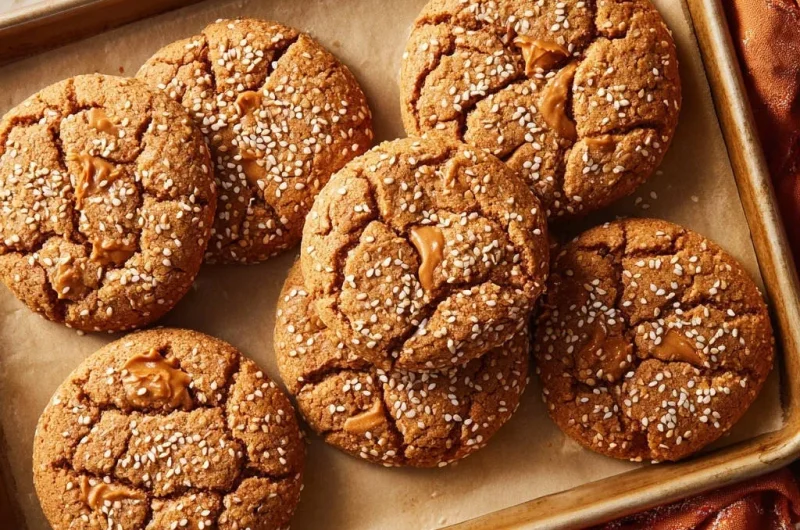
minutesThese sesame tahini cookies use crucial chilling steps to ensure they maintain a wonderfully chunky, soft, and dense texture. Featuring nutty tahini flavor and a crisp sesame seed coating, they are guaranteed not to melt into sad pancakes.
Ingredients
1 cup unsalted butter, softened
1/2 cup granulated sugar
3/4 cup packed light brown sugar
1 large egg
1 teaspoon vanilla extract
1/4 cup tahini (plus extra for topping)
2 cups all-purpose flour
1 teaspoon baking soda
1/2 teaspoon kosher salt
1/2 cup white sesame seeds (for rolling)
Directions
- Prepare the Dough. In a large bowl or stand mixer, cream the softened butter, granulated sugar, and brown sugar together on medium speed until the mixture is light and fluffy, about 3 minutes.
- Add the Egg and Flavor. Beat in the egg and vanilla extract. Scrape down the sides of the bowl. Add the 1/4 cup of tahini and mix until just combined.
- Incorporate Dry Ingredients. In a separate bowl, whisk together the flour, baking soda, and salt. Gradually add the dry mixture to the wet mixture, mixing on low speed until just combined. Do not overmix the dough.
- The No-Spread Solution (Crucial Step): Scrape the dough into an airtight container. Refrigerate the dough for a minimum of 30 minutes. This chilling time is essential because it solidifies the fat, drastically reducing the rate at which the cookies spread when they hit the hot oven.
- Preheat and Prepare. Preheat your oven to 350 degrees F. Line two baking sheets with parchment paper. Pour the sesame seeds into a shallow dish.
- Form and Coat. Scoop the chilled dough into balls using a standard ice cream scoop (about 3 tablespoons each). Roll each ball completely in the sesame seeds, pressing gently so the seeds adhere well.
- Second Chill for Thickness. Place the rolled dough balls onto the prepared baking sheets, leaving ample space between them. For guaranteed thickness, return the prepared baking sheets of dough balls to the refrigerator for 10 to 15 minutes while the oven finishes preheating. This second chill acts as a final structure lock.
- Bake. Bake for 10 to 12 minutes, or until the edges are golden brown but the centers are still slightly soft. They will set up as they cool.
- Finish and Cool. Immediately after removing the cookies from the oven, gently press a small, teaspoon-sized dollop of extra tahini into the center of each hot cookie. Let them cool on the baking sheet for 5 minutes before transferring them to a wire rack to cool completely.
Notes
- The double chilling process (Step 4 & 7) is essential for achieving thick, non-spreading cookies. Do not skip this step.