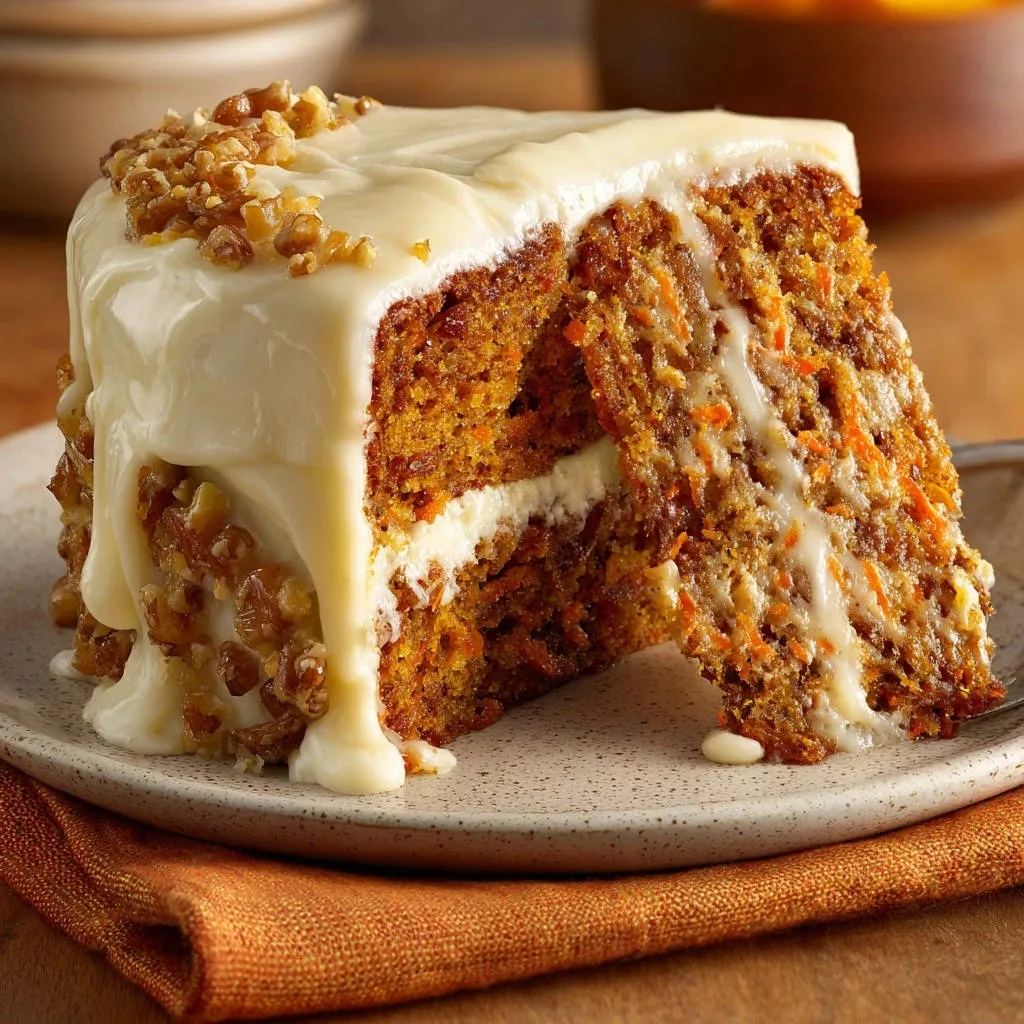
For years, I sought that elusive, perfectly moist carrot cake, often ending up with a dry or dense result. My quest led me to crack the code on this truly exceptional Classic Carrot Cake, ensuring every slice is unbelievably tender and bursting with flavor. Trust me, once you discover the simple trick in this recipe, you’ll never bake another carrot cake any other way.
Unlock the Secret to Unbeatable Moistness in Every Slice
Why Our Recipe Stands Out from the Rest
This recipe isn’t just another carrot cake; it’s a meticulously perfected guide to consistent tenderness. We utilize a specific fat that dramatically improves moisture, ensuring a cake that stays fresh longer.
Our method focuses on gentle mixing and precise baking, eliminating common pitfalls like dryness or toughness. Prepare for a truly luscious cake experience, brimming with warm spices and a rich, creamy frosting.
For more ideas on stuffed delights, consider trying red velvet cheesecake cookies.
The “Never Dry, Never Dense” Promise
We guarantee a cake that defies the common challenges of homemade carrot cake. Each bite offers a melt-in-your-mouth texture, consistently moist and never heavy.
This Classic Carrot Cake promise extends to its robust flavor, where fresh carrots and aromatic spices shine through. It’s a testament to simple techniques yielding extraordinary results.
Crafting Your Cake: Essential Ingredients for Success
The Heart of the Cake: Wet Ingredients
These components bind your cake and contribute significantly to its signature moistness and rich flavor profile.
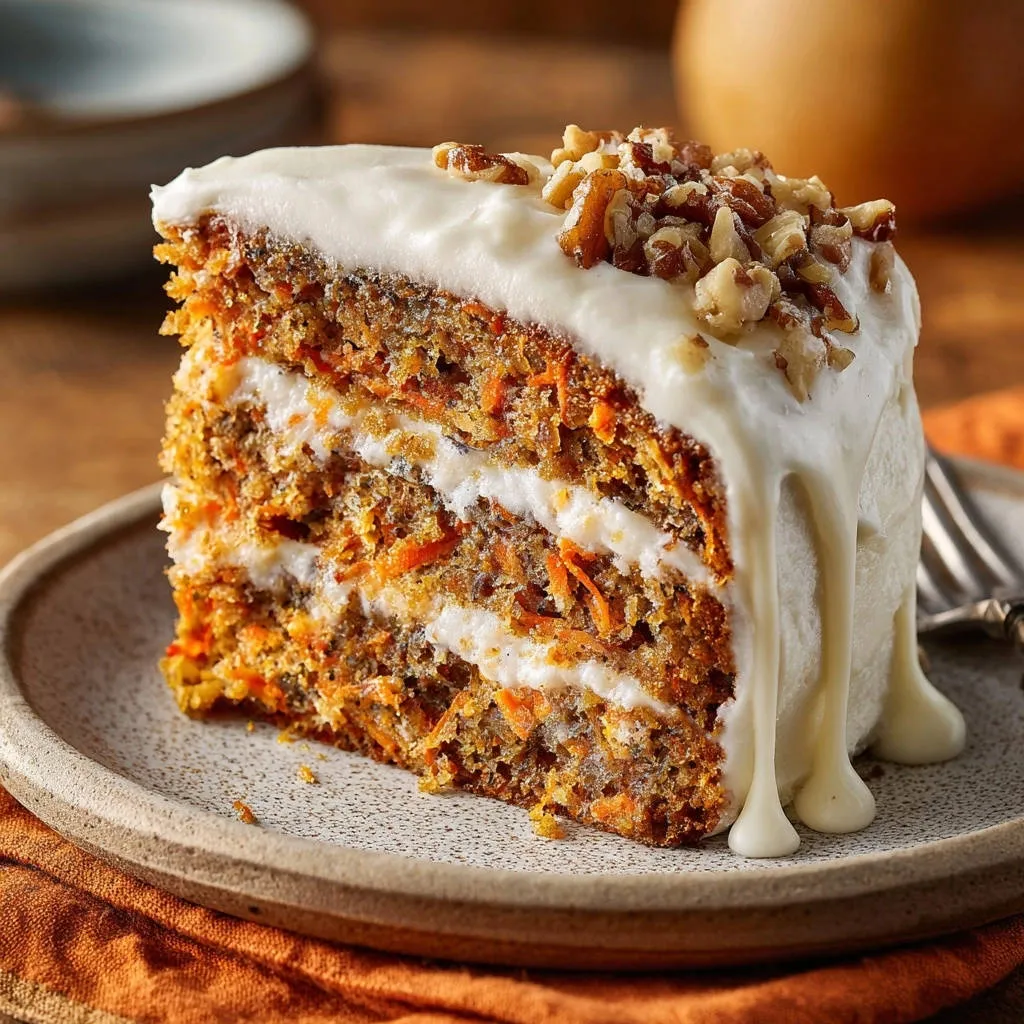
Granulated Sugar: Beyond sweetness, sugar attracts and holds moisture, contributing to the cake’s tender crumb.
Vegetable Oil: This is your secret weapon for an incredibly moist cake. Unlike butter, oil remains liquid at room temperature, keeping the cake tender for days.
Large Eggs: Eggs provide essential structure, richness, and help emulsify the batter for a smooth consistency.
Vanilla Extract: A touch of pure vanilla enhances all the other flavors, adding a warm, aromatic depth.
Building Blocks: Dry Ingredients & Aromatic Spices
These ingredients form the cake’s structure and infuse it with the beloved, comforting taste of carrot cake.
If you’re fascinated by the science behind a tender crumb, explore engineering the perfect crumb.
All-Purpose Flour: The foundation of the cake, providing necessary structure. Avoid over-measuring by spooning flour into your measuring cup.
Baking Soda: This leavening agent reacts with acidic ingredients (like brown sugar or buttermilk if used) to create lift and a tender texture.
Ground Cinnamon & Nutmeg: These warm spices are quintessential to Classic Carrot Cake, providing its characteristic aromatic appeal. Ensure they are fresh for maximum flavor.
Salt: A pinch of salt balances the sweetness and enhances all the other flavors, making the cake taste more complex and delicious.
Fresh Additions: Carrots & Crunchy Walnuts
These natural elements define the cake, adding both flavor and delightful texture.
Round Out Your Meal
Consider these complementary recipes to add more flavor and texture to your carrot cake experience.
- For a bright and tangy starter, try this Cranberry Orange Walnut Cream Cheese Dip, featuring similar warm spices and crunchy nuts.
- If you enjoyed the moist carrot cake, you might also like these Glazed Carrot Walnut Muffins for another take on spiced baked goods.
Finely Grated Carrots: Freshly grated carrots are paramount. They provide natural sweetness, vibrant color, and contribute significantly to the cake’s moistness. Aim for a fine grate for even distribution and a tender texture.
Chopped Walnuts: These add a crucial textural contrast and a pleasant nutty flavor that perfectly complements the sweet spices. Toasting them lightly beforehand can enhance their depth.
Decadent Topping: Cream Cheese Frosting Essentials
The iconic cream cheese frosting is the perfect sweet, tangy complement to the rich cake.
Softened Cream Cheese: Essential for the tangy, creamy base. Ensure it’s at true room temperature for a smooth, lump-free frosting.
Softened Unsalted Butter: Adds richness and structure to the frosting. Like cream cheese, proper softening is key for optimal texture.
Sifted Powdered Sugar: Sweetens and thickens the frosting. Sifting is crucial to prevent lumps and achieve a silky-smooth consistency.
Vanilla Extract: A generous splash of vanilla enhances the classic flavor profile, rounding out the tanginess of the cream cheese.
Equipping Your Kitchen: Must-Have Baking Tools
Having the right tools simplifies the baking process and contributes to a professional-quality result.
Mixing Bowls & Whisk Power
You’ll need at least two large mixing bowls-one for your dry ingredients and one for your wet. A sturdy whisk is essential for aerating the dry components and thoroughly combining the wet ones.
The Right Pans: Sizing Up for Success
Two 9-inch round cake pans ensure your cake layers bake evenly and are easy to stack. Proper greasing and flouring, or lining with parchment paper, prevents sticking.
Cooling Racks: A Baker’s Best Friend
Wire cooling racks are non-negotiable. They allow air to circulate around your cakes, preventing soggy bottoms and ensuring uniform cooling before frosting.
Electric Mixer: For Effortless Frosting
An electric stand mixer or hand mixer is invaluable for achieving a perfectly smooth, light, and fluffy cream cheese frosting. It saves time and ensures consistent aeration.
Your Step-by-Step Guide to Classic Carrot Cake Perfection
Preparation is Key: Setting Up for Success
Preheat your oven to 350°F (175°C). Properly prepare two 9-inch round cake pans by greasing and flouring them, or lining the bottoms with parchment paper. This vital step guarantees your cakes will release cleanly, preventing frustration later.
Dry Ingredients: The Foundation of Flavor
In a large bowl, whisk together the flour, baking soda, cinnamon, nutmeg, and salt. Whisking ensures these ingredients are evenly distributed, so your cake rises uniformly and flavors are consistent throughout.
Mixing Mastery: Combining Wet and Dry
In a separate large bowl, whisk together the granulated sugar, vegetable oil, eggs, and vanilla extract until smooth and well combined. Remember, the vegetable oil is your secret weapon for an incredibly moist cake.
Gradually add the dry ingredients to the wet, mixing until just combined. Be careful not to overmix; doing so can develop gluten, resulting in a tougher, drier cake.
Incorporating Carrots & Walnuts
Gently fold in the finely grated carrots and 1 cup of chopped walnuts. Distribute the batter evenly between your two prepared cake pans. Gentle folding maintains the airy texture created in earlier steps.
The Baking Process: Achieving Golden Perfection
Bake for 30-35 minutes, or until a wooden skewer inserted into the center comes out clean. Do not overbake, as this is a common cause of dry cake. Watch for golden-brown edges and a firm center.
Cooling Gracefully: The Path to Flawless Frosting
Let the cakes cool in their pans for 10-15 minutes before inverting them onto a wire rack to cool completely. It’s crucial that the cakes are absolutely cool before frosting, preventing a melty mess.
Whipping Up Wonderland: Cream Cheese Frosting
While the cakes cool, prepare the cream cheese frosting. In a large bowl, beat the softened cream cheese and softened butter with an electric mixer until smooth and creamy, about 2-3 minutes.
Gradually add the sifted powdered sugar, one cup at a time, beating until fully incorporated. Mix in the vanilla extract, then beat on medium speed until the frosting is light and fluffy. Sifting the sugar ensures a lump-free texture.
The Grand Finale: Assembling and Garnish
Once the cakes are completely cool, spread a generous layer of frosting over the top of the first cake layer. Place the second cake layer on top, then frost the top and sides of the entire cake.
Garnish with additional chopped walnuts on top for a beautiful, classic finish. Your perfectly moist carrot cake is ready to impress!
Chef’s Secrets: Elevating Your Carrot Cake from Great to Unforgettable
Unlock the full potential of your homemade Classic Carrot Cake with these expert tips.
The Oil Advantage: Maximizing Moisture
Vegetable oil creates a moister cake than butter because it remains liquid at room temperature. This results in a consistently tender crumb that stays soft and delicious for days, unlike butter-based cakes that can dry out as they cool.
Preventing Toughness: The Art of Gentle Mixing
Overmixing develops gluten, leading to a tough, dense cake. Mix the wet and dry ingredients just until combined, leaving a few small lumps is preferable to overworking the batter. This ensures a delicate, airy crumb.
Battling Dryness: Master Your Baking Time
Overbaking is the number one enemy of moist cakes. Start checking for doneness a few minutes before the recipe’s minimum time. A wooden skewer should come out clean or with a few moist crumbs, but no wet batter.
Patience is a Virtue: Cooling Completely
Resist the urge to frost a warm cake. A fully cooled cake allows its structure to set, preventing crumbling and ensuring the frosting adheres beautifully without melting or sliding off. This patience pays off with perfect layers.
Perfect Frosting Every Time: Temperature Matters
For smooth, fluffy frosting, ensure your cream cheese and butter are at true room temperature. This prevents lumps and allows them to emulsify properly, creating that coveted light and airy texture.
Flavor Boosts and Mix-In Variations
Elevate your carrot cake with additional flavor. Consider adding a teaspoon of orange zest for a bright citrus note or a small amount of well-drained crushed pineapple for extra moisture and tang. A hint of ground ginger can also add complexity.
Problem Solved: Common Carrot Cake Conundrums
Why is My Cake Dry?
A dry cake is almost always a result of overbaking. Keep a close eye on your oven and test for doneness earlier than the recipe suggests if needed. The use of vegetable oil in this recipe is also crucial for locking in moisture.
My Cake is Too Dense or Gummy
This typically points to overmixing the batter. Once you add the dry ingredients, mix only until they are just combined. Overworking the flour develops gluten, making the cake heavy and chewy.
Frosting Too Runny or Stiff?
Temperature control is essential for perfect cream cheese frosting. Ensure your cream cheese and butter are truly at room temperature, but not warm or melted. If it’s too runny, chill the bowl for 15-20 minutes, then re-beat. If too stiff, beat a tiny bit longer.
Cake Sinks in the Middle
Several factors can cause a cake to sink. Opening the oven door too early, an inaccurate oven temperature, or old baking soda are common culprits. Ensure your leavening agents are fresh and avoid peeking into the oven until the last third of baking time.
My Cake Crumbled When I Frosted It
The cake layers were likely not completely cool when you started frosting. Warm cakes are fragile and soft; frosting them will cause tearing and crumbling. Always allow ample time for full cooling on a wire rack.
Enjoying Your Creation: Serving, Storing, and Beyond
Ideal Serving Temperatures and Pairings
For the best flavor and frosting texture, serve your Classic Carrot Cake at room temperature. Its rich, spiced notes pair beautifully with a robust cup of coffee, a comforting tea, or even a glass of cold milk.
Keeping it Fresh: Storage Tips
Due to the cream cheese frosting, this cake must be stored in the refrigerator. Cover it loosely with plastic wrap or in an airtight container. It will remain wonderfully fresh and delicious for up to 5 days.
Before serving, allow individual slices or the whole cake to come to room temperature for about 30 minutes. This brings out the full depth of its flavors and softens the frosting perfectly.
Bake Ahead Brilliance: Make-Ahead Options
You can certainly bake the cake layers ahead of time. Once completely cooled, wrap each layer tightly in plastic wrap, then in foil, and freeze for up to one month. Thaw them at room temperature before frosting.
The cream cheese frosting can also be made a day in advance and refrigerated. Before using, let it sit at room temperature for a short while, then re-whip briefly with an electric mixer until fluffy again.
Your Classic Carrot Cake Questions Answered
Can I use pre-shredded carrots?
While freshly grated carrots offer superior moisture, pre-shredded carrots can be used in a pinch. However, they tend to be drier, so ensure you rinse and thoroughly pat them dry to prevent excess moisture in the batter.
Can I make this recipe gluten-free?
Yes, you can adapt this recipe to be gluten-free. Simply substitute the all-purpose flour with a high-quality 1:1 gluten-free baking blend that contains xanthan gum. The rest of the recipe remains the same.
How long does homemade carrot cake last?
With its cream cheese frosting, your homemade carrot cake should be stored in the refrigerator. When properly covered, it will stay fresh and flavorful for 4 to 5 days.
Can I freeze carrot cake?
Absolutely! Unfrosted cake layers freeze exceptionally well. Wrap each cooled layer tightly in plastic wrap, then in aluminum foil, and store in the freezer for up to 3 months. Thaw overnight in the refrigerator before frosting.
What’s the best way to grate carrots?
For efficiency, a food processor with a grating attachment is ideal. Alternatively, a standard box grater works perfectly. Aim for a fine shred, as this integrates best into the cake batter for a tender crumb.
Can I add pineapple or raisins?
Yes, both pineapple and raisins are classic additions that enhance the flavor and moisture of carrot cake. If adding crushed pineapple, be sure to drain it exceptionally well to avoid a soggy cake. Add about 1/2 cup of well-drained pineapple or raisins along with the walnuts.
Ready to Impress? Share Your Classic Carrot Cake Masterpiece!
Now that you’re armed with the secrets to a truly irresistible Classic Carrot Cake, it’s time to create your own masterpiece. The joy of baking this cake, from the aromatic spices filling your kitchen to that first perfectly moist bite, is an experience to cherish.
Gather your ingredients, follow these expert steps, and prepare to delight friends and family. We can’t wait to hear how your impeccably moist and flavorful carrot cake turns out!
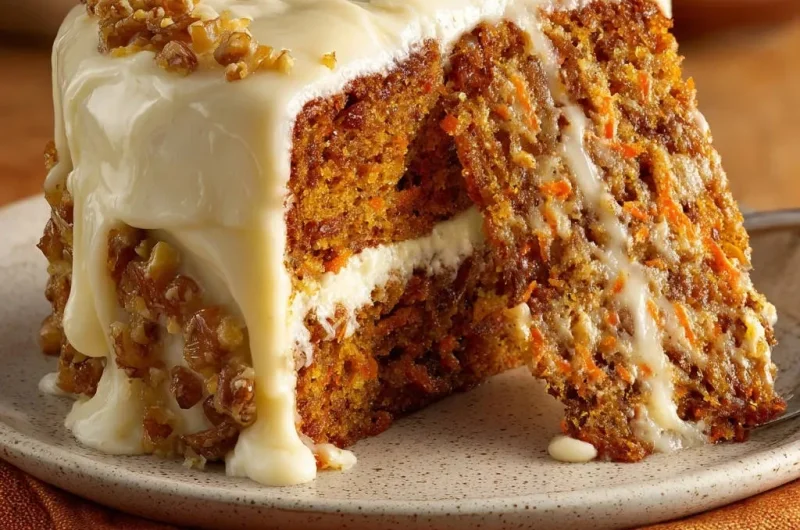
Carrot Cake
Course: DessertCuisine: AmericanDifficulty: medium12
servings30
minutes35
minutes750
kcal150
minutesCracked the code on incredibly tender and flavorful carrot cake. This recipe guarantees a moist cake every time, thanks to a simple trick. Paired with a luscious cream cheese frosting, it’s a slice of pure joy.
Ingredients
- For the Cake:
2 cups all-purpose flour
1/2 teaspoon baking soda
1 1/2 teaspoons baking powder
1 teaspoon ground cinnamon
1/2 teaspoon ground nutmeg
1/2 teaspoon salt
1 1/2 cups granulated sugar
1 cup vegetable oil (this is key for moisture!)
4 large eggs
2 teaspoons vanilla extract
3 cups finely grated carrots
1 cup chopped walnuts, plus 1/2 cup for garnish
- For the Cream Cheese Frosting:
8 ounces cream cheese, softened
1/2 cup (1 stick) unsalted butter, softened
4 cups powdered sugar, sifted
1 teaspoon vanilla extract
Directions
- Preheat your oven to 350°F (175°C). Grease and flour two 9-inch round cake pans or line with parchment paper.
- In a large bowl, whisk together the flour, baking soda, baking powder, cinnamon, nutmeg, and salt. Set aside.
- In a separate large bowl, whisk together the granulated sugar, vegetable oil, eggs, and vanilla extract until well combined and smooth. The oil is your secret weapon for a truly moist cake.
- Gradually add the dry ingredients to the wet ingredients, mixing until just combined. Be careful not to overmix; overmixing can develop gluten too much, leading to a tougher, drier cake.
- Fold in the grated carrots and 1 cup of chopped walnuts. Distribute the batter evenly between the two prepared cake pans.
- Bake for 30-35 minutes, or until a wooden skewer inserted into the center comes out clean. Do not overbake, as this is another common cause of dry cake.
- Let the cakes cool in the pans for 10-15 minutes before inverting them onto a wire rack to cool completely. The cakes must be completely cool before frosting.
- While the cakes cool, prepare the cream cheese frosting. In a large bowl, beat the softened cream cheese and softened butter with an electric mixer until smooth and creamy.
- Gradually add the sifted powdered sugar, one cup at a time, beating until fully incorporated. Mix in the vanilla extract. Beat on medium speed until the frosting is light and fluffy.
- Once the cakes are completely cool, spread a layer of frosting over the top of the first cake layer. Place the second cake layer on top and frost the top and sides of the entire cake.
- Garnish with the remaining 1/2 cup chopped walnuts on top. Slice and serve your perfectly moist carrot cake!
Notes
- Key for moisture: use vegetable oil, avoid overmixing, and do not overbake.