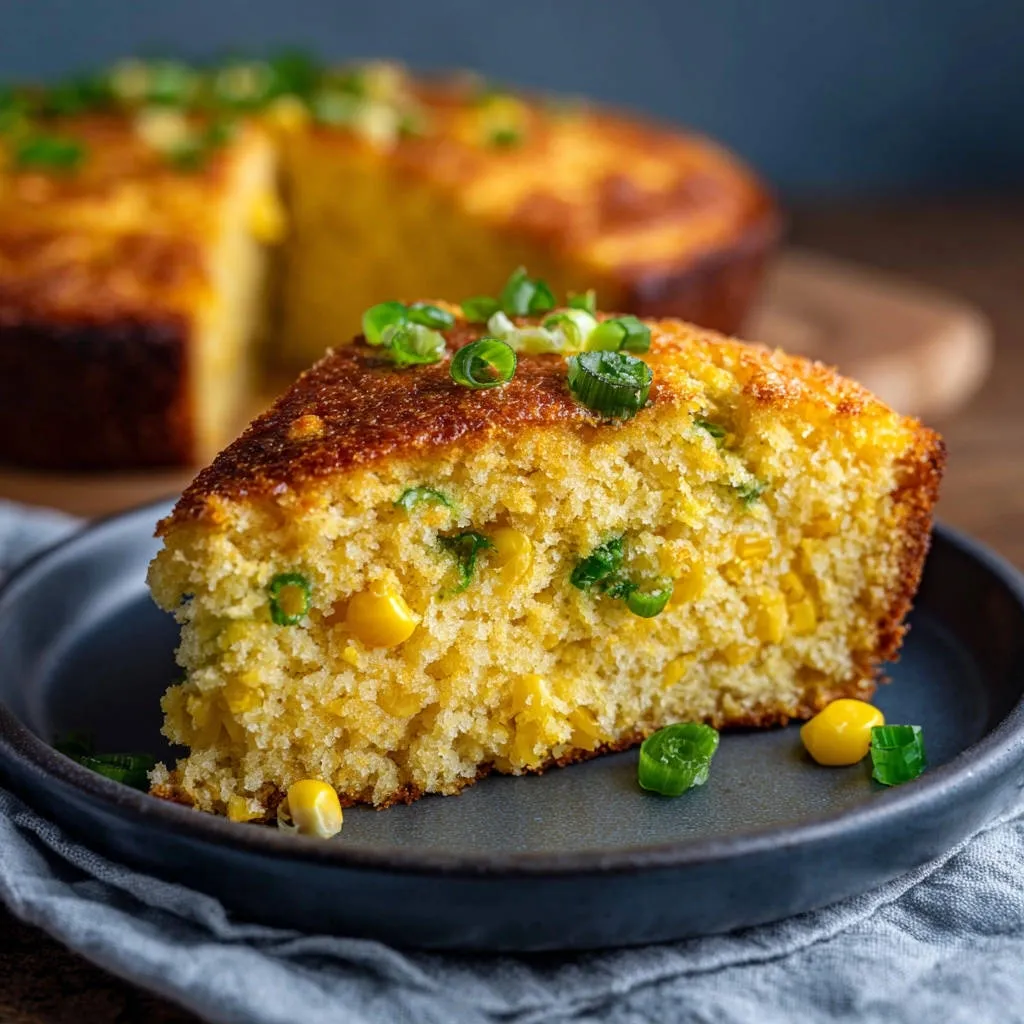
For years, I faced the frustration of dry, crumbly cornbread, a common pitfall when striving for that perfect homemade touch. But after countless attempts, I discovered the secret to achieving a truly moist and tender Classic Skillet Cornbread every single time. It’s not just about the ingredients, but a crucial technique that ensures a delightful, soft texture with that irresistible golden crust, making it the ideal companion for any meal.
Why This Classic Skillet Cornbread Stands Above the Rest
The “No More Dry Crumbles” Promise
This recipe directly tackles the most common cornbread complaint: dryness. The key lies in our meticulous mixing method, which prevents gluten overdevelopment, ensuring a consistently moist and tender crumb that practically melts in your mouth.
The Magic of the Hot Skillet Method
Preheating your cast iron skillet to a high temperature before adding the batter is a game-changer. This technique creates an immediate sear on the bottom, resulting in an incredibly crispy, golden crust that contrasts beautifully with the soft interior.
Customizable Flavors for Every Palate
While the recipe calls for classic corn kernels and vibrant green onions, its robust base is incredibly versatile. It provides a perfect foundation for you to experiment with your favorite savory additions, allowing you to tailor it to your taste.
For a spicy kick, explore this hot honey jalapeño cornbread with a crispy crust.
Gather Your Goodies: Building the Best Cornbread Batter
The quality of your ingredients significantly impacts the final result. Opt for fresh, good quality components to truly elevate your homemade cornbread.
Pantry Staples: Dry Essentials
Yellow Cornmeal: This is the heart of our cornbread, providing its signature texture and earthy flavor. Yellow cornmeal tends to offer a slightly sweeter, richer taste than white.
All-Purpose Flour: The flour balances the cornmeal, giving the cornbread its structure and ensuring it’s not too dense. It helps create a tender crumb.
Granulated Sugar (optional): A touch of sugar enhances the sweetness and helps with browning. Adjust this quantity based on your preference for sweet or savory cornbread.
Baking Powder & Baking Soda: These are our leavening agents, working together to create a light, fluffy texture. Ensure they are fresh for maximum lift.
Salt: A crucial flavor enhancer, salt balances the sweetness and brings out the savory notes of the cornmeal.
The Wet Wonders: Dairy & Eggs
Buttermilk: Buttermilk is essential for a moist and tender cornbread. Its acidity reacts with the baking soda, promoting a light texture and adding a subtle tang that enriches the flavor.
Large Eggs: Eggs act as a binder, holding all the ingredients together and contributing to the cornbread’s rich color and structure. Use them at room temperature for better incorporation.
The Secret Star: Melted Butter
Unsalted melted butter adds incredible richness and a soft, buttery flavor throughout the cornbread. It also contributes to the moist crumb, preventing it from drying out.
Flavorful Add-Ins: Corn & Green Onions
Canned Corn Kernels, Drained: These add pockets of sweet, tender texture and boost the corn flavor. Draining them well prevents excess moisture in the batter.
Chopped Green Onions: Green onions introduce a mild, savory onion flavor and a pop of color. They complement the sweetness of the corn beautifully, especially when served as a side for dishes like classic meatloaf.
Essential Tools for Your Cornbread Success Story
Having the right equipment makes all the difference in achieving that perfectly baked cornbread.
The Star Player: Cast Iron Skillet (or Alternative)
A 9 or 10-inch cast iron skillet is the gold standard for Classic Skillet Cornbread. Its superior heat retention and even heating produce an unparalleled crispy crust.
If you don’t have a cast iron skillet, a heavy-bottomed, oven-safe non-stick skillet or an 8×8 inch baking pan will also work. Just ensure it can withstand high oven temperatures.
Mixing Bowls & Whisk: Your Prep Partners
You’ll need two separate mixing bowls-one for your dry ingredients and one for your wet. A whisk is essential for thoroughly combining the dry components and ensuring the wet ingredients are well emulsified before combining.
Baking Bliss: Your Step-by-Step Journey to Perfect Cornbread
Follow these steps closely, paying attention to the details, for a guaranteed delicious result.
Prepping for Perfection: Oven & Skillet
Preheat your oven to 400°F (200°C). If using a cast iron skillet, place it directly into the cold oven as it preheats. This allows the skillet to get incredibly hot, which is crucial for forming that sought-after crispy bottom crust. Always use oven mitts when handling a hot skillet.
The Dry Blend: Whisking to Uniformity
In a large mixing bowl, combine the cornmeal, all-purpose flour, sugar (if using), baking powder, baking soda, and salt. Whisk these ingredients together thoroughly until they are uniformly distributed and there are no visible lumps. This ensures even leavening and flavor in every bite.
Combining Wet & Dry: The Moistness Secret Revealed
In a separate medium bowl, whisk together the buttermilk and eggs until they are well combined and smooth. Gradually whisk in the melted butter until it’s fully incorporated. Now, pour these wet ingredients into your dry ingredients.
This is the most critical step for achieving moist cornbread: gently stir with a spatula or wooden spoon just until the ingredients are combined. A few small lumps are perfectly fine and even desirable; overmixing will develop the gluten in the flour, resulting in a tough, dry cornbread. Stop stirring the moment the last streak of flour disappears.
Flavorful Fold-Ins: Corn & Onions
Once your batter is just combined, gently fold in the drained canned corn kernels and the chopped green onions. Continue folding just until they are evenly distributed throughout the batter. Over-handling here can also lead to a tougher texture, so be mindful of a light touch.
Into the Hot Skillet: Pour & Bake
Carefully remove the blazing hot skillet from the oven using sturdy oven mitts. If you’re not using cast iron, or if you prefer extra crispiness, lightly grease the hot skillet with a small amount of butter or oil. Immediately and evenly pour the prepared cornbread batter into the hot skillet. The sizzle you hear is a good sign!
The Golden Finish: Resting & Serving
Bake for 20 to 25 minutes, or until the top turns a beautiful golden brown. To check for doneness, insert a toothpick into the center; it should come out with a few moist crumbs attached, indicating a perfectly cooked, tender interior. A completely clean toothpick means it’s likely overcooked.
Allow the cornbread to cool in the skillet for 5 to 10 minutes before slicing. This resting period allows the structure to set, preventing it from crumbling when cut. Garnish with a sprinkle of additional fresh chopped green onions before serving warm.
Beyond the Recipe: Elevate Your Classic Skillet Cornbread
These expert tips will ensure your cornbread is consistently exceptional and a true standout.
Mastering the Mix: The Overmixing Trap
The cardinal rule of tender cornbread is to avoid overmixing. Flour contains gluten, and excessive stirring develops this gluten, leading to a tough, dense, and dry texture. Stir only until the wet and dry ingredients are just combined; lumps are your friend here!
Temperature Tricks: Preheat Matters
Preheating your skillet in the oven is non-negotiable for that irresistible crispy crust. The instant contact with a hot surface prevents the batter from sticking and creates a beautifully golden-brown bottom that defines truly great skillet cornbread.
Testing for Doneness: Don’t Guess, Know!
Beyond the toothpick test, look for a deep golden-brown top and edges that are pulling away slightly from the sides of the skillet. The surface should also spring back gently when lightly pressed. These visual cues, combined with the toothpick test, guarantee perfect doneness without overbaking.
Cooling for Crumb Perfection
Resist the urge to slice your cornbread immediately after baking. Allowing it to cool in the skillet for 5-10 minutes permits the internal structure to firm up, making it easier to slice cleanly and preventing it from falling apart.
Adding a Golden Touch: Butter Brush
For an extra layer of flavor and a beautiful sheen, brush the top of the hot cornbread with a tablespoon of melted unsalted butter as soon as it comes out of the oven. This little step adds moisture and a wonderful richness.
Enjoying Your Creation: Serving, Storage, and Beyond
Perfect Pairings: What to Serve With Cornbread
Classic Skillet Cornbread is incredibly versatile. It’s the perfect absorbent companion for hearty chilis, rich stews, or comforting bowls of beans. Don’t forget the simple pleasure of serving it warm with a pat of butter, a drizzle of honey, or a dollop of jam.
If you enjoy savory sides, you might also like these ham and cheddar biscuits.
It also makes a wonderful side for savory dishes like creamy chicken broccoli bake or even a simple fresh salad.
Complementary Recipes to Try
Round out your meal with these dishes that pair well with cornbread.
- For a flavorful seafood option, consider the creamy garlic shrimp and potato bowl, offering a rich and satisfying contrast.
- Another bright seafood choice is the lemon garlic shrimp and zucchini orzo, which brings a fresh zest that complements the cornbread beautifully.
Keeping It Fresh: Storage Solutions
To keep your cornbread moist, store leftovers at room temperature in an airtight container or tightly wrapped in plastic wrap for up to 2-3 days. For longer storage, refrigerate for up to a week.
Can You Make It Ahead? Tips for Prep
While freshly baked is always best, you can whisk together the dry ingredients ahead of time and store them in an airtight container. The wet ingredients can also be prepped, but combine wet and dry just before baking to ensure optimal leavening and texture. Baked cornbread freezes beautifully; wrap tightly in plastic wrap and then foil, and freeze for up to 3 months. Thaw at room temperature and reheat gently.
Common Cornbread Questions Answered: Troubleshooting Guide
Why is My Cornbread Dry or Crumbly?
The most common culprits are overmixing the batter or overbaking. Overmixing develops gluten, making it tough, while overbaking zaps out moisture. Ensure you only stir until just combined and remove it from the oven when a toothpick comes out with moist crumbs, not completely clean.
Why Did My Cornbread Stick to the Skillet?
This usually happens if your skillet wasn’t hot enough when the batter was added, or if it wasn’t sufficiently greased. Ensure your cast iron skillet is piping hot, or generously grease non-stick pans.
My Cornbread Didn’t Rise Properly!
This could be due to old or expired baking powder/soda, which lose their leavening power over time. It can also happen if you overmixed the batter, which deflates the air bubbles, or if your oven temperature was too low, preventing proper activation of the leavening agents.
Your Classic Skillet Cornbread FAQs
Can I Use White Cornmeal Instead of Yellow?
Yes, you can use white cornmeal, though it might result in a slightly less golden color and a subtly different, often milder, flavor. Yellow cornmeal tends to impart a richer, more traditional cornbread taste.
What if I Don’t Have Buttermilk? Are There Substitutions?
Absolutely! You can easily make your own “buttermilk” substitute. For 1 cup, simply add 1 tablespoon of white vinegar or lemon juice to a measuring cup, then fill the rest with regular milk (any fat percentage) and let it sit for 5-10 minutes until it slightly curdles.
Can I Make This Recipe Gluten-Free?
While possible, modifying it to be gluten-free requires careful substitution. You would need to use a gluten-free all-purpose flour blend that contains xanthan gum, as simply replacing regular flour with a single gluten-free flour often yields different results in terms of texture and binding.
Can I Add Other Mix-Ins to My Cornbread?
Absolutely! This Classic Skillet Cornbread recipe is very adaptable. Feel free to experiment with shredded cheddar cheese, diced jalapeños, crumbled crispy bacon, or even a handful of sautéed onions for extra flavor. Just ensure any wet additions are well-drained.
Is it Okay to Use a Regular Baking Pan?
Yes, you can use a regular 8×8 or 9×9 inch baking pan, or even a muffin tin for cornbread muffins. While you won’t get the same crispy bottom crust that a preheated cast iron skillet provides, the cornbread will still be delicious and moist.
Ready to Bake Your Best Classic Skillet Cornbread?
Now that you’re equipped with all the secrets, from ingredient selection to the crucial mixing technique, you’re ready to create a truly unforgettable Classic Skillet Cornbread. Experience the joy of a perfectly moist, tender crumb and a beautiful golden crust, transforming this comforting staple into a showstopper.
Go forth and bake, knowing you’re about to enjoy the kind of cornbread you’ve always dreamed of!
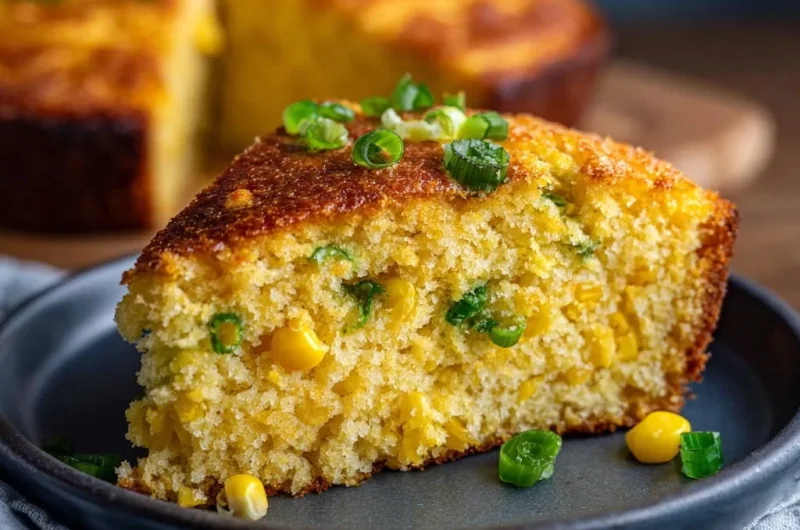
Skillet Cornbread
Course: BreadCuisine: AmericanDifficulty: easy8
servings15
minutes25
minutes240
kcal50
minutesAchieve perfectly moist and tender cornbread every single time with this tried-and-true skillet recipe. Say goodbye to dry, crumbly results by following a simple, crucial adjustment. This cornbread is packed with flavor from corn and green onions, perfect for any meal.
Ingredients
1 cup yellow cornmeal
1 cup all-purpose flour
1/4 cup granulated sugar (optional, adjust to taste)
1 tablespoon baking powder
1/2 teaspoon baking soda
1 teaspoon salt
1 cup buttermilk
2 large eggs
1/2 cup unsalted butter, melted
1 cup canned corn kernels, drained
1/2 cup chopped green onions, plus more for garnish
Directions
- Preheat your oven to 400 degrees Fahrenheit (200 degrees Celsius). If using a cast iron skillet, place it in the oven while it preheats.
- In a large bowl, whisk together the cornmeal, flour, sugar (if using), baking powder, baking soda, and salt. Make sure there are no lumps.
- In a separate medium bowl, whisk together the buttermilk and eggs until well combined. Gradually whisk in the melted butter.
- Pour the wet ingredients into the dry ingredients. This is the key moment for moistness: gently stir with a spatula or wooden spoon just until combined. A few small lumps are perfectly fine. Do not overmix the batter, as this is what leads to dry, tough cornbread. Fold in the drained corn kernels and chopped green onions until they are just distributed.
- Carefully remove the hot skillet from the oven (use oven mitts!). If it’s a non-stick skillet, you can lightly grease it with a little butter or oil if desired, though a hot cast iron skillet often creates a natural non-stick surface. Pour the batter evenly into the hot skillet.
- Bake for 20 to 25 minutes, or until the top is golden brown and a toothpick inserted into the center comes out with a few moist crumbs attached. If it comes out completely clean, it’s likely overcooked and will be dry.
- Let the cornbread cool in the skillet for 5 to 10 minutes before slicing and serving warm. Garnish with additional chopped green onions.
Notes
- Do not overmix the batter to ensure moist, tender cornbread. Allow to cool slightly in the skillet before serving.