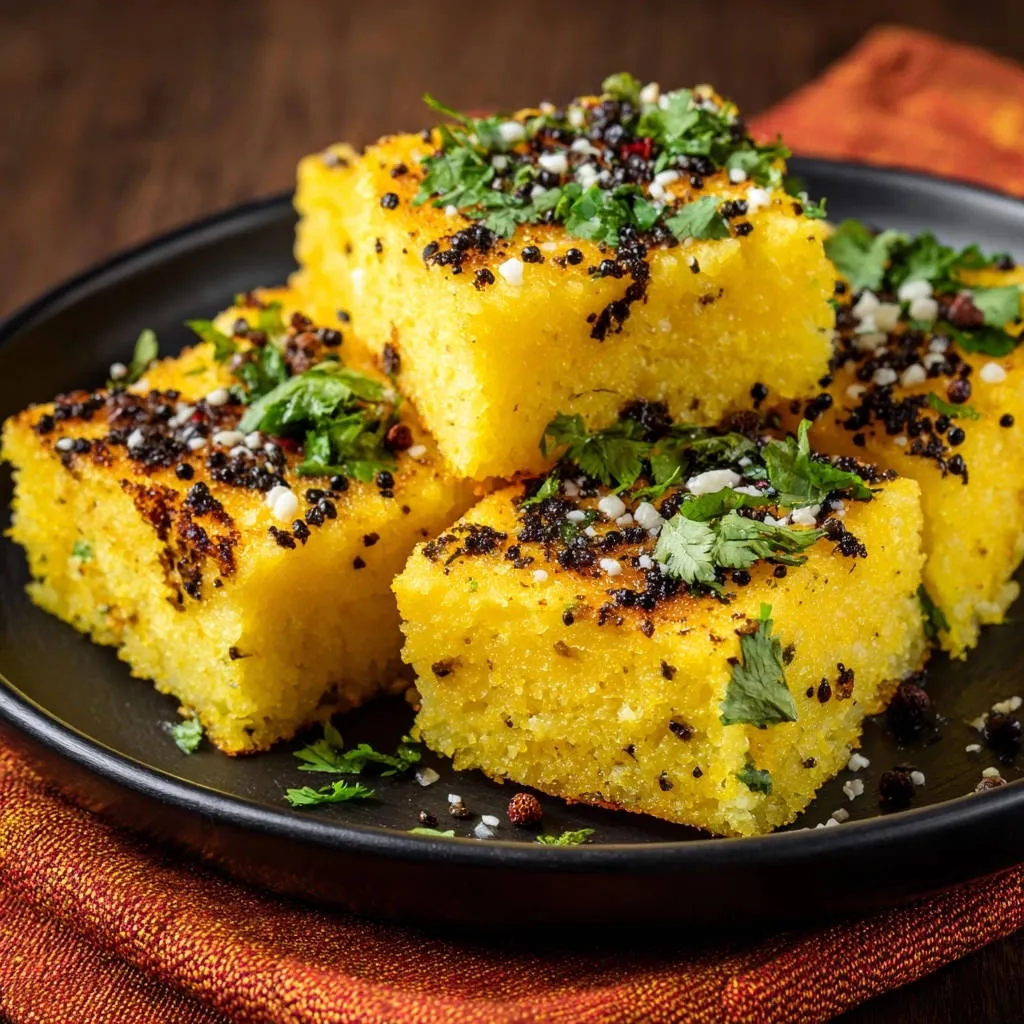
I spent years struggling to achieve that perfect, melt-in-your-mouth spongy texture in savory steamed cakes, often ending up with rubbery, disappointing results.
The culinary breakthrough for a truly light and airy crumb isn’t what you add, but precisely when you add it, thanks to a specific timing trick involving the leavening agent.
For a delightful contrast, consider the whipped yogurt with roasted carrots.
This reliable method guarantees a delicate, restaurant-quality Fluffy Instant Savory Steamed Cake that will quickly become your new favorite savory snack.
For a similar approach to achieving a tender crumb, check out this Glazed Orange Loaf Cake.
The Instant Fluff Secret: Mastering the Baking Soda Timing
Why Traditional Steamed Cakes Often Fail
Most dense steamed cakes are the result of premature activation or vigorous overmixing of the batter.
If the baking soda reacts too early, the necessary carbon dioxide gas escapes while the batter sits, leaving it flat and compact when it enters the steamer.
The Critical Chemical Reaction for Fluffiness
This recipe relies on the rapid acid-base reaction between lemon juice and baking soda to create instant volume.
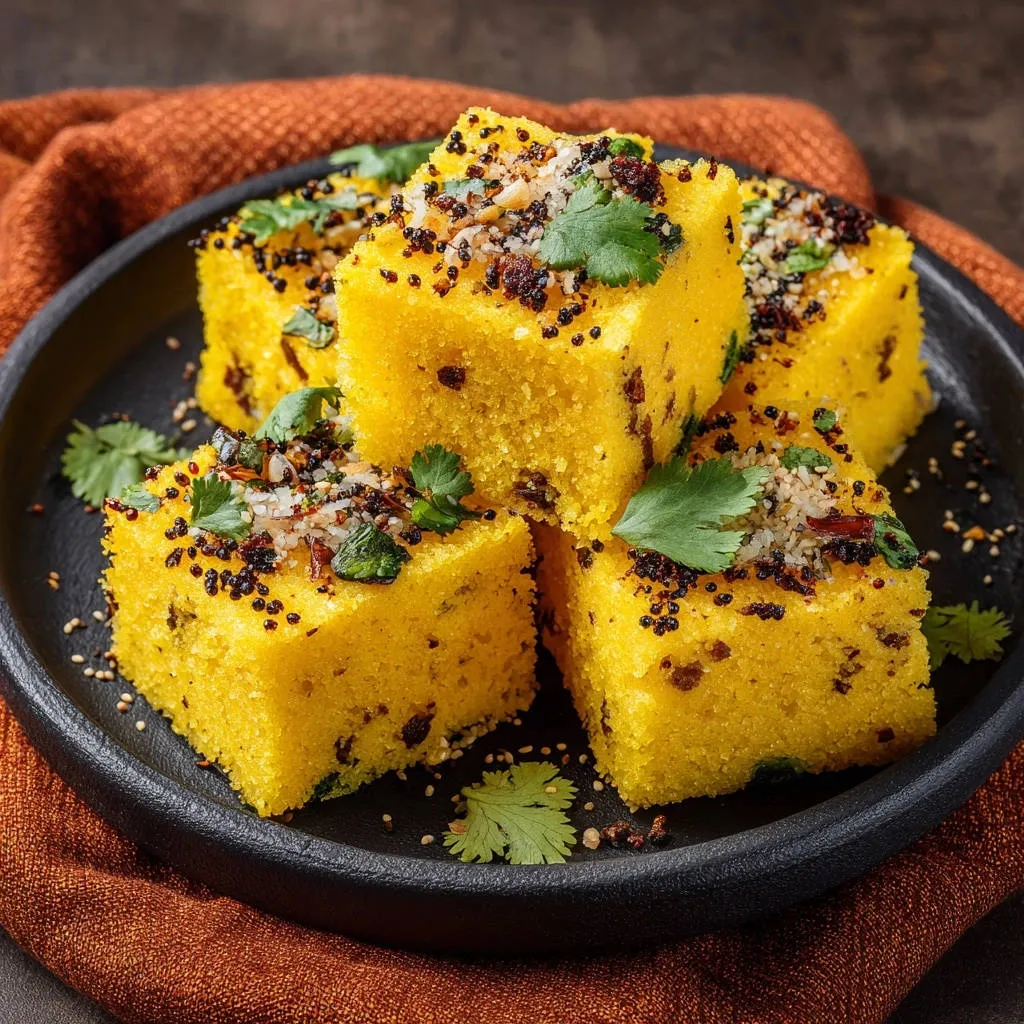
The goal is to trap those nascent gas bubbles inside the batter immediately, which is why instant transfer to the hot steamer is non-negotiable for success.
The high heat of the steam then sets the structure quickly, effectively locking the air inside and creating the desired light and airy crumb.
The Three Pillars of Irresistible Texture
- Hydration Time (The Rest): Allows the base flour to fully absorb moisture, preventing a gritty or heavy texture.
- Last-Minute Activation (The Secret): Ensures the leavening power is fully utilized during the critical steaming phase, not while the batter sits.
- The Flavor Layering (The Tempering): Adds moisture, heat, and complex aromatic flavor after cooking, enhancing the cake’s spongy texture.
Building the Perfect Batter: Essential Ingredients and Swaps
Choosing Your Base Flour: Semolina vs. Chickpea Flour
Fine semolina (sooji) yields a slightly grainier, more traditional spongy texture that holds moisture extremely well without collapsing.
Chickpea flour (besan) produces a lighter color and a smoother, melt-in-your-mouth crumb, offering a subtle, earthy flavor profile to this savory steamed treat.
The Acid and Dairy Balance (Yogurt and Lemon Juice)
Plain yogurt is essential for providing structure, moisture, and fat, lending richness and softness to the final Fluffy Instant Savory Steamed Cake.
Lemon juice acts as the vital acid catalyst needed to fully activate the baking soda right before steaming, ensuring maximum vertical lift and quick expansion.
Essential Flavor Foundations: Ginger, Turmeric, and Salt
Freshly grated ginger paste is highly recommended over dried powder, providing a vibrant, pungent freshness that perfectly balances the savory richness.
Turmeric gives the cake its appealing golden hue, while salt, sugar, and optional asafoetida build a complex, well-rounded flavor foundation.
Step-by-Step Directions: How to Make Fluffy Instant Savory Steamed Cake
Stage 1: Prep and Hydration (Steps 1-3)
- Prepare the Steamer and Pan:
Bring about 2 inches of water to a strong boil in your steamer BEFORE the batter is activated. Thorough greasing of your 6-inch pan with neutral oil is critical for easy, clean release.
- Mix the Initial Base Batter:
In a large bowl, combine the flour base, yogurt, warm water, lemon juice, salt, sugar, turmeric, and ginger paste. Whisk until the batter is smooth and uniform, ensuring no lumps remain.
- Rest the Batter:
Allowing 15 to 20 minutes for hydration ensures the flour/semolina fully absorbs the liquid. This crucial resting period prevents a gritty texture and promotes a softer, more uniform crumb.
Stage 2: The Critical Fluff Activation and Steaming (Steps 4-7)
- Activate the Fluff (The 10-Second Window):
This is the most crucial step. Add the 1/2 teaspoon of baking soda directly to the batter, then immediately pour a splash of lemon juice or water over the soda.
Mix rapidly but GENTLY-you should see instant frothiness and the batter expanding. Stop mixing the very moment the froth appears, as overmixing will deflate the air bubbles immediately.
- Steam Immediately:
Transfer the activated batter into the prepared, oiled cake pan and place it in the preheated steamer without delay. Every second counts to ensure the captured air bubbles expand inside the steamer.
- Cook Thoroughly:
Cover and maintain medium-high heat for 15 to 20 minutes. Critically, DO NOT lift the lid during the first 10 minutes, as the sudden temperature drop will cause the delicate structure to collapse.
- Cool and Cut:
Remove the pan from the steamer and let it cool slightly for a few minutes. Inverting the cake onto a cutting board after a slight cool ensures the structure is set before you handle it. Slice into uniform squares before moving to the tempering stage.
Stage 3: Crafting the Traditional Tempering (Tadka) (Steps 8-9)
- Prepare the Tempering Mixture:
Heat the oil until hot. Add black mustard seeds first; they must begin to pop rapidly-this releases their essential nutty aroma. Add sesame seeds and optional asafoetida next.
IMMEDIATELY remove the pan from the heat before carefully adding the 2 tablespoons of water and 1 teaspoon of sugar. The mixture will sizzle vigorously, dissolving the sugar and creating the flavorful liquid infusion.
- Finish and Serve:
Pour the hot tempering mixture evenly over all the sliced cake squares. The liquid absorbs instantly, infusing flavor and enhancing the already spongy texture.
Garnish generously with fresh chopped cilantro and serve warm for the best flavor experience.
Chef’s Secrets: Advanced Tips and Troubleshooting for the Perfect Cake
Preventing Common Fluffy Instant Savory Steamed Cake Mistakes
The Temperature Trap: Ensure your steamer water is fully boiling before placing the pan inside. Lukewarm steam results in a heavy, undercooked bottom layer and poor overall lift.
Checking the Soda’s Potency: Baking soda loses effectiveness over time once the package is opened. Test your soda by adding a drop of vinegar to a pinch of the powder; it should bubble vigorously, guaranteeing maximum lift.
The Steamer Lid Dilemma: If your steamer lid collects a lot of condensation, wrap it tightly in a clean kitchen towel. This prevents water droplets from falling directly onto the cake, which creates dense, soggy spots.
When Things Go Wrong: Troubleshooting Guide
Problem: The cake sank in the middle during cooling.
Solution: This usually means it was removed too early (undercooked center) or the lid was lifted prematurely during steaming, causing a rapid loss of heat. Ensure you steam for the full suggested time and test for doneness with a clean knife.
Problem: The bottom of the cake is dense and wet.
Solution: The cake pan was likely resting too close to the boiling water or sitting directly in it, causing a ‘wet steam’ effect. Use a sturdy rack to ensure the pan is elevated at least 1-2 inches above the water line to allow only light, hot steam to circulate.
Serving Suggestions, Storage, and Make-Ahead Magic
Creative Ways to Serve This Savory Treat
This Fluffy Instant Savory Steamed Cake is traditionally enjoyed paired with vibrant green cilantro chutney and a touch of sweet-and-sour tamarind sauce for a perfect flavor contrast.
What Else to Make
Round out your meal with these complementary dishes that pair well with savory cakes.
- For a vibrant, spiced chicken option, consider making this Charred Chicken Masala, which offers a different but equally satisfying flavor profile.
- If you’re in the mood for seafood with a satisfying crunch, this Crispy Indian Fish Fry would be a great addition.
They make an excellent mid-afternoon snack or tiffin with a cup of hot chai, or serve them alongside a main curry dish as a lighter alternative to bread.
How to Store Leftover Fluffy Instant Savory Steamed Cake
Once completely cooled, store the remaining slices in an airtight container in the refrigerator for up to 3 days.
We recommend reheating them briefly in the microwave or steamer before serving to restore some of their initial warmth and signature soft texture.
Can I Make the Batter Ahead of Time?
Yes, you can prepare the initial base batter (flour, yogurt, water, and spices) up to 24 hours in advance and store it covered in the fridge.
However, the baking soda and the activating acid must be added immediately before steaming. Pre-activating the batter will result in a flat, dense cake.
Frequently Asked Questions About Steamed Savory Cakes
Can I use self-rising flour instead of baking soda?
Answer: Self-rising flour contains leavening agents designed to activate slowly over a longer baking period. Since the success of this Fluffy Instant Savory Steamed Cake relies on the rapid, explosive reaction of baking soda and acid, we highly recommend sticking to the specified ingredient for maximum lift and volume.
What is Asafoetida and is it necessary?
Answer: Asafoetida (hing) is a pungent resinous spice used heavily in Indian savory cooking to provide an onion-garlic flavor profile. It is optional but provides crucial depth to the tempering mixture. A tiny pinch is all that is necessary, as its flavor is very strong.
Is steaming healthier than baking this cake?
Answer: Yes. Steaming requires no additional oil (beyond greasing the pan) and cooks the cake gently using moist heat, retaining far more moisture without forming a thick, oil-heavy crust, resulting in a significantly lighter final product.
Ready to Impress? Share Your Fluffy Instant Savory Steamed Cake Masterpiece!
Mastering this technique is the definitive key to achieving truly light and airy results every single time you attempt a Fluffy Instant Savory Steamed Cake.
Forget the dense, rubbery textures of the past. Trust the power of instant activation, perfect hydration, and the aromatic tempering.
Try this specific method today, and when you achieve that perfect instant fluff, share your masterpiece with us!
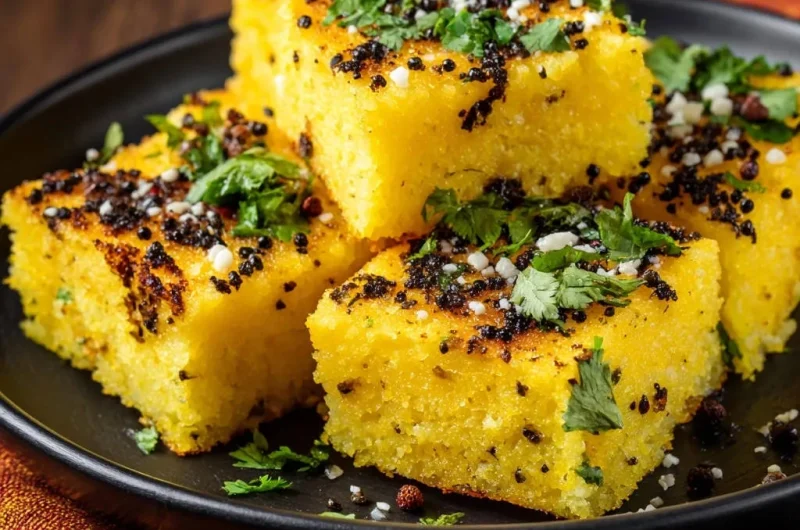
Steamed Cake
Course: SnacksCuisine: IndianDifficulty: medium4
servings25
minutes25
minutes240
kcal50
minutesTired of dense, rubbery steamed cakes? This recipe solves the common pain point, guaranteeing a light, melt-in-your-mouth spongy texture every single time. The secret lies in the precise activation timing, ensuring instant fluffiness before steaming.
Ingredients
For the Cake:
1 cup fine semolina or chickpea flour
1/2 cup plain yogurt
1/2 cup warm water
1 tablespoon lemon juice
1 teaspoon salt
1/2 teaspoon sugar
1/4 teaspoon turmeric powder
1/2 teaspoon ginger paste (or finely grated ginger)
1/2 teaspoon baking soda (key ingredient)
1 tablespoon neutral oil (for greasing)
For the Tempering (Tarka):
2 tablespoons neutral oil
1 teaspoon black mustard seeds
1 teaspoon white sesame seeds (optional, but visible)
Pinch of asafoetida (optional, for flavor depth)
2 tablespoons water
1 teaspoon sugar
2 tablespoons fresh cilantro, chopped (for garnish)
Directions
- Prepare the Steamer: Bring about 2 inches of water to a boil in a large pot or steamer. Grease a 6-inch round or square cake pan thoroughly with neutral oil and set aside. Ensure the steamer is ready to accept the batter immediately.
- Mix the Base Batter: In a large bowl, combine the semolina or chickpea flour, yogurt, warm water, lemon juice, salt, sugar, turmeric powder, and ginger paste. Whisk until smooth.
- Rest the Batter: Let the mixture rest for 15 to 20 minutes. This allows the semolina/flour to hydrate completely, which is crucial for the final texture.
- Activate the Fluff (THE PAIN POINT SOLUTION): Just before steaming, add the 1/2 teaspoon of baking soda directly to the batter. Immediately pour 1 tablespoon of the lemon juice (if using extra, otherwise use a splash of water) over the soda and mix very quickly and gently until the batter becomes frothy, light, and almost doubles in volume. DO NOT overmix, or you will deflate the bubbles. The reaction must be swift.
- Steam Immediately: Transfer the activated batter immediately into the prepared, oiled cake pan. Place the pan in the preheated steamer.
- Cook: Cover and steam on medium-high heat for 15 to 20 minutes, or until a knife inserted in the center comes out clean.
- Cool and Cut: Remove the pan from the steamer and let it cool slightly. Invert the cake onto a cutting board and slice into uniform squares.
- Prepare the Tempering: While the cake cools, heat 2 tablespoons of oil in a small pan over medium heat. Once the oil is hot (but not smoking), add the black mustard seeds and sesame seeds. Once the mustard seeds begin to pop, immediately remove the pan from the heat. Carefully add the 2 tablespoons of water and 1 teaspoon of sugar to the pan (it will sizzle vigorously). Stir until the sugar dissolves.
- Finish and Serve: Pour the hot tempering mixture evenly over the steamed cake squares. Garnish generously with fresh chopped cilantro and serve warm. The cake will absorb the liquid and become even spongier.
Notes
- Do not overmix the batter after adding baking soda; steam immediately for maximum volume and perfect spongy texture.