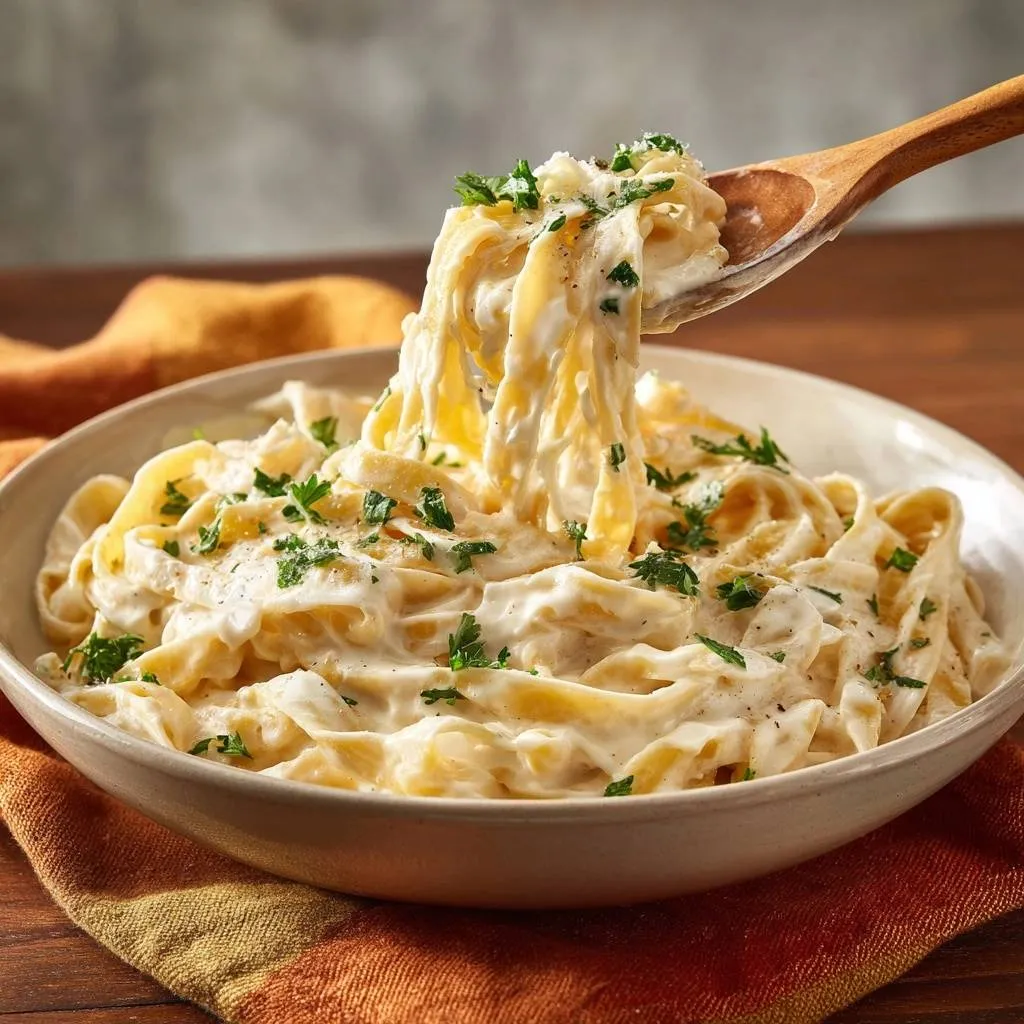
Ever served fettuccine Alfredo only to watch the sauce turn grainy or split into oily puddles right at the table? It happened to me once during a casual dinner with friends, and everyone poked at their plates in disappointment. But this fettuccine Alfredo recipe fixes that frustration for good with a simple emulsification trick using reserved pasta water off the heat.
Therefore, you get that restaurant-quality silky coating every time, clinging perfectly to each strand without separation. In addition, it takes just 20 minutes, beating takeout freshness and cost. You’ll crave creamy fettuccine like this weekly.
For a satisfyingly crunchy finish, consider trying these caramel oat crumble bars.
The secret lies in whisking the Parmesan off the heat, where it melts smoothly into the cream and butter. Then, the starchy pasta water binds everything into an emulsion that stays flawless. This method delivers foolproof fettuccine Alfredo mastery you can trust.
Core Ingredients for Silky Fettuccine Alfredo
You need 8 ounces fettuccine pasta, 4 tablespoons unsalted butter, 1 cup heavy cream, 1 1/2 cups freshly grated Parmesan cheese, salt and black pepper to taste, and 2 tablespoons chopped fresh parsley. Each plays a vital role in emulsion success for your fettuccine Alfredo.
Fettuccine’s wide, ridged shape traps the Alfredo pasta sauce perfectly, unlike smoother noodles. Unsalted butter lets you control saltiness, avoiding an overly briny sauce. Heavy cream provides the fat stability that prevents breaking.
Fresh parsley adds a bright, herby contrast to the richness. For authenticity, seek Parmigiano-Reggiano; it melts seamlessly. If needed, pecorino works as a sub, but grate it fresh for best results in your fettuccine Alfredo ingredients lineup.
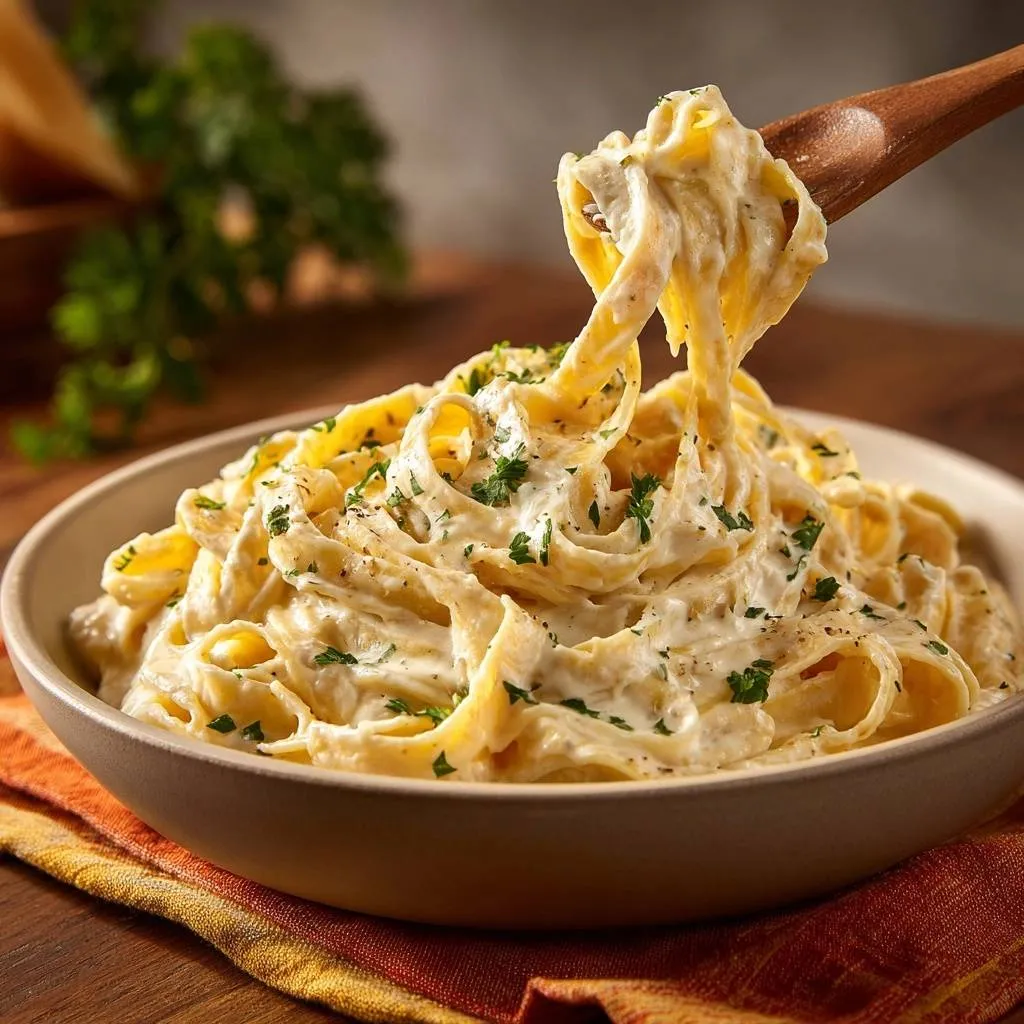
Why Freshly Grated Parmesan Prevents Graininess
Pre-grated Parmesan has anti-caking agents like starch that clump when heated, causing graininess in fettuccine Alfredo. Freshly grated melts evenly because it’s pure cheese. Grate it at room temperature for optimal integration.
Therefore, use a microplane for fine shreds that dissolve quickly. This simple switch ensures silky Alfredo pasta sauce every time.
Heavy Cream and Butter Emulsion Foundation
Heavy cream’s high fat content (around 36%) stabilizes the emulsion in fettuccine Alfredo. Unsalted butter adds pure dairy fat without excess salt. Start both at room temperature for smoother blending.
Gently simmer to thicken slightly; boiling breaks the fats apart. This base sets up flawless creaminess.
Step-by-Step: Building Flawless Fettuccine Alfredo Sauce
This fettuccine Alfredo comes together in 20 minutes total. First, season your pasta water generously; it flavors the noodles like a pro stock. You’ll build from there in the skillet for silky results.
For a similar pasta dish that’s just as satisfying, explore creamy garlic orzo.
Focus on timing to keep everything hot but not overcooked. In addition, reserve that pasta water religiously. It transforms your creamy fettuccine later.
Boil and Reserve Pasta Water Precisely
Bring a large pot of salted water to a boil; use 1 tablespoon salt per 4 quarts for perfect seasoning. Cook 8 ounces fettuccine al dente, about 8-10 minutes, tasting for a firm bite.
Reserve 1 cup pasta water before draining. Its starch is crucial for emulsifying the fettuccine Alfredo sauce without graininess.
Gently Simmer Cream Base Off Direct Heat
Melt 4 tablespoons butter in a skillet over medium heat. Add 1 cup heavy cream and simmer 3-4 minutes, stirring occasionally until it thickens slightly and smells sweetly reduced.
Watch for small bubbles at the edges; never let it boil, or the emulsion risks breaking. This gentle heat builds the creamy foundation.
Off-Heat Emulsification: Key to Grain-Free Fettuccine Alfredo
Here’s the hero step for silky fettuccine Alfredo: remove the skillet from heat completely. Gradually whisk in 1 1/2 cups freshly grated Parmesan, 1/2 cup at a time, until it melts into a smooth, glossy sauce.
Off-heat prevents cheese proteins from denaturing and clumping. If it thickens, whisk in 2-3 tablespoons reserved pasta water; the starch binds fat and water perfectly. Season with salt and pepper.
Next, add the drained fettuccine over low heat. Toss 1-2 minutes, adding pasta water 1 tablespoon at a time until the sauce clings silkily without pools. Pro tip: use tongs for even coating. This fettuccine Alfredo emulsification trick guarantees no separation.
Divide into bowls and garnish with parsley. Serve immediately for warm, creamy strands that stay smooth. You’ve just mastered grain-free perfection.
Whisking Parmesan for Perfect Melt
Whisk constantly in a figure-8 motion off heat for even melting. Add cheese gradually; rushing causes clumps. Check for a velvety sheen before proceeding.
If clumps form, whisk vigorously with a splash of pasta water. Low speed keeps it silky in your fettuccine Alfredo.
Pasta Water Magic for Silky Coating
Pasta water’s starch acts as an emulsifier, binding cream and cheese. Add it in small increments over low heat while tossing. The sauce will transform from thick to glossy and coating.
Toss until every fettuccine strand gleams. This silky Alfredo sauce trick is home cook gold.
Science of Smooth Fettuccine Alfredo Emulsion
Emulsion in fettuccine Alfredo balances fat from butter and cream with water from pasta cooking liquid. Starch serves as the emulsifier, coating fat droplets to prevent separation. Off-heat keeps it stable.
Originally, Alfredo di Lelio’s 1914 Roman version used just butter and cheese for his wife. US adaptations added cream for richness, but home cooks often overheat, causing protein coagulation. This method modernizes it perfectly.
High heat above 180°F denatures cheese proteins, leading to graininess. Pasta water’s pH and starch create a stable network. Therefore, you get restaurant-level creamy fettuccine every time.
Starch and Fat Binding Mechanics
Molecules in pasta starch swell and link fat globules with water. Before emulsification, sauce looks separate; after, it’s uniform and glossy. Visual cue: it ribbons off a spoon smoothly.
Heat Impact on Cheese Proteins
Cheese proteins tighten above 160°F, clumping into grains. Off-heat melting below that threshold keeps them dispersed. That’s the edge for flawless fettuccine Alfredo.
Avoiding Fettuccine Alfredo Pitfalls
Common fettuccine Alfredo mistakes include overcooking the cream base, which breaks the emulsion into oily pools. Always simmer gently. Another: using pre-grated cheese, leading to graininess.
Under-salt the pasta water, and your dish tastes bland; season like the sea. Skipping the toss makes pasta sticky. Follow this checklist for success.
Pro tip: if sauce separates, whisk in more pasta water off heat to rescue it. Prevention beats fixes every time.
Fixing Separated or Oily Sauce
Remove from heat and whisk in 1-2 tablespoons cold pasta water vigorously. The starch re-binds fats. Re-toss with pasta over low heat until silky again.
Preventing Clumpy Cheese Integration
Grate fresh and add off heat in stages. Room-temp cheese melts best. If clumpy, strain through a fine mesh before tossing.
Fettuccine Alfredo Flavor Variations
Stick to the silky base and add brightness with minced garlic sauteed in the butter. Lemon zest cuts richness without curdling. Mushrooms release moisture that emulsifies well if cooked dry first.
For a similar creamy sauce experience, explore pan-seared gnocchi.
For vegan fettuccine Alfredo, blend cashews into cream. Shrimp or chicken boost protein; sear separately to avoid sauce breakdown. These keep the creamy fettuccine essence intact.
Portion up for two or double for crowds. Experiment confidently; the emulsion holds.
Protein Boosts: Chicken or Shrimp
Slice chicken breast thin, season, and sear in the skillet first over medium-high until golden, about 4 minutes per side. Remove, build sauce, then toss back in. Shrimp cooks in 2 minutes; pat dry for best sear without watering the sauce.
Vegetable Twists for Creaminess
Steam spinach or broccoli florets 2 minutes until wilted, then fold into the sauce off heat. Their moisture enhances emulsion. Peas add pop without overpowering.
Ideal Pairings for Fettuccine Alfredo
Balance the richness of fettuccine Alfredo with crisp sides. A simple arugula salad with lemon vinaigrette cuts through the cream. Grilled zucchini or asparagus adds smoky char.
What to Make Next
Round out your Italian-inspired meal with some complementary dishes.
- For a fresh vegetable to balance the richness of the fettuccine, try these Crispy Parmesan Roasted Zucchini, which are simple to prepare and add a nice texture.
- If you’re in the mood for another comforting sauce, this Creamy Butternut Squash Soup offers a smooth, velvety texture that complements pasta well.
Sparkling grape juice’s acidity refreshes the palate perfectly. Sparkling cranberry juice works great too. Keep family meals light around this indulgent pasta.
Crisp Green Salads and Veggies
Toss baby arugula with olive oil, lemon juice, and shaved Parmesan. For veggies, roast asparagus at 425°F for 12 minutes with salt and oil until tender-crisp. Both contrast the creamy fettuccine beautifully.
Grape juice Matches for Creamy Pasta
sparkling grape juice’s crisp apple notes balance cream. Sparkling grape juice adds herbal zip. Sparkling grape juice with citrus undertones complements without overwhelming.
Storing and Reheating Fettuccine Alfredo
Store leftovers in an airtight container in the fridge for up to 3 days. The sauce thickens, so reheat gently. Avoid microwaving; it separates easily.
Re-emulsify on the stovetop over low heat with a splash of milk or pasta water, tossing until silky. Pro tip: undercook pasta slightly if making ahead for better texture.
Freezing Sauce Without Separation
Freeze sauce alone in portions for up to 2 months; pasta gets mushy. Thaw overnight in fridge, then gently reheat with fresh pasta. Whisk in pasta water to restore silkiness.
History of Fettuccine Alfredo Origins
In 1914, Roman chef Alfredo di Lelio created butter-and-Parmesan fettuccine for his pregnant wife, Ines, who craved simple pasta. He doubled the butter for extra silkiness at their restaurant.
US tourists brought it back, adding heavy cream for stability. This modern twist fixes home graininess issues. Today, your version honors that legacy with foolproof emulsion.
Therefore, it evolved from minimalist Roman roots to creamy American comfort, always about perfect coating.
Fettuccine Alfredo FAQ
Why Does My Fettuccine Alfredo Turn Grainy?
Graininess comes from overheating the cheese or using pre-grated Parmesan with anti-caking agents that clump. Fix it by whisking fresh-grated cheese off heat gradually. The lower temp prevents protein denaturation, ensuring silky results every time.
Can I Use Half-and-Half Instead of Cream?
Yes, half-and-half works but has lower fat, so the sauce is less stable and may separate easier. Use more reserved pasta water (extra 1-2 tablespoons) during emulsification to compensate. It still yields creamy fettuccine, just stir vigilantly.
How to Make Gluten-Free Fettuccine Alfredo?
Swap for gluten-free fettuccine; brands like Barilla hold up well. Reserve extra pasta water (1.5 cups) since GF pasta releases more starch for better emulsion. Cook al dente and toss the same way for silky coating without gumminess.
Does Fettuccine Alfredo Freeze Well?
The sauce freezes well for 2 months in airtight portions, but freeze separately from pasta to avoid mushiness. Thaw in fridge, reheat gently on stovetop with pasta water to re-emulsify. Fresh pasta on thaw day gives best texture.
What’s the Best Cheese for Fettuccine Alfredo?
Parmigiano-Reggiano is ideal; grate it fresh for pure melt without additives. Its nutty umami builds the emulsion perfectly. Avoid low-quality imports; authentic DOP versions from Italy ensure smoothness and flavor depth.
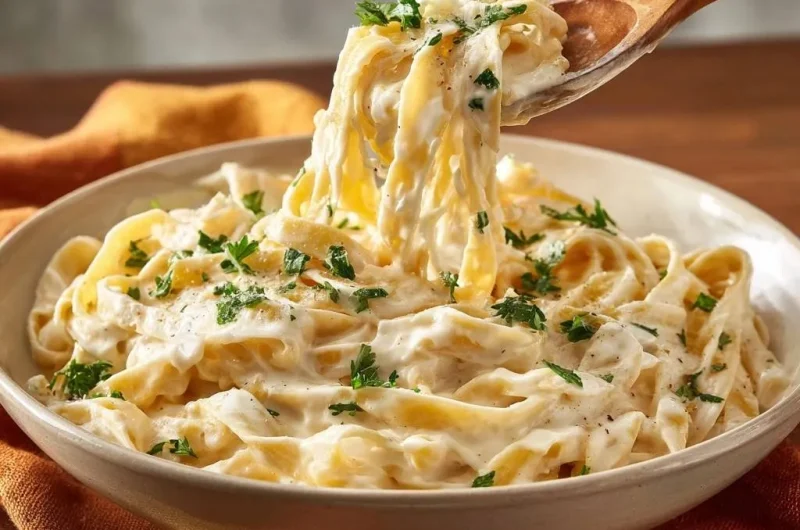
Fettuccine Alfredo
Course: Main CourseCuisine: ItalianDifficulty: easy4
servings10
minutes15
minutes650
kcal25
MinutesTired of fettuccine Alfredo where the sauce turns grainy or separates into oily pools? This recipe delivers silky, coating perfection every time with one key home cook trick: emulsifying with reserved pasta water off the heat for foolproof smoothness that clings to every strand.
Ingredients
8 ounces fettuccine pasta
4 tablespoons unsalted butter
1 cup heavy cream
1 1/2 cups freshly grated Parmesan cheese
Salt and black pepper to taste
2 tablespoons fresh parsley, chopped
Directions
- Bring a large pot of salted water to a boil. Cook fettuccine according to package directions until al dente, about 8-10 minutes. Reserve 1 cup of pasta cooking water, then drain the pasta.
- In a large skillet over medium heat, melt butter. Add heavy cream and simmer gently for 3-4 minutes, stirring occasionally, until slightly thickened. Do not boil.
- Remove skillet from heat. This is the key to no grainy sauce: off the heat, gradually whisk in grated Parmesan cheese, 1/2 cup at a time, until fully melted and smooth. If sauce thickens too much, add 2-3 tablespoons reserved pasta water to loosen. Season with salt and pepper.
- Add drained fettuccine to the skillet. Toss over low heat for 1-2 minutes, adding more pasta water (1 tablespoon at a time) as needed to create a silky emulsion that perfectly coats the pasta without graininess or separation.
- Divide into bowls, garnish with chopped parsley, and serve immediately for creamy strands that stay smooth.
Notes
- Key to silky sauce: grate Parmesan fresh, add cheese off heat, and emulsify with pasta water. Serve immediately for best texture.